Author: mercury

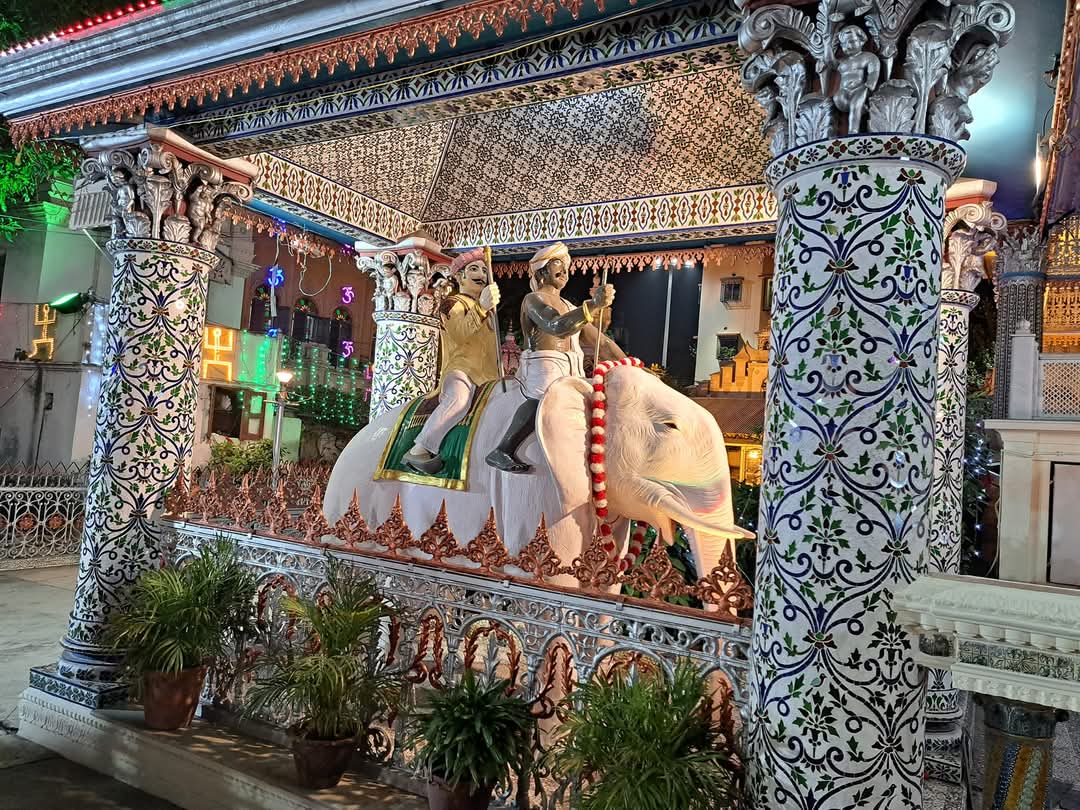
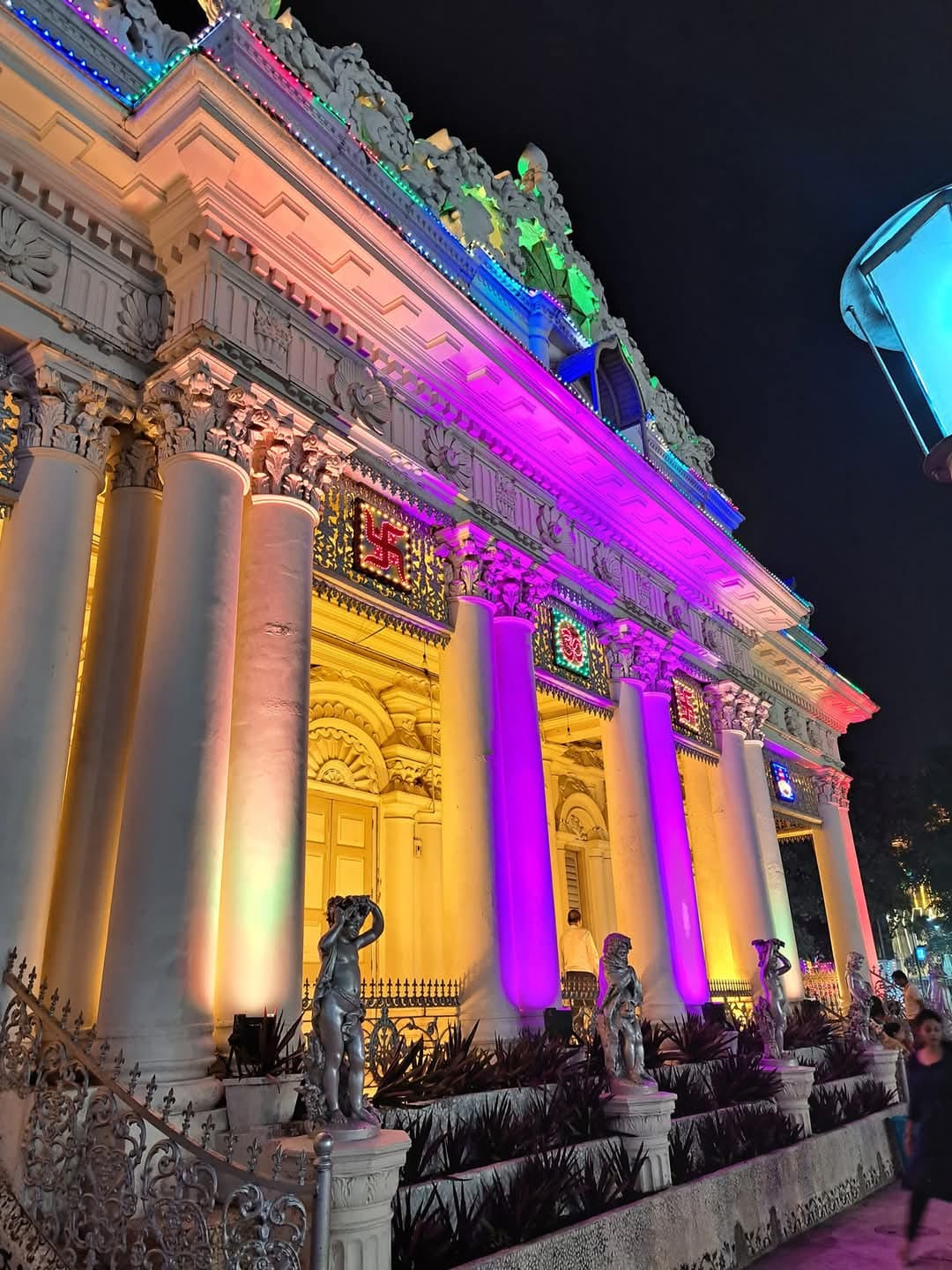
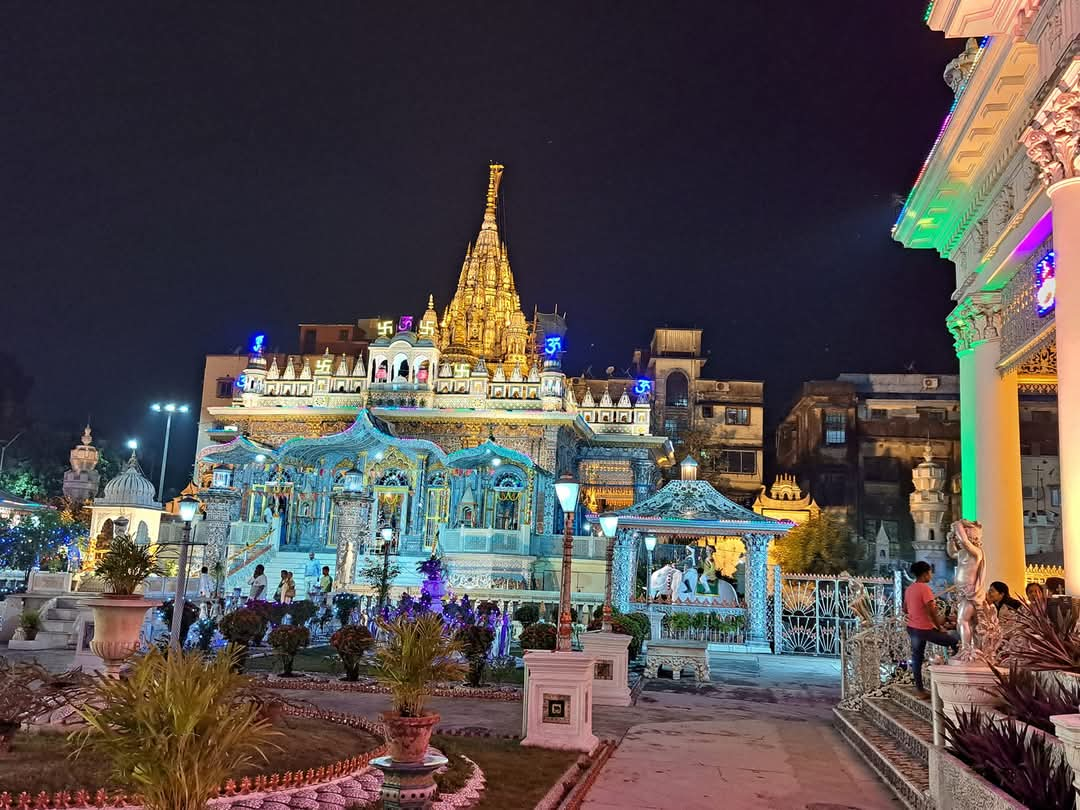
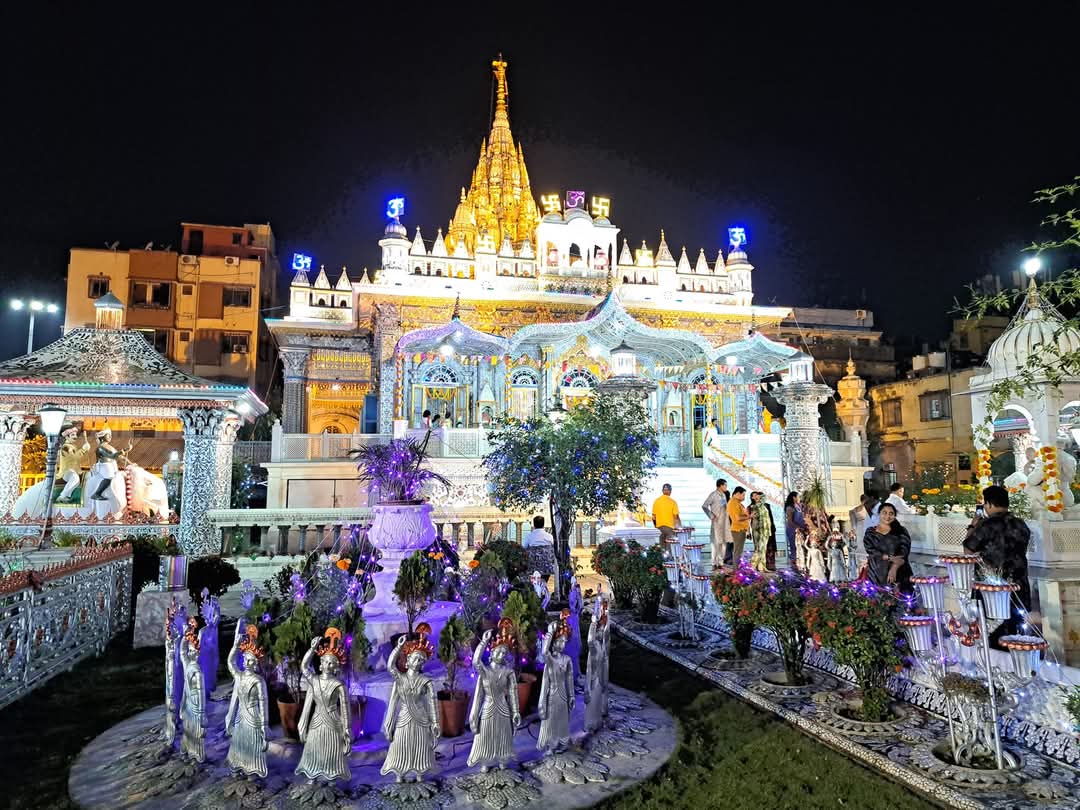
  • Pareshnath Jain temple in Kolkata

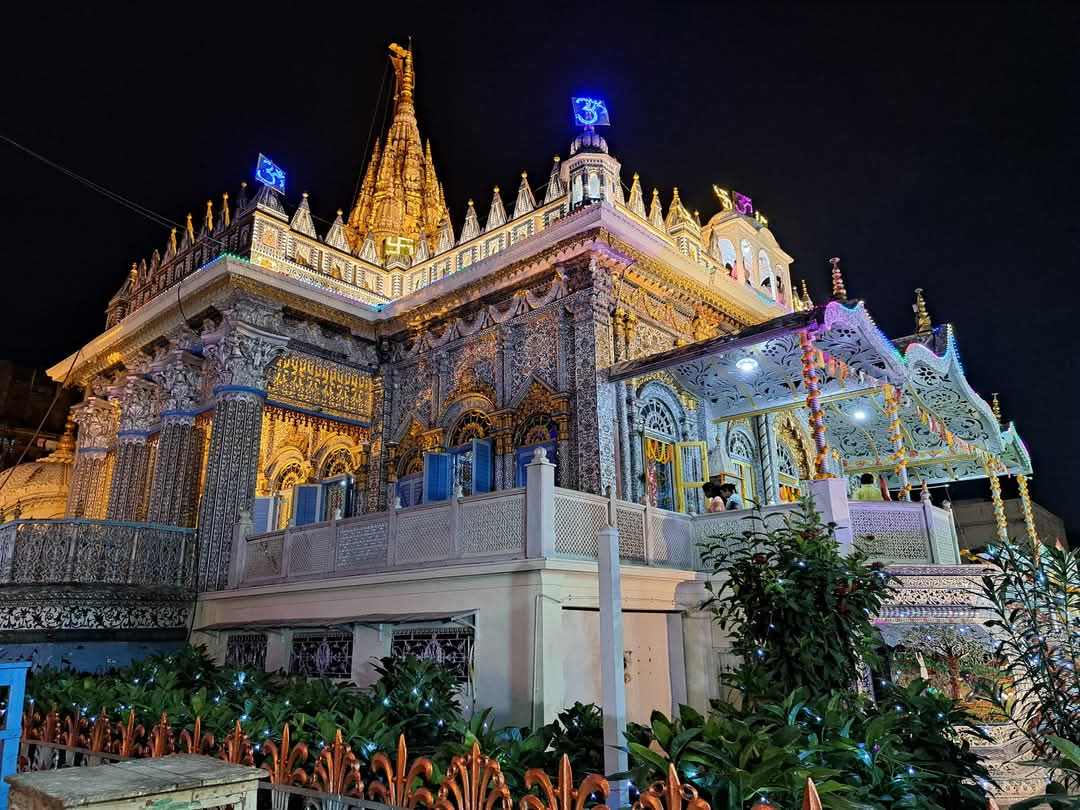
    Pareshnath Jain temple in Kolkata

    Pareshnath Jain temple in Kolkata

    Have you ever stumbled upon a hidden gem that left you breathless? 🤩 Nestled in the heart of Kolkata, the Pareshnath Jain Temple stands as a testament to architectural brilliance and spiritual devotion. This awe-inspiring sanctuary, often overlooked by tourists, holds secrets waiting to be discovered.

    Imagine walking through intricately carved marble corridors, surrounded by sparkling mirrors and vibrant mosaics. The Pareshnath Jain Temple offers not just a visual feast but a journey through time and faith. Whether you’re a history buff, an architecture enthusiast, or a spiritual seeker, this magnificent temple has something extraordinary to offer.

    Join us as we unravel the mysteries of the Pareshnath Jain Temple, from its rich history and architectural marvels to the profound spiritual experiences it offers. We’ll guide you through its sacred halls, share tips for your visit, and explore the ongoing efforts to preserve this cultural treasure. Get ready to embark on a fascinating journey through one of Kolkata’s most captivating landmarks!

    History and Significance of Pareshnath Jain Temple

    Origins and founding of the temple

    The Pareshnath Jain Temple, a jewel in Kolkata’s spiritual landscape, was established in 1867 by Ray Badridas Bahadur, a prominent Jain businessman. This magnificent temple was built to honor Parshvanatha, the 23rd Tirthankara of Jainism. The construction took place during a time of great cultural and economic growth in Kolkata, reflecting the city’s burgeoning diversity and religious tolerance.

    Importance in Jainism

    Pareshnath Temple holds immense significance for Jains worldwide. It is dedicated to Parshvanatha, revered for his teachings on non-violence and spiritual liberation. The temple serves as a crucial pilgrimage site, attracting devotees who seek blessings and spiritual enlightenment. Its intricate architecture and sacred idols embody core Jain principles, making it a center for religious study and meditation.

    Cultural significance for Kolkata

    Beyond its religious importance, Pareshnath Temple has become an integral part of Kolkata’s cultural fabric. It stands as a testament to the city’s inclusive nature, welcoming visitors of all faiths. The temple’s stunning beauty and peaceful atmosphere have made it a popular tourist attraction, contributing to Kolkata‘s reputation as a city of art and culture. Moreover, it serves as an educational hub, offering insights into Jain philosophy and traditions to curious visitors and scholars alike.

    Pareshnath Jain temple in Kolkata

    Architectural Marvels

    Unique design elements

    The Pareshnath Jain Temple in Kolkata stands out for its distinctive architectural style, blending traditional Jain elements with European influences. Its ornate facade features intricate patterns and geometric designs, creating a mesmerizing visual spectacle. The temple’s four main towers, adorned with delicate spires, rise majestically against the Kolkata skyline, making it a landmark in the city.

    Intricate carvings and sculptures

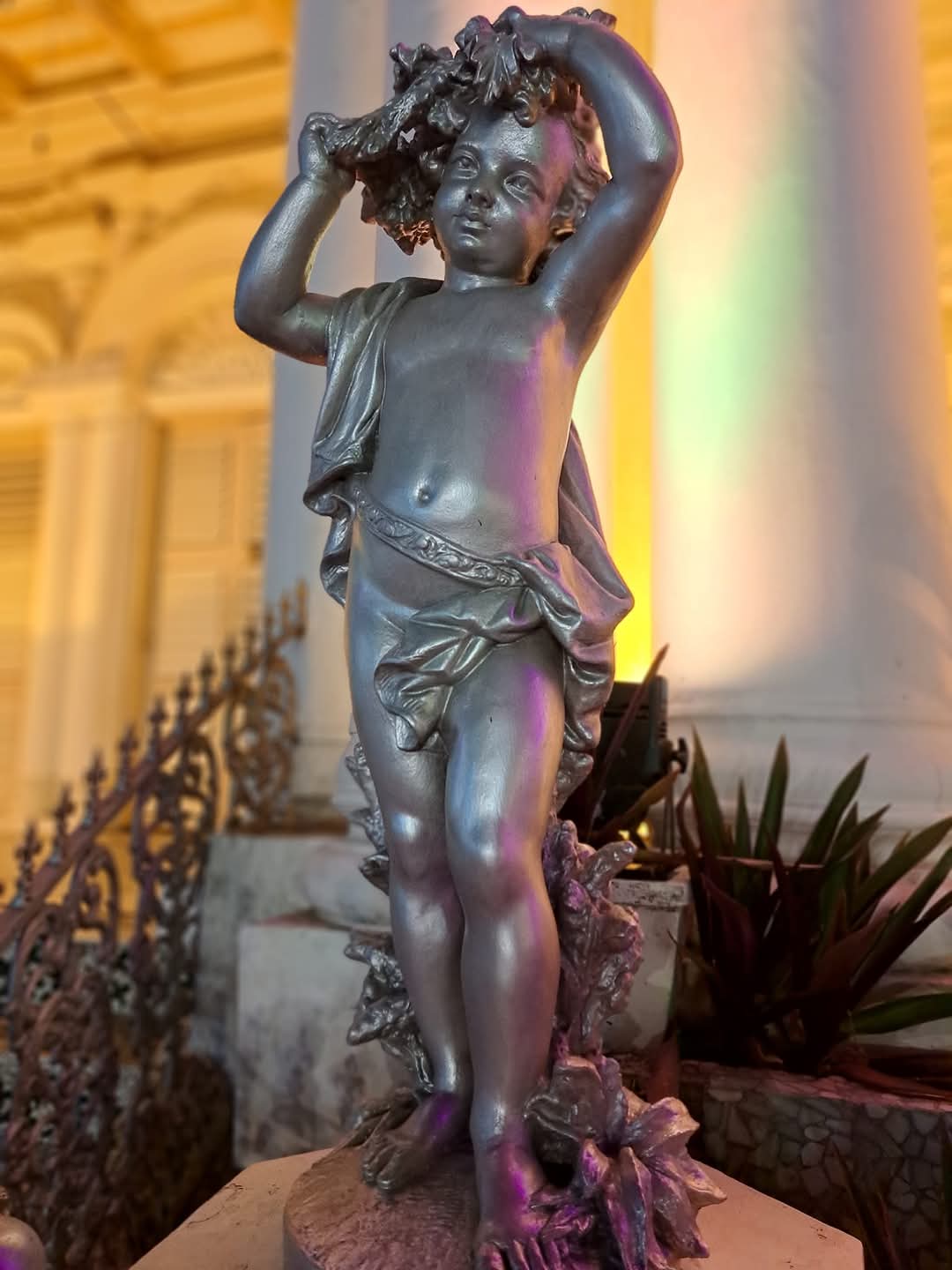
    One of the most striking features of the Pareshnath Temple is its exquisite craftsmanship. The walls and pillars are adorned with elaborate carvings depicting scenes from Jain mythology and the lives of Tirthankaras. These masterfully executed sculptures showcase the skill of the artisans and serve as a visual narrative of Jain teachings.

    Use of mirrors and glass in decoration

    A unique aspect of the Pareshnath Temple is its extensive use of mirrors and colored glass in its interior decoration. The main prayer hall, known as the “Shish Mahal” or Palace of Mirrors, features walls and ceilings covered with intricate mirror work. This creates a dazzling effect, reflecting light and amplifying the spiritual ambiance of the space.

    Comparison with other Jain temples

    While the Pareshnath Temple shares some common elements with other Jain temples, such as the presence of Tirthankara idols and symbolic motifs, its architectural style sets it apart. Unlike the more austere designs of many traditional Jain temples, the Pareshnath Temple’s opulent decor and fusion of styles make it a unique marvel in the world of Jain architecture.

    Spiritual Experience at Pareshnath

    Main deities and idols

    The Pareshnath Jain Temple in Kolkata is home to several revered deities and idols, each holding profound significance in Jain theology. The main sanctum houses a stunning idol of Pareshnath, the 23rd Tirthankara, adorned with precious gems and intricate carvings. Surrounding this central figure are numerous smaller idols of other Tirthankaras, creating a divine assemblage that inspires devotion and reverence.

    1. Rituals and ceremonies

    Daily rituals at the temple begin at dawn with the ‘abhishek’ ceremony, where the idols are bathed and adorned with fresh flowers. Throughout the day, devotees perform ‘aarti’ and offer prayers, creating a constant flow of spiritual energy. During festivals like Mahavir Jayanti and Paryushan, the temple comes alive with special ceremonies, chanting, and elaborate decorations, drawing pilgrims from across the country.

    1. Meditation spaces

    The temple complex offers serene meditation spaces where visitors can find moments of tranquility amidst the bustling city. These quiet corners, adorned with minimalist design and soft lighting, provide the perfect environment for introspection and spiritual contemplation. Many devotees and tourists alike find solace in these peaceful retreats, allowing them to connect with their inner selves.

    1. Spiritual atmosphere

    The Pareshnath Jain Temple exudes a palpable spiritual atmosphere that captivates all who enter. The air is filled with the soft chanting of mantras and the gentle ringing of bells, creating a meditative ambiance. The intricate architecture, with its symbolic carvings and motifs, serves as a visual representation of Jain philosophy, encouraging visitors to reflect on the principles of non-violence, truthfulness, and detachment. This spiritual aura makes the temple not just a place of worship, but a sanctuary for those seeking inner peace and enlightenment.

    Visitor’s Guide

    Best time to visit

    The ideal time to visit Pareshnath Jain Temple is during the cooler months from October to March. The temple opens daily from 6:00 AM to 12:00 PM and 3:00 PM to 9:00 PM, with extended hours during festivals. Early mornings offer a serene atmosphere for spiritual seekers, while evenings showcase the temple’s stunning illumination.

    Dress code and etiquette

    Visitors should dress modestly, covering shoulders and knees. Remove footwear before entering the temple premises. Maintain silence and avoid touching idols or religious artifacts. Non-Jains are welcome but should refrain from participating in rituals.

    Photography rules

    Photography is generally allowed in the temple’s exterior areas. However, it’s prohibited inside the main shrine and during ceremonies. Always seek permission before taking pictures and be respectful of worshippers.

    Nearby attractions

    After visiting Pareshnath Temple, explore other nearby attractions in Kolkata. The Indian MuseumVictoria Memorial, and Park Street are within a 3-4 km radius. The famous Kalighat Temple is about 6 km away, offering a contrasting religious experience.

    Transportation options

    The temple is easily accessible by various modes of transport. Taxis and app-based ride services are convenient options. For budget travelers, buses and metro services are available. The nearest metro station is Park Street, about 2 km away. If driving, limited parking is available near the temple entrance.

    Conservation Efforts

    Restoration projects

    The Pareshnath Jain Temple has undergone several restoration projects to maintain its architectural beauty and historical significance. Recent efforts have focused on repairing intricate carvings and reinforcing the temple’s structural integrity. Expert artisans, specializing in traditional Jain architecture, have been employed to ensure authentic restoration techniques are used.

    Preservation challenges

    Preserving the Pareshnath Jain Temple faces numerous challenges. Kolkata’s humid climate accelerates weathering of the temple’s delicate stonework and paintings. Air pollution from the bustling city also poses a threat to the temple’s exterior. Additionally, the increasing number of visitors raises concerns about wear and tear on the temple’s floors and staircases.

    Community involvement

    The local Jain community plays a crucial role in the conservation of Pareshnath Temple. They organize regular clean-up drives and fundraising events to support ongoing preservation efforts. Many community members volunteer their time to educate visitors about the temple’s importance and proper etiquette, helping to minimize damage from tourism. This active involvement ensures that the temple remains a living heritage site, continuing to serve as a place of worship while preserving its historical value for future generations.

    Now that we’ve explored the conservation efforts, let’s turn our attention to the practical aspects of visiting this magnificent temple.

    The Pareshnath Jain Temple in Kolkata stands as a testament to the rich cultural heritage and spiritual significance of Jainism in India. From its fascinating history to its awe-inspiring architecture, this sacred site offers visitors a unique glimpse into the Jain faith and its enduring legacy. The temple’s intricate designs, serene atmosphere, and spiritual offerings create an unforgettable experience for devotees and tourists alike.

    As you plan your visit to this remarkable landmark, remember to respect the sanctity of the temple and immerse yourself in its peaceful ambiance. By supporting ongoing conservation efforts, we can ensure that future generations will continue to marvel at the beauty and wisdom preserved within the walls of the Pareshnath Jain Temple. Whether you seek spiritual enlightenment or simply wish to appreciate the artistry of a bygone era, this architectural gem is sure to leave a lasting impression on all who enter its hallowed grounds.
     

  • Discover the Inspiring Legacy of Missionaries of Charity Kolkata

    Discover the Inspiring Legacy of Missionaries of Charity Kolkata

    Missionaries of Charity Kolkata: A Journey Through Mother Teresa’s Compassionate World

    Introduction

    Kolkata, a city known for its rich cultural heritage, is also home to one of the most revered institutions in the world – the Missionaries of Charity. Founded by Mother Teresa, this organization has become synonymous with compassion and selfless service. In this blog post, we’ll take you on a journey through the Missionaries of Charity Kolkata, exploring its significance, history, and the impact it continues to have on the city and the world.

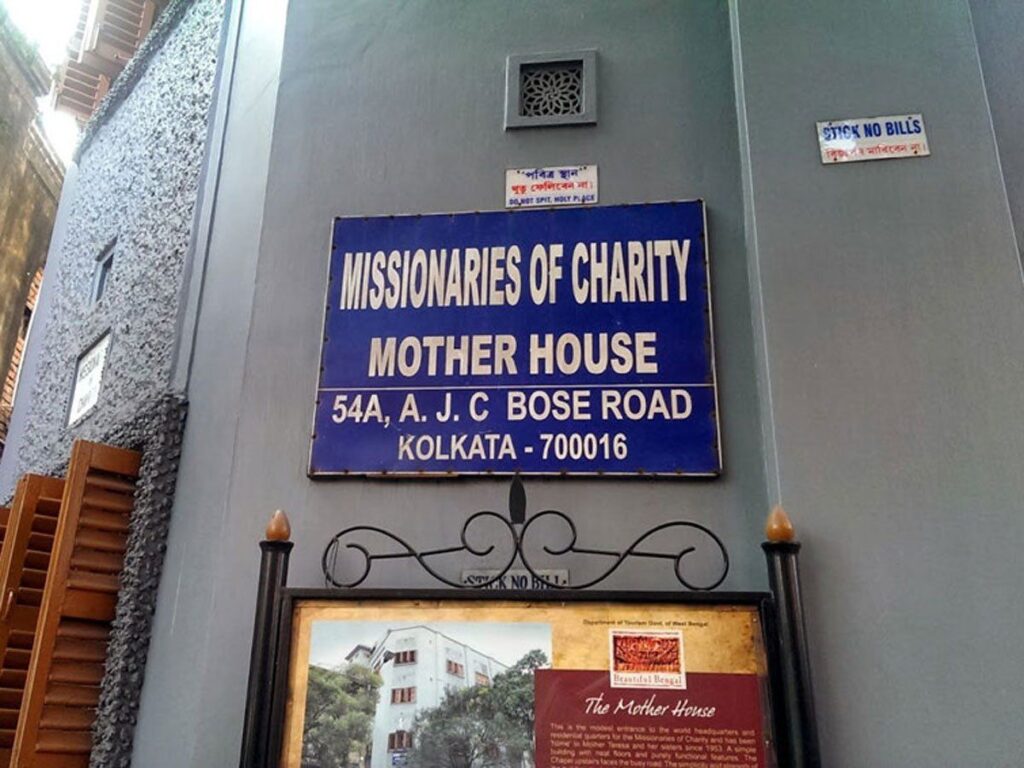
    Mother Teresa museum
    Missionaries of charities kolkata
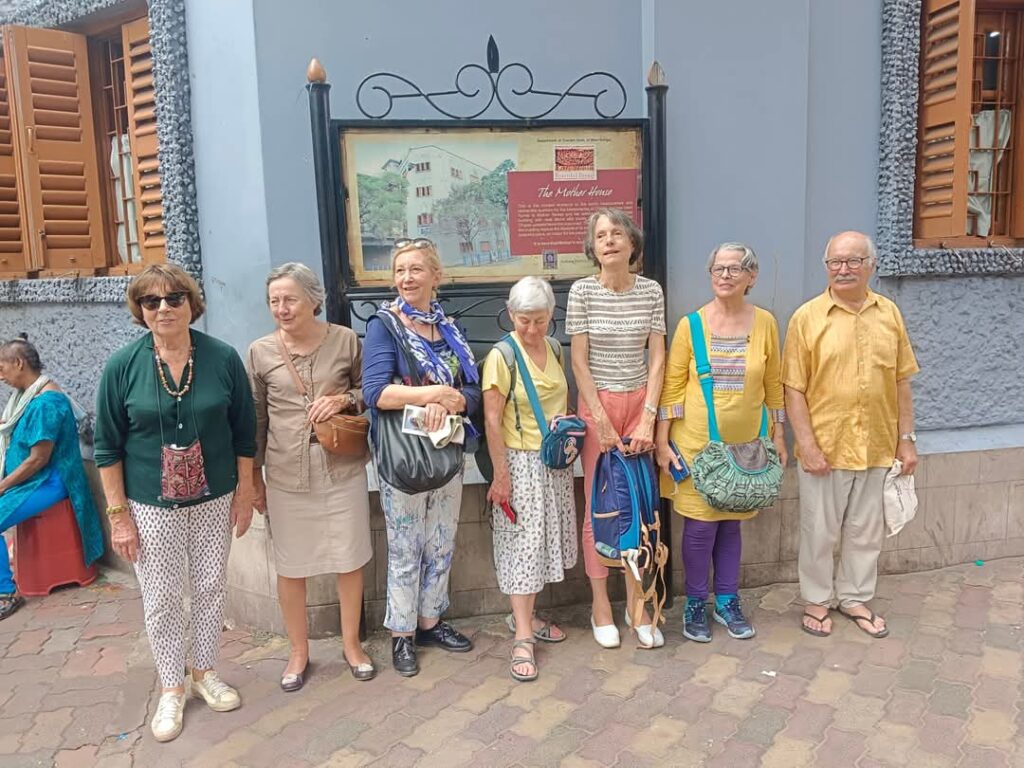
    Foreigner are Visiting-Missionaries of Charity Kolkata

    The Mother House: Heart of the Missionaries of Charity

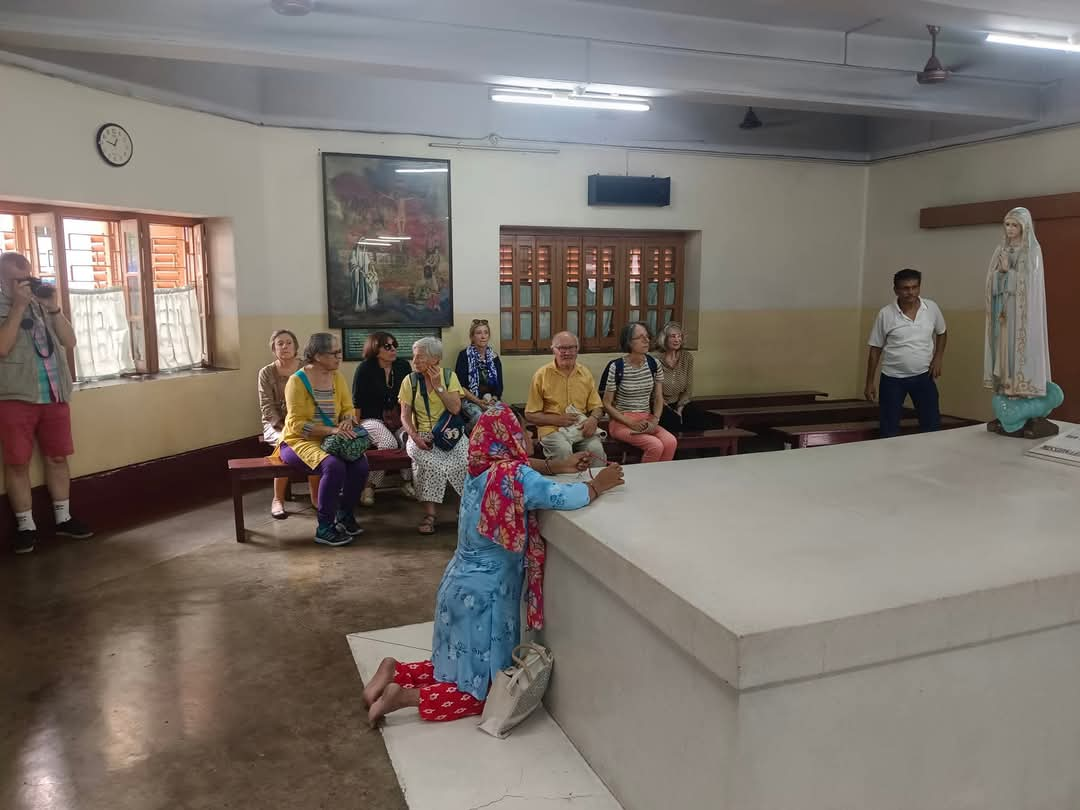
    The Mother House in Kolkata serves as the headquarters of the Missionaries of Charity and is a testament to Mother Teresa’s life and work. Located on AJC Bose Road, this humble three-story building is where Mother Teresa lived, worked, and was laid to rest.

    Key Features of the Mother House:

    • Mother Teresa’s tomb

    • Simple living quarters

    • Chapel for prayer and meditation

    • Exhibition of Mother Teresa’s personal belongings

    The Mother House is not just a place of historical significance but also a living, breathing center of hope and charity. Visitors can witness the sisters of the Missionaries of Charity going about their daily duties, providing a glimpse into the ongoing work inspired by Mother Teresa.

    Exploring the Mother Teresa Museum

    Adjacent to the Mother House is the Mother Teresa Museum, a must-visit destination for those interested in learning more about the life and work of this remarkable woman. The museum offers a comprehensive look at Mother Teresa’s journey from a young girl in Albania to a global symbol of compassion.

    Highlights of the Mother Teresa Museum:

    • Chronological display of Mother Teresa’s life

    • Artifacts and personal items

    • Audio-visual presentations

    • Quotes and teachings of Mother Teresa

    The museum provides a deeply moving experience, allowing visitors to connect with Mother Teresa’s vision and the principles that guide the Missionaries of Charity.

    Visiting Hours and Location

    To make the most of your visit to the Missionaries of Charity Kolkata, it’s important to know the visiting hours and location.

    Mother House Timing:

    • Open daily from 6:00 AM to 12:00 PM and 3:00 PM to 6:00 PM

    • Closed on Thursdays for cleaning

    Mother House Location:

    54A, AJC Bose Road, Kolkata 700016, West Bengal, India

    It’s advisable to arrive early, especially if you wish to attend the morning Mass or avoid crowds. The best time to visit is usually in the morning when the atmosphere is serene and peaceful.

    The Missionaries of Charity’s Impact on Kolkata

    The Missionaries of Charity has had a profound impact on Kolkata, transforming the city into a beacon of hope and compassion. Their work extends far beyond the walls of the Mother House, reaching into the poorest and most marginalized communities of the city.

    Key Areas of Impact:

    1. Healthcare: Providing medical care to those who cannot afford it

    2. Education: Running schools and training programs for underprivileged children

    3. Shelter: Offering homes for orphans, the elderly, and the homeless

    4. Rehabilitation: Supporting individuals with leprosy and HIV/AIDS

    The organization’s presence has not only improved the lives of countless individuals but has also inspired a culture of giving and volunteerism in Kolkata.

    Incorporating the Mother House into Your Kolkata City Tour

    A visit to the Missionaries of Charity Kolkata can be easily incorporated into a broader Kolkata city tour. Here’s a suggested itinerary:

    1. Start your day early at the Mother House

    2. Visit the nearby Indian Museum

    3. Explore the vibrant New Market area for lunch and shopping

    4. Take a stroll through the historic Park Street

    5. End your day with a peaceful boat ride on the Hooghly River

    This route allows you to experience both the spiritual and cultural aspects of Kolkata, providing a well-rounded perspective of the city.

    Other Places to See in Kolkata

    While the Missionaries of Charity is a highlight, Kolkata offers many other attractions worth exploring:

    1. Victoria Memorial: A stunning marble building dedicated to Queen Victoria

    2. Howrah Bridge: An iconic symbol of Kolkata spanning the Hooghly River

    3. Dakshineswar Kali Temple: A famous Hindu temple on the eastern bank of the Hooghly River

    4. College Street: A paradise for book lovers with numerous bookstores and colleges

    5. Marble Palace: A 19th-century mansion showcasing neoclassical architecture

    6. Sundarbans: A nearby UNESCO World Heritage Site known for its mangrove forests and Bengal tigers

    Each of these locations offers a unique glimpse into Kolkata’s rich history and diverse culture.

    Conclusion

    The Missionaries of Charity Kolkata stands as a powerful reminder of the impact one person can have on the world. A visit to this institution not only provides insight into Mother Teresa’s life and work but also offers an opportunity for personal reflection and inspiration. Whether you’re a spiritual seeker, a history enthusiast, or simply curious about one of Kolkata’s most significant landmarks, the Missionaries of Charity is an essential stop on any trip to this vibrant city.

    As you plan your visit, remember that the spirit of service and compassion that Mother Teresa embodied continues to thrive in Kolkata. By engaging with the Missionaries of Charity and the city’s many other attractions, you’ll gain a deeper understanding of Kolkata’s unique place in the world and the enduring legacy of one of its most beloved figures.

  • Unveiling the Treasures: A Journey Through the Indian Museum in Kolkata

    Unveiling the Treasures: A Journey Through the Indian Museum in Kolkata

    Unveiling the Treasures: A Journey Through the Indian Museum in Kolkata

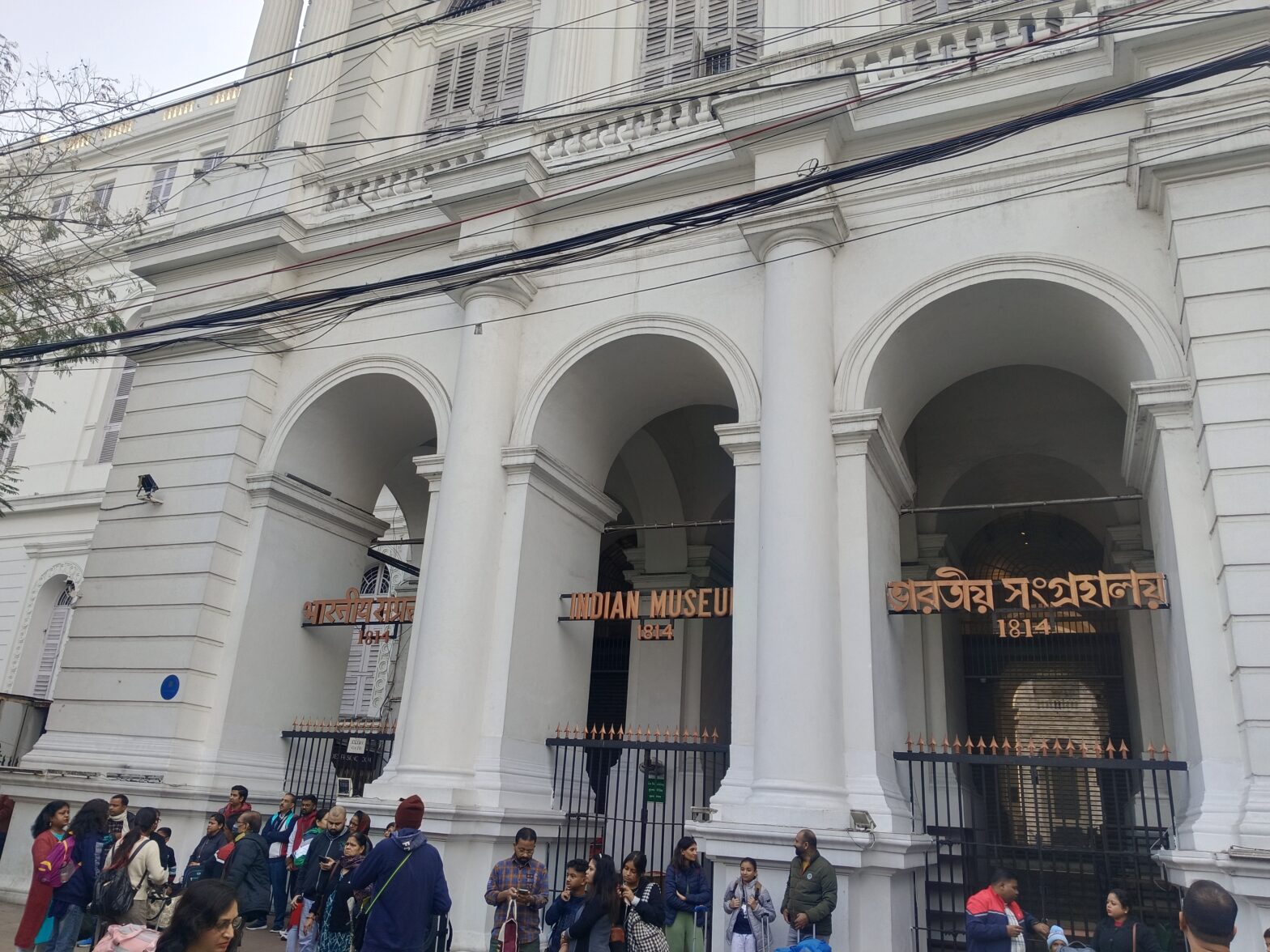
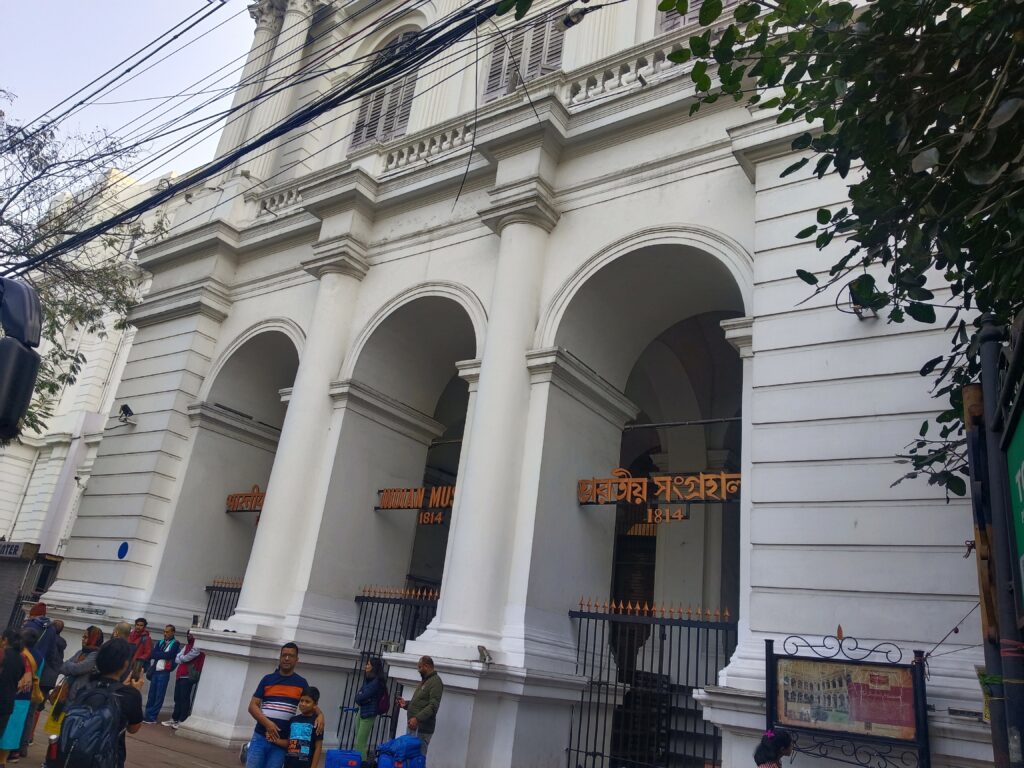
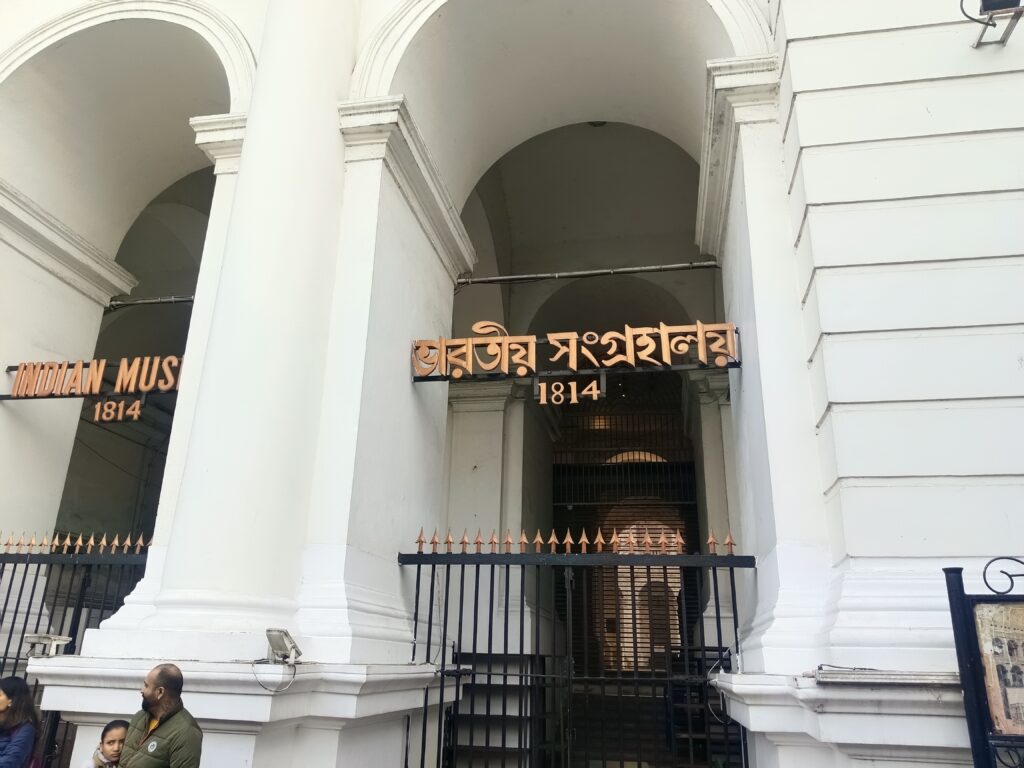
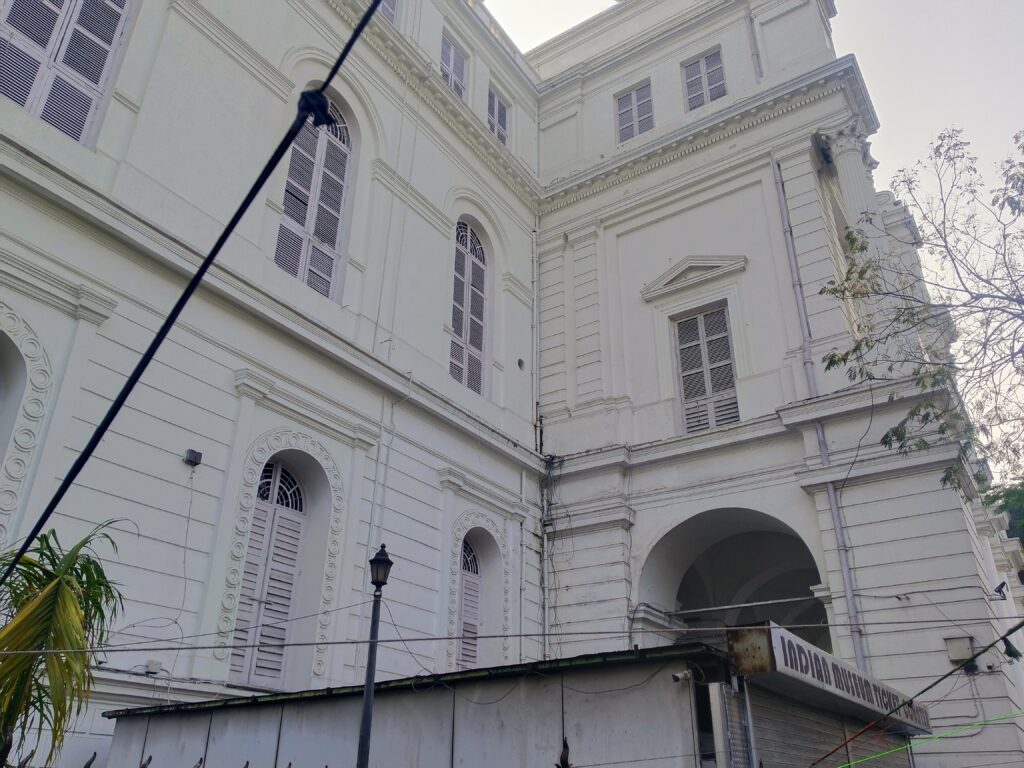
    Indian Museum in Kolkata

    Have you ever wondered what it’s like to walk through centuries of Indian history in a single day? Imagine stepping into a world where ancient artifacts whisper tales of bygone eras, and every corner reveals a new facet of India’s rich cultural tapestry. Welcome to the Indian Museum in Kolkata, a treasure trove of history that’s been captivating visitors for over two centuries!

    Founded in 1814, this architectural marvel isn’t just India’s oldest museum—it’s also the largest. But what truly sets it apart is its ability to transport you through time, from prehistoric fossils to contemporary art. Whether you’re a history buff, an art enthusiast, or simply curious about India’s diverse heritage, the Indian Museum offers an unparalleled journey through the subcontinent’s past and present.

    Ready to embark on this fascinating adventure? Join us as we explore the rich history, stunning architecture, and diverse collections that make the Indian Museum a must-visit destination. We’ll guide you through its most captivating exhibits, share tips for an unforgettable visitor experience, and help you plan your trip to this cultural gem in the heart of Kolkata

    Indian Museum in Kolkata
    Indian Museum Kolkata sightseeing
    Kolkata Indian Museum

    History and Significance

    Founding and early years

    The Indian Museum in Kolkata, established in 1814, holds the distinction of being the oldest and largest multipurpose museum in the Asia-Pacific region. Founded by Dr. Nathaniel Wallich, a Danish botanist, the museum began as a small collection housed in the Asiatic Society. Its initial focus was on natural history specimens, but it quickly expanded to include archaeological artifacts, anthropological objects, and geological samples.

    Evolution into India’s largest museum

    Over the next two centuries, the Indian Museum grew exponentially, both in size and scope. Key milestones include:

    • 1875: Relocation to its current premises on Chowringhee Road
    • 1901: Establishment of the Archaeological Survey of India gallery
    • 1960s: Addition of the Egyptian mummy exhibition

    Today, the museum boasts over 100,000 artifacts spread across 35 galleries, making it a treasure trove of human history and natural wonders.

    Cultural importance for Bengal and India

    The Indian Museum holds immense cultural significance for both Bengal and India as a whole:

    1. Preservation of heritage: It safeguards priceless artifacts from various periods of Indian history
    2. Educational resource: Serves as a vital center for research and learning
    3. Cultural identity: Reinforces Bengal’s role in India’s cultural landscape
    4. Tourism magnet: Attracts visitors from around the world, boosting local economy

    As we explore the museum’s architectural marvel in the next section, you’ll see how its physical structure complements its rich historical legacy.

    Architectural Marvel

    Neo-classical design features

    The Indian Museum in Kolkata stands as a magnificent example of neo-classical architecture. Its design features include:

    • Symmetrical layout with a grand central portico
    • Tall Corinthian columns supporting the facade
    • Triangular pediments adorning the entrance
    • Large, arched windows allowing natural light

    These elements combine to create a striking visual impact, reminiscent of ancient Greek and Roman structures.

    Impressive facade and interiors

    The museum’s exterior is as captivating as its contents. Notable features include:

    • Imposing stone steps leading to the main entrance
    • Intricate carvings and sculptures on the building’s exterior
    • Spacious, high-ceilinged galleries inside
    • Ornate moldings and decorative elements throughout

    The interiors are designed to complement the exhibits, providing a grand backdrop for the diverse collections housed within.

    Recent renovations and improvements

    In recent years, the Indian Museum has undergone significant renovations to enhance visitor experience and preserve its architectural integrity. These improvements include:

    • Restoration of the building’s original color scheme
    • Upgrades to lighting and climate control systems
    • Installation of modern display cases and information panels
    • Improved accessibility features for visitors with disabilities

    These renovations have breathed new life into the historic structure, ensuring it remains a beloved landmark in Kolkata for generations to come.

    Diverse Collections

    Archaeology exhibits

    The Indian Museum in Kolkata boasts an impressive collection of archaeological artifacts that span millennia. Visitors can explore:

    • Prehistoric tools and pottery
    • Ancient sculptures from various Indian dynasties
    • Inscriptions and coins from different historical periods
    • Relics from the Indus Valley Civilization

    These exhibits offer a fascinating glimpse into India’s rich cultural heritage.

    Art objects and paintings

    Art enthusiasts will be captivated by the museum’s diverse array of artistic treasures, including:

    • Mughal miniature paintings
    • Classical Indian sculptures
    • Decorative arts from various regions
    • Contemporary Indian artworks

    Anthropology displays

    The anthropology section showcases the cultural diversity of India and neighboring regions. Highlights include:

    • Traditional costumes and jewelry
    • Tribal artifacts and tools
    • Masks and musical instruments
    • Dioramas depicting various cultural practices

    Geology specimens

    Geology buffs will appreciate the extensive collection of:

    • Rare minerals and gemstones
    • Fossils from different geological eras
    • Meteorite samples
    • Rock formations from across India

    Zoology specimens

    The zoology section houses an impressive array of:

    • Taxidermied animals from various ecosystems
    • Skeletal remains of extinct species
    • Preserved specimens of rare and endangered animals
    • Detailed dioramas of wildlife habitats

    With such diverse collections, the Indian Museum offers a comprehensive overview of India’s natural and cultural heritage. As we explore these exhibits, we gain a deeper appreciation for the country’s rich history and biodiversity. Next, we’ll delve into some of the must-see exhibits that you shouldn’t miss during your visit to Kolkata City tour.

    Must-See Exhibits

    1. Egyptian mummy

    One of the most captivating exhibits in the Indian Museum is the Egyptian mummy, a rare treasure that draws visitors from far and wide. This well-preserved ancient artifact offers a fascinating glimpse into the intricate funerary practices of ancient Egypt. The mummy, dating back to the Ptolemaic period (305-30 BCE), is complete with its ornate sarcophagus, providing an authentic representation of Egyptian burial customs.

    1. Ashoka Pillar

    Another must-see exhibit is the Ashoka Pillar, a testament to India’s rich historical heritage. This monolithic sandstone pillar, erected by Emperor Ashoka in the 3rd century BCE, bears inscriptions of his famous edicts. The pillar’s presence in the museum offers visitors a chance to:

    • Admire the craftsmanship of ancient Indian artisans
    • Decipher the Brahmi script inscriptions
    • Learn about Ashoka’s Buddhist principles and governance
    1. Prehistoric fossils

    The museum’s collection of prehistoric fossils is a treasure trove for paleontology enthusiasts. This exhibit showcases:

    • Dinosaur fossils, including a 150-million-year-old skeleton
    • Plant fossils from various geological eras
    • Fossilized remains of ancient marine life

    These specimens provide invaluable insights into the evolution of life on the Indian subcontinent.

    1. Rare coins and manuscripts

    The numismatic and manuscript collections are equally impressive, featuring:

    • Gold coins from the Gupta period
    • Rare Mughal-era manuscripts
    • Palm leaf inscriptions from South India

    These exhibits offer a unique perspective on India’s cultural and economic history. As you explore these fascinating artifacts, you’ll gain a deeper appreciation for the vast tapestry of Indian heritage. Next, we’ll delve into the overall visitor experience at the Indian Museum.

    Visitor Experience

    Guided tours and audio guides

    Enhance your visit to the Indian Museum with expert-led guided tours or informative audio guides. These options provide in-depth insights into the museum’s vast collection and historical significance. Guided tours are available in multiple languages, offering:

    • Customized routes based on your interests
    • Engaging narratives about key exhibits
    • Answers to your questions from knowledgeable guides

    Audio guides allow for a self-paced exploration, perfect for those who prefer a more independent experience.

    Interactive displays and workshops

    Immerse yourself in India’s rich cultural heritage through:

    • Touch-screen exhibits showcasing artifact details
    • Virtual reality experiences of historical events
    • Hands-on workshops on traditional crafts and archaeology

    These interactive elements make learning enjoyable for visitors of all ages, bringing history to life in engaging ways.

    Photography policies

    While capturing memories is important, the museum has specific photography guidelines to protect its priceless artifacts:

    • Personal photography is allowed in most galleries
    • Flash photography is strictly prohibited
    • Video recording requires special permission
    • Some exhibits may have no-photo zones for preservation reasons

    Accessibility features

    The Indian Museum strives to be inclusive, offering:

    • Wheelchair ramps and elevators for easy navigation
    • Braille descriptions for select exhibits
    • Rest areas throughout the museum for comfort
    • Assistance services for visitors with special needs

    With these visitor-friendly features, the Indian Museum ensures a memorable and educational experience for all. As you plan your visit, consider how these amenities can enhance your exploration of Kolkata’s cultural treasures.

    Planning Your Visit

    1. Location and how to reach

    The Indian Museum is centrally located in Kolkata, making it easily accessible. Here are the best ways to reach the museum:

    • By Metro: The nearest metro station is Park Street, about 1 km away.
    • By Bus: Several city buses stop near the museum. Look for routes passing through Chowringhee Road.
    • By Taxi or Ride-sharing: Convenient and readily available throughout Kolkata.
    • On foot: If you’re staying in the Park Street or Esplanade area, it’s a pleasant walk.
    1. Opening hours and ticket information

    • Opening hours: Tuesday to Sunday, 10:00 AM to 5:00 PM (Closed on Mondays and national holidays)
    • Ticket prices:
      • Indian citizens: ₹20 for adults, ₹10 for children
      • Foreign visitors: ₹500 for adults, ₹250 for children
    • Photography is allowed with an additional fee
    1. Best times to visit

    • Weekday mornings for fewer crowds
    • Winter months (November to February) for comfortable weather
    • Avoid peak summer (April to June) due to high temperatures
    1. Nearby attractions

    After exploring the Indian Museum, consider visiting these nearby attractions to make the most of your Kolkata city tour:

    1. Victoria Memorial
    2. St. Paul’s Cathedral
    3. Park Street for shopping and dining
    4. Maidan, the city’s largest urban park

    These attractions can easily be combined with the Indian Museum for a comprehensive half-day or full-day Kolkata city tour. Consider booking a guided tour or hiring a car for a more structured experience of Kolkata’s top tourist places.

    The Indian Museum in Kolkata stands as a testament to India’s rich cultural heritage and historical significance. From its awe-inspiring architecture to its diverse collections spanning art, archaeology, and natural history, this institution offers visitors a captivating journey through time. The must-see exhibits, including the Egyptian mummy and rare fossils, provide unique insights into various civilizations and the natural world.

    As you plan your visit to this remarkable institution, remember that the Indian Museum is more than just a collection of artifacts; it’s a gateway to understanding India’s past and its place in global history. Whether you’re a history enthusiast, art lover, or curious traveler, the museum promises an enriching experience that will leave you with a deeper appreciation for India’s cultural tapestry. Don’t miss the opportunity to explore this treasure trove of knowledge and wonder in the heart of Kolkata.


  • Victoria Memorial: A Symbol of Kolkata’s Rich History”

    Victoria Memorial: A Symbol of Kolkata’s Rich History”

    The Victoria Memorial: Kolkata’s Marble Marvel and Historical Treasure

    Opening Hours: 10:00 AM – 6:00 PMThe galleries are closed on Mondays and specified National Holidays, including:Republic Day, Holi (Dol Yatra), Eid al-Fitr, Independence Day, Mahatma Gandhi’s Birthday, Dussehra (Vijay Dashami), and Christmas Day.


    Museum Galleries Ticket Prices:

    • Indian Citizens – Rs. 50 per person

    • Citizens from SAARC Countries – Rs. 100 per person(Applicable to nationals from Afghanistan, Bangladesh, Bhutan, Maldives, Nepal, Pakistan, and Sri Lanka upon presentation of Passport)

    • Citizens from all other nations – Rs. 500 per person

    Free Entry for:

    • School students up to Class XII in uniform and with School ID

    • Differently-abled individuals with a U.D.I.D Card

    • Armed forces personnel and their spouses and children upon display of ID Cards

    • Members of the Para-Military forces, WB Police, Kolkata Police and their immediate family members, along with retirees of these services.

    Know More About Victoria 

    The Victoria Memorial stands as a magnificent testament to Kolkata’s rich history, blending architectural grandeur with cultural significance. Built in the early 20th century, this iconic monument was conceived as a tribute to Queen Victoria, the Empress of India. Its purpose was to honor her memory and serve as a museum and public garden for the people of Calcutta (now Kolkata).

    Brief history and purpose of the monument

    The idea for the Victoria Memorial was born shortly after Queen Victoria’s death in 1901. Lord Curzon, the then Viceroy of India, proposed the creation of a grand building that would serve as a fitting tribute to the Queen’s long reign. The memorial was designed to be more than just a monument; it was envisioned as a place where people could learn about India’s history and enjoy the beauty of art and nature.

    Architectural significance

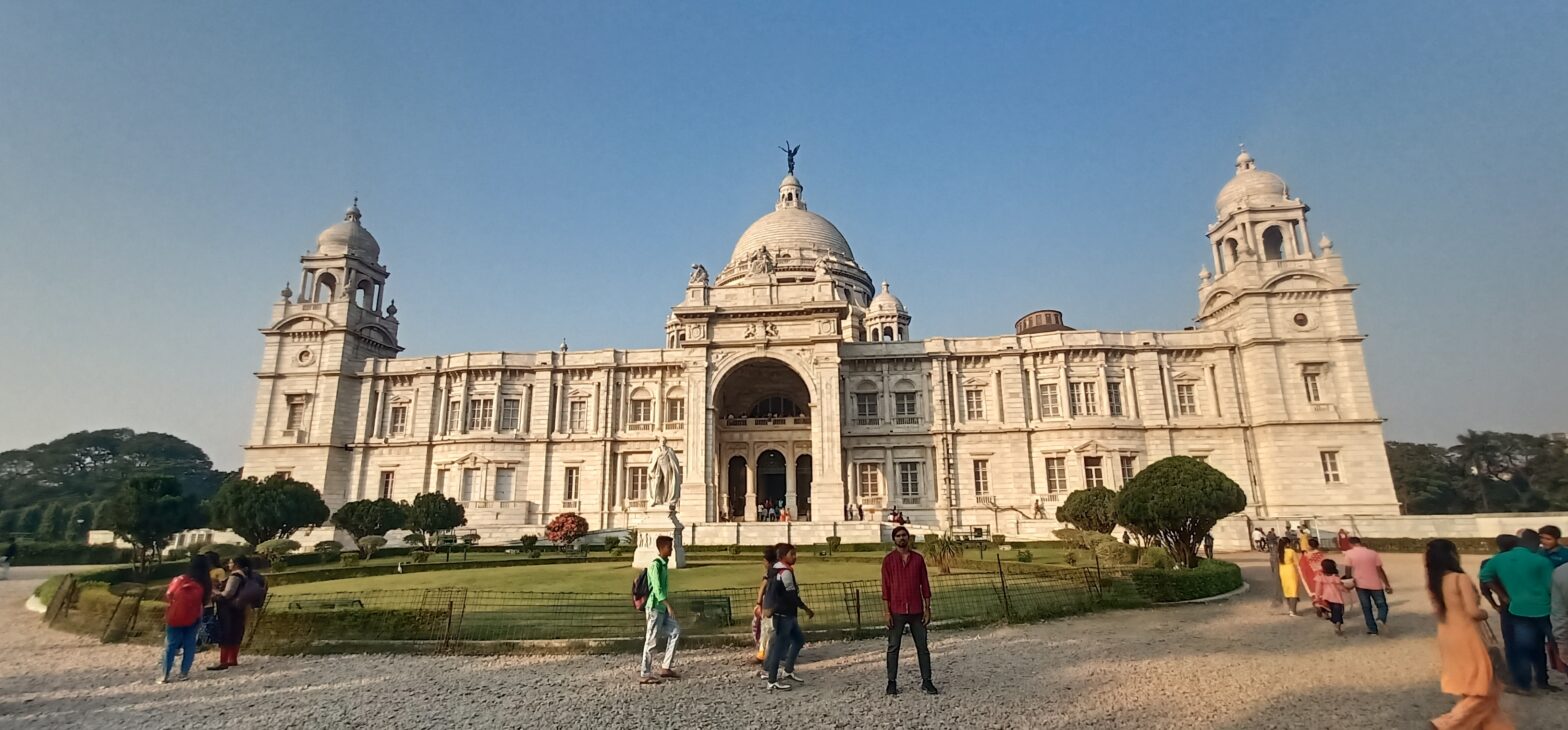
    The Victoria Memorial is a stunning example of Indo-Saracenic revivalist architecture, a style that blends elements of British, Mughal, and other Indian architectural traditions. Its white marble facade, intricate carvings, and majestic dome make it one of the most recognizable landmarks in Kolkata. The building’s design reflects the fusion of cultures that characterized the British Raj era.

    Location and surrounding gardens

    Situated at the heart of Kolkata, the Victoria Memorial is located on the Maidan, a vast urban park. The memorial is surrounded by 64 acres of lush gardens, featuring manicured lawns, vibrant flowerbeds, and serene water bodies. This green oasis in the bustling city provides a perfect setting for the magnificent marble structure, creating a harmonious blend of natural beauty and architectural splendor.

    Outside picture of Victoria memorial
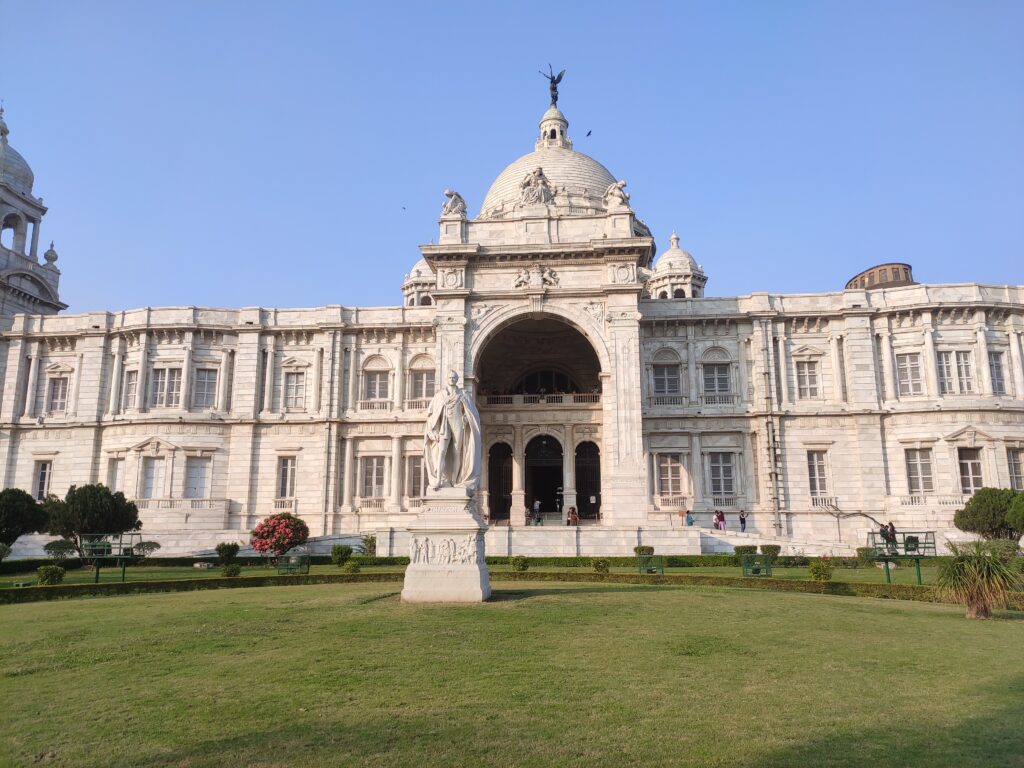
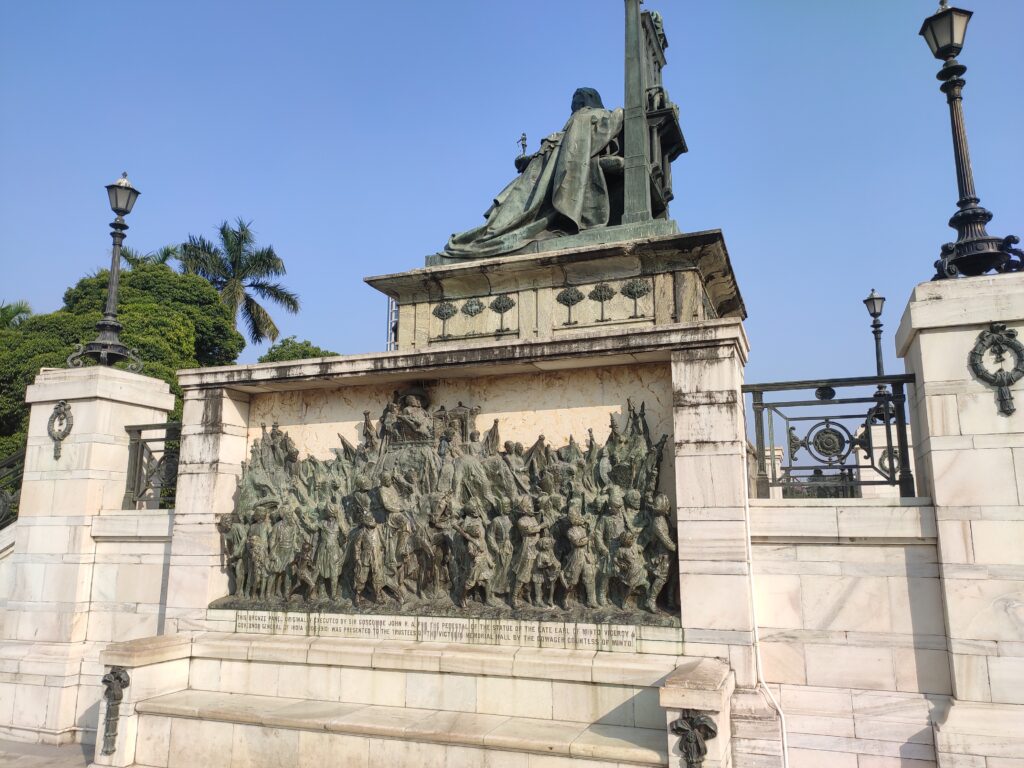
    Bronze statue of Queen Victoria at Victoria Memorial Kolkata

    The Construction of the Victoria Memorial

    Conception and planning

    The conception of the Victoria Memorial was a result of Lord Curzon’s vision to create a grand monument that would rival the Taj Mahal. The project was officially announced in 1901, and a design competition was held to select the architect. William Emerson, a prominent British architect, won the competition with his design that incorporated elements from various architectural styles.

    Materials and techniques used

    The primary material used in the construction of the Victoria Memorial was white Makrana marble, the same type used in the Taj Mahal. This high-quality marble was brought from Rajasthan, giving the building its distinctive gleaming white appearance. The construction involved a combination of traditional Indian craftsmanship and modern British engineering techniques, ensuring both aesthetic beauty and structural integrity.

    Timeline of construction

    The foundation stone for the Victoria Memorial was laid in 1906 by the Prince of Wales (later King George V). Construction progressed over the next 15 years, facing challenges such as World War I and the need for meticulous craftsmanship. The memorial was finally opened to the public in 1921, although some finishing touches continued for a few more years.

    Architectural Features and Design

    Exterior elements and decorations

    The exterior of the Victoria Memorial is a feast for the eyes. The building’s façade is adorned with intricate sculptures, including allegorical figures representing art, architecture, justice, and charity. The corners of the building feature impressive towers, while the central dome rises majestically, crowned with a bronze figure of the Angel of Victory.

    Interior layout and galleries

    Inside, the memorial houses several galleries spread across two floors. The central hall, known as the Queen’s Hall, features a statue of Queen Victoria seated on her throne. Other galleries showcase paintings, sculptures, and historical artifacts related to the British Raj and Indian history. The interior design maintains a balance between grandeur and functionality, providing ample space for exhibitions and visitor movement.

    Dome and other structural highlights

    The most striking feature of the Victoria Memorial is its central dome, which rises to a height of 184 feet. The dome is supported by a complex system of arches and beams, demonstrating the advanced engineering techniques of the early 20th century. Other notable structural elements include the colonnaded verandahs, ornate balustrades, and the grand staircase leading to the main entrance.

    Art and Artifacts within the Memorial

    Notable paintings and sculptures

    The Victoria Memorial houses an impressive collection of art, including paintings by prominent British and Indian artists. Some notable works include portraits of Indian rulers, scenes from Indian mythology, and landscapes depicting various parts of India. The sculpture collection features works by both British and Indian artists, with themes ranging from historical figures to allegorical representations.

    Historical documents and memorabilia

    The memorial’s archives contain a wealth of historical documents, including letters, official records, and rare manuscripts from the British Raj period. These provide valuable insights into the administrative, social, and cultural aspects of colonial India. Personal items belonging to Queen Victoria and other historical figures are also on display, offering visitors a tangible connection to the past.

    Rotating exhibits and collections

    To keep the visitor experience fresh and engaging, the Victoria Memorial regularly hosts temporary exhibitions. These often focus on specific aspects of Indian history, art, or culture, bringing in artifacts and artworks from other museums and private collections. This dynamic approach ensures that even repeat visitors can discover something new with each visit.

    The Victoria Memorial in Modern Times

    Conservation efforts and challenges

    Maintaining the Victoria Memorial in its original splendor is an ongoing challenge. The white marble is particularly susceptible to environmental pollution, necessitating regular cleaning and restoration work. Conservation efforts also focus on preserving the delicate artifacts and artworks within the museum, balancing the need for preservation with public access.

    Tourist attraction and visitor experience

    Today, the Victoria Memorial is one of Kolkata’s top tourist attractions, drawing visitors from all over the world. The museum offers guided tours, audio guides, and informative displays to enhance the visitor experience. The surrounding gardens provide a peaceful retreat for both tourists and locals, especially during the cooler hours of the day.

    Cultural events and activities hosted

    The Victoria Memorial is not just a static monument but a living cultural center. It regularly hosts events such as art exhibitions, music concerts, and literary festivals. These activities help to keep the memorial relevant to contemporary society while honoring its historical significance.

    Historical Significance and Cultural ImpactRepresReprentation of the British Raj era

    The Victoria Memorial stands as a symbol of the complex relationship between Britain and India during the colonial period. While it was built to honor a British monarch, it also showcases the skill of Indian craftsmen and the fusion of architectural styles that characterized the Raj era.

    Role in preserving Indian history

    Beyond its connection to British rule, the Victoria Memorial plays a crucial role in preserving and presenting Indian history. Its galleries and archives offer valuable resources for researchers and history enthusiasts, helping to keep alive the stories and experiences of past generations.

    Influence on Kolkata’s identity

    The Victoria Memorial has become an integral part of Kolkata’s identity. Its image is often used to represent the city in various media, and it features prominently in the city’s tourism campaigns. For many Kolkatans, the memorial is a source of pride, representing their city’s rich cultural heritage and historical importance.

    The Gardens and Surrounding Area

    Landscaping and design

    The gardens surrounding the Victoria Memorial were designed to complement the grandeur of the building. They feature a mix of formal landscaping and more natural areas, with wide pathways, ornamental water bodies, and strategically placed statues and monuments.

    Flora and fauna

    The gardens are home to a diverse array of plant species, including both native and exotic varieties. Towering trees provide shade, while flowerbeds add splashes of color throughout the year. The gardens also attract various bird species, making it a popular spot for birdwatchers.

    Recreational facilities

    In addition to being a place for quiet contemplation, the gardens offer various recreational facilities. There are designated areas for picnics, jogging paths, and open spaces where people can engage in activities like yoga or outdoor games. The gardens thus serve as a vital green space in the heart of the bustling city.

    The Victoria Memorial, with its stunning architecture and rich historical significance, continues to captivate visitors and stand as a symbol of Kolkata’s past and present. It not only preserves the city’s colonial history but also celebrates India’s cultural heritage, making it a must-visit destination for anyone exploring Kolkata.

  • Everything You Need to Know About Gangasagar Mela

    Everything You Need to Know About Gangasagar Mela

    Everything You Need to Know About Gangasagar Mela

    Visit Gangasar tour from Kolkata

    Dive into the spiritual essence of Gangasagar Mela. Discover ancient traditions, vibrant cultures, and transformative experiences at India’s holiest pilgrimage

     Book Now: +91 8902495917,  8910339427

    Planning a tour? Get in touch with us.

    Have you ever dreamed of immersing yourself in a centuries-old spiritual tradition that attracts millions of devotees from across India? Look no further than the Gangasagar Mela, one of the largest and most significant religious gatherings in the world. This awe-inspiring event, held annually at the confluence of the Ganges River and the Bay of Bengal, is a testament to India’s rich cultural heritage and unwavering faith.

    Imagine standing on the shores of Sagar Island, surrounded by a sea of pilgrims, as the air fills with the sound of chanting and the scent of incense. The Gangasagar Mela offers a unique opportunity to witness age-old rituals, experience spiritual enlightenment, and connect with fellow seekers from all walks of life. But with such a massive gathering, proper preparation and knowledge are key to making the most of this once-in-a-lifetime experience.

    In this comprehensive guide, we’ll take you through everything you need to know about the Gangasagar Mela. From understanding its historical significance to practical tips for a memorable visit, we’ve got you covered. So, let’s embark on this spiritual journey together and discover the wonders of Gangasagar Mela!

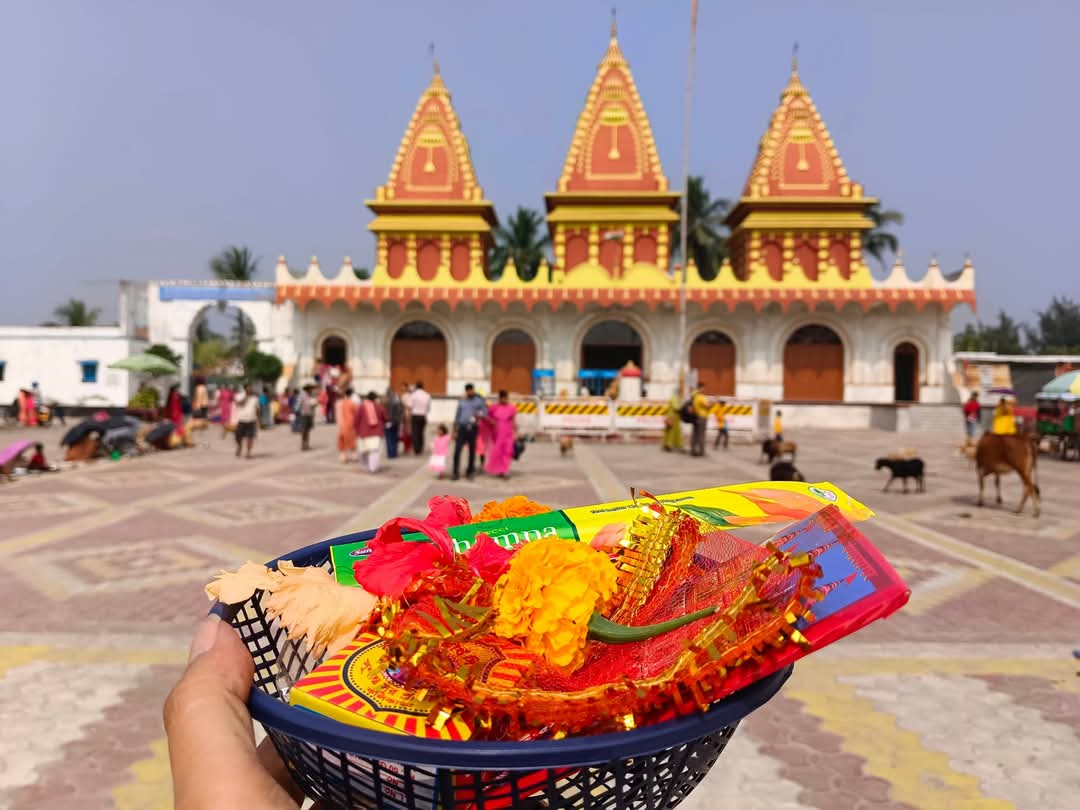
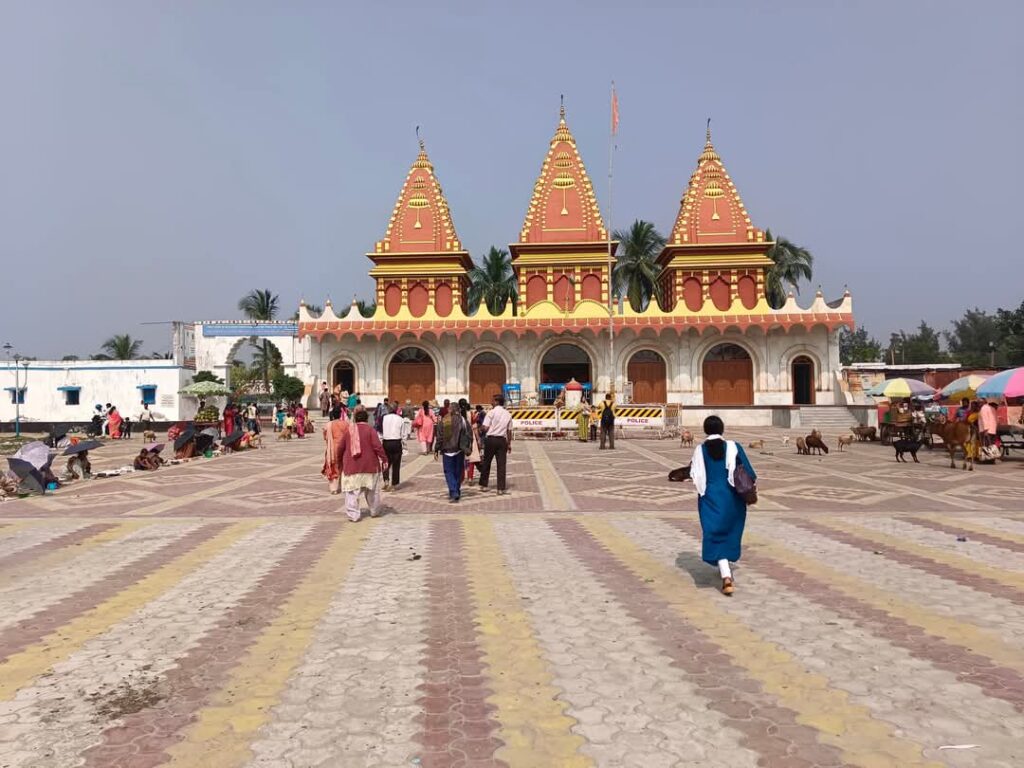
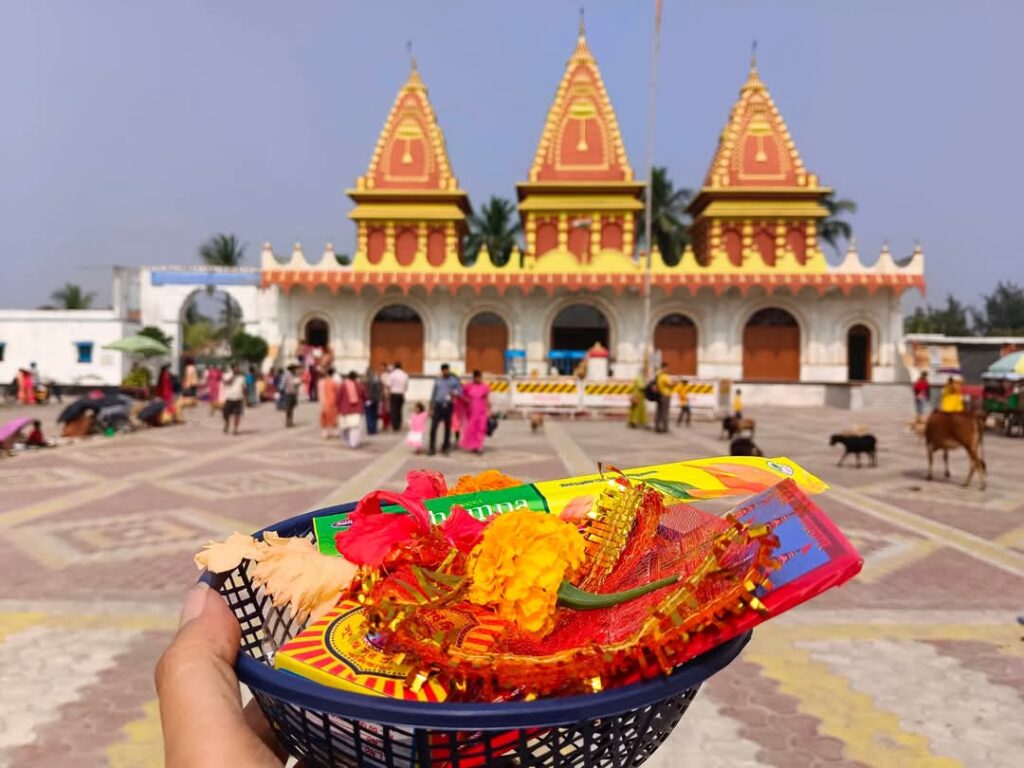
    Outside View of Kapilmuni temple at Gangasagar
    Pujo at Gangasagar Ashram

    Understanding Gangasagar Mela

    Origin and historical significance

    The Gangasagar Mela, one of India’s largest religious gatherings, has its roots deeply embedded in Hindu mythology. This ancient festival commemorates the legend of Sage Kapila, whose ashes are believed to have been immersed at the confluence of the Ganges River and the Bay of Bengal. The mela’s origins can be traced back centuries, with historical records mentioning its observance as early as the medieval period.

    Religious importance

    For devout Hindus, the Gangasagar Mela holds immense spiritual significance. Pilgrims believe that taking a holy dip at the Gangasagar during this auspicious time cleanses them of sins and brings salvation. The festival is particularly revered for:

    • Offering prayers to the Sun God

    • Performing rituals for ancestors

    • Seeking blessings for prosperity and well-being

    • Commemorating the descent of the Ganges River to Earth

    Geographical location

    The Gangasagar Mela takes place at Sagar Island, located at the southern tip of West Bengal. It is only a few Kilometer from Kolkata.  This unique geographical setting offers:

    • The confluence of the Ganges River and the Bay of Bengal

    • A picturesque landscape with sandy beaches and coconut groves

    • The famous Kapil Muni Temple, a key attraction for pilgrims

    Duration and timing of the festival

    The Gangasagar Mela typically spans several days, with the main festivities centered around Makar Sankranti, a harvest festival celebrated in mid-January. Key points about the timing include:

    • The mela usually begins in early January

    • Peak attendance occurs on Makar Sankranti day

    • Rituals and celebrations continue for a few days after the main event

    Now that we’ve explored the fundamental aspects of Gangasagar Mela, let’s delve into how you can prepare for this extraordinary spiritual journey.

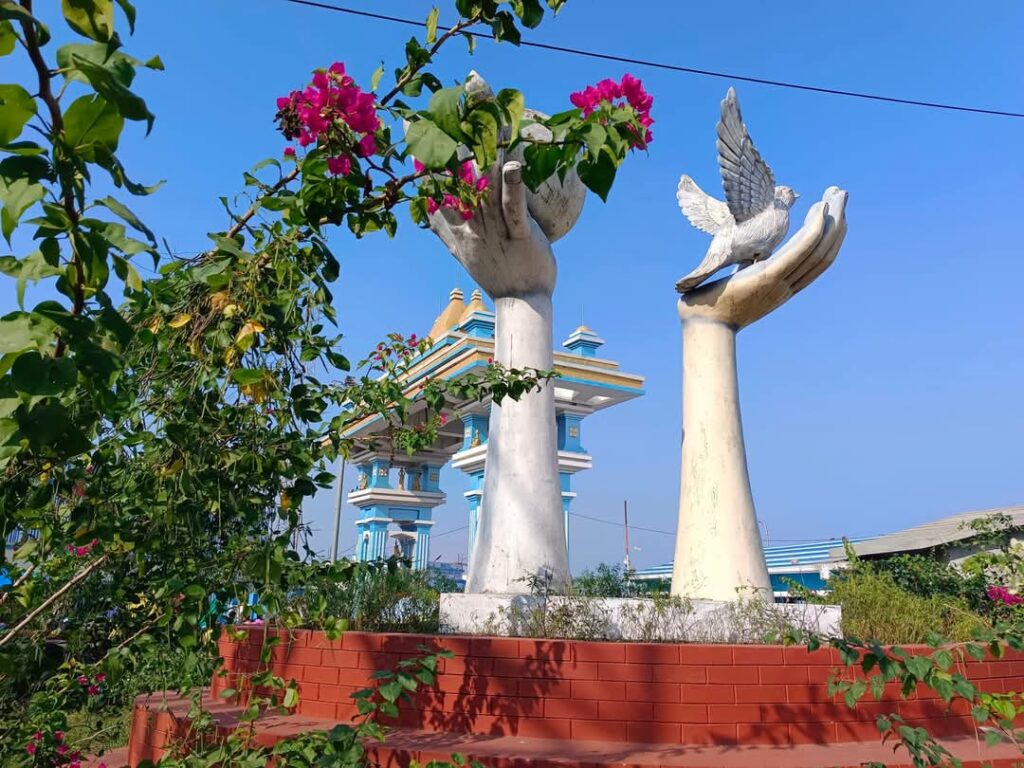
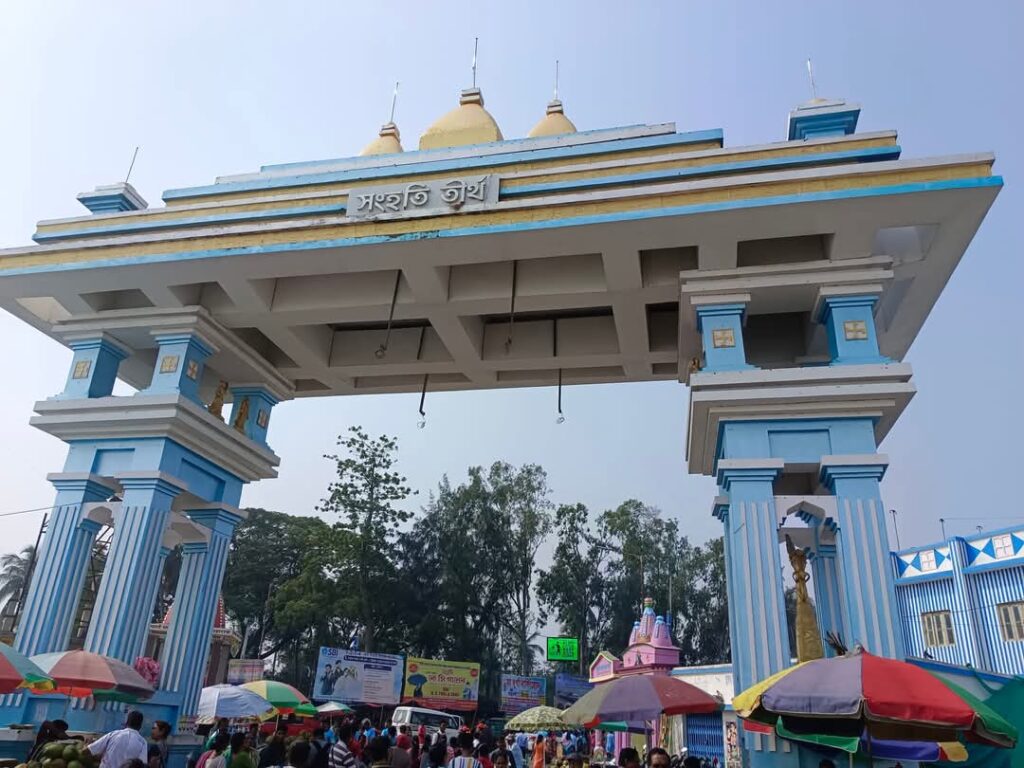
    Entry gate of Gangasagar Island
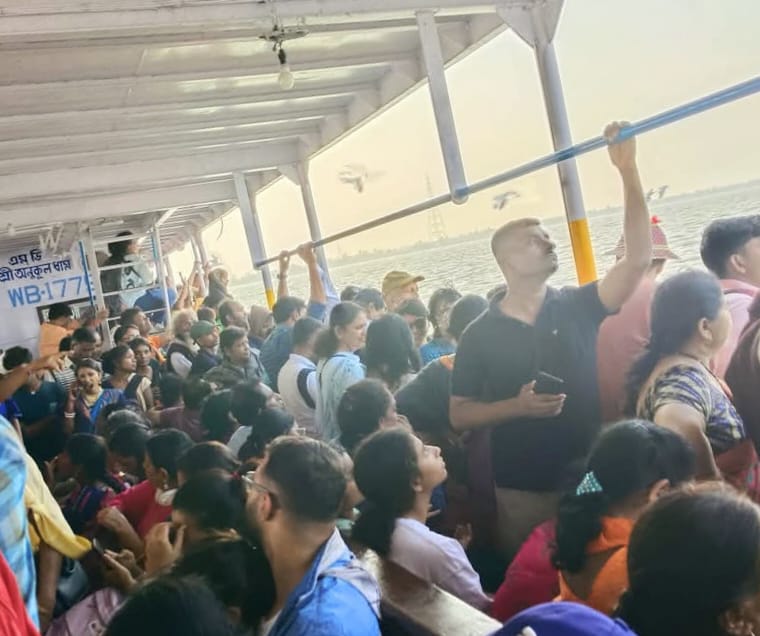
    River Crossing by Vessel in Gangasagar

    Preparing for Your Gangasagar Mela Visit

    Best time to attend

    The ideal time to attend Gangasagar Mela is during the Makar Sankranti festival, which typically falls in mid-January. This is when the pilgrimage reaches its peak, with millions of devotees gathering to take a holy dip at the confluence of the Ganges and the Bay of Bengal. However, if you prefer a less crowded experience, consider visiting a few days before or after the main event.

    Transportation options

    Several transportation options are available to reach Gangasagar:

    • From Kolkata, take a train or bus to Kakdwip or Namkhana

    • From there, board a ferry to Kachuberia on Sagar Island

    • Local buses or shared taxis are available from Kachuberia to the mela grounds

    For a more convenient journey, consider booking a Kolkata to Gangasagar tour package, which often includes transportation, accommodation, and guided experiences.

    Accommodation choices

    Accommodation options during Gangasagar Mela include:

    1. Government-run camps

    2. Private tents and dormitories

    3. Ashrams and dharamshalas

    4. Homestays in nearby villages

    Book your accommodation well in advance, as options fill up quickly during the mela period.

    Essential items to pack

    When preparing for your Gangasagar tour, pack the following essentials:

    • Warm clothing (for January weather)

    • Comfortable walking shoes

    • Toiletries and personal medications

    • Mosquito repellent

    • Bottled water and snacks

    • Cash (ATMs may be limited)

    • Power bank for your devices

    Health and safety precautions

    To ensure a safe and healthy experience during your Gangasagar Mela visit:

    • Stay hydrated and carry safe drinking water

    • Be cautious of crowded areas and keep your belongings secure

    • Follow local guidelines and instructions from authorities

    • Carry basic first-aid supplies and any personal medications

    • Be aware of weather conditions and dress appropriately

    Now that you’re prepared for your Gangasagar Mela visit, let’s explore the key rituals and activities you can expect to experience during this sacred event.

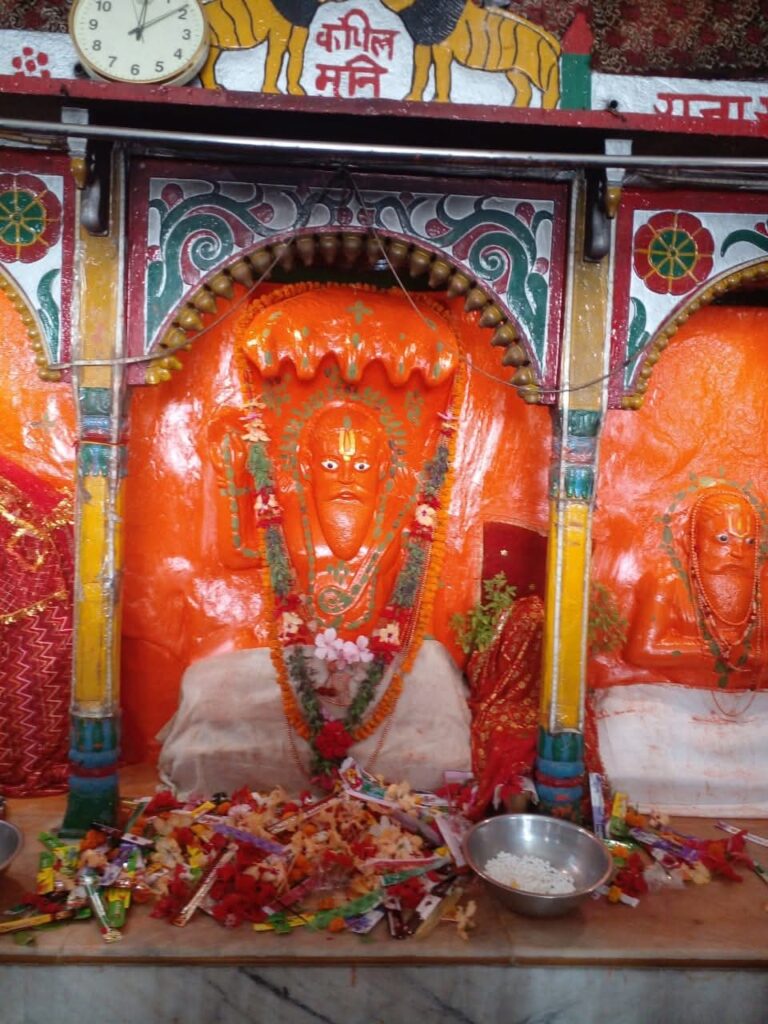
    Kapil Muni Ashram at Gangasagar

    Key Rituals and Activities

    Holy dip in the Ganges

    The holy dip in the Ganges is the cornerstone of the Gangasagar Mela experience. Pilgrims believe that bathing at the confluence of the Ganges and the Bay of Bengal washes away sins and brings spiritual purification. This sacred ritual typically takes place at dawn, with thousands of devotees entering the water simultaneously. To ensure a safe and meaningful experience:

    • Arrive early to secure a spot

    • Bring a change of clothes

    • Be mindful of currents and follow safety guidelines

    • Respect the solemnity of the moment

    Worshipping at Kapil Muni Temple

    After the holy dip, many pilgrims visit the Kapil Muni Temple, dedicated to the sage believed to have brought the Ganges to earth. This ancient temple is a focal point of devotion during the Mela. Key aspects of worship include:

    1. Offering prayers and flowers

    2. Receiving blessings from priests

    3. Participating in group chants and hymns

    Attending Aarti ceremonies

    The Aarti ceremonies at Gangasagar Mela are spectacular displays of devotion and light. These rituals, performed at dusk, involve the offering of fire to deities. Attendees can:

    • Witness the mesmerizing sight of thousands of lamps

    • Join in the singing of devotional songs

    • Purchase and float their own lamps on the water

    Exploring nearby attractions

    While the spiritual activities are central, the Mela also offers opportunities to explore the surrounding area. Some noteworthy attractions include:

    • Sagar Lighthouse: Offering panoramic views of the area

    • Bharat Sevashram Sangha: A spiritual center with a museum

    • Local markets: Showcasing traditional Bengali crafts and cuisine

    Now that you’re familiar with the key rituals and activities, let’s delve into the rich cultural experiences that await you at Gangasagar Mela.

    Seagull during Gangasagar river crossing
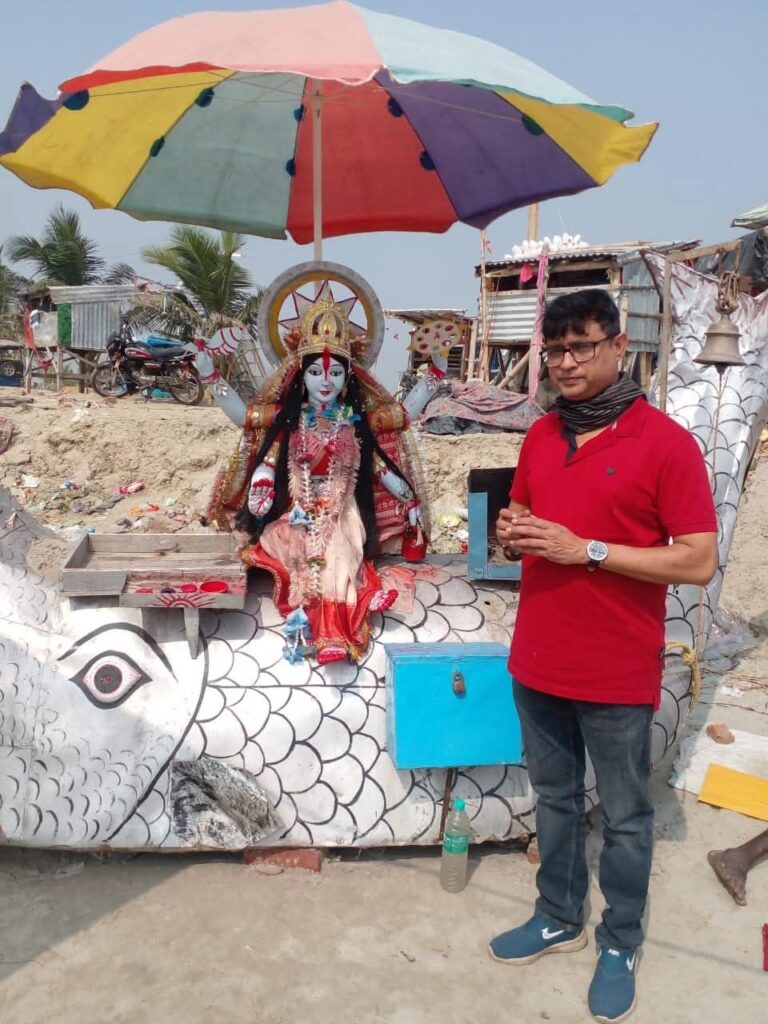
    Idol of Maa Ganga at Gangasagar

    Cultural Experiences at Gangasagar Mela

    Traditional performances and music

    The Gangasagar Mela offers a vibrant tapestry of cultural experiences, with traditional performances and music taking center stage. Visitors can immerse themselves in the rich heritage of Bengal through:

    • Folk dance performances like Chhau and Baul

    • Devotional music sessions featuring Bengali spiritual songs

    • Street theater showcasing local legends and mythological tales

    These performances not only entertain but also provide insight into the region’s cultural fabric.

    Local cuisine and delicacies

    No cultural experience is complete without savoring the local flavors. At Gangasagar Mela, food enthusiasts can indulge in:

    • Fresh seafood dishes unique to the coastal region

    • Traditional Bengali sweets like rosogolla and sandesh

    • Hearty vegetarian meals served at community kitchens

    These culinary delights offer a taste of authentic Bengali cuisine, adding another layer to the Gangasagar experience.

    Handicraft exhibitions

    The mela showcases the craftsmanship of local artisans through various handicraft exhibitions. Visitors can explore and purchase:

    • Intricately designed terracotta items

    • Handwoven textiles like Kantha and Baluchari sarees

    • Traditional jewelry and ornaments

    These exhibitions not only provide shopping opportunities but also help preserve and promote local art forms.

    Interaction with sadhus and pilgrims

    One of the most enriching aspects of Gangasagar Mela is the opportunity to interact with sadhus and fellow pilgrims. This interaction allows visitors to:

    • Gain spiritual insights from ascetics and holy men

    • Share experiences with pilgrims from various parts of India

    • Participate in group prayers and meditation sessions

    These encounters foster a sense of community and spiritual growth, making the Gangasagar Mela a truly transformative experience.

    Practical Tips for a Memorable Gangasagar Mela Experience

    Now that we’ve explored the cultural experiences at Gangasagar Mela, let’s focus on practical tips to ensure you have a memorable and respectful visit.

    Navigating the crowds

    Gangasagar Mela attracts millions of pilgrims, so be prepared for large crowds. To make your experience smoother:

    • Plan your movements during off-peak hours

    • Stay close to your group and establish meeting points

    • Consider hiring a local guide to help navigate the area

    Photography guidelines

    While capturing memories is important, remember to be respectful:

    • Always ask permission before photographing individuals

    • Avoid using flash photography during rituals

    • Be mindful of restricted areas where photography may be prohibited

    Respecting local customs and etiquette

    To ensure a positive experience for everyone:

    • Dress modestly, covering shoulders and knees

    • Remove shoes before entering temples

    • Avoid public displays of affection

    Managing your budget

    To make the most of your Gangasagar tour package:

    • Carry sufficient cash, as ATMs may be limited

    • Negotiate prices for services and souvenirs

    • Consider pre-booking accommodation to avoid inflated prices

    Eco-friendly practices during the festival

    Help preserve the beauty of Gangasagar by:

    • Using biodegradable materials for offerings

    • Disposing of waste responsibly in designated areas

    • Opting for reusable water bottles to reduce plastic waste

    By following these tips, you’ll not only enhance your Gangasagar Mela experience but also contribute positively to the event and local community.

    Gate of Ganga Sagar
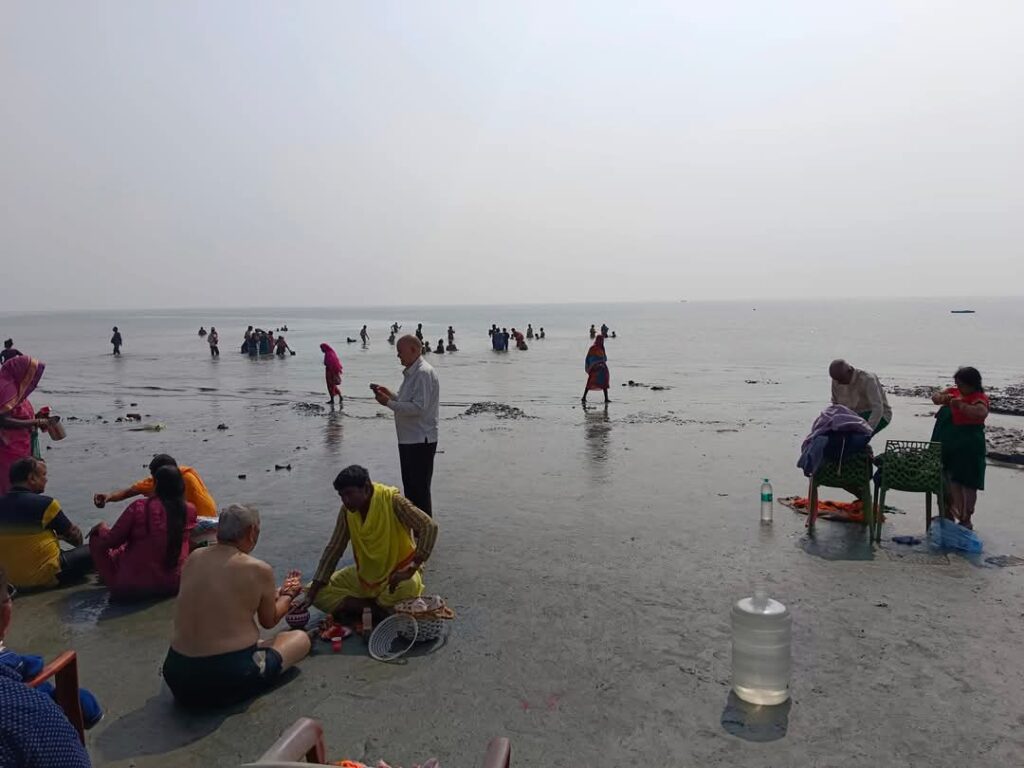
    Sea Beach at Gangasagar

    Conclusion

    Gangasagar Mela stands as a testament to India’s rich spiritual heritage, offering pilgrims and visitors alike a profound and transformative experience. From its historical significance to the vibrant rituals and cultural activities, this annual gathering at the confluence of the Ganges and the Bay of Bengal is a celebration of faith, tradition, and human connection.

    As you prepare for your journey to Gangasagar Mela, remember to plan ahead, respect local customs, and embrace the unique atmosphere of this sacred event. Whether you’re drawn by religious devotion or cultural curiosity, the Gangasagar Mela promises an unforgettable adventure that will leave you with a deeper appreciation for India’s spiritual tapestry and the enduring power of communal celebration.

  • Affordable Bhutan Tour Packages from Chennai: Explore the Kingdom on a Budget

    Affordable Bhutan Tour Packages from Chennai: Explore the Kingdom on a Budget

    Affordable Bhutan Tour Packages from Chennai: Explore the Kingdom on a Budget

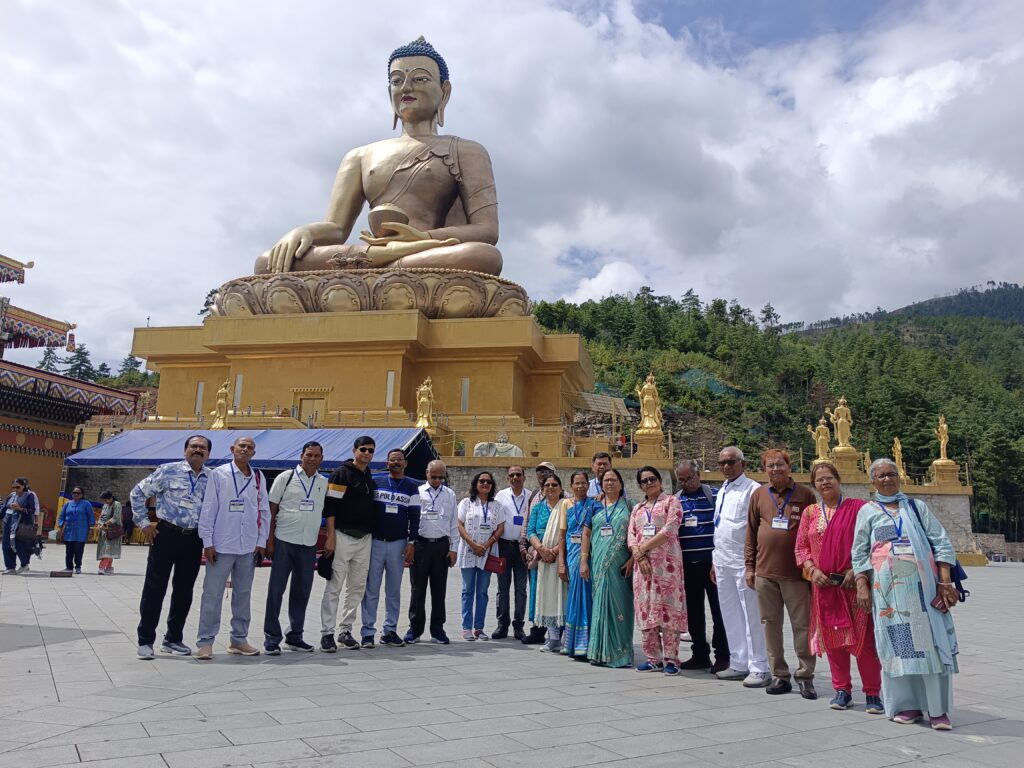
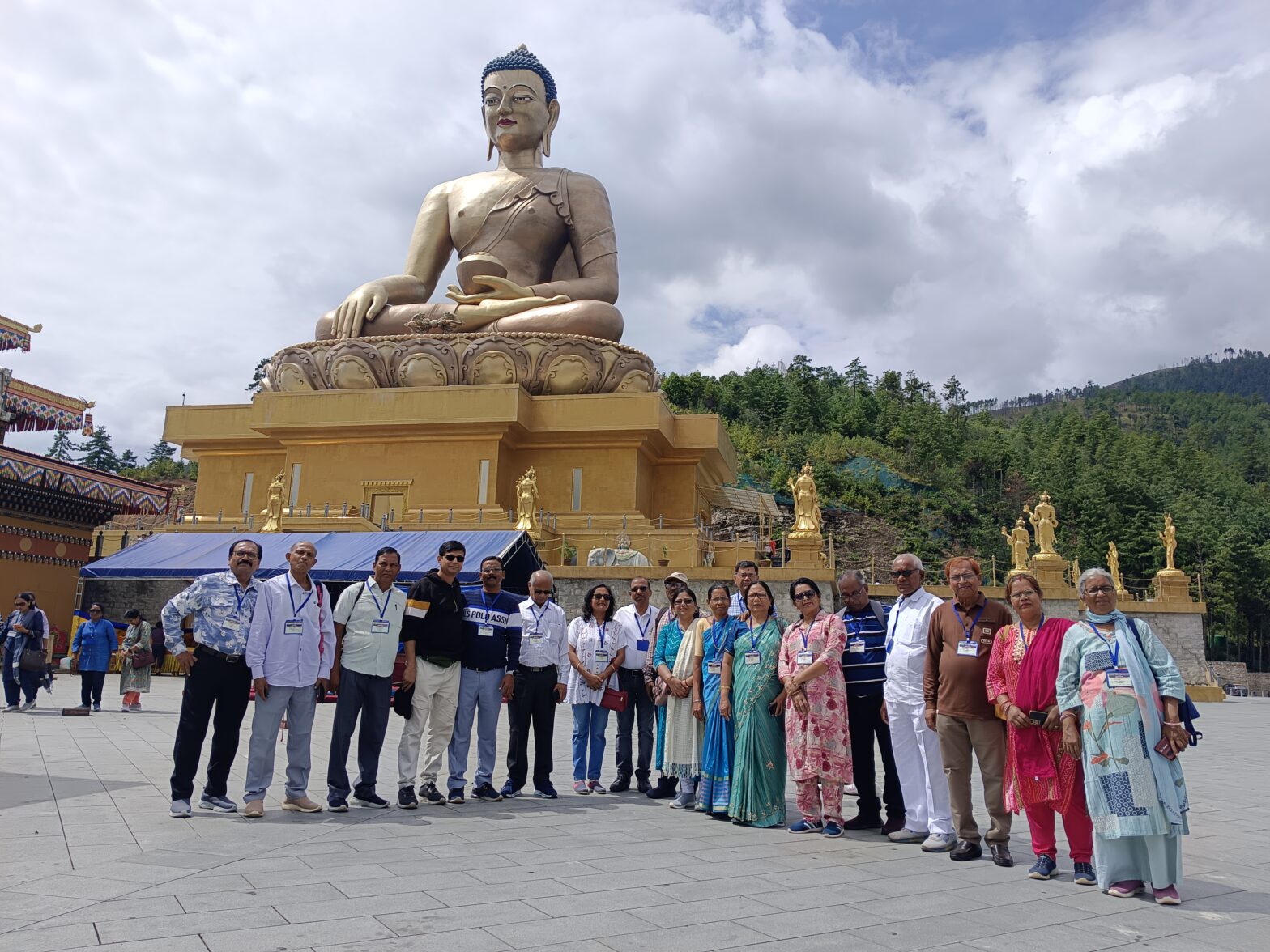
    Tourist are standing at Buddha Dordenma at Thimphu, Bhutan

    Have you ever dreamed of exploring the mystical Kingdom of Bhutan, but worried about the cost?  You’re not alone! Many travelers from Chennai hesitate to embark on this incredible journey, assuming it’s beyond their budget. But what if we told you that affordable Bhutan tour packages are not only possible but can offer an unforgettable experience?


    Imagine trekking through lush Himalayan forests, visiting ancient monasteries perched on cliffsides, and immersing yourself in a culture that measures progress by Gross National Happiness. Now picture doing all this without breaking the bank!  In this blog post, we’ll unveil the secrets to exploring Bhutan on a budget, from cost-effective travel options departing from Chennai to money-saving tips that will make your dream trip a reality.


    Get ready to discover how you can experience the magic of Bhutan without emptying your wallet. We’ll guide you through affordable accommodation choices, economical dining experiences, and free attractions that will leave you in awe. So, pack your curiosity and join us as we uncover the hidden gems of budget-friendly travel in the Land of the Thunder Dragon! 

    Buddhist Lama in Bhutan
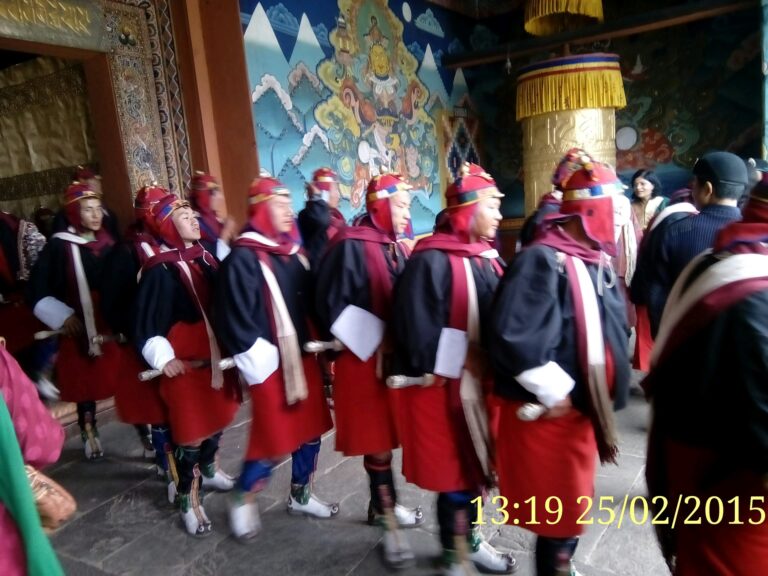
    Punakga Tsechu solders

    Understanding Bhutan’s Unique Appeal

    Cultural richness and traditions

    Bhutan’s unique appeal lies in its rich cultural heritage and vibrant traditions. The Kingdom is a treasure trove of ancient Buddhist monasteries, colorful festivals, and intricate art forms. Visitors can immerse themselves in:

    • Dzongs: Magnificent fortress-monasteries that serve as religious and administrative centers

    • Tsechus: Vibrant annual festivals featuring masked dances and religious ceremonies

    • Traditional arts: Exquisite textiles, intricate paintings, and wood carvings

    The Bhutanese people’s commitment to preserving their cultural identity is evident in their daily lives, from the national dress to their architectural styles.

    Pristine natural landscapes

    Bhutan’s breathtaking natural beauty is a major draw for travelers. The country boasts:

    • Lush forests covering over 70% of its land

    • Pristine rivers and glacial lakes

    • Diverse wildlife, including rare species like the Bengal tiger and snow leopard

    • Spectacular Himalayan peaks, including the unclimbed Gangkhar Puensum

    The government’s commitment to environmental conservation ensures that these landscapes remain untouched, offering visitors a glimpse of nature at its purest.

    Gross National Happiness concept

    Bhutan’s unique development philosophy prioritizes the well-being of its citizens over economic growth. This concept, known as Gross National Happiness (GNH), focuses on:

    1. Sustainable development

    2. Cultural preservation

    3. Environmental conservation

    4. Good governance

    Visitors can witness firsthand how this approach shapes Bhutanese society, creating a harmonious balance between progress and tradition.

    Limited tourism policy

    Bhutan’s “High Value, Low Impact” tourism policy ensures a sustainable and authentic travel experience. This approach includes:

    • A daily tourist fee that covers accommodation, meals, and guide services

    • Restrictions on the number of visitors allowed annually

    • Requirement for all tourists to book through licensed tour operators

    This policy not only preserves Bhutan’s unique culture and environment but also guarantees travelers an exclusive and meaningful experience. As we explore budget-friendly travel options from Chennai, keep in mind that these policies contribute to Bhutan’s allure while also influencing travel costs.

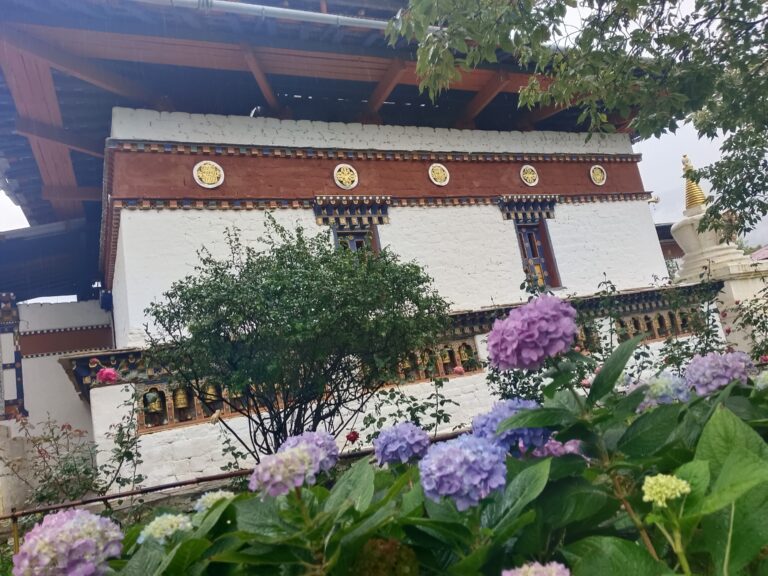
    Couple standing in front of Monastery in Bhutan

    Budget-Friendly Travel Options from Chennai

    Best time to visit for affordable rates

    To maximize your budget when planning a Bhutan tour from Chennai, timing is crucial. The shoulder seasons of March-April and September-November offer the best balance of pleasant weather and affordable rates. During these months, you can enjoy:

    • Lower hotel prices

    • Fewer crowds at popular attractions

    • Comfortable temperatures for outdoor activities

    • Vibrant festivals and cultural events

    Avoid peak seasons (October and April-May) when prices surge due to high demand.

    Direct flight options and costs

    While there are no direct flights from Chennai to Bhutan, you can opt for convenient connecting flights:

    1. Chennai to Kolkata (CCU)

    2. Kolkata to Paro (PBH)

    Airlines operating these routes include:

    • Druk Air (Royal Bhutan Airlines)

    • Bhutan Airlines

    Expect to pay around ₹20,000 to ₹30,000 for a round trip, depending on the season and how far in advance you book.

    Visa requirements and fees

    Obtaining a visa for Bhutan is straightforward:

    1. Apply through a licensed Bhutanese tour operator

    2. Pay the daily tourist fee of $250 (low season) or $290 (high season)

    3. Receive your visa clearance letter

    4. Get your visa stamped upon arrival in Bhutan

    The tourist fee covers accommodation, meals, transportation, and guide services, making it an all-inclusive option for budget-conscious travelers.

    Currency exchange tips

    To get the best value for your money:

    • Exchange Indian Rupees (INR) for Bhutanese Ngultrum (BTN) upon arrival

    • Use ATMs in major towns for withdrawals

    • Carry some cash, as not all establishments accept cards

    • Avoid exchanging large amounts at airports due to less favorable rates

    Now that you’re equipped with these budget-friendly travel options, let’s explore affordable accommodation choices for your Bhutanese adventure.

    Travel trips for bhutan tour

    Affordable Accommodation Choices

    Budget-friendly hotels in Thimphu

    Thimphu, Bhutan’s capital, offers several wallet-friendly accommodation options for travelers on a budget. Here are some top picks:

    1. Hotel Galingkha: Centrally located with comfortable rooms and stunning mountain views.

    2. Hotel Phuntsho Pelri: Offers clean, basic rooms and excellent value for money.

    3. Jigme Dorji Hotel: Known for its friendly staff and proximity to local attractions.

    These hotels provide essential amenities without breaking the bank, allowing you to allocate more of your budget to experiences.

    Guesthouses and homestays in Paro

    For a more authentic experience in Paro, consider these affordable options:

    • Ugyen’s Home: A family-run guesthouse offering warm hospitality and home-cooked meals.

    • Sonam Trophel Guest House: Provides comfortable rooms with traditional Bhutanese decor.

    • Tashi Namgay Resort: A slightly pricier option but still budget-friendly, offering a mix of modern amenities and traditional charm.

    Monastery stays for cultural immersion

    For a unique and budget-friendly experience, consider staying at a monastery:

    1. Phajoding Monastery: Offers basic accommodation with breathtaking views.

    2. Tango Monastery: Provides a serene environment for meditation and reflection.

    These stays not only save money but also offer an unparalleled insight into Bhutanese Buddhist culture.

    Camping options for nature lovers

    For outdoor enthusiasts, camping is an excellent way to experience Bhutan’s natural beauty while keeping costs low. Popular camping areas include:

    • Phobjikha Valley: Known for its stunning landscapes and black-necked cranes.

    • Bumthang: Offers diverse camping experiences amidst picturesque valleys.

    Many tour operators provide camping equipment, making it an accessible option for budget travelers.


    Now that we’ve covered affordable accommodation choices, let’s explore cost-effective transportation options within Bhutan to further maximize your budget.

    Cost-Effective Transportation within Bhutan

    Shared tour vehicles

    When exploring Bhutan on a budget, shared tour vehicles are an excellent option for cost-effective transportation. Many tour operators offer group packages that include shared transportation, allowing you to split the cost with fellow travelers. These vehicles are typically comfortable and well-maintained, ensuring a pleasant journey through Bhutan’s scenic landscapes.

    Public bus services

    For the more adventurous and budget-conscious traveler, Bhutan’s public bus services provide an authentic local experience at a fraction of the cost. While not as luxurious as private transport, buses connect major towns and offer a chance to interact with locals. Here are some key points to remember:

    • Bus schedules can be irregular, so plan accordingly

    • Tickets are affordable but should be purchased in advance

    • Longer journeys may require multiple stops

    Bicycle rentals in major towns

    Cycling is an eco-friendly and budget-friendly way to explore Bhutan’s towns and nearby attractions. Many guesthouses and tour operators offer bicycle rentals at reasonable rates. This option allows you to:

    • Explore at your own pace

    • Access off-the-beaten-path locations

    • Immerse yourself in the local surroundings

    Hiking and trekking as budget-friendly alternatives

    For nature enthusiasts and adventure seekers, hiking and trekking present cost-effective ways to experience Bhutan’s stunning landscapes. Many trails are accessible without guides, though some require permits. This option not only saves money but also allows for a deeper connection with Bhutan’s natural beauty and cultural heritage.


    Now that we’ve covered transportation options, let’s explore economical dining experiences in Bhutan to further stretch your budget.

    sunrise from Paro bhutan

    Economical Dining Experiences

    Local eateries and street food

    Immerse yourself in Bhutan’s culinary culture without breaking the bank by exploring local eateries and street food. These budget-friendly options not only save money but also offer an authentic taste of Bhutanese cuisine. Here are some affordable dining experiences to try:

    • Momos: These popular dumplings are a staple street food, often filled with cheese, vegetables, or meat.

    • Thukpa: A hearty noodle soup perfect for chilly evenings.

    • Ema Datshi: The national dish of Bhutan, a spicy mix of chili peppers and cheese.

    Vegetarian options for lower costs

    Opting for vegetarian meals can significantly reduce your food expenses in Bhutan. Many traditional Bhutanese dishes are naturally vegetarian, making it easy to find affordable and delicious options:

    • Red rice with vegetable curry

    • Kewa Datshi: A potato and cheese dish

    • Shamu Datshi: Mushrooms cooked with cheese and spices

    Monastery meals and community feasts

    For a unique and budget-friendly dining experience, consider participating in monastery meals or community feasts. These events often allow visitors to enjoy traditional Bhutanese cuisine while immersing themselves in local culture. Some monasteries offer simple meals to visitors, which can be a cost-effective way to dine while supporting the local community.

    Self-catering possibilities

    To further cut costs, consider self-catering options when possible. Many guesthouses and budget accommodations offer basic kitchen facilities. Visit local markets to purchase fresh ingredients and prepare simple meals. This approach not only saves money but also provides an opportunity to interact with locals and learn about Bhutanese ingredients.

    Free and Low-Cost Attractions

    Hiking trails and nature walks

    Bhutan’s breathtaking landscapes offer numerous free hiking trails and nature walks, perfect for budget-conscious travelers. The country’s pristine forests and mountains provide ample opportunities to explore without spending a dime. Some popular trails include:

    • Taktshang Monastery (Tiger’s Nest) hike

    • Punakha Suspension Bridge walk

    • Dochula Pass nature trail

    • Phobjikha Valley trek

    These trails not only offer stunning views but also a chance to immerse yourself in Bhutan’s natural beauty and spot local wildlife.

    Local markets and craft centers

    Exploring local markets and craft centers is an excellent way to experience Bhutanese culture without breaking the bank. These vibrant hubs showcase traditional crafts, textiles, and local products. Don’t miss:

    • Weekend Market in Thimphu

    • Centenary Farmers Market

    • Crafts Bazaar in Paro

    • National Handicrafts Emporium

    Browsing these markets is free, and you can pick up affordable souvenirs if desired.

    Religious festivals and events

    Bhutan’s colorful religious festivals, known as Tshechus, are free to attend and offer a unique cultural experience. These events feature traditional dances, music, and rituals. Some notable festivals include:

    • Paro Tshechu (spring)

    • Thimphu Tshechu (autumn)

    • Punakha Drubchen and Tshechu (winter)

    Plan your trip around these festivals to maximize your cultural immersion without additional costs.

    Museums with nominal entry fees

    Bhutan’s museums offer rich insights into the country’s history and culture at minimal costs. Some must-visit museums include:

    • National Museum of Bhutan in Paro

    • Folk Heritage Museum in Thimphu

    • Textile Museum in Thimphu

    • Royal Textile Academy

    These museums charge nominal entry fees, typically ranging from 50-150 Ngultrum (less than $2-3 USD), making them excellent budget-friendly attractions.


    Now that we’ve explored the free and low-cost attractions in Bhutan, let’s move on to some money-saving travel tips to help you make the most of your budget-friendly trip.

    Money-Saving Travel Tips

    Group tour benefits

    Joining a group tour can significantly reduce your Bhutan trip costs. Here are some advantages:

    • Shared transportation expenses

    • Discounted group rates for accommodations

    • Access to bulk-booking prices for activities

    • Potential for making new friends and sharing experiences

    Group tours often include a knowledgeable guide, which can enhance your understanding of Bhutan’s culture and history without additional costs.

    Off-season travel advantages

    Visiting Bhutan during the off-season (typically December to February and June to August) offers several benefits:

    1. Lower accommodation rates

    2. Fewer tourists, meaning more authentic experiences

    3. Unique seasonal attractions, like the Black-Necked Crane Festival in winter

    4. Easier availability for permits and visas

    While weather might be less predictable, the cost savings and intimate experiences can make off-season travel worthwhile.

    Package deal inclusions

    When booking a Bhutan tour package, look for deals that include:

    • Accommodation

    • Daily meals

    • Transportation within Bhutan

    • Entry fees to attractions

    • Guide services

    Comprehensive packages often provide better value than arranging services separately. Ensure you understand what’s included to avoid unexpected expenses.

    Budgeting for mandatory daily tourist fee

    Bhutan’s unique tourism model requires all visitors to pay a daily fee. As of 2023, this fee is $200 per person per day during peak season and $165 in off-season. While this may seem high, it covers:

    • Accommodation (3-star minimum)

    • All meals

    • Licensed guide

    • Internal transport

    • Camping equipment for treks

    Factor this fee into your budget, but remember it simplifies your trip planning and ensures a high-quality, sustainable tourism experience.

    Conclusion

    Embarking on a journey to Bhutan from Chennai doesn’t have to break the bank. With careful planning and smart choices, you can experience the magic of the Land of the Thunder Dragon without compromising on the quality of your adventure. From budget-friendly travel options and accommodations to cost-effective transportation and economical dining experiences, there are numerous ways to make your Bhutanese dream a reality.


    Remember, the true essence of Bhutan lies in its breathtaking landscapes, rich culture, and warm-hearted people – all of which can be enjoyed regardless of your budget. By following the money-saving tips outlined in this guide and focusing on free and low-cost attractions, you can create lasting memories without overspending. So pack your bags, embrace the spirit of adventure, and get ready to explore the wonders of Bhutan on a budget that works for you.

  • Exclusive Bhutan Tours Mumbai: What’s Included and Why You’ll Love It

    Exclusive Bhutan Tours Mumbai: What’s Included and Why You’ll Love It

    Best Bhutan Tour Packages from Mumbai: What’s Included and Why You’ll Love It

    Tourist are standing at Buddha Dordenma at Thimphu, Bhutan

    Are you yearning for an escape from Mumbai’s bustling streets to a land of tranquility and ancient traditions? Look no further than Bhutan, the last Himalayan kingdom. 

    Imagine yourself exploring mystical monasteries, hiking through pristine forests, and immersing in a culture that measures progress by Gross National Happiness. Bhutan tour packages from Mumbai offer this and more, promising an adventure that’s both exotic and accessible. But with so many options available, how do you choose the perfect package that combines comfort, cultural immersion, and unforgettable experiences?

    In this guide, we’ll unveil the best Bhutan tour packages from Mumbai, detailing what’s included and why they’ll captivate your heart. From the iconic Tiger’s Nest Monastery to the vibrant festivals of Paro, we’ll explore the highlights that make Bhutan a must-visit destination. Get ready to discover practical tips, the ideal time to visit, and why a journey to the Land of the Thunder Dragon will be your most cherished travel memory yet. 


    Top Bhutan Tour Packages from Mumbai

    Cultural Heritage Explorer

    The Cultural Heritage Explorer package is an immersive journey into the heart of Bhutan’s rich cultural tapestry. This carefully crafted itinerary offers Mumbai travelers a unique opportunity to delve deep into the Kingdom’s ancient traditions, stunning architecture, and vibrant way of life.

    Itinerary Highlights

    • Paro Valley Exploration: Your journey begins in the picturesque Paro Valley, home to some of Bhutan’s most iconic landmarks. Visit the legendary Taktsang Monastery, also known as Tiger’s Nest, perched dramatically on a cliff face. This sacred site offers breathtaking views and a profound sense of spirituality.

    • Thimphu Cultural Immersion: Explore Bhutan’s capital, Thimphu, a perfect blend of tradition and modernity. Visit the National Memorial Chorten, a revered Buddhist shrine, and the gigantic Buddha Dordenma statue overlooking the city.

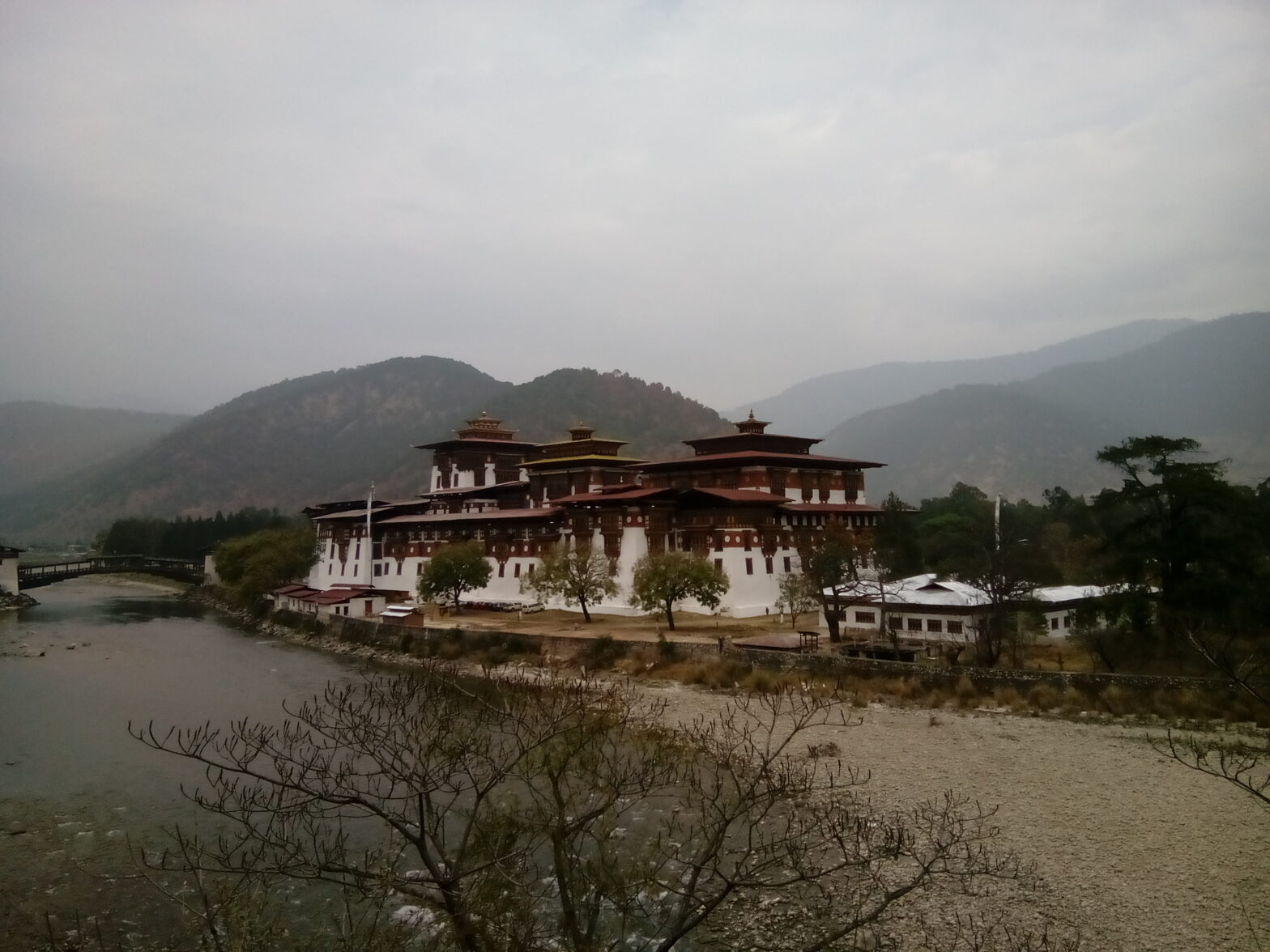
    • Punakha Dzong: Journey to Punakha to witness the majestic Punakha Dzong, often described as the most beautiful fortress in Bhutan. Situated at the confluence of two rivers, this architectural marvel offers a glimpse into Bhutan’s rich history.

    • Traditional Village Visit: Experience authentic Bhutanese life with a visit to a traditional village. Interact with locals, learn about their customs, and perhaps try your hand at traditional crafts.

    • Festival Experience: If your visit coincides with one of Bhutan’s colorful festivals, you’ll have the opportunity to witness vibrant masked dances, religious ceremonies, and joyous celebrations.

    This package typically spans 7-10 days, allowing ample time to soak in the cultural wonders of Bhutan. It’s ideal for history enthusiasts, culture buffs, and those seeking a deeper understanding of Bhutanese heritage.

    Trekking and Adventure Package

    For the adventurous souls from Mumbai seeking to explore Bhutan’s pristine landscapes and challenging terrains, the Trekking and Adventure Package offers an exhilarating experience. This package combines thrilling outdoor activities with opportunities to witness Bhutan’s natural beauty up close.

    Adventure Activities

    1. Druk Path Trek: This popular trek takes you through stunning landscapes, from pine forests to alpine lakes. The 5-6 day journey offers panoramic views of the Himalayas and passes by ancient monasteries.

    2. White Water Rafting: Experience the thrill of rafting on Bhutan’s pristine rivers. The Pho Chhu and Mo Chhu rivers in Punakha offer exciting rapids suitable for both beginners and experienced rafters.

    3. Mountain Biking: Explore Bhutan’s countryside on two wheels. Ride through picturesque valleys, visit remote villages, and enjoy the fresh mountain air.

    4. Rock Climbing: Test your skills on natural rock faces or try indoor climbing facilities in Thimphu.

    5. Archery Experience: Try your hand at Bhutan’s national sport. Learn the basics of traditional Bhutanese archery and participate in a friendly competition.

    Natural Wonders

    • Phobjikha Valley: Visit this glacial valley, famous for being the winter home of the rare black-necked cranes. The valley’s unique ecosystem and stunning beauty make it a must-visit for nature lovers.

    • Royal Manas National Park: For wildlife enthusiasts, a visit to this park offers the chance to spot rare species like the golden langur, Bengal tigers, and one-horned rhinoceros.

    • Jigme Dorji National Park: Trek through diverse ecosystems, from subtropical forests to alpine meadows, and possibly spot Bhutan’s national animal, the Takin.

    This package typically lasts 10-14 days, allowing for multiple trekking days and adventure activities. It’s perfect for fitness enthusiasts, nature lovers, and those seeking an adrenaline rush amidst breathtaking scenery.

    Spiritual Journey Experience

    Bhutan, known as the last Shangri-La, offers a unique spiritual experience for those seeking inner peace and enlightenment. This package is designed for Mumbai travelers looking to explore Bhutan’s rich Buddhist heritage and engage in spiritual practices.

    Spiritual Sites and Activities

    1. Meditation Retreats: Participate in guided meditation sessions at serene monasteries. Learn mindfulness techniques from experienced Buddhist monks.

    2. Taktshang Monastery (Tiger’s Nest): Embark on a spiritual pilgrimage to this iconic monastery. The challenging hike and the monastery’s location offer a profound spiritual experience.

    3. Chimi Lhakhang: Visit the ‘Temple of Fertility’ dedicated to the Divine Madman, Drukpa Kunley. Learn about unique Bhutanese Buddhist traditions.

    4. Gangtey Monastery: Explore this 17th-century monastery in the beautiful Phobjikha Valley. Participate in prayer sessions and witness monastic life.

    5. Khamsum Yulley Namgyal Chorten: Visit this elaborate temple in Punakha, dedicated to the well-being of the kingdom and world peace.

    Spiritual Practices and Learnings

    • Buddhist Philosophy Classes: Attend lectures on Buddhist principles and how they apply to modern life.

    • Yoga Sessions: Participate in yoga classes set against the backdrop of the Himalayas, combining physical postures with meditation.

    • Traditional Healing: Experience Bhutanese traditional medicine practices, including herbal remedies and hot stone baths.

    • Mandala Making: Learn the art of creating sand mandalas, a practice that teaches impermanence and mindfulness.

    • Prayer Flag Ceremony: Participate in a traditional prayer flag hoisting ceremony, understanding its significance in Bhutanese culture.

    This spiritual journey typically spans 8-12 days, allowing for deep immersion in Bhutanese spirituality. It’s ideal for those seeking personal growth, inner peace, or a deeper understanding of Buddhist philosophy.

    Luxury Bhutan Getaway

    For discerning travelers from Mumbai looking for a blend of cultural immersion and high-end comfort, the Luxury Bhutan Getaway offers an exclusive experience of the Dragon Kingdom. This package ensures you explore Bhutan’s wonders while enjoying the finest accommodations and services.

    Luxurious Accommodations

    1. Amankora Lodges: Stay at the renowned Amankora lodges spread across Bhutan’s western and central valleys. Each lodge offers a unique experience with world-class amenities.

    2. Six Senses Bhutan: Experience the luxury of Six Senses properties in Thimphu, Punakha, Gangtey, Bumthang, and Paro. Each resort is designed to reflect the heritage and hospitality of its location.

    3. Como Uma Bhutan: Enjoy the serene settings of Como Uma in Paro and Punakha, known for their exceptional service and stunning views.

    4. Taj Tashi, Thimphu: Experience Bhutanese architecture blended with modern luxury at this 5-star property in the heart of Thimphu.

    Exclusive Experiences

    • Private Helicopter Tours: Enjoy breathtaking aerial views of Bhutan’s landscapes, including the majestic Himalayas and remote monasteries.

    • Personalized Cultural Tours: Explore Bhutan’s cultural sites with expert guides, gaining in-depth knowledge about the country’s history and traditions.

    • Gourmet Dining: Savor exquisite Bhutanese and international cuisine prepared by world-class chefs using local, organic ingredients.

    • Spa and Wellness Treatments: Indulge in traditional Bhutanese hot stone baths and rejuvenating spa treatments at luxury resorts.

    • Exclusive Access: Enjoy private audiences with respected lamas or scholars, and gain special access to select monasteries and cultural events.

    Tailor-Made Itineraries

    The Luxury Bhutan Getaway can be customized to suit individual preferences:

    1. Cultural Focus: Emphasize visits to historical sites, museums, and traditional villages.

    2. Adventure Luxe: Combine luxury stays with soft adventure activities like gentle hikes or archery lessons.

    3. Wellness Retreat: Focus on spa treatments, yoga sessions, and meditation retreats.

    4. Photographic Journey: Arrange special photography tours with professional guides to capture Bhutan’s stunning landscapes and cultural events.

    This luxury package typically lasts 7-14 days, allowing for a comprehensive yet relaxed exploration of Bhutan. It’s perfect for honeymooners, milestone celebrations, or anyone seeking a high-end travel experience in this unique destination.


    Now that we’ve explored the top Bhutan tour packages from Mumbai, let’s delve into what’s typically included in these packages to help you understand the value and plan your trip effectively.

    Book Affordable Bhutan Tour Packages from Mumbai - [2024-25]
    Memorial chorten bhutan

    What’s Included in These Packages

    A. Accommodations: From Traditional to Luxurious

    When you book a Bhutan tour package from Mumbai, one of the most crucial aspects included is your accommodation. Bhutan offers a diverse range of lodging options, catering to various preferences and budgets. From traditional Bhutanese homestays to luxurious resorts, your package will ensure a comfortable and authentic stay throughout your journey.


    Traditional Bhutanese Homestays:

    For those seeking an immersive cultural experience, many tour packages include stays in traditional Bhutanese homestays. These accommodations offer:

    1. Authentic architecture: Experience the unique Bhutanese architectural style, characterized by colorful wooden facades and intricate designs.

    2. Cultural interactions: Stay with local families, allowing for genuine interactions and insights into Bhutanese daily life.

    3. Home-cooked meals: Enjoy traditional Bhutanese cuisine prepared by your hosts.

    4. Rural settings: Often located in picturesque villages, providing a serene and peaceful environment.

    Mid-range Hotels:

    For travelers looking for a balance between comfort and authenticity, mid-range hotels are a popular choice in Bhutan tour packages. These establishments typically offer:

    1. Modern amenities: Expect clean, comfortable rooms with essential facilities like hot water, Wi-Fi, and room service.

    2. Bhutanese-inspired decor: Many hotels incorporate traditional Bhutanese elements in their design and furnishings.

    3. On-site restaurants: Serving a mix of Bhutanese and international cuisine.

    4. Central locations: Often situated in town centers, providing easy access to local attractions.

    Luxury Resorts:

    For those seeking the utmost in comfort and indulgence, luxury resorts are available in several Bhutan tour packages. These high-end accommodations offer:

    1. World-class amenities: Expect spa facilities, fitness centers, and swimming pools.

    2. Gourmet dining: On-site restaurants serving both local and international cuisine prepared by expert chefs.

    3. Breathtaking views: Many luxury resorts are strategically located to offer panoramic views of Bhutan’s stunning landscapes.

    4. Personalized services: Enjoy butler services, customized experiences, and exclusive tours.

    As you plan your Bhutan tour from Mumbai, consider the type of accommodation that best suits your preferences and budget. Many packages offer a mix of these options, allowing you to experience different aspects of Bhutanese hospitality throughout your journey.

    B. Transportation: Domestic Flights and Ground Travel

    Transportation is a crucial component of any Bhutan tour package from Mumbai, ensuring you can explore the country comfortably and efficiently. Your package will typically include a well-planned combination of domestic flights and ground travel options.


    Domestic Flights:

    Given Bhutan’s mountainous terrain, domestic flights are often included in tour packages to save time and provide spectacular aerial views. Here’s what you can expect:

    1. Paro to Bumthang flights: This popular route connects the western and central regions of Bhutan, saving hours of road travel.

    2. Scenic views: Enjoy breathtaking views of the Himalayas and Bhutan’s lush landscapes during your flight.

    3. Modern aircraft: Druk Air and Bhutan Airlines operate small, modern aircraft suitable for mountain flying.

    4. Airport transfers: Your package will usually include transfers to and from the airports.

    Ground Travel:

    While flights cover longer distances, most of your exploration within Bhutan will be via ground transportation. Your package typically includes:

    1. Private vehicles: Comfortable, air-conditioned cars or vans with experienced drivers.

    2. SUVs for rough terrain: When visiting remote areas or during the monsoon season, packages often include sturdy SUVs.

    3. Fuel and driver expenses: All costs related to your ground transportation are usually covered in the package.

    4. Flexibility: Ground travel allows for impromptu stops at scenic points or local markets.

    Special Transportation Experiences:

    Some Bhutan tour packages from Mumbai might include unique transportation experiences such as:

    1. Traditional ox-cart rides in rural villages

    2. River rafting expeditions on Bhutan’s pristine rivers

    3. Mountain biking tours in scenic valleys

    4. Horseback riding trips to remote monasteries

    As you travel from Mumbai to Bhutan, your journey typically begins with an international flight to Paro International Airport. From there, your pre-arranged transportation will seamlessly connect you to your various destinations within Bhutan.

    C. Guided Tours and Activities

    A significant component of Bhutan tour packages from Mumbai is the inclusion of guided tours and activities. These experiences are designed to immerse you in Bhutan’s rich culture, stunning landscapes, and unique way of life. Here’s what you can typically expect:


    Expert Local Guides:

    Your package will include the services of knowledgeable local guides who:

    1. Speak fluent English and often other languages

    2. Have in-depth knowledge of Bhutanese history, culture, and traditions

    3. Can provide insider insights and personal anecdotes

    4. Are trained to ensure your safety and comfort throughout the tour

    Cultural Tours:

    Bhutan is known for its rich cultural heritage, and your package will likely include visits to:

    1. Iconic dzongs (fortresses): Such as Punakha Dzong and Trongsa Dzong

    2. Ancient monasteries: Including the famous Tiger’s Nest (Paro Taktsang)

    3. Museums: Like the National Museum of Bhutan in Paro

    4. Traditional arts and crafts centers: Where you can observe artisans at work

    Nature and Adventure Activities:

    Depending on your package and personal preferences, you might engage in:

    1. Hiking and trekking: From short nature walks to multi-day treks

    2. Wildlife spotting: In national parks like Jigme Dorji National Park

    3. River rafting: On rivers like Mo Chhu and Pho Chhu

    4. Archery lessons: Bhutan’s national sport

    Spiritual Experiences:

    Given Bhutan’s deep Buddhist roots, your package may include:

    1. Meditation sessions with local monks

    2. Participation in traditional prayer ceremonies

    3. Visits to sacred sites and holy springs

    4. Interactions with Buddhist scholars

    Festivals and Events:

    If your visit coincides with a Bhutanese festival, your package might include:

    1. Attendance at colorful tsechus (religious festivals)

    2. Explanation of festival rituals and dances by your guide

    3. Special seating arrangements for optimal viewing

    4. Photography opportunities (where permitted)

    Customized Experiences:

    Many Bhutan tour packages from Mumbai offer the flexibility to customize activities based on your interests. These might include:

    1. Cooking classes to learn Bhutanese cuisine

    2. Traditional hot stone bath experiences

    3. Farm stays to understand rural Bhutanese life

    4. Birdwatching expeditions in Bhutan’s diverse habitats

    As you explore Bhutan with these guided tours and activities, you’ll gain a deep appreciation for the country’s commitment to preserving its cultural heritage while embracing sustainable development. Your guides will ensure that you not only see the sights but also understand their significance in Bhutanese culture and history.

    D. Meals: Authentic Bhutanese Cuisine

    One of the most exciting aspects of any Bhutan tour package from Mumbai is the opportunity to savor authentic Bhutanese cuisine. Most packages include meals as part of the tour, allowing you to experience the unique flavors and culinary traditions of this Himalayan kingdom. Here’s what you can expect in terms of meals during your Bhutan tour:


    Included Meals:

    Typically, Bhutan tour packages cover:

    1. Breakfast: Usually served at your accommodation

    2. Lunch: Often at local restaurants or as picnics during day tours

    3. Dinner: At your hotel or at selected local eateries

    Bhutanese Staples:

    Your meals will introduce you to Bhutanese staple foods such as:

    1. Red Rice: A nutty, slightly sticky variety of rice unique to Bhutan

    2. Ema Datshi: The national dish, a spicy stew of chili peppers and cheese

    3. Kewa Datshi: A potato and cheese dish, milder than Ema Datshi

    4. Phaksha Paa: Pork cooked with spices and vegetables

    Vegetarian and Non-Vegetarian Options:

    Bhutanese cuisine caters to both preferences:

    1. Vegetarian dishes: Featuring local vegetables, cheese, and sometimes eggs

    2. Non-vegetarian options: Including dishes made with pork, beef, chicken, and yak meat

    3. Buddhist influence: Many Bhutanese observe meat-free days, so vegetarian options are always available

    Beverages:

    Your package will likely include traditional Bhutanese drinks such as:

    1. Suja: Salted butter tea, a warming beverage perfect for cold mornings

    2. Ara: A locally brewed rice wine, often served warm

    3. Bangchang: A wheat or barley-based alcoholic drink

    4. Fresh fruit juices: Made from locally grown fruits like apples and oranges

    Dining Experiences:

    Your Bhutan tour package may include special dining experiences such as:

    1. Traditional Bhutanese family-style meals

    2. Picnic lunches in scenic locations

    3. Farmhouse dinners featuring home-cooked meals

    4. Fine dining at upscale restaurants in major towns

    Dietary Accommodations:

    Most Bhutan tour packages can cater to specific dietary requirements:

    1. Vegetarian and vegan options

    2. Gluten-free meals

    3. Halal food (though this may be limited)

    4. Low-spice alternatives to traditionally spicy Bhutanese dishes

    Culinary Activities:

    Some packages might include food-related activities such as:

    1. Cooking classes to learn Bhutanese recipes

    2. Visits to local markets to understand Bhutanese ingredients

    3. Tea tasting sessions featuring Bhutanese teas

    4. Participation in traditional food preparation methods

    Food Safety:

    Tour operators prioritize food safety for international visitors:

    1. Meals are prepared using purified water

    2. Fresh, locally sourced ingredients are used

    3. Hygiene standards are maintained in selected restaurants

    4. Guides can recommend safe street food options for those interested

    As you savor the flavors of Bhutan, you’ll notice the unique blend of influences from Tibetan, Indian, and local cuisines. The use of chili peppers, cheese, and local herbs creates a distinctive taste profile that sets Bhutanese cuisine apart. Your Bhutan tour package from Mumbai ensures that you not only see the sights but also taste the essence of Bhutan through its diverse and flavorful cuisine.

    E. Visa and Permit Arrangements

    One of the most valuable inclusions in Bhutan tour packages from Mumbai is the handling of visa and permit arrangements. Bhutan has a unique visa policy, and having these logistics taken care of by your tour operator can save you considerable time and effort. Here’s what you need to know about visa and permit arrangements included in your package:


    Visa Processing:

    Bhutan tour packages typically cover the entire visa application process:

    1. Visa application submission: Your tour operator will handle this on your behalf

    2. Visa fee payment: Usually included in your package cost

    3. Visa approval letter: Obtained and forwarded to you before your travel

    4. Visa stamping: Done upon arrival at Paro International Airport

    Sustainable Development Fee (SDF):

    A key component of Bhutan’s “High Value, Low Impact” tourism policy:

    1. Daily fee: Currently set at $200 per person per night

    2. Inclusions: This fee covers basic accommodations, meals, transport, and guide services

    3. Contribution: A portion goes towards free education, healthcare, and infrastructure development in Bhutan

    4. Exemptions: Indian, Bangladeshi, and Maldivian nationals are exempt from this fee

    Special Area Permits:

    For visiting restricted or remote areas:

    1. Identification of required permits: Based on your itinerary

    2. Application process: Handled by your tour operator

    3. Permit fees: Usually included in your package

    4. Timely procurement: Ensures smooth travel within Bhutan

    Entry Permit:

    Required for travel beyond Paro and Thimphu:

    1. Automatic issuance: Typically done when your visa is processed

    2. Extensions: Can be arranged if you wish to extend your stay

    3. Checkpoints: Your guide will handle permit checks at various points

    Group Visa Arrangements:

    For those traveling from Mumbai as part of a group:

    1. Streamlined process: One application for the entire group

    2. Cost-effective: Often results in reduced processing fees

    3. Coordinated arrival: Ensures smooth entry for all group members

    4. Flexibility: Can accommodate last-minute changes in group composition

    Visa Extensions:

    If you decide to extend your stay:

    1. Extension requests: Can be made through your tour operator

    2. Additional fees: Will be clearly communicated

    3. Process time: Usually quick, especially if arranged in advance

    4. Limitations: Extensions are subject to availability and regulations

    Document Requirements:

    Your package will include guidance on necessary documents:

    1. Passport validity: Must be valid for at least 6 months beyond your planned stay

    2. Passport photos: Recent, in the specified format

    3. Flight details: Confirmed roundtrip tickets

    4. Travel insurance: Proof of coverage for the duration of your stay

    Visa for Indian Nationals:

    Special considerations for travelers from Mumbai:

    1. Permit on arrival: Available for Indian citizens

    2. Valid travel document: Passport or Voter ID required

    3. Online permit application: Can be done before travel for smoother entry

    4. Duration: Permits are typically valid for 7 days, extendable to 1 month

    By including visa and permit arrangements in your Bhutan tour package from Mumbai, tour operators ensure a hassle-free entry into this magical kingdom. This service allows you to focus on preparing for the cultural and natural wonders that await you in Bhutan, rather than worrying about administrative details.


    As we conclude this section on what’s included in Bhutan tour packages from Mumbai, it’s clear that these comprehensive offerings cover all essential aspects of your journey. From comfortable accommodations and efficient transportation to immersive guided tours, authentic cuisine, and streamlined visa processes, these packages are designed to provide a seamless and enriching experience in the Land of the Thunder Dragon. With these logistics taken care of, you’re free to fully immerse yourself in the unique culture, stunning landscapes, and spiritual atmosphere that make Bhutan such a captivating destination. Next, we’ll explore the highlights of Bhutan tours, giving you a taste of the unforgettable experiences that await you in this Himalayan kingdom.

    Bhutan Guide Book
    People of Bhutan with happiness

    Highlights of Bhutan Tours

    Visit to Iconic Dzongs and Monasteries

    As we delve into the highlights of Bhutan tours, one cannot overlook the magnificent dzongs and monasteries that dot the landscape of this mystical kingdom. These architectural marvels are not just religious sites but also serve as administrative centers, showcasing the unique blend of spiritual and secular life in Bhutan.


    The dzongs, with their massive fortress-like structures, are a testament to Bhutan’s rich history and cultural heritage. Built without the use of nails or written plans, these structures are a marvel of traditional Bhutanese architecture. As you explore these iconic landmarks during your Bhutan tour, you’ll be transported back in time, witnessing the living traditions that have been preserved for centuries.


    One of the most famous dzongs you’ll encounter on your journey is the Punakha Dzong. Situated at the confluence of the Pho Chhu and Mo Chhu rivers, this majestic structure is often called the “Palace of Great Happiness.” Its strategic location and stunning architecture make it a must-visit destination on any Bhutan tour package from Mumbai. As you walk through its ornate courtyards and prayer halls, you’ll feel the spiritual energy that permeates the air.


    Another highlight of your Bhutan tour will be the visit to Taktshang Monastery, also known as the Tiger’s Nest. Perched precariously on a cliff face 900 meters above the Paro Valley, this sacred site is one of the most recognizable symbols of Bhutan. The hike to the monastery is an adventure in itself, offering breathtaking views of the surrounding Himalayan landscape. Once you reach the top, you’ll be rewarded with a sense of accomplishment and the opportunity to explore one of the most revered Buddhist sites in the world.


    The Tashichho Dzong in Thimphu, the capital city of Bhutan, is another architectural marvel that you’ll have the chance to explore. This impressive structure serves as the seat of the government and the summer residence of the Je Khenpo (Chief Abbot of Bhutan). Its massive walls, intricate woodwork, and beautiful paintings offer a glimpse into the rich artistic traditions of Bhutan.


    During your visits to these dzongs and monasteries, you’ll have the opportunity to witness Buddhist rituals and ceremonies, adding depth to your cultural experience. The sound of monks chanting, the smell of incense, and the sight of colorful prayer flags fluttering in the wind will create lasting memories of your Bhutan tour.

    Exploring Breathtaking Himalayan Landscapes

    Moving from the spiritual realm to the natural world, your Bhutan tour package from Mumbai will take you on a journey through some of the most breathtaking Himalayan landscapes on Earth. Bhutan’s commitment to environmental conservation has resulted in pristine forests, crystal-clear rivers, and snow-capped mountains that will leave you in awe.


    One of the highlights of exploring Bhutan’s natural beauty is the trek through the Phobjikha Valley. This glacial valley, also known as Gangtey Valley, is a haven for nature lovers and bird-watching enthusiasts. During the winter months, it becomes the home of the rare black-necked cranes that migrate from Tibet. The valley’s vast expanse of dwarf bamboo and wetlands, surrounded by pine-covered mountains, creates a picturesque setting that seems straight out of a postcard.


    For those seeking a more challenging adventure, the trek to Jomolhari Base Camp offers an unforgettable experience. This multi-day trek takes you through diverse landscapes, from lush forests to alpine meadows, culminating in stunning views of Mount Jomolhari, one of Bhutan’s most sacred peaks. Along the way, you’ll encounter remote villages, ancient monasteries, and perhaps even spot some of Bhutan’s diverse wildlife, including blue sheep and Himalayan marmots.


    The Bumthang Valley, often referred to as the cultural heartland of Bhutan, offers a unique blend of natural beauty and spiritual significance. The valley is home to numerous ancient temples and monasteries set against a backdrop of rolling hills and pine forests. A leisurely walk through the valley’s scenic trails will reveal hidden waterfalls, pristine lakes, and traditional Bhutanese farmhouses, providing a glimpse into rural life in the kingdom.


    For those interested in botany, a visit to the Royal Botanical Park in Lamperi is a must. This park showcases Bhutan’s rich biodiversity, featuring over 46 species of rhododendrons, magnolias, and a variety of medicinal plants. The park’s nature trails offer opportunities for birdwatching and spotting some of Bhutan’s unique wildlife.


    No exploration of Bhutan’s landscapes would be complete without mentioning the Dochula Pass. Located on the road from Thimphu to Punakha, this mountain pass offers panoramic views of the Eastern Himalayan range on a clear day. The 108 chortens (stupas) at the pass, known as “Druk Wangyal Chortens,” add a spiritual touch to the already awe-inspiring scenery.


    As you traverse these diverse landscapes during your Bhutan tour, you’ll gain a deeper appreciation for the country’s commitment to environmental conservation. Bhutan’s constitution mandates that at least 60% of the country’s land must remain under forest cover, making it the only carbon-negative country in the world. This commitment to nature is evident in the pristine condition of the landscapes you’ll encounter throughout your journey.

    Experiencing Unique Bhutanese Culture

    As we transition from the natural wonders to the cultural aspects of Bhutan, you’ll find that the country’s unique culture is equally captivating. Bhutan’s isolation from the outside world for centuries has resulted in a well-preserved cultural heritage that is unlike anywhere else on Earth. Your Bhutan tour package from Mumbai will offer numerous opportunities to immerse yourself in this rich tapestry of traditions, customs, and way of life.


    One of the most striking aspects of Bhutanese culture that you’ll encounter is the national dress. Men wear the gho, a knee-length robe tied at the waist, while women don the kira, an ankle-length dress. These traditional garments are still worn by most Bhutanese in daily life, especially in formal settings. During your tour, you might even have the opportunity to try on these traditional outfits, giving you a literal feel for Bhutanese culture.


    The concept of Gross National Happiness (GNH), which prioritizes the well-being and happiness of citizens over economic growth, is a unique aspect of Bhutanese culture that you’ll learn about during your tour. This philosophy, introduced by the fourth King of Bhutan, permeates every aspect of Bhutanese life and governance. As you interact with locals and observe their way of life, you’ll notice a sense of contentment and harmony that is rare in our fast-paced modern world.


    Bhutanese cuisine is another highlight that you’ll have the pleasure of experiencing. The national dish, ema datshi, is a spicy mix of chili peppers and cheese that perfectly encapsulates the bold flavors of Bhutanese cooking. Other dishes you might encounter include momos (dumplings), phaksha paa (pork with red chilies), and jasha maru (spicy minced chicken). Don’t forget to try the local butter tea, a savory drink made with tea, butter, and salt that is perfect for warming up in the cool mountain air.


    Traditional Bhutanese arts and crafts, known as the Zorig Chusum or the Thirteen Traditional Crafts of Bhutan, are an integral part of the country’s cultural heritage. During your tour, you’ll have the opportunity to visit workshops and witness artisans practicing these ancient crafts, which include:

    1. Thangka painting (religious scroll paintings)

    2. Sculpting

    3. Wood carving

    4. Calligraphy

    5. Paper making

    6. Bronze casting

    7. Embroidery

    8. Weaving

    9. Bamboo work

    10. Gold and silversmithing

    11. Masonry

    12. Leather work

    13. Blacksmithing

    These crafts not only serve practical purposes but also play a crucial role in preserving Bhutan’s cultural identity. You might even have the chance to try your hand at some of these crafts, creating a unique souvenir to take home from your Bhutan tour.


    Archery, the national sport of Bhutan, is another cultural experience you won’t want to miss. If you’re lucky, you might witness a local archery tournament during your tour. These events are not just about hitting targets; they’re social gatherings filled with music, dance, and friendly banter between teams. The precision of the archers and the festive atmosphere make these tournaments a memorable cultural experience.


    Buddhism is deeply ingrained in Bhutanese culture, and you’ll have numerous opportunities to observe and participate in Buddhist practices during your tour. From spinning prayer wheels to offering butter lamps at monasteries, these small acts of devotion offer insight into the spiritual life of the Bhutanese people. You might also have the chance to attend a Buddhist teaching or meditation session, providing a deeper understanding of the philosophy that shapes Bhutanese culture.


    The concept of driglam namzha, or traditional etiquette, is another unique aspect of Bhutanese culture that you’ll encounter. This code of conduct governs how people should dress, eat, speak, and behave in formal settings. While tourists are not expected to adhere strictly to these rules, understanding and respecting them will enhance your cultural experience and interactions with locals during your Bhutan tour.

    Participating in Local Festivals and Events

    As we move from the everyday aspects of Bhutanese culture to its celebratory side, you’ll find that participating in local festivals and events is one of the most vibrant and memorable experiences of your Bhutan tour. These festivals, known as tshechus, are not just religious ceremonies but also important social gatherings that bring communities together in a spirit of joy and reverence.


    The most famous of these festivals is the Paro Tshechu, typically held in spring. This five-day event attracts thousands of visitors from all over Bhutan and the world. The highlight of the Paro Tshechu is the unfurling of the giant thangka (religious scroll) of Guru Rinpoche, believed to cleanse the sins of all who view it. The festival also features elaborate masked dances performed by monks, each dance telling a story from Buddhist teachings or Bhutanese folklore.


    Here’s a list of some other notable festivals you might encounter during your Bhutan tour, depending on the time of your visit:

    1. Thimphu Tshechu (September/October)

    2. Punakha Drubchen and Tshechu (February/March)

    3. Jambay Lhakhang Drup in Bumthang (October/November)

    4. Trashigang Tshechu (November/December)

    5. Kurjey Tshechu in Bumthang (June/July)

    6. Haa Summer Festival (July)

    7. Nomad Festival in Bumthang (February)

    Each of these festivals has its unique characteristics and traditions, offering a different perspective on Bhutanese culture and spirituality. For instance, the Punakha Drubchen features a dramatic recreation of a 17th-century battle scene, while the Haa Summer Festival showcases the culture of Bhutan’s nomadic herders.


    Attending a tshechu is not just about watching performances; it’s an immersive experience that engages all your senses. The air is filled with the sound of drums, cymbals, and horns, accompanied by the chanting of monks. The vibrant colors of the dancers’ costumes and masks create a visual spectacle, while the aroma of incense and local delicacies adds to the sensory experience.


    One of the most fascinating aspects of these festivals is the atsara, or sacred clowns. These figures, with their red masks and exaggerated features, play an important role in the festivities. They entertain the crowd with their antics but also serve a deeper purpose, embodying the principle that enlightenment can come through laughter and joy as well as serious contemplation.


    If your Bhutan tour package from Mumbai coincides with the Bhutanese New Year, known as Losar, you’re in for a special treat. This three-day celebration, usually falling in February or March, is marked by family gatherings, feasts, and various rituals to usher in good fortune for the coming year. Participating in Losar celebrations offers a unique insight into Bhutanese family life and traditions.


    For those interested in Bhutan’s royal history, the National Day celebration on December 17th is a significant event. This day commemorates the coronation of the first King of Bhutan and is marked by parades, performances, and speeches. Attending this event can provide a deeper understanding of Bhutan’s transition from an absolute monarchy to a constitutional monarchy.


    While the larger festivals are undoubtedly spectacular, don’t overlook the smaller, local events you might encounter during your tour. Village festivals, archery tournaments, and even impromptu gatherings can offer authentic glimpses into Bhutanese life and culture. These smaller events often allow for more intimate interactions with locals, creating memorable experiences that go beyond typical tourist encounters.


    It’s worth noting that festival dates in Bhutan are often determined by the lunar calendar and can vary from year to year. When planning your Bhutan tour package from Mumbai, it’s a good idea to check the festival calendar and, if possible, align your visit with one of these events. Many tour operators offer special festival packages that include prime viewing spots and expert guides to explain the significance of the various rituals and performances.


    Participating in these festivals and events is not just about observing; it’s about engaging with the local culture. Don’t be surprised if you’re invited to join in the dancing or share a meal with local festival-goers. These interactions can be the highlight of your Bhutan tour, offering genuine connections and insights into the warmth and hospitality of the Bhutanese people.


    As we conclude our exploration of Bhutan’s highlights, from its iconic dzongs and monasteries to its breathtaking landscapes, unique culture, and vibrant festivals, it’s clear that a tour of this Himalayan kingdom offers a truly transformative experience. The memories and insights gained from your Bhutan tour will undoubtedly stay with you long after you return to Mumbai, inspiring a deeper appreciation for the beauty of cultural diversity and the importance of preserving ancient traditions in our modern world. With this rich tapestry of experiences in mind, let’s now turn our attention to the practical aspects of planning your Bhutanese adventure.


    Why You’ll Love Touring Bhutan

    A. Escape to the Last Shangri-La

    Bhutan, often referred to as the “Last Shangri-La,” offers a truly unique and enchanting experience for travelers from Mumbai seeking a respite from the hustle and bustle of city life. This small Himalayan kingdom has managed to preserve its ancient traditions, pristine landscapes, and spiritual essence in a way that few other destinations can match.


    As you embark on your Bhutan tour from Mumbai, you’ll find yourself transported to a world that seems frozen in time. The country’s commitment to preserving its cultural heritage is evident in every aspect of daily life, from the traditional dress worn by locals to the ancient monasteries perched atop misty mountains.


    One of the most striking aspects of Bhutan that you’ll immediately notice is the absence of the modern world’s intrusions. Unlike many tourist destinations, Bhutan has deliberately limited mass tourism to protect its unique culture and environment. This means that when you visit, you’ll experience a sense of discovery and authenticity that’s increasingly rare in today’s globalized world.


    The capital city of Thimphu, for instance, is the only capital in the world without traffic lights. Instead, you’ll find traditionally dressed policemen directing traffic with graceful hand movements. This charming detail perfectly encapsulates Bhutan’s approach to modernization – embracing progress while steadfastly maintaining its cultural identity.


    As you explore further, you’ll encounter breathtaking dzongs (fortresses) that serve as both administrative centers and monasteries. These architectural marvels, with their imposing walls and intricate woodwork, offer a glimpse into Bhutan’s rich history and spiritual traditions. The iconic Taktshang Monastery, also known as the Tiger’s Nest, is a prime example of Bhutan’s awe-inspiring religious architecture. Clinging to a cliff face 3,000 feet above the Paro Valley, it’s a sight that will leave you speechless and provide memories to last a lifetime.


    The concept of Shangri-La extends beyond just the physical landscape. You’ll find it in the warm smiles of the Bhutanese people, their unhurried pace of life, and their deep-rooted spirituality. This spiritual essence permeates every aspect of Bhutanese society, creating an atmosphere of peace and tranquility that’s palpable to visitors.


    For travelers from Mumbai, the contrast couldn’t be more striking. The serene monasteries, fluttering prayer flags, and the gentle chime of prayer wheels provide a stark contrast to the cacophony of Mumbai’s streets. This juxtaposition allows for a profound sense of escape and rejuvenation, making your Bhutan tour package an unforgettable journey of both outer exploration and inner reflection.

    B. Immerse in Gross National Happiness

    One of the most fascinating aspects of Bhutan that you’ll experience during your tour is the country’s unique approach to development and progress, encapsulated in the concept of Gross National Happiness (GNH). This philosophy, introduced by the fourth King of Bhutan, Jigme Singye Wangchuck, in the 1970s, prioritizes the collective happiness and well-being of the population over mere economic growth.


    As you travel through Bhutan, you’ll witness firsthand how this revolutionary concept shapes every aspect of Bhutanese life and governance. The GNH philosophy is based on four pillars:

    1. Sustainable and equitable socio-economic development

    2. Environmental conservation

    3. Preservation and promotion of culture

    4. Good governance

    These pillars are further divided into nine domains that cover various aspects of life, including living standards, education, health, environment, community vitality, time use, psychological well-being, cultural diversity and resilience, and good governance.


    During your Bhutan tour from Mumbai, you’ll have numerous opportunities to observe and experience how GNH manifests in daily life:

    • Sustainable Development: You’ll notice the careful balance between modernization and tradition. For example, while Bhutan embraces technology and infrastructure development, it does so without compromising its natural and cultural heritage. The country’s commitment to remaining carbon-neutral and maintaining at least 60% of its land under forest cover is a testament to this approach.

    • Cultural Preservation: The Bhutanese people take immense pride in their cultural heritage. You’ll see this in the traditional dress (gho for men and kira for women) worn by locals, the preservation of ancient arts and crafts, and the celebration of traditional festivals. Don’t miss the chance to witness or even participate in a local tsechu (religious festival) if your travel dates align.

    • Education and Health: Bhutan provides free education and healthcare to all its citizens. During your tour, you might have the opportunity to visit a local school or healthcare center, giving you insight into how these vital services are delivered in a developing country with challenging terrain.

    • Environmental Conservation: Bhutan’s commitment to environmental protection is unparalleled. As you trek through pristine forests or visit national parks, you’ll appreciate the country’s efforts in maintaining biodiversity and ecological balance.

    For travelers from Mumbai, immersing in the GNH philosophy can be a transformative experience. It offers a different perspective on progress and development, challenging the notion that GDP growth alone equates to a nation’s success. This alternative worldview often prompts visitors to reflect on their own lives and values, potentially inspiring changes in their approach to work, relationships, and overall life satisfaction.


    Moreover, the emphasis on community vitality and psychological well-being in Bhutan creates a palpable sense of contentment among the populace. You’ll likely notice this in the genuine warmth and hospitality of the Bhutanese people, their strong sense of community, and their generally relaxed approach to life. This stark contrast to the often stressful and individualistic lifestyle in big cities like Mumbai can be both refreshing and enlightening.


    As you engage with local communities during your Bhutan tour, you’ll have the chance to participate in activities that embody the GNH philosophy. This might include:

    • Visiting local markets where traditional crafts and organic produce are sold, supporting sustainable livelihoods

    • Participating in community-based tourism initiatives that directly benefit local populations

    • Engaging in meditation or mindfulness sessions at monasteries, contributing to your psychological well-being

    • Learning about Bhutan’s unique approach to conservation through visits to national parks or wildlife sanctuaries

    The concept of Gross National Happiness isn’t just a government policy; it’s a way of life in Bhutan. By the end of your tour, you’ll likely find yourself contemplating how elements of this philosophy could be incorporated into your own life back in Mumbai. The lessons learned and experiences gained from immersing in Bhutan’s GNH culture often prove to be one of the most valuable and long-lasting souvenirs from your journey.

    C. Witness Untouched Natural Beauty

    One of the most compelling reasons to choose a Bhutan tour package from Mumbai is the opportunity to witness some of the most pristine and untouched natural beauty on the planet. Bhutan’s commitment to environmental conservation has resulted in a landscape that remains largely unspoiled by human intervention, offering visitors a rare glimpse into nature’s raw magnificence.


    As you journey through Bhutan, you’ll be struck by the sheer diversity of its natural wonders:

    1. Majestic Himalayas: Bhutan is nestled in the eastern Himalayas, and the mountain views are simply breathtaking. Peaks like Gangkhar Puensum, the highest unclimbed mountain in the world, and Jomolhari, considered sacred by the Bhutanese, offer awe-inspiring vistas that will leave you speechless.

    2. Pristine Forests: Over 70% of Bhutan is covered in forests, many of which are old-growth and home to a rich diversity of flora and fauna. As you trek through these ancient woodlands, you’ll feel as though you’ve stepped back in time to a world untouched by human hands.

    3. Crystal-Clear Rivers: Bhutan’s rivers, fed by glacial melt from the Himalayas, are known for their clarity and purity. The turquoise waters of rivers like the Paro Chhu and Mo Chhu are a sight to behold and offer excellent opportunities for activities like rafting and kayaking.

    4. Diverse Ecosystems: From subtropical jungles in the south to alpine meadows in the north, Bhutan’s varied altitude creates a remarkable range of ecosystems within a relatively small area. This diversity supports an incredible array of plant and animal species, many of which are endemic to the region.

    5. Glacial Lakes: High in the mountains, you’ll find stunning glacial lakes like Tsho Phu, known for its vibrant blue waters. These serene bodies of water, often surrounded by snow-capped peaks, create postcard-perfect scenes that will take your breath away.

    For nature enthusiasts and photographers from Mumbai, Bhutan offers unparalleled opportunities:

    • Birdwatching: Bhutan is a paradise for birdwatchers, with over 700 recorded species. The chance to spot rare birds like the Black-Necked Crane or the beautiful Himalayan Monal is a draw for many visitors.

    • Wildlife Spotting: Bhutan’s forests are home to exotic animals like the Bengal tiger, snow leopard, and red panda. While these elusive creatures are rarely seen, the thrill of possibly encountering them adds excitement to any trek or nature walk.

    • Botanical Exploration: The country boasts an incredible diversity of plant life, including over 60 species of rhododendron and 600 species of orchids. Spring and summer tours offer the chance to see these magnificent blooms in their full glory.

    • Photography: The unspoiled landscapes, combined with Bhutan’s unique architecture and cultural elements, provide endless opportunities for stunning photography. From misty valleys dotted with dzongs to colorful prayer flags fluttering against a backdrop of snow-capped peaks, every turn offers a new photo opportunity.

    What sets Bhutan apart from many other destinations is its commitment to sustainable tourism. The country’s “High Value, Low Impact” tourism policy ensures that visitor numbers are carefully managed to prevent over-tourism and environmental degradation. This means that when you visit Bhutan, you’re not just witnessing untouched natural beauty – you’re part of a sustainable approach to tourism that helps preserve this beauty for future generations.


    Some of the natural highlights you might experience during your Bhutan tour include:

    • Trekking in the Phobjikha Valley, known for its stunning landscapes and as the winter home of the Black-Necked Crane

    • Exploring the lush Royal Manas National Park, Bhutan’s oldest protected area and a biodiversity hotspot

    • Hiking to Bumdrak Monastery, offering panoramic views of the Paro Valley and surrounding mountains

    • Visiting the serene Punakha Valley, where two major rivers converge amidst a backdrop of terraced rice fields and forested hills

    For travelers from Mumbai, the contrast between the urban jungle and Bhutan’s pristine wilderness couldn’t be more stark. The clean air, vast open spaces, and connection with nature that Bhutan offers can be a profoundly rejuvenating experience. Many visitors find that immersing themselves in Bhutan’s natural beauty provides a much-needed respite from the sensory overload of city life, allowing for deep relaxation and a renewed appreciation for the natural world.


    Moreover, Bhutan’s approach to conservation offers valuable lessons in environmental stewardship. As you learn about the country’s efforts to protect its biodiversity and maintain its forest cover, you may find yourself inspired to become a more conscientious global citizen, perhaps even bringing some of these eco-friendly practices back to Mumbai.

    D. Enjoy Personalized and Intimate Experiences

    One of the most appealing aspects of choosing a Bhutan tour package from Mumbai is the opportunity to enjoy personalized and intimate experiences that are increasingly rare in today’s mass tourism landscape. Bhutan’s unique approach to tourism, which emphasizes quality over quantity, ensures that each visitor can have a deeply meaningful and tailored experience.


    Here’s why you’ll love the personalized nature of touring Bhutan:

    1. Small Group Sizes: Bhutan’s tourism policy naturally limits the number of visitors, which means you’ll often find yourself in small tour groups. This allows for more flexible itineraries, personalized attention from your guide, and the chance to form meaningful connections with your fellow travelers.

    2. Knowledgeable Local Guides: Every tour in Bhutan is accompanied by a licensed Bhutanese guide. These guides are not just sources of information; they’re cultural ambassadors who can offer deep insights into Bhutanese life, customs, and traditions. They can also tailor your experience based on your interests, whether it’s delving deeper into Buddhist philosophy, focusing on local cuisine, or seeking out the best photography spots.

    3. Authentic Cultural Interactions: With smaller groups and a focus on cultural preservation, you’ll have genuine opportunities to interact with local Bhutanese people. This might include:

      • Visiting a traditional farmhouse and sharing a meal with a local family

      • Participating in a cooking class to learn about Bhutanese cuisine

      • Taking part in a traditional archery session, Bhutan’s national sport

      • Learning the art of mandala painting or thangka (Buddhist scroll) making from local artisans

    4. Customizable Itineraries: While there are standard tour packages available, many operators offer the flexibility to customize your itinerary based on your interests. Whether you’re passionate about photography, trekking, spirituality, or cultural immersion, your tour can be tailored to emphasize these aspects.

    5. Exclusive Access: Due to the limited number of tourists, you’ll often find yourself having exclusive experiences that would be impossible in more crowded destinations. This might include:

      • Private blessings from monks in ancient monasteries

      • After-hours visits to museums or cultural sites

      • Intimate performances of traditional music and dance

    6. Luxury Amid Nature: Bhutan offers a range of accommodation options, from cozy guesthouses to luxury resorts. Many of these, especially the high-end properties, offer personalized services and unique experiences such as traditional hot stone baths, private meditation sessions, or guided nature walks.

    7. Mindful Travel: The intimate nature of Bhutan tours encourages a more mindful approach to travel. With fewer distractions and a slower pace, you’ll have the opportunity to truly immerse yourself in each experience, whether it’s savoring the flavors of a traditional Bhutanese meal or absorbing the tranquil atmosphere of a remote monastery.

    For travelers from Mumbai, these personalized experiences offer a stark contrast to the often impersonal nature of mass tourism. Here’s how you might benefit:

    • Escape from Crowds: After the hustle and bustle of Mumbai, the absence of tourist crowds in Bhutan can be incredibly refreshing. You’ll be able to explore popular sites like the Tiger’s Nest Monastery or Punakha Dzong without feeling rushed or overwhelmed by other visitors.

    • Deeper Cultural Understanding: The opportunity for one-on-one interactions with locals and in-depth explanations from your guide allows for a much deeper understanding of Bhutanese culture than you might get in a larger group or more touristy destination.

    • Personalized Pace: Whether you prefer a leisurely exploration or an action-packed adventure, your tour can be adjusted to suit your pace. This flexibility is particularly valuable for those seeking a break from the relentless rhythm of city life.

    • Unique Photo Opportunities: For photography enthusiasts, the lack of crowds and the ability to visit locations at optimal times (with the help of your guide) means you can capture truly unique images of Bhutan’s landscapes and cultural sites.

    • Spiritual Experiences: If you’re interested in Buddhism or meditation, your guide can arrange for more in-depth spiritual experiences, such as private meetings with monks or extended stays at monasteries.

    • Culinary Exploration: Food lovers can delve deep into Bhutanese cuisine, with opportunities to visit local markets, participate in cooking classes, and even dine with local families – experiences that offer a much more authentic taste of Bhutan than standard restaurant meals.

    • Wellness and Relaxation: For those seeking relaxation, Bhutan’s serene environment combined with personalized experiences like traditional hot stone baths or private yoga sessions in picturesque locations can provide the ultimate rejuvenation.

    The intimate and personalized nature of Bhutan tours also allows for spontaneity and serendipitous moments. Your guide might suggest an impromptu stop at a local festival you happen to be passing, or you might have the chance to join in a traditional ceremony at a village you’re visiting. These unplanned experiences often become the most memorable parts of a trip.


    Moreover, the personal connections you make – with your guide, with local people, and even with your fellow travelers – can lead to lasting friendships and a deeper, more emotional connection to Bhutan. Many travelers find that these personal interactions profoundly impact their worldview and stay with them long after they’ve returned home to Mumbai.


    In essence, a tour of Bhutan offers not just a vacation, but a deeply personal journey of discovery. The intimate and tailored nature of these experiences ensures that your trip will be uniquely yours – a stark contrast to the often cookie-cutter nature of mass tourism. For travelers from Mumbai seeking a truly special and meaningful travel experience, Bhutan’s approach to personalized, high-quality tourism is sure to leave a lasting impression.

    Buddhist Lama in Bhutan

    Best Time to Visit Bhutan from Mumbai

    Spring: Festival Season and Blooming Rhododendrons

    Now that we’ve explored the many reasons why you’ll fall in love with Bhutan, let’s delve into the best times to visit this enchanting kingdom from Mumbai. Spring stands out as one of the most captivating seasons to experience Bhutan, offering a perfect blend of cultural festivities and natural beauty.


    Typically lasting from March to May, spring in Bhutan is a time of renewal and celebration. As the harsh winter recedes, the country comes alive with vibrant colors and joyous festivals. This season is particularly ideal for travelers from Mumbai seeking a respite from the rising temperatures back home.


    One of the main draws of visiting Bhutan during spring is the opportunity to witness the country’s famous festivals, known as Tshechus. These religious events are a cornerstone of Bhutanese culture and offer visitors a unique insight into the local traditions and beliefs. Some of the most notable spring festivals include:

    1. Paro Tshechu (March/April): One of the largest and most popular festivals in Bhutan

    2. Punakha Drubchen and Tshechu (February/March): A reenactment of the 17th-century battle against Tibetan invaders

    3. Gomphu Kora Festival (March/April): A pilgrimage event in eastern Bhutan

    4. Rhododendron Festival (April/May): Celebrating Bhutan’s national flower in the Lamperi Botanical Garden

    During these festivals, you’ll witness intricate masked dances, colorful costumes, and spiritual rituals that have been passed down through generations. It’s a photographer’s paradise and an unparalleled cultural experience that will leave you with lasting memories of your Bhutan tour.


    Beyond the festivals, spring in Bhutan offers a visual feast for nature lovers. As the temperatures begin to rise, the landscape transforms with an explosion of colors. The star of this natural spectacle is undoubtedly the rhododendron bloom. Bhutan boasts over 46 species of rhododendrons, and their vibrant flowers carpet the hillsides in shades of pink, red, and white.


    Some of the best places to witness this floral extravaganza include:

    • Dochula Pass: Located on the way from Thimphu to Punakha, this high mountain pass offers breathtaking views of the Himalayas and is surrounded by rhododendron forests.

    • Royal Botanical Park: Situated in Lampelri, this park is home to various species of rhododendrons and hosts the annual Rhododendron Festival.

    • Phobjikha Valley: Known for its black-necked cranes in winter, this valley also boasts beautiful rhododendron forests in spring.

    The moderate temperatures during spring (ranging from 10°C to 22°C) make it an ideal time for outdoor activities. Trekking enthusiasts can enjoy comfortable hiking conditions, with clear skies offering stunning views of the Himalayan peaks. Popular spring treks include the Druk Path Trek and the Bumthang Cultural Trek.


    For those interested in wildlife, spring is an excellent time for birdwatching. As migratory birds return and resident species become more active, you’ll have the chance to spot a variety of avian species, including the beautiful Himalayan Monal and the elusive Black-necked Crane before they depart for their summer habitats.


    When planning your Bhutan tour package from Mumbai during spring, keep in mind that this is considered peak tourist season. While this means you’ll enjoy optimal weather conditions and the chance to participate in festivals, it also comes with higher prices and more crowded attractions. It’s advisable to book your tour well in advance to secure accommodations and permits, especially if you plan to attend popular festivals like the Paro Tshechu.


    As you transition from the vibrant spring to the warm summer months, you’ll find that each season in Bhutan has its own unique charm. However, the cultural richness and natural beauty of spring make it an unparalleled time to visit this Himalayan kingdom.

    Autumn: Clear Skies and Perfect Trekking Weather

    As we move from the lush spring season, let’s explore another prime time to visit Bhutan from Mumbai: the golden autumn months. Spanning from September to November, autumn in Bhutan offers travelers a different but equally enchanting experience, characterized by clear skies, comfortable temperatures, and stunning landscapes.


    Autumn is widely regarded as the best season for trekking in Bhutan, making it a favorite among outdoor enthusiasts and adventure seekers. The monsoon rains have subsided, leaving behind crystal-clear skies that offer unparalleled views of the Himalayan peaks. This clarity is a photographer’s dream, allowing for breathtaking shots of Bhutan’s majestic mountains, including the sacred Jomolhari and Jichu Drake.


    The weather during autumn is particularly inviting for Mumbai travelers:

    • Daytime temperatures range from 15°C to 25°C, providing comfortable conditions for exploration

    • Nighttime temperatures can drop to around 5°C to 10°C, offering a refreshing coolness

    • Low humidity levels make for pleasant outdoor activities

    This combination of mild temperatures and low precipitation creates ideal conditions for a wide range of activities, from cultural sightseeing to challenging high-altitude treks.


    Speaking of trekking, autumn opens up some of Bhutan’s most spectacular trails. Here are some popular treks that are at their best during this season:

    1. Jomolhari Trek: A challenging 7-8 day trek offering close-up views of Mount Jomolhari

    2. Druk Path Trek: A moderate 6-day trek connecting Paro and Thimphu

    3. Dagala Thousand Lakes Trek: A 6-day trek through stunning alpine landscapes

    4. Laya Gasa Trek: A demanding 12-day trek through remote villages and high passes

    These treks not only offer breathtaking scenery but also provide opportunities to interact with local communities and experience Bhutan’s unique culture firsthand. Many trekking routes pass through traditional villages, allowing you to witness the rural Bhutanese way of life that has remained largely unchanged for centuries.


    For those who prefer less strenuous activities, autumn is also an excellent time for day hikes and nature walks. The famous Tiger’s Nest Monastery hike in Paro is particularly enjoyable during this season, with clear views and comfortable hiking conditions.


    Autumn in Bhutan is not just about outdoor adventures; it’s also a time of cultural significance. Several important festivals take place during these months, offering visitors a chance to immerse themselves in Bhutanese traditions. Some notable autumn festivals include:

    • Thimphu Tshechu (September/October): One of the largest and most important festivals in the capital city

    • Wangdue Tshechu (September/October): A vibrant festival in the Wangdue Phodrang district

    • Jambay Lhakhang Drup (October/November): A unique festival in Bumthang, known for its fire ceremony

    • Black

    Travel trips for bhutan tour

    Packing Essentials for Bhutan’s Climate

    When preparing for your Bhutan tour from Mumbai, it’s crucial to pack appropriately for the diverse climate you’ll encounter. Bhutan’s weather can vary significantly depending on the altitude and season, so being well-prepared will ensure a comfortable and enjoyable trip.


    Here’s a comprehensive list of packing essentials for your Bhutan adventure:

    1. Layered Clothing:

      • Lightweight, breathable base layers

      • Warm mid-layers (fleece or wool sweaters)

      • Waterproof and windproof outer layer

      • Comfortable long-sleeved shirts and pants

    2. Footwear:

      • Sturdy, broken-in hiking boots

      • Comfortable walking shoes for city exploration

      • Sandals or flip-flops for relaxing

    3. Accessories:

      • Warm hat or beanie

      • Gloves

      • Sunglasses

      • Scarf or neck gaiter

    4. Sun Protection:

      • High SPF sunscreen

      • Lip balm with SPF

      • Wide-brimmed hat

    5. Personal Items:

      • Toiletries

      • Prescription medications

      • First-aid kit

      • Hand sanitizer

    6. Travel Gear:

      • Daypack for excursions

      • Reusable water bottle

      • Camera and extra batteries

      • Power bank for charging devices

    Remember that Bhutan’s climate can be quite different from Mumbai’s tropical weather. The temperature in Bhutan can range from below freezing in winter to pleasantly warm in summer, especially at lower elevations. During spring and autumn, you might experience a mix of warm days and cool nights.


    For those embarking on trekking adventures, additional gear such as trekking poles, sleeping bags, and appropriate camping equipment may be necessary. Many Bhutan tour packages from Mumbai include trekking options, so be sure to check with your tour operator about specific gear requirements for your chosen itinerary.


    When packing, also consider the cultural sensitivity of Bhutan. Modest clothing is appreciated, especially when visiting temples and monasteries. Pack a few long skirts or pants and shirts that cover your shoulders to show respect for local customs.


    Lastly, don’t forget to bring a few small gifts from Mumbai to share with your Bhutanese hosts or new friends you meet along the way. This gesture of goodwill aligns perfectly with Bhutan’s philosophy of Gross National Happiness and will surely be appreciated.

    Currency and Payment Information

    Understanding the currency and payment systems in Bhutan is essential for Mumbai travelers to manage their finances effectively during their tour. Here’s what you need to know:

    1. Bhutanese Currency:

      The official currency of Bhutan is the Ngultrum (BTN), which is pegged to the Indian Rupee (INR) at a 1:1 ratio. This means that 1 Bhutanese Ngultrum is equal to 1 Indian Rupee.

    2. Acceptance of Indian Rupees:

      Good news for Mumbai travelers – Indian Rupees are widely accepted in Bhutan, especially in tourist areas. However, it’s important to note that INR 500 and INR 2000 notes are not accepted in Bhutan due to concerns about counterfeit currency.

    3. Currency Exchange:

      While you can use Indian Rupees, it’s advisable to exchange some money to Ngultrum upon arrival. You can do this at Paro International Airport, banks in major towns, or at your hotel. Exchange rates are generally fair, but it’s always good to compare rates.

    4. Credit Cards:

      Major credit cards like Visa and MasterCard are accepted in high-end hotels, restaurants, and some shops in larger towns like Thimphu and Paro. However, for smaller establishments and rural areas, cash is king.

    5. ATMs:

      ATMs are available in major towns, but they may not always be reliable or accept international cards. It’s best to carry sufficient cash, especially when traveling to remote areas.

    6. Tipping Culture:

      Tipping is not a traditional practice in Bhutan, but it’s becoming more common in tourist areas. A small tip for good service is appreciated but not expected.

    7. Daily Tourist Fee:

      When booking your Bhutan tour package from Mumbai, be aware that it includes a mandatory daily tourist fee. This fee covers your accommodation, meals, transportation within Bhutan, and entry to tourist sites. Additional personal expenses and souvenirs are not included.

    8. Budgeting Tips:

    • Carry a mix of cash (both INR and BTN) and cards.

    • Keep some small denominations handy for small purchases and tips.

    • Budget extra for souvenirs, as Bhutan offers unique handicrafts and textiles.

    1. Money Safety:

    • Use the hotel safe to store extra cash and valuables.

    • Be discreet when handling money in public.

    • Keep a record of your credit card numbers and emergency contact information separate from your cards.

    By understanding these currency and payment nuances, Mumbai travelers can focus on enjoying their Bhutan tour without financial worries. Remember, most Bhutan tour packages from Mumbai are all-inclusive, which simplifies your budgeting process significantly.

    Communication and Internet Access

    For Mumbai travelers venturing into Bhutan, staying connected can be a bit different from what you’re used to back home. Here’s a comprehensive guide to communication and internet access during your Bhutan tour:

    1. Mobile Networks:

      Bhutan has two main mobile network operators: B-Mobile and TashiCell. While international roaming is possible with some Indian mobile providers, it can be expensive. Consider these options:

    • Local SIM Card: You can purchase a local SIM card upon arrival at Paro International Airport or in major towns. This is often the most cost-effective option for calls and data.

    • International Roaming: Check with your Mumbai service provider about roaming packages for Bhutan before departure.

    1. Internet Connectivity:

      Internet access in Bhutan has improved significantly in recent years, but it may not be as fast or reliable as you’re accustomed to in Mumbai.

    • Hotels and Resorts: Most accommodations included in Bhutan tour packages offer Wi-Fi, though speeds may vary.

    • Cafes and Restaurants: Many establishments in urban areas provide free Wi-Fi for customers.

    • Public Wi-Fi: Some public spaces in larger towns like Thimphu offer free Wi-Fi hotspots.

    1. Internet Speeds:

      Be prepared for slower internet speeds compared to Mumbai. While 4G is available in major towns, many rural areas still rely on 3G or even 2G networks.

    2. Social Media Access:

      Unlike some other countries, Bhutan does not restrict access to social media platforms. You can use Facebook, Instagram, WhatsApp, and other popular apps freely.

    3. Communication Apps:

      Apps like WhatsApp, Skype, and Zoom work in Bhutan, making it easy to stay in touch with family and friends back in Mumbai.

    4. Cybercafes:

      While less common now, some towns still have cybercafes where you can access the internet for a small fee.

    5. Power Outlets:

      Bhutan uses Type C, D, and G power sockets. The standard voltage is 230V, compatible with Indian devices. However, it’s always a good idea to bring a universal adapter.

    6. Offline Access:

      Consider downloading offline maps, translation apps, and entertainment content before your trip, as they can be handy in areas with limited connectivity.

    7. Cultural Considerations:

      While staying connected is important, remember that Bhutan values mindfulness and being present. Many spiritual sites and monasteries request visitors to refrain from using mobile phones or taking photographs.

    8. Emergency Communication:

    • Save important local numbers, including your hotel and tour guide contacts.

    • Note down the contact details of the Indian Embassy in Thimphu for emergencies.

    1. Postal Services:

      For a unique experience, consider sending a postcard from Bhutan. The country is known for its beautiful stamps, making them excellent souvenirs.

    2. Language Apps:

      While English is widely spoken in tourist areas, having a Dzongkha (Bhutan’s official language) translation app can be helpful and shows respect for local culture.

    By understanding these communication nuances, Mumbai travelers can stay connected during their Bhutan tour while also embracing the country’s serene and mindful atmosphere. Remember, one of the joys of traveling to Bhutan is the opportunity to disconnect from the digital world and immerse yourself in the country’s natural beauty and rich culture.

    Health and Safety Considerations

    When embarking on a Bhutan tour from Mumbai, it’s crucial to prioritize your health and safety to ensure a smooth and enjoyable trip. Here are comprehensive health and safety considerations for Mumbai travelers:

    1. Altitude Sickness:

      Bhutan’s varying altitude can cause altitude sickness, especially for those coming from Mumbai’s sea-level elevation.

    • Symptoms: Headache, dizziness, fatigue, shortness of breath

    • Prevention:

      • Acclimatize gradually

      • Stay hydrated

      • Avoid alcohol and heavy meals initially

      • Consider preventive medication like Diamox (consult your doctor)

    1. Vaccinations:

      Consult your healthcare provider or a travel clinic in Mumbai at least 4-6 weeks before your trip. Recommended vaccinations may include:

    • Routine vaccines (MMR, DPT, etc.)

    • Hepatitis A and B

    • Typhoid

    • Japanese Encephalitis (for rural areas)

    1. Travel Insurance:

      Ensure your Bhutan tour package includes comprehensive travel insurance. If not, purchase a policy that covers medical emergencies, evacuation, and trip cancellation.

    2. Water and Food Safety:

    • Drink bottled or boiled water

    • Avoid raw or undercooked meat and seafood

    • Eat at reputable restaurants recommended by your tour guide

    1. Sun Protection:

      Bhutan’s high altitude increases UV exposure. Use high SPF sunscreen, wear protective clothing, and stay hydrated.

    2. Medical Facilities:

      Healthcare in Bhutan may not be up to the standards you’re accustomed to in Mumbai. Major towns have hospitals, but remote areas have limited facilities.

    • Carry a basic first-aid kit

    • Bring any prescription medications in their original packaging with a doctor’s note

    1. Safety in Outdoor Activities:

      Many Bhutan tours include trekking and outdoor adventures. Ensure you:

    • Use proper equipment

    • Follow guide instructions

    • Stay on designated paths

    • Inform others of your plans

    1. Road Safety:

      Bhutan’s mountain roads can be challenging. When traveling by road:

    • Always wear seatbelts

    • Be prepared for long, winding journeys

    • Trust your experienced local driver

    1. Cultural Sensitivity:

      Respecting local customs can prevent misunderstandings:

    • Dress modestly, especially in religious sites

    • Ask permission before photographing people

    • Remove shoes when entering temples

    1. Wildlife Precautions:

      If your tour includes nature walks:

    • Maintain a safe distance from wildlife

    • Do not feed animals

    • Stay with your guide at all times

    1. Environmental Considerations:

      Bhutan places high importance on environmental conservation:

    • Follow the “leave no trace” principle

    • Use biodegradable products when possible

    • Respect protected areas and wildlife sanctuaries

    1. Emergency Contacts:

      Save these important numbers:

    • Local emergency services: 112

    • Your tour operator’s emergency line

    • Indian Embassy in Thimphu: +975-2-322162/322223

    1. Travel Documentation:

      Keep copies of important documents:

    • Passport and visa

    • Travel insurance policy

    • Vaccination records

    • Emergency contact information

    1. Mosquito-Borne Diseases:

      While less common than in Mumbai, take precautions against mosquito bites:

    • Use insect repellent

    • Wear long-sleeved clothing in the evenings

    • Sleep under mosquito nets if provided

    1. Respiratory Health:

      Bhutan’s air quality is generally good, but those with respiratory issues should:

    • Pack any necessary inhalers or medications

    • Be prepared for the effects of high altitude on breathing

    1. Hygiene Practices:

      Maintain good personal hygiene:

    • Wash hands frequently

    • Use hand sanitizer when soap and water aren’t available

    • Be cautious with shared items in public spaces

    By keeping these health and safety considerations in mind, Mumbai travelers can focus on enjoying the unique experiences that Bhutan offers. Remember, your tour guide is an excellent resource for local health and safety information, so don’t hesitate to ask questions or voice concerns during your Bhutan tour.


    As we conclude this section on practical tips for Mumbai travelers, it’s clear that proper preparation can significantly enhance your Bhutan experience. From packing appropriately for the climate to understanding currency and payment systems, staying connected, and prioritizing health and safety, these considerations form the foundation of a successful and enjoyable Bhutan tour.


    Now that you’re equipped with this essential knowledge, you’re ready to fully immerse yourself in the breathtaking landscapes, rich culture, and unique experiences that await you in the Land of the Thunder Dragon. Your journey from the bustling streets of Mumbai to the serene mountains of Bhutan promises to be an unforgettable adventure, filled with new perspectives and lasting memories.

    Conclusion

    Bhutan tour packages from Mumbai offer an incredible opportunity to explore the enchanting Land of the Thunder Dragon. From meticulously planned itineraries to all-inclusive amenities, these packages ensure a hassle-free and memorable journey. Travelers can immerse themselves in Bhutan’s rich culture, visit iconic landmarks like Tiger’s Nest Monastery, and experience the country’s unique blend of tradition and modernity.


    Whether you’re seeking spiritual enlightenment, breathtaking landscapes, or a peaceful getaway, Bhutan has something for everyone. By choosing the right package and following practical tips for Mumbai travelers, you can make the most of your Bhutanese adventure. Don’t miss the chance to discover this hidden Himalayan gem – book your Bhutan tour package from Mumbai today and embark on a journey of a lifetime.

  • Bhutan: A Land of Gross National Happiness – Your Dream Escape from Mumbai & Chennai

    Bhutan: A Land of Gross National Happiness – Your Dream Escape from Mumbai & Chennai

    Bhutan: A Land of Gross National Happiness – Your Dream Escape from Mumbai & Chennai

    Kichu Lakhang at Paro

    Discover Bhutan’s Happiness Index: A Serene Getaway from Mumbai and Chennai’s Hustle

    Nestled in the Eastern Himalayas, Bhutan stands as a beacon of tranquility and contentment in our fast-paced world. Known as the “Land of the Thunder Dragon,” this small kingdom has gained global recognition for its unique approach to national progress: Gross National Happiness. For those seeking respite from the relentless pace of Indian metropolises like Mumbai and Chennai, Bhutan offers a dream escape into a world where happiness takes center stage.

    Understanding Gross National Happiness

    Gross National Happiness (GNH) is more than just a catchy phrase; it’s a fundamental governing philosophy in Bhutan. Introduced by the fourth King of Bhutan, Jigme Singye Wangchuck, in the 1970s, GNH prioritizes the collective well-being of the population over mere economic growth.

    1. The concept of GNH is built on four main pillars:

      1. Sustainable and equitable socio-economic development
      2. Environmental conservation
      3. Preservation and promotion of culture
      4. Good governance

      These pillars are further divided into nine domains, each contributing to the overall happiness and well-being of Bhutanese citizens. This holistic approach to development sets Bhutan apart from countries that focus primarily on Gross Domestic Product (GDP) as a measure of progress.

    Why Bhutan is Called the Land of Happiness

    Bhutan’s reputation as the “Land of Happiness” stems from its unique GNH philosophy and the visible effects it has on the country and its people. Here are some reasons why Bhutan has earned this title:

    1. Prioritizing well-being: The government actively works towards improving the quality of life for its citizens, focusing on both material and spiritual development.
    2. Environmental stewardship: Bhutan is the world’s only carbon-negative country, with strict environmental protection laws and a commitment to maintaining 60% of its land under forest cover.
    3. Cultural preservation: Traditional Bhutanese culture and values are actively promoted and preserved, fostering a strong sense of national identity.
    4. Low crime rates: Bhutan boasts one of the lowest crime rates in the world, contributing to a sense of safety and security among its population.
    5. Work-life balance: The country emphasizes the importance of leisure time and family life, with numerous festivals and celebrations throughout the year.

    Bhutan’s Happiness Index: A Closer Look

    The Bhutan Happiness Index, formally known as the Gross National Happiness Index, is a unique measurement tool used to assess the collective well-being of the Bhutanese population. Unlike conventional development indicators, this index takes into account a wide range of factors that contribute to a person’s overall quality of life.


    Key components of the Bhutan Happiness Index include:

    • Psychological well-being
    • Health
    • Education
    • Time use
    • Cultural diversity and resilience
    • Good governance
    • Community vitality
    • Ecological diversity and resilience
    • Living standards

    The most recent comprehensive GNH survey, conducted in 2015, showed that 91.2% of Bhutanese reported experiencing happiness, with 43.4% deeply happy. While we don’t have the exact figures for 2024, the country continues to rank high in global happiness indices.

    Kichu Monastery Paro outside
    Taa Dzong at Paro

    Escaping the Urban Chaos: Mumbai and Chennai to Bhutan

    For residents of bustling Indian cities like Mumbai and Chennai, Bhutan offers a stark contrast and a perfect escape from the daily grind. Here’s why Bhutan is an ideal getaway:

    1. Peaceful environment: Trade the noise and pollution of Mumbai and Chennai for Bhutan’s clean air and serene landscapes.
    2. Slower pace of life: Experience a more relaxed lifestyle, free from the constant rush of big city living.
    3. Cultural immersion: Immerse yourself in Bhutan’s rich Buddhist culture, a refreshing change from the fast-paced, often materialistic urban environments.
    4. Natural beauty: Explore pristine forests, majestic mountains, and crystal-clear rivers – a far cry from concrete jungles.
    5. Digital detox: With limited internet connectivity in many areas, Bhutan offers a perfect opportunity to disconnect and recharge.

    Top Attractions in Bhutan

    When planning your escape from Mumbai or Chennai to Bhutan, consider including these must-visit attractions:

    1. Tiger’s Nest Monastery (Paro Taktsang): This iconic monastery, perched on a cliff, offers breathtaking views and a spiritual experience.
    2. Punakha Dzong: One of the most beautiful and historically significant fortresses in Bhutan.
    3. Thimphu: The capital city blends modern amenities with traditional architecture and culture.
    4. Dochula Pass: Offers panoramic views of the Himalayas and houses 108 memorial chortens.
    5. Phobjikha Valley: A beautiful glacial valley and winter home to the endangered black-necked cranes.
    6. Trongsa Dzong: The largest dzong in Bhutan, with a rich history and stunning architecture.
    7. Haa Valley: An off-the-beaten-path destination known for its pristine beauty and traditional way of life.

    Practical Travel Tips

    To make the most of your Bhutan trip from Mumbai or Chennai, keep these tips in mind:

    1. Visa and entry requirements: All visitors (except Indian, Bangladeshi, and Maldivian nationals) need a visa to enter Bhutan. Indian citizens can obtain a permit on arrival.
    2. Best time to visit: Spring (March to May) and autumn (September to November) offer the best weather for traveling.
    3. Currency: The Bhutanese currency is Ngultrum (BTN), but Indian Rupees are widely accepted.
    4. Accommodation: Choose from a range of options, from luxury resorts to homestays for an authentic experience.
    5. Respect local customs: Dress modestly, especially when visiting religious sites, and always ask for permission before taking photographs of people or inside temples.
    6. Altitude considerations: Bhutan’s high altitude can cause discomfort for some travelers. Take it easy for the first few days to acclimatize.
    7. Language: While Dzongkha is the official language, English is widely spoken in tourist areas.

    Conclusion: Your Dream Escape Awaits

    Bhutan: A Land of Gross National Happiness offers a unique and refreshing escape from the fast-paced life of Mumbai and Chennai. With its focus on well-being, stunning natural beauty, and rich cultural heritage, Bhutan provides a transformative travel experience that goes beyond mere sightseeing.


    As you plan your journey to this Himalayan kingdom, remember that the true essence of Bhutan lies not just in its picturesque landscapes or ancient monasteries, but in its philosophy of happiness and contentment. By immersing yourself in the Bhutanese way of life, you might just discover a new perspective on what truly matters in life.


    So, pack your bags, leave behind the stress of city life, and embark on a journey to Bhutan – where happiness is not just a goal, but a way of life. Your dream escape from Mumbai and Chennai awaits in the serene embrace of the Land of Gross National Happiness.


    Book your trip to Bhutan today and experience the magic of the world’s happiest country!

  • Bhutan: Unveiling the Secrets of the World’s Happiest Nation

    Bhutan: Unveiling the Secrets of the World’s Happiest Nation

    Bhutan: Unveiling the Secrets of the World’s Happiest Nation

    Introduction to Bhutan’s Happiness Concept

    The origin of Gross National Happiness (GNH)

    Imagine a country where happiness is more important than money. That’s Bhutan for you! In the 1970s, the fourth King of Bhutan, Jigme Singye Wangchuck, came up with this amazing idea called Gross National Happiness. He believed that a country’s success shouldn’t just be about how much money it makes, but also about how happy its people are.

    Four pillars of GNH: Sustainable development, cultural preservation, environmental conservation, and good governance

    The Bhutanese built their happiness concept on four main ideas:

    Sustainable development: Making sure the country grows in a way that doesn’t hurt future generations.

    Cultural preservation: Keeping their unique traditions alive and well.

    Environmental conservation: Taking care of nature and all the plants and animals.

    Good governance: Having a government that really looks out for its people.

    These pillars work together to create a balanced and happy society. It’s like a recipe for happiness!

    How Bhutan measures happiness

    Now, you might be wondering, “How do you measure happiness?” Well, Bhutan has figured out a way! They use surveys and interviews to ask people about different areas of their lives, like health, education, community, and time use. It’s not just about feeling good; it’s about having a good quality of life in many different ways.

    Cultural Values and Traditions

    Buddhist philosophy and its influence on daily life

    Buddhism plays a big role in Bhutanese life. It’s not just a religion; it’s a way of living. The ideas of kindness, compassion, and mindfulness are part of everyday life here. People try to be good to each other and think about how their actions affect others. It’s like having a guidebook for being a good person!

    The importance of community and family bonds

    In Bhutan, family and community are super important. People look out for each other, and it’s normal for extended families to live together. This creates a strong support system. Imagine always having someone to talk to or help you out – that’s how it is in Bhutan!

    Traditional festivals and celebrations

    Bhutan loves to celebrate! They have colorful festivals called tshechus throughout the year. These festivals are full of dancing, music, and amazing costumes. It’s a time when communities come together to have fun and celebrate their culture. Picture a big, joyful party that the whole country joins in!

    Environmental Conservation Efforts

    Bhutan’s carbon-negative status

    Here’s something cool: Bhutan is actually helping the Earth more than it’s hurting it! They absorb more carbon dioxide than they produce, making them carbon-negative. It’s like they’re giving the planet a big, green hug!

    Protected areas and biodiversity preservation

    Bhutan takes protecting nature seriously. Over 50% of the country is protected as national parks or wildlife sanctuaries. This means animals like tigers, snow leopards, and golden langurs have safe places to live. It’s like having a huge nature reserve as your backyard!

    Sustainable agriculture and forestry practices

    Bhutanese farmers use methods that are good for the land. They avoid harmful chemicals and work with nature instead of against it. The country also has laws to keep at least 60% of their land covered in forests. It’s a way of making sure there will always be trees and healthy soil for future generations.

    Education and Healthcare Systems

    Free education and healthcare for all citizens

    In Bhutan, everyone gets to go to school and see a doctor for free! This means that no matter how much money your family has, you can still learn and stay healthy. It’s like the whole country is looking out for you.

    Integration of traditional and modern medicine

    Bhutan has a cool mix of old and new when it comes to healthcare. You can get modern treatments, but also traditional remedies like herbal medicines. It’s like having the best of both worlds to keep you healthy!

    Focus on holistic development in schools

    Schools in Bhutan don’t just teach reading and math. They also focus on things like meditation, arts, and understanding emotions. The idea is to help kids grow up to be well-rounded, happy adults. It’s education for the whole person, not just the brain!

    Economic Policies and Sustainable Development

    Balancing economic growth with environmental protection

    Bhutan is careful about how it grows its economy. They want to make sure that making money doesn’t mean destroying nature. It’s like trying to bake a cake without breaking any eggs – tricky, but they’re doing their best!

    Tourism management: High value, low impact approach

    Bhutan has an interesting way of handling tourism. They have a “high value, low impact” policy. This means they welcome fewer tourists but charge more, to make sure tourism doesn’t overwhelm the country or harm the environment. It’s like having a small, exclusive party instead of a huge, crowded one!

    Promotion of local industries and crafts

    The country really supports local businesses and traditional crafts. They encourage people to buy Bhutanese products and learn old skills like weaving and woodcarving. This helps keep their culture alive and gives people jobs. It’s like a nationwide “support local” campaign!

    Challenges and Criticisms

    Modernization and its impact on traditional values

    As Bhutan connects more with the outside world, some worry about losing their traditional way of life. It’s a bit like trying to keep your childhood toys while growing up – it’s not always easy!

    Income inequality and rural-urban disparities

    Not everyone in Bhutan is equally well-off. People in cities often have more opportunities than those in rural areas. It’s a challenge the country is working on, like trying to make sure everyone gets a fair slice of the happiness pie.

    Limited job opportunities for the younger generation

    As more young people get educated, finding good jobs for all of them is tough. It’s like having a lot of talented players but not enough spots on the team. The country is trying to create more diverse job opportunities to solve this.

    Summary: Lessons from Bhutan’s Happiness Model

    Bhutan shows us that there’s more to life than just making money. Their focus on happiness, community, and nature offers some great ideas for other countries. While they face challenges, their unique approach reminds us to think about what really matters in life.

    FAQs

    What is Gross National Happiness?

    Gross National Happiness is Bhutan’s way of measuring the country’s wellbeing. It looks at things like health, education, community vitality, and environmental health, not just economic growth.

    How does Bhutan maintain its carbon-negative status?

    Bhutan keeps most of its land forested, uses clean energy like hydropower, and has strict environmental policies. This helps them absorb more carbon than they produce.

    Can other countries adopt Bhutan’s happiness model?

    While every country is different, other nations can certainly learn from Bhutan’s focus on wellbeing and sustainability. It might need some adjustments to fit different cultures and situations.

    What are the main challenges to Bhutan’s happiness approach?

    Some challenges include balancing tradition with modernization, addressing income inequality, and creating enough job opportunities for young people.

    How does Bhutan balance tradition with modernization?

    Bhutan tries to carefully introduce modern elements while preserving their cultural heritage. It’s an ongoing process of finding the right mix between old and new.

  • Australia Tour from India with Fixed Departure package

    From Taj to Outback: My Epic Journey on an Australia Tour from India”

    Detailed Itinerary

    Day 1: Arrival in Sydney:

    Touch down at Sydney Airport and make your way to your hotel. Spend the afternoon at the famous Sydney Opera House and Circular Quay. Later, enjoy a leisurely evening stroll along Darling Harbour.

    Day 2: Sydney City and Bondi Beach

    Start your day by visiting the historic Sydney Harbour Bridge for breathtaking views. Head over to Bondi Beach, a renowned spot for surfing. Walk the coastal path from Bondi to Coogee, taking in the beautiful ocean scenery.

    Day 3: Blue Mountains Day Trip:

    Go on a day trip to the Blue Mountains, recognized as a UNESCO World Heritage Site. See the Three Sisters rock formation, take cableway rides at Scenic World, and visit Featherdale Wildlife Park to view native wildlife. Return to Sydney by evening.

    Day 4: Travel to Gold Coast and Surfers Paradise:

    Catch a flight to the Gold Coast. Get settled at your hotel and unwind. Spend the evening at Surfers Paradise, enjoying its lively beachfront and shopping areas.

    Day 5: Warner Bros. Movie World:

    Dedicate the day to Warner Bros. Movie World, experiencing exciting rides, watching live shows, and meeting beloved movie characters.

    Day 6: Sea World Adventure

    Delve into the wonders of marine life and spectacular shows at Sea World. Engage in activities like feeding dolphins and exploring underwater exhibits. Cap off the day with a sunset walk on the beach.

    Day 7: Arrival in Cairns and Esplanade:

    Fly to Cairns. Settle into your hotel and visit the Cairns Esplanade, which features walking paths, a lagoon pool, and small markets.

    Day 8: Great Barrier Reef Tour:

    Spend the entire day touring the Great Barrier Reef, a natural marvel of the world. Snorkel or dive to see vibrant coral reefs and sea life. Return to Cairns by night.

    Day 9: Kuranda Scenic Tour:

    Travel to Kuranda Village through a picturesque railway or Skyrail Rainforest Cableway. Explore local markets, the Rainforestation Nature Park, and see the Barron Falls before heading back to Cairns.

    Day 10: Arrival in Melbourne and Federation Square

    Fly to Melbourne. Visit Federation Square, a cultural and activity center. Discover nearby sites such as Flinders Street Station and St. Paul’s Cathedral.

    Day 11: Phillip Island Penguin Parade:

    Embark on a day trip to Phillip Island to view the renowned Penguin Parade at sunset. Stop by the Koala Conservation Centre and explore the island’s rugged coastal areas.

    Day 12: Great Ocean Road Tour:

    Take a full-day journey along the Great Ocean Road, noted for its breathtaking coastal scenery. Be awed by the Twelve Apostles, Loch Ard Gorge, and stunning beaches. Return to Melbourne by evening.

    Day 13: Departure

    Check out from your hotel and head to Melbourne Airport for your departing flight. Leave with memories of an extraordinary adventure in Australia!

Plan Your Dream Trip with Us!

Start your dream journey with our expert travel team today. ✈️🌍

Call Us Directly +91 89024 95917 / +91 89103 39427

Plan Your Dream Trip with Us!

Start your dream journey with our expert travel team today. ✈️🌍

Call Us Directly +91 89024 95917 / +91 89103 39427

Get Free Quotes

Call / WhatsApp @ + 91 – 8902495917, 8910339427