
Leh Ladakh Tour Package
Call for Booking : +91-8902495917, 8910339427
Planning a trip to the mystical land of high passes and crystal-clear lakes?
Leh Ladakh tour enthusiasts, brace yourselves for an unforgettable adventure with Mercury Tour Operator! Embark on a journey to the mesmerizing landscapes of Leh Ladakh, where rugged mountains meet serene valleys, and ancient monasteries whisper tales of bygone eras. Our Leh Ladakh tour packages offer a seamless blend of exploration and comfort, ensuring an experience tailored to your desires. Whether you’re starting your Ladakh tour package from Delhi, Srinagar, or Manali, our expertly crafted itineraries promise awe-inspiring vistas, thrilling adventures, and cultural immersion like no other. Trust Mercury Tour Operator to transform your Leh Ladakh dreams into cherished memories.
A Leh Ladakh tour package takes the stress out of organizing your Himalayan adventure, letting you focus on soaking in those jaw-dropping mountain views.
This guide is perfect for adventure seekers, families planning their first mountain getaway, motorcycle enthusiasts dreaming of epic road trips, and anyone who’s been scrolling through those stunning Ladakh photos on Instagram wondering “how do I actually get there?”
We’ll walk you through everything you need to know: from understanding Ladakh trip costs and picking the best time to visit Ladakh for your travel style, to essential preparation tips that’ll keep you safe at those crazy high altitudes. You’ll also get the inside scoop on must-see destinations, transportation options, and unique experiences that make Ladakh more than just another travel destination.
Leh Ladakh Tour Plans
- 5 Nights 6 Days Tour
- Leh 3N, Khardungla, Nubra 1N,Sayak, Pangong 1N,Changla Pass
- Rs.32000 pp - (minimum 2 heads)
Leh to Leh - 6 Nights
- 6 Nights 7 Days Tour
- Leh 3N,Khardungla, Nubra 2N, Turtuk, Sayak, Pangong1N,Changla Pass
- Rs.Rs.41500 pp - (minimum 2 heads)
Leh to Leh - 7 Nights
- 7 Nights 8 Days Tour
- Leh 3N, Khardungla, Nubra 2N, Turtuk, Sayak, Pangong 1N,Changla Pass, Tsomoriri 1N
- Rs.51800 pp - (minimum 2 heads)
Leh to Leh - 8 Nights
- 8 Nights 9 Days Tour
- Leh 3N, Khardungla, Nubra 2N,Sayak, Pangong 1N, Changla Pass, Tsomoriri 1N, Hunley 1N
- Rs.59800 pp - (minimum 2 heads)

Srinagar to Leh - 7 Nights
- 8 Nights 9 Days Tour
- Srinagar 1N, Sonmarg, Dras, Kargil 1N, Leh 3N, Khardungla, Nubra 1N,Sayak, Pangong 1N
- Rs.58500 pp - (minimum 2 heads)
Srinagar to Leh - 8 Nights
- 8 Nights 9 Days Tour
- Srinagar 1N, Sonmarg, Dras, Kargil 1N, Leh 3N, Khardungla, Nubra 2N,Sayak, Pangong 1N
- Rs.65800 pp - (minimum 2 heads)
Srinagar to Leh - 10 Nights
- 10 Nights 11 Days Tour
- Srinagar 1N, Sonmarg, Dras, Kargil 1N, Leh 4N, Khardungla, Nubra 2N,Sayak, Pangong 1N, Tsomoriri 1N
- Rs.80600 pp - (minimum 2 heads)
Srinagar to Leh - 11 Nights
- 10 Nights 11 Days Tour
- Srinagar 1N, Sonmarg, Dras, Kargil 1N, Leh 4N, Khardungla, Nubra 2N,Sayak, Pangong 1N, Hunley 1N, Tsomoriri 1N
- Rs.89200 pp - (minimum 2 heads)
Chandigarh to Srinagar - 10 Nights
- 10 Nights 11 Days Tour
- Manali 1N, Jispa 1N,Tsomoriri 1N,Pangong 1N, Nubra 2N, Leh 2N, Kargil 1N,Srinagar 1N
- Rs.100800 pp - (minimum 2 heads)
Chandigarh to Jammu- 11 Nights
- 11 Nights 12 Days Tour
- Manali 1N, Jispa 1N,Hanley 1N,Tsomoriri 1N,Pangong 1N, Nubra 2N, Leh 2N, Kargil 1N,Srinagar 1N
- Rs.106000 pp - (minimum 2 heads)
Chandigarh to Leh via Padam - 10 Nights
- 10 Nights 11 Days Tour
- Manali 1N, Padam 2N, Leh 4N,Pangong 1N, Nubra 2N
- Rs.84600 pp - (minimum 2 heads)
Srinagar to Chandigarh - 11 Nights
- 11 Nights 12 Days Tour
- Katra /Jammu 1N, Srinagar 1N, Drash, Kargil 1N, Leh 3N, Khardungla, Nubra 2N, Sayak, Pangong1N, Tsomoriri 1N, Jispa 1N, Manali 1N
- Rs.101000 pp - (minimum 2 heads)
Popular Destinations and Itinerary Planning
Must-visit attractions: Pangong Lake, Nubra Valley, Khardung La Pass
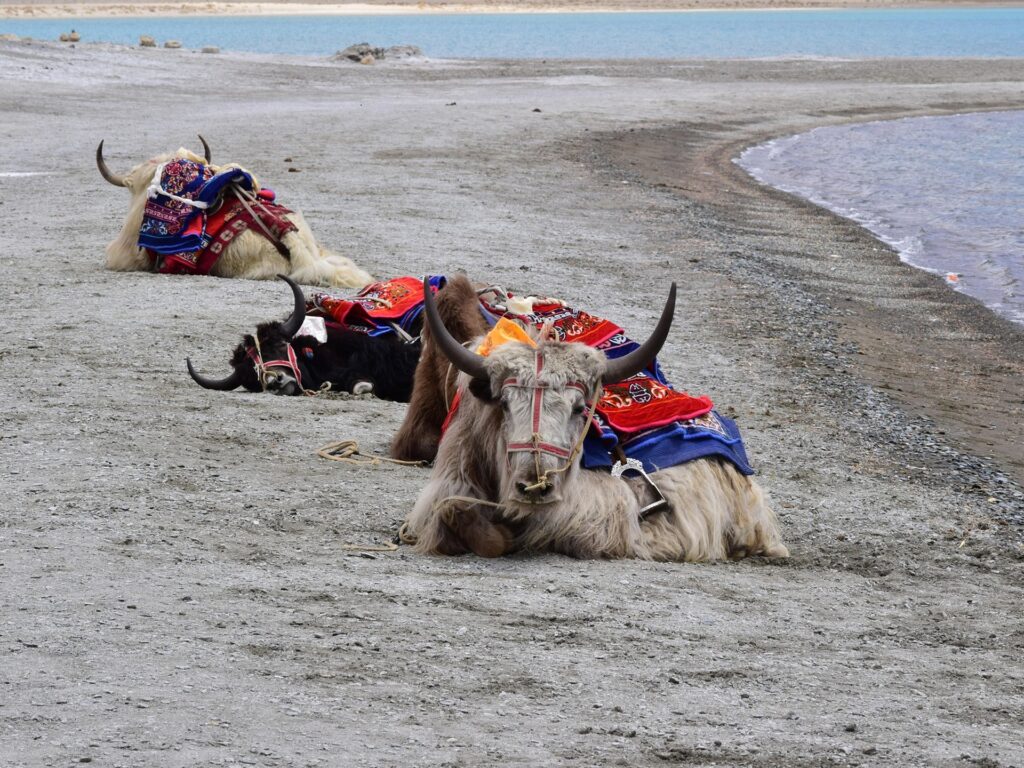
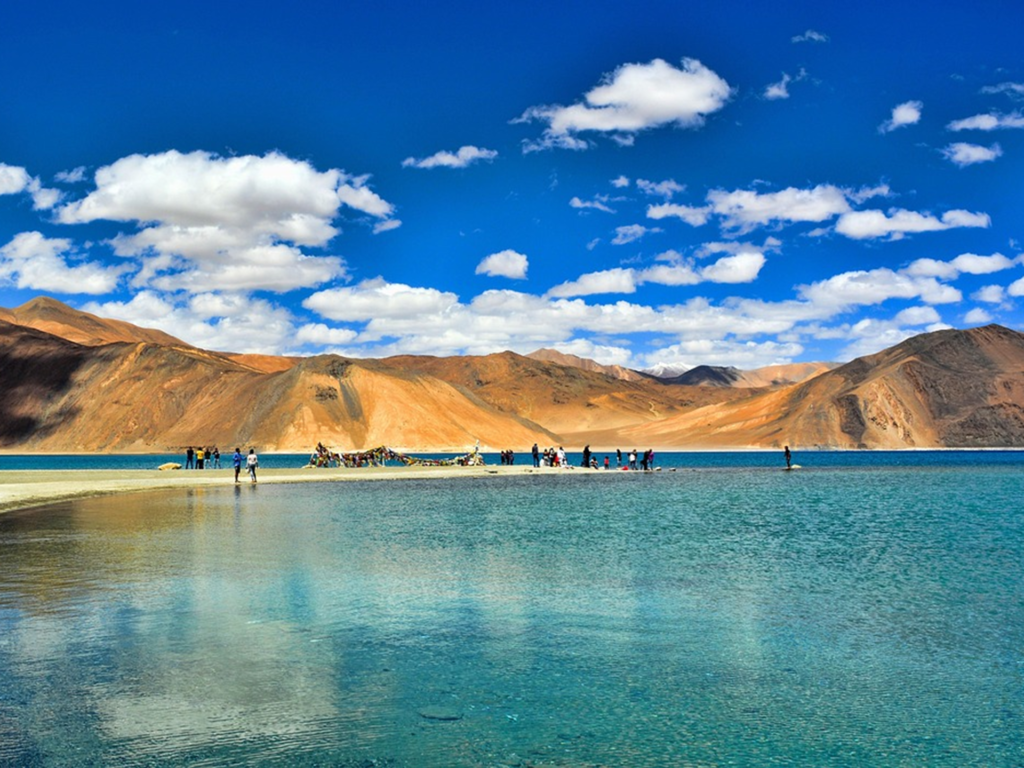
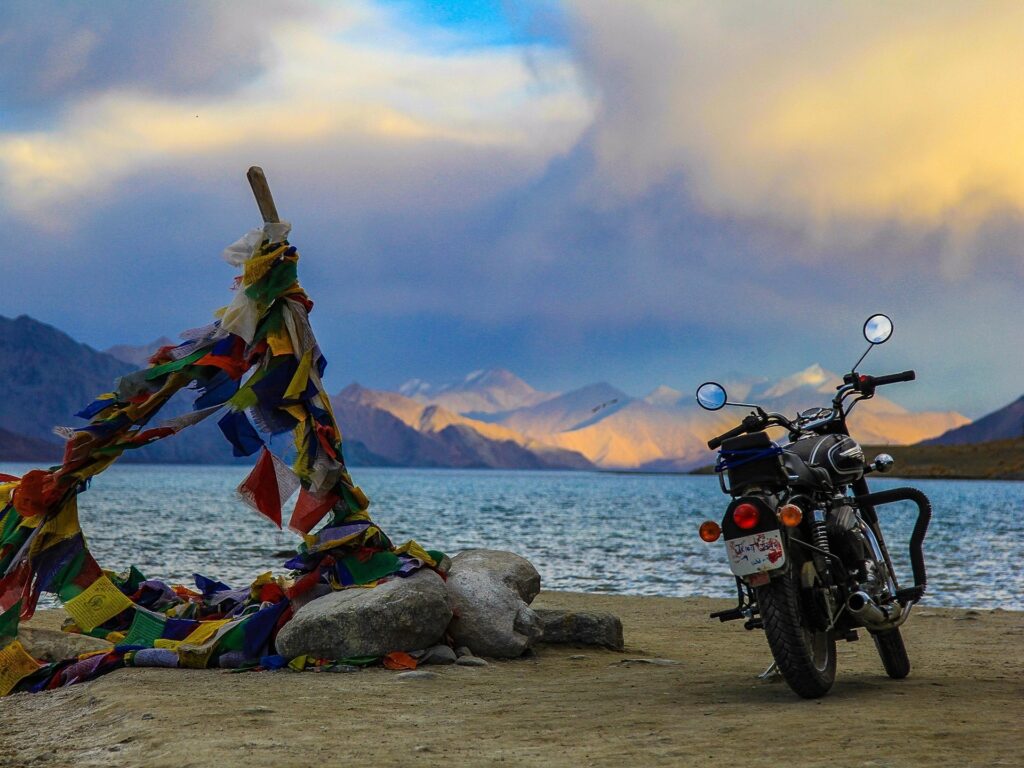
When planning your Leh Ladakh tour package, three destinations stand out as absolute must-visits. Pangong Tso Lake, with its mesmerizing blue waters stretching across the Indo-China border, offers one of the most spectacular sights in Ladakh. The lake’s color changes throughout the day, creating a magical experience for visitors.
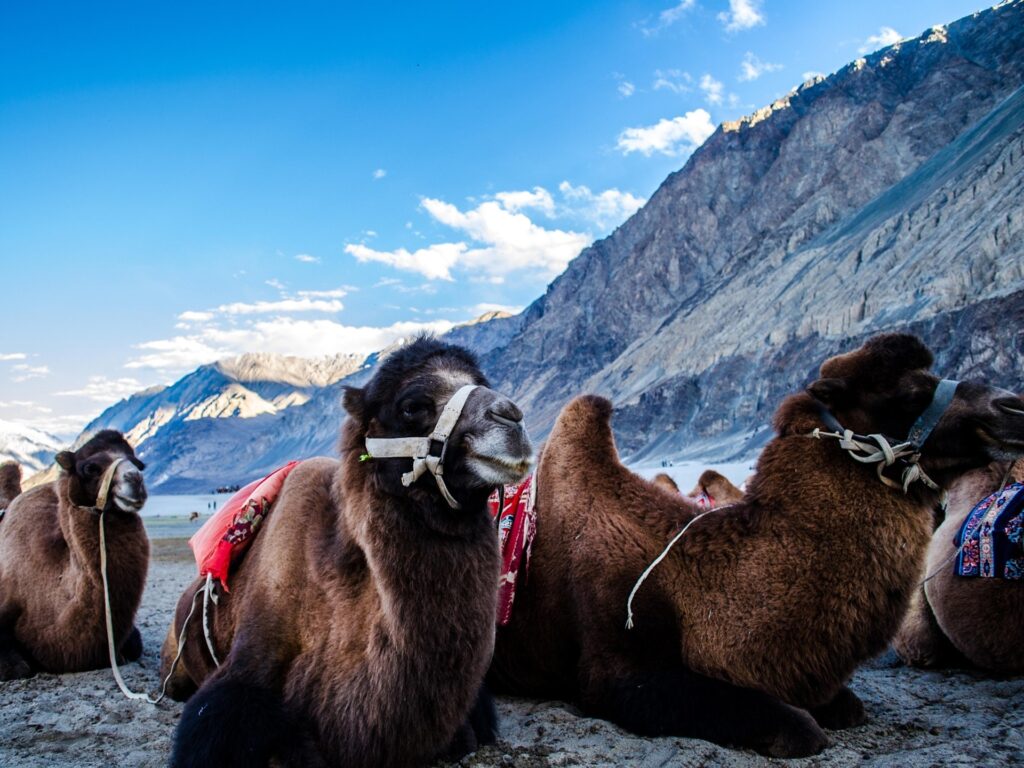
Nubra Valley, accessible through the world’s highest motorable pass, presents a unique landscape of sand dunes, Bactrian camels, and lush green villages. This valley offers a perfect blend of adventure and tranquility, making it an essential part of any Ladakh travel guide.
Khardung-La Pass, standing at over 18,000 feet, serves as the gateway to Nubra Valley and provides breathtaking mountain views. The pass itself is an adventure destination for thrill-seekers and photography enthusiasts.
Beyond these primary attractions, your exploration options extend to Zanskar Valley, Kargil, Spituk Gompa, Magnetic Hill, and Hemis National Park, each offering unique experiences that enrich your Ladakh adventure tour.
Sample 7-day itinerary options with different routes
For those planning a comprehensive Leh Ladakh itinerary, several 7-day route options cater to different preferences and interests.
Route Option 1: Leh – Alchi – Nubra Valley – Pangong Lake – Tso Moriri Lake – Leh
This route combines cultural heritage with natural wonders, starting with the ancient Alchi monastery before exploring the dramatic landscapes of Nubra Valley and the pristine lakes.
Route Option 2: Leh – Lamayuru – Leh – Nubra Valley – Pangong Lake – Leh
This itinerary focuses on the mystical Lamayuru monastery, often called the “Moonland” of Ladakh, before proceeding to the popular Nubra Valley and Pangong Lake circuit.
Route Option 3: Leh – Nubra Valley – Turtuk – Pangong Lake – Tso Moriri Lake – Leh
This route includes Turtuk, the last village accessible to tourists near the Pakistan border, offering insights into Balti culture and unique landscapes.
Each route provides distinct experiences while covering the essential highlights that make Ladakh a remarkable destination.
4-day trip highlights for time-constrained travelers
With this in mind, travelers with limited time can still experience Ladakh’s magic through a well-planned 4-day itinerary. A shorter Leh Ladakh tour package can efficiently cover famous sites including Pangong Tso Lake, Zanskar Valley, Nubra Valley, Khardung-La Pass, Kargil, and the Spituk Gompa.
The 4-day format prioritizes the most iconic destinations, ensuring visitors experience the essential beauty and culture of Ladakh without compromising on quality. This condensed itinerary works particularly well for first-time visitors who want to gauge their interest for future extended trips.
Cultural sites: monasteries and local villages
Now that we have covered the major attractions and itinerary options, cultural immersion forms an integral part of any authentic Ladakh experience. Cycling trips offer particularly deep experiences of local life, allowing travelers to pass through apple orchards, potentially witness wedding celebrations, and visit local schools.
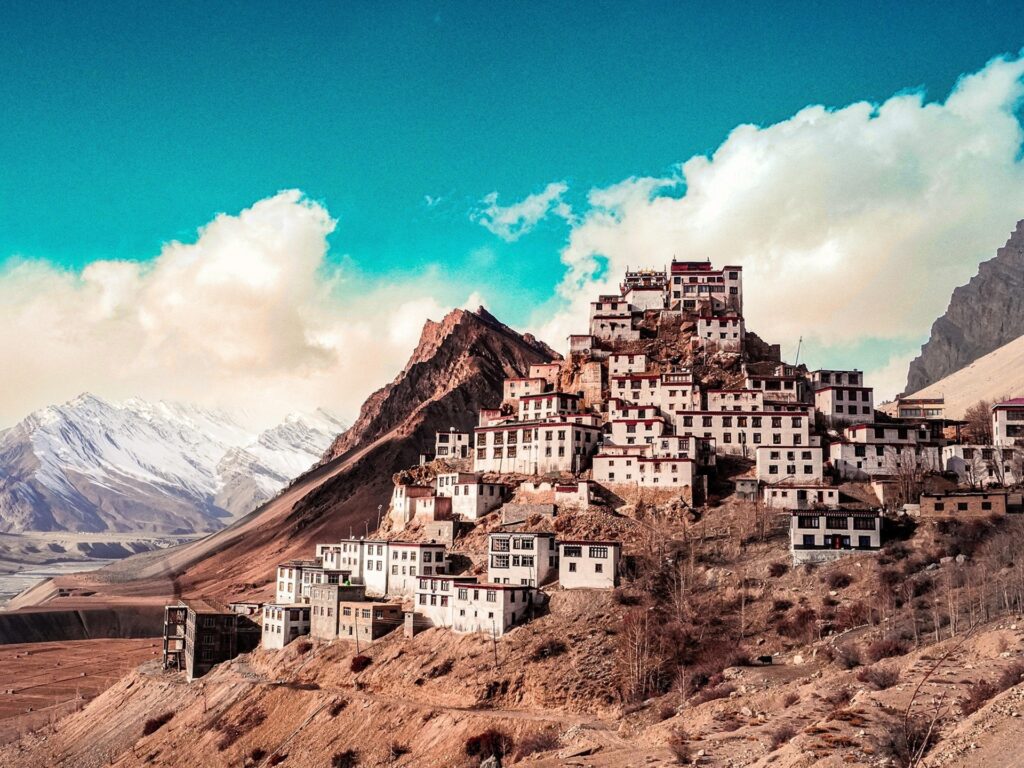
The monastic sites, including Spituk Gompa mentioned in the reference routes, provide spiritual insights into Tibetan Buddhism. These monasteries serve as centers of learning and meditation, offering visitors glimpses into centuries-old traditions.
For culinary enthusiasts, an Artisanal Alchemy’s Dining Experience provides authentic Ladakhi gastronomy complete with narratives about cuisine origins, spices, and culinary history. This cultural dining experience adds depth to your understanding of local traditions and flavors that define Ladakhi culture.
Leh Ladakh Tour Itinerary in short
How to Visit Ladakh from the Major cities of India
Leh Ladakh tour from Kolkata
Getting to Ladakh from Kolkata requires either flying to Leh directly (with one or two stops) or taking a multi-modal journey. The most convenient option is booking a flight from Netaji Subhas Chandra Bose International Airport to Leh Kushok Bakula Rimpochee Airport, typically with connections in Delhi or Mumbai. Airlines like IndiGo, SpiceJet, and Air India operate on this route with total travel time ranging from 4-8 hours including layovers.
For budget-conscious travelers, train travel to Delhi or Jammu followed by road transport offers an economical alternative. The Rajdhani Express takes about 17 hours to reach Delhi, from where you can continue by road to Ladakh. Many Leh Ladakh tour packages from Kolkata include domestic flights, making the journey hassle-free with all arrangements handled by tour operators.
Leh Ladakh tour from Srinagar
Srinagar serves as one of the most scenic gateways to Ladakh via the famous Srinagar-Leh Highway (NH1). This 434-kilometer route takes approximately 8-10 hours by road, passing through breathtaking landscapes including Sonamarg, Zoji La Pass, Drass, and Kargil. The highway remains open from May to October, making it a seasonal option.
Regular bus services operate between Srinagar and Leh, with both government and private operators offering comfortable coaches. Many travelers prefer this route for acclimatization purposes, as the gradual altitude gain helps prevent acute mountain sickness. Tour operators often design Ladakh adventure tour packages that combine Kashmir’s beauty with Ladakh’s rugged terrain, creating an unforgettable Himalayan experience.
Leh Ladakh tour Packages from Jammu
Jammu acts as a crucial entry point for road trips to Ladakh, especially during winter when the Srinagar route closes. The Jammu-Srinagar-Leh route covers approximately 700 kilometers and takes 12-14 hours with overnight stops typically planned in Srinagar or Kargil.
Jammu Tawi railway station connects to major Indian cities, making it accessible for travelers arriving by train. From here, shared taxis, private vehicles, and buses regularly depart for Ladakh. Many Leh Ladakh tour packages from Jammu include comfortable SUVs or tempo travelers, ensuring safe passage through challenging mountain terrain while providing opportunities to capture stunning photographs at various viewpoints.
Leh Ladakh tour from Chandigarh
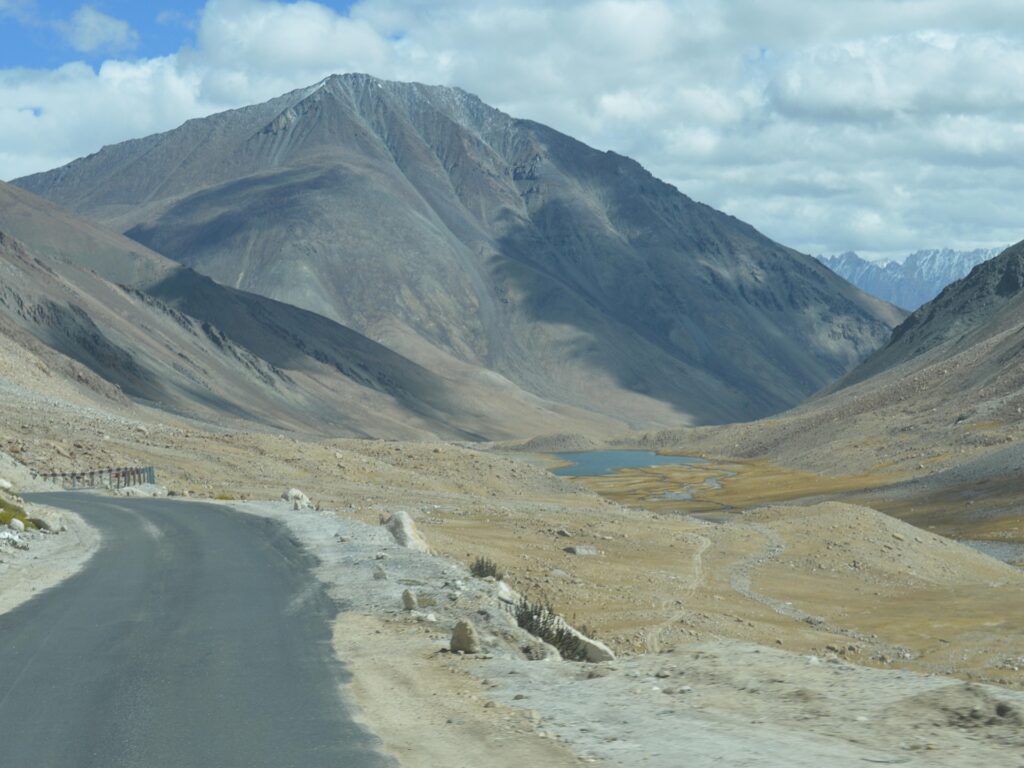
Chandigarh’s proximity to the Himalayas makes it an ideal starting point for Leh Ladakh bike trips and road expeditions. The drive from Chandigarh to Leh covers roughly 650 kilometers via Manali-Leh Highway, taking 2-3 days with overnight stops in Manali and either Sarchu or Pang.
This route operates from June to September and offers spectacular views of Rohtang Pass, Baralacha La, and Tanglang La. Alternatively, travelers can take the longer Jammu-Srinagar route, adding an extra day to the journey. Many adventure enthusiasts prefer Chandigarh as their starting point because of excellent bike rental facilities and tour operator services specializing in motorcycle expeditions to Ladakh.
Leh Ladakah tour from Delhi
Delhi stands as the primary hub for Ladakh tourism, offering maximum connectivity options. Direct flights from Indira Gandhi International Airport to Leh operate year-round, with multiple daily departures by various airlines. Flight duration is approximately 1.5 hours, making it the quickest way to reach Ladakh.
Road trips from Delhi follow two main routes: the Manali-Leh Highway (470 km from Manali) and the Srinagar-Leh Highway. The Delhi-Manali-Leh route takes 3-4 days, while Delhi-Srinagar-Leh requires 2-3 days. Most Ladakh travel guide recommendations suggest flying to Leh for time-constrained travelers, while road trips suit those seeking adventure and gradual acclimatization.
Leh ladakh tour from Mumbai
Mumbai travelers typically fly to Leh with connections in Delhi, with total journey time of 4-6 hours. Major airlines offer competitive fares, especially during off-season periods. Direct flights aren’t available, but convenient connections through Delhi ensure smooth travel.
For those preferring overland routes, Mumbai to Delhi by train or flight, followed by road journey to Ladakh, offers an economical option. The Rajdhani Express covers Mumbai-Delhi in about 16 hours. Leh Ladakh tour packages from Mumbai often include domestic flights and complete ground arrangements, providing value-for-money options for families and groups.
Leh Ladakh tour from Bangalore
Bangalore residents can reach Ladakh via direct flights to Leh with one stop, usually in Delhi or Mumbai. Airlines like IndiGo, Air India, and SpiceJet operate on this sector with total travel time of 4-7 hours depending on layover duration.
Kempegowda International Airport offers excellent connectivity, making flight bookings convenient. Many Ladakh tour operator companies in Bangalore specialize in comprehensive packages that include flights, accommodation, meals, and sightseeing, ensuring hassle-free travel for technology professionals and other busy travelers from India’s Silicon Valley.
Best Selling Leh Ladakh Tour Packages
Commence on an unforgettable adventure with Mercury Tour Operator’s Leh Ladakh Tour Package. Discover the mesmerizing beauty of Ladakh with our meticulously crafted Leh Ladakh tour package itinerary, tailored to offer you an experience like no other.
Explore the breathtaking landscapes of Leh Ladakh, where majestic mountains meet serene lakes, and ancient monasteries dot the horizon. Our Ladakh tour packages ensure that every moment is filled with awe and wonder, as you immerse yourself in the rich culture and history of this Himalayan region.
With Mercury Tour Operator, you’ll enjoy seamless travel arrangements, comfortable accommodations, and expert guidance throughout your journey for Leh Ladakh Trip. Say goodbye to stress and hello to relaxation as you traverse the rugged terrain of Leh, knowing that every detail has been taken care of for you.
Experience the thrill of adventure as you indulge in exhilarating activities such as trekking, river rafting, and wildlife spotting. Whether you’re a nature enthusiast, a photography buff, or simply seeking solace in the mountains, our Leh Ladakh tour packages cater to every traveler’s dream.
Grab this chance to make memories that will stay with you forever.. Book your best Leh package tour with Mercury Tour Operator today and embark on the journey of a lifetime. Let us take you on a magical adventure where every moment is a discovery. Start planning your Ladakh tour now and make memories that will last a lifetime.
Leh Ladakh Tour Packages Itinerary
Day 01: Depart from Kolkata for Kushok Bakula Rimpochee Airport by flight. Upon arrival, our representative from Local Leh Ladakh will greet you at the airport. You will be transported to your hotel in Leh by car. After checking in, take some time to rest and acclimate to the surroundings. In the evening, explore the nearby market. Overnight stay at the Leh hotel.
Day 02: Enjoy breakfast at the hotel before checking out. Depart for Nubra Valley (160 km, 5 hours) by car, with excursions along the way. Overnight stay at a hotel in Nubra Valley.
Day 03: After breakfast, check out from the Nubra Valley Hotel and return to Leh by car. Overnight stay at the Leh hotel once again.
Day 04: Start your day with breakfast at the hotel before checking out. Depart for Pangong Lake (220 km, 6 hours) and explore its surroundings. Overnight stay at a hotel near Pangong Lake.
Day 05: Enjoy breakfast at the hotel before checking out. Return to Leh from Pangong Lake by car. Overnight stay at the Leh hotel once again.
Day 06: Check out from the hotel in Leh and visit the local market. Then, catch a flight from Leh back to Kolkata, carrying fond memories of your t
Day 01: Embark on a flight journey from Kolkata to Kushok Bakula Rimpochee Airport covering a distance of 1661 kilometers. Upon arrival, our friendly representative from Local Leh Ladakh will warmly greet you at the airport. You’ll be whisked away to your accommodation in Leh via a comfortable car ride. After settling in, take some time to unwind and soak in the local atmosphere. In the evening, explore the nearby markets at your leisure. Retire for the night at your cozy Leh hotel.
Day 02: Today is dedicated to exploring the charming sights of Leh and indulging in a leisurely market stroll, all facilitated by a convenient car ride. Spend the day taking in the beauty and culture of Leh before returning to your hotel for a restful overnight stay.
Day 03: After a satisfying breakfast, bid farewell to your Leh hotel as you embark on a scenic journey to Nubra Valley, covering a distance of 160 kilometers in approximately 5 hours by car. Delve into the enchanting excursions offered by Nubra Valley before retiring to your hotel for a peaceful night’s sleep.
Day 04: Enjoy a hearty breakfast at your Nubra Valley accommodation before checking out. Depart for Leh by car, soaking in the picturesque landscapes along the way. Upon reaching Leh, settle back into your hotel for another comfortable overnight stay.
Day 05: Start your day with a delicious breakfast before bidding adieu to your Leh hotel. Embark on an adventurous journey to Pangong Lake, a breathtaking drive spanning 220 kilometers and approximately 6 hours. Explore the wonders of Pangong Lake and its surroundings before settling in for the night at a cozy hotel.
Day 06: Indulge in a delightful breakfast at your Pangong Lake accommodation before checking out. Begin your journey back to Leh, savoring the scenic vistas one last time. Return to your Leh hotel for a final overnight stay amidst the tranquil surroundings.
Day 07: Check out from your Leh hotel after breakfast and take one last stroll through the local markets, soaking in the vibrant atmosphere. Bid farewell to Leh as you catch a flight back to Kolkata, cherishing the sweet memories of your tour forever.
Day 01: Commence your journey with a flight from Kolkata to Kushok Bakula Rimpochee Airport, covering a distance of 1661 kilometers. Upon arrival, be warmly greeted by our representative from Local Leh Ladakh who will assist you in transferring to your accommodation in Leh via a comfortable car ride. After checking in, take some time to unwind and acquaint yourself with the surroundings. In the evening, feel free to explore the nearby market before retiring for the night at your Leh hotel.
Day 02: Enjoy a delicious breakfast at your Leh hotel before checking out. Embark on a scenic drive to Nubra Valley, spanning 160 kilometers and approximately 5 hours by car. Explore the wonders of Nubra Valley and its excursions before settling in for a restful overnight stay at a hotel in Nubra Valley.
Day 03: After a satisfying breakfast, bid farewell to your Nubra Valley accommodation and start your journey back to Leh by car. Upon reaching Leh, check in to your hotel for another comfortable overnight stay.
Day 04: Start your day with a hearty breakfast before checking out from your Leh hotel. Begin your adventure to Pangong Lake, a scenic drive covering 220 kilometers and approximately 6 hours. Explore the beauty of Pangong Lake and its surroundings before settling in for the night at a hotel near the lake.
Day 05: Enjoy breakfast at your Pangong Lake accommodation before checking out. Depart for Leh from Pangong Lake, soaking in the picturesque landscapes along the way. Return to your Leh hotel for a peaceful overnight stay.
Day 06: Indulge in a delicious breakfast at your Leh hotel before checking out. Embark on a journey to Tsokar Lake, covering 150 kilometers in approximately 4 hours by car. Explore the serene beauty of Tsokar Lake and its surroundings before settling in for the night at a hotel near the lake.
Day 07: After breakfast, bid farewell to Tsokar Lake as you start your journey back to Leh by car. Upon reaching Leh, check in to your hotel for another comfortable overnight stay.
Day 08: Check out from your Leh hotel after breakfast and take a leisurely stroll through the local market, soaking in the vibrant atmosphere one last time. Bid farewell to Leh as you catch a flight back to Kolkata, carrying with you cherished memories of your tour.
Embark on an exhilarating 8 nights 9 days journey through the mystical landscapes of Leh Ladakh, including a captivating detour to Manali. Here’s a unique itinerary tailored just for you:
Day 01: Arrival in Leh
Upon your arrival at Kushok Bakula Rimpoche Airport, our friendly representatives will greet you and transfer you to your hotel. Take the day to acclimatize to the altitude and unwind. Later, explore the serene Shanti Stupa and the inspiring Hall of Fame Museum. Enjoy a cozy evening at your Leh hotel.
Day 02: Leh Local Sightseeing
After breakfast, embark on a sightseeing tour of Leh. Visit the historic Shey Palace, the renowned Druk White Lotus School, the majestic Thiksey Monastery, and the serene Hemis Monastery. Don’t miss the sacred fish pond near Shey Palace. Return to your hotel for a relaxing evening.
Day 03: Leh to Nubra Valley
Journey to the enchanting Nubra Valley via the breathtaking Khardungla Pass, the highest motorable road in the world. Take in the panoramic views and make a pit stop for lunch. Arrive in Nubra and enjoy a camel safari amidst the sand dunes of Hunder. Visit the ancient Diskit Monastery before retiring to your hotel or camp for the night.
Day 04: Nubra Valley to Pangong Lake
Set off for Pangong Lake via the scenic Sayak River route. Capture the mesmerizing beauty of the landscape en route. Arrive at the picturesque Pangong Lake and spend the afternoon exploring its tranquil shores. Overnight stay at a camp or hotel by the lake.
Day 05: Pangong Lake to Leh via Changla Pass
After breakfast, drive back to Leh via the majestic Changla Pass. Admire the snow-capped peaks and soak in the beauty of the surroundings. Visit the charming villages of Shakti, Karu, Thiksey, and others on your way back. Relax and unwind at your Leh hotel in the evening.
Day 06: Leh Local Sightseeing with Alchi and Likir Monasteries
Embark on a day trip to the ancient Alchi and Likir Monasteries, nestled amidst stunning landscapes. Enjoy a packed lunch amidst nature. On the way back to Leh, visit the confluence of Indus and Zanskar rivers, Magnetic Hill, Gurudwara Pathar Sahib, Spituk Monastery, and the Hall of Fame Museum. Return to Leh for a peaceful evening.
Day 07: Leh to Sarchu
Depart for Sarchu after an early breakfast. Cross the scenic Tanglang La Pass and enjoy the picturesque journey. Stop for lunch and refreshments en route. Arrive in Sarchu, where you can explore the charming village and relax at your camp for the night.
Day 08: Sarchu to Manali
Drive to Manali via the breathtaking Rohtang Pass. Enjoy the scenic drive through Lahaul Valley, with stops at Kalong and Bhagalpur for refreshments. Arrive in Manali and check into your hotel. Spend the evening at leisure, exploring the vibrant town.
Day 09: Departure from Manali
After breakfast, check out from your hotel and bid farewell to the enchanting landscapes of Leh Ladakh as you proceed towards your onward journey, cherishing unforgettable memories.
Experience the magic of Leh Ladakh and Manali with this meticulously crafted tour package.
Day 01: Begin your adventure by boarding a flight from Kolkata to Kushok Bakula Rimpochee Airport, covering a distance of 1661 kilometers. Upon arrival, our representative from Local Leh Ladakh will warmly welcome you at the airport. You’ll then be chauffeured to your hotel in Leh via a comfortable car ride. After settling in, take some time to relax and acclimate to the surroundings. In the evening, you have the option to explore the nearby market at your leisure. Retire for the night at your Leh hotel.
Day 02: Enjoy a delicious breakfast at your Leh hotel before checking out. Embark on a scenic drive to Nubra Valley, spanning 160 kilometers and approximately 5 hours by car. Immerse yourself in the beauty of Nubra Valley and its excursions before settling in for a peaceful overnight stay at a hotel in Nubra Valley.
Day 03: After a fulfilling breakfast, bid farewell to your Nubra Valley accommodation and journey back to Leh by car. Upon reaching Leh, check in to your hotel for another comfortable overnight stay.
Day 04: Start your day with a hearty breakfast before checking out from your Leh hotel. Embark on an exciting journey to Pangong Lake, a picturesque drive covering 220 kilometers and approximately 6 hours. Explore the wonders of Pangong Lake and its surroundings before settling in for the night at a hotel near the lake.
Day 05: Enjoy breakfast at your Pangong Lake accommodation before checking out. Depart for Leh from Pangong Lake, taking in the breathtaking scenery along the way. Return to your Leh hotel for a relaxing overnight stay.
Day 06: Indulge in a delectable breakfast at your Leh hotel before checking out. Begin your journey to Tsokar Lake, covering 150 kilometers in approximately 4 hours by car. Explore the tranquility of Tsokar Lake and its surroundings before settling in for the night at a hotel near the lake.
Day 07: After breakfast, bid farewell to Tsokar Lake as you embark on your journey back to Leh by car. Upon reaching Leh, check in to your hotel for another comfortable overnight stay.
Day 08: Enjoy breakfast at your Leh hotel before checking out. Start your adventure to Tso Moriri Lake, a scenic drive covering 220 kilometers and approximately 5 hours. Explore the beauty of Tso Moriri Lake and its surroundings before settling in for the night at a hotel near the lake.
Day 09: After a satisfying breakfast, bid adieu to Tso Moriri Lake as you journey back to Leh by car. Upon reaching Leh, check in to your hotel for another comfortable overnight stay.
Day 10: Check out from your Leh hotel after breakfast and take a leisurely stroll through the local market, soaking in the vibrant atmosphere one last time. Bid farewell to Leh as you catch a flight back to Kolkata, carrying with you cherished memories of your tour.
Leh Ladakh Tour packages from Kolkata
Plan Leh Tour From Kolkata
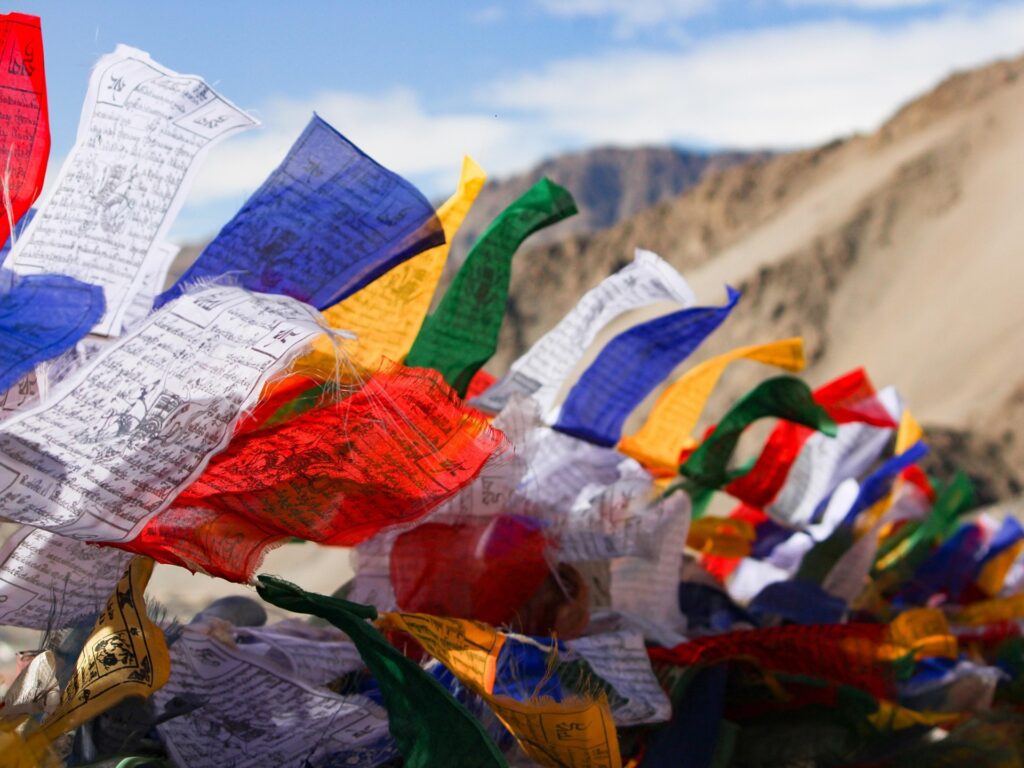
Start on an unforgettable journey from the vibrant streets of Kolkata to the serene landscapes of Leh Ladakh with our exclusive Leh Ladakh Tour Packages from Kolkata. Immerse yourself in the majestic beauty of the Himalayas as you traverse through winding mountain roads, adorned with prayer flags fluttering in the crisp mountain air. Explore ancient monasteries perched atop rocky cliffs, witness the breathtaking vistas of azure lakes reflecting the surrounding peaks, and discover the rich cultural tapestry of this remote region. With comfortable accommodations, expert guides, and seamless logistics, let us craft an experience that will leave you with cherished memories for a lifetime. Join us on this remarkable expedition from the city of joy to the land of high passes.
Wonderful Leh Ladakh Tour Package From Kolkata to enjoy the beauty of northern India lies in the snow-capped peaks in Leh Ladakh and the dense clouds add more beauty to this heaven.
Book Leh Ladakh Tour with Mercury Tour Operator
Book Leh Ladakh Tour Packages From Kolkata: Discover Mercury Tour Operator’s top deals on Leh – Ladakh trips. Order unique Ladakh vacation packages with top-notch discounts. You can choose from a variety of options if you’re looking for a low-cost Ladakh tour package or an exciting Leh Ladakh tour. All significant locations will be covered by our most popular Leh Ladakh trip packages, and you’ll have enough of free time to partake in authentic local experiences.
From the 1970s this beautiful place was opened to tourists and from then this has become one of the places on their travel list. From architecture to food everywhere you will see a touch of the Tibetian culture, and famous cuisines make up of Thukpa and Tsampo during Leh Ladakh Tour Packages . Music has also been touched by the Tibetian culture which consists of traditional instruments like Drums and Senai. Enjoy the Leh Ladakh tour Package from Kolkata, Delhi, Srinagar, and rest of the India with Mercury Tour Operator.
Tourism of Ladakh
What is Ladakh famous for

How to reach Leh from Kolkata
If you are planning to travel to Leh from Kolkata by flight then it will take you to the shortest route with one stop at Delhi Airport for 8 hours and the minimum booking price in the offseason will be Rs.7000. The most convenient flight is Air India. The closest railway station too is Jammu Tawi Railway Station which is well connected with Delhi Kolkata and Mumbai. The Jammu Tawi Express (train no- 13151) from Kolkata runs 7 days and it will take around 44 hours to reach Jammu Tawi. At major stations, the train stops like Durgapur Junction, Asansol Junction, Dhanbad junction, Roorkee, Pathankot Cantt ointment and Hira Nagar. The average train ticket starts from Rs.2840. After reaching the Jammu Tawi station you can book a cab and its only 9 km from the station to the city center. If you are planning to Leh Ladakh Package trip from Kolkata by bus or self-driven car it will take you around 83 hours to reach Leh. Though this is a very long journey scenic beauty gazers will love this long journey.
Best time to visit Leh Ladakh from Kolkata

Leh Ladakh Tour Package with Kashmir


Day 01: Pick up from Jammu station . Check in Jammu hotel and overnight stay.
Day 02: Welcome to Srinagar
Day 04: Beauties of Srinagar. Srinagar local sightseeing.
Day 05: the historic Kargil. Srinagar to Kargil transfer and stay for night.
Day 06: Welcome to Leh. Kargil to Leh transfer and overnight stay.
Day 07: The monasteries of Leh. Local sightseeing of Leh.
Day 08: The heights of Nubra Valley (Diskit Hunder). Leh to Nubra tour via Khardungla.
Day 09: Nubra to Pangong Lake transfer .The mesmerising Pangong Lake and Sayak river.
Day 10: Pangong to Leh transfer.
Day 11: Santistup and the Hall of fame.
Day 12: Welcome to Jhaspa.
Day 13: Welcome to Manali.
Day 14: wonders of Manali. Manali local sightseeing.
Day 15: to the capital.
Places of interest in Leh Ladakh
Zanskar Valley
Pangong Tso Lake
Kargil
Khardung-La Pass
Numbra Valley
Magnetic Hill
Spituk Gompa
Hemis National Park
Shanti Stupa
Hemis Monastery
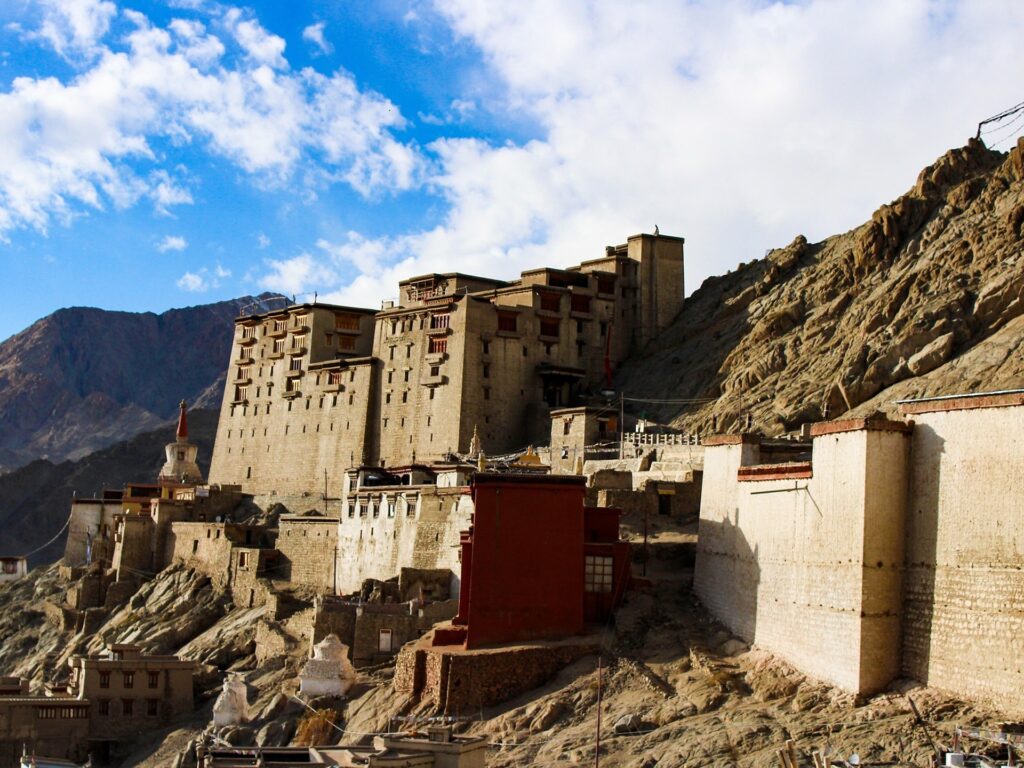
Royal Leh Palace
MoonLand
Tso Moriri Lake
Chadar Trek
Alchi
Thiksey Gompa
Diskit Monastery
Stakna Monastery
Phyang Gompa
Likir Monastery
Phugtal Monastery
Posted on GoogleTrustindex verifies that the original source of the review is Google. We are very happy about Sri Lanka tour. Excellent......Posted on GoogleTrustindex verifies that the original source of the review is Google. It was an amazing experience to visit all the banedi bari pujas of Kolkata... Our guide described all things very clearly... And the arrangement of buffet lunch was also very much overwhelming... Overall a must try experience.Posted on GoogleTrustindex verifies that the original source of the review is Google. মার্কারি ট্যুর অপারেটর কলকাতার আয়োজনে সুমন্ত বসুর তত্ত্বাবধানে বেরিয়েছিলাম শ্রীলঙ্কা দেখতে ।সঙ্গী ছিল আরো ১৩ জন সহযাত্রী ।শ্রীলংকার অপরূপ সুন্দর সৌন্দর্যের আমরা সবাই মুগ্ধ ।আমাদের যে ট্যুর অপারেটর যার তত্ত্বাবধানে এসেছিলাম সুমন্ত বসু ব্যবহার আমাদের মুগ্ধ করেছে। প্রতিটি মানুষের প্রতি আলাদা আলাদা নজর আমাদের সত্যি ভালো লেগেছে। আমাদের গাড়ির ড্রাইভার এবং গাইড উপল যে আমাদের সব জায়গায় হোটেল গুলোর বন্দোবস্ত করে দিয়েছিল তার অসাধারণ। আমার পক্ষ থেকে আন্তরিক ধন্যবাদ জানাবো মার্কারি ট্যুর অপারেটর কলকাতা এবং সুমন্ত বসুকে ।ধন্যবাদ।Posted on GoogleTrustindex verifies that the original source of the review is Google. Enjoyed Srilanka tour with Mercury tour operatorPosted on GoogleTrustindex verifies that the original source of the review is Google. Very very good Srilanka tourPosted on GoogleTrustindex verifies that the original source of the review is Google. This is number one tour operator I have. I have spent my beautiful moment with them. Thank you specially Mr Sumanta Basu the owner. Meet you soon 😍.Posted on GoogleTrustindex verifies that the original source of the review is Google. Good tour operator from IndiaVerified by TrustindexTrustindex verified badge is the Universal Symbol of Trust. Only the greatest companies can get the verified badge who has a review score above 4.5, based on customer reviews over the past 12 months. Read more
We are Mercury Tour Operator, the Best Travel agency in Kolkata.
We provide domestic and international tour packages across the globe. you can choose our special tour packages from Kolkata, Delhi, Mumbai, Bangalore, Chennai, and all major cities of India. We conduct the Darjeeling tour, Darjeeling Gangtok Tour, Sikkim Silk route tour, Assam and Shillong tour, Arunachal tour, Dooars tour, Sundarban tour, Purulia tour, West Bengal Tour, Andaman tour, Kolkata tour, Durga puja parikrama, Daringbadi tour, Satkosia tour, Shimla Tour, Kashmir Tour Package, Leh Ladakh tour package, Rajasthan tour package, Goa Tour Package, Madhyapradesh Tour package, Kerala tour package. For International Tour, we provide Thailand Tour Package, Vietnam Tour Package, Bali Tour Package, Bangladesh Tour Package, Bangladesh Shaktipeeth Tour, Singapore Tour, Malaysia Tour package, Srilanka Tour, Dubai Tour, Europe Tour package, Bhutan tour, Nepal Tour, Maldives Tour, Kenya Masai mara tour, Kenya and Tanzania Tour, Egypt tour packages from India.


