Author: mercury

  • Explore Sikkim’s Silk Route: Stunning Tours from Kolkata

    Explore Sikkim’s Silk Route: Stunning Tours from Kolkata

    Explore Sikkim Silk Route -Stunning Tours from Kolkata

    Planning a tour? Get in touch with us.

    Journey to the Old silk route sikkim

    Have you ever dreamed of embarking on a journey that would transport you back in time, traversing ancient trade routes and experiencing breathtaking landscapes? Look no further than the Old Silk Route in Sikkim! This legendary path, once trodden by merchants and explorers, now offers modern-day adventurers a chance to experience the magic of a bygone era.

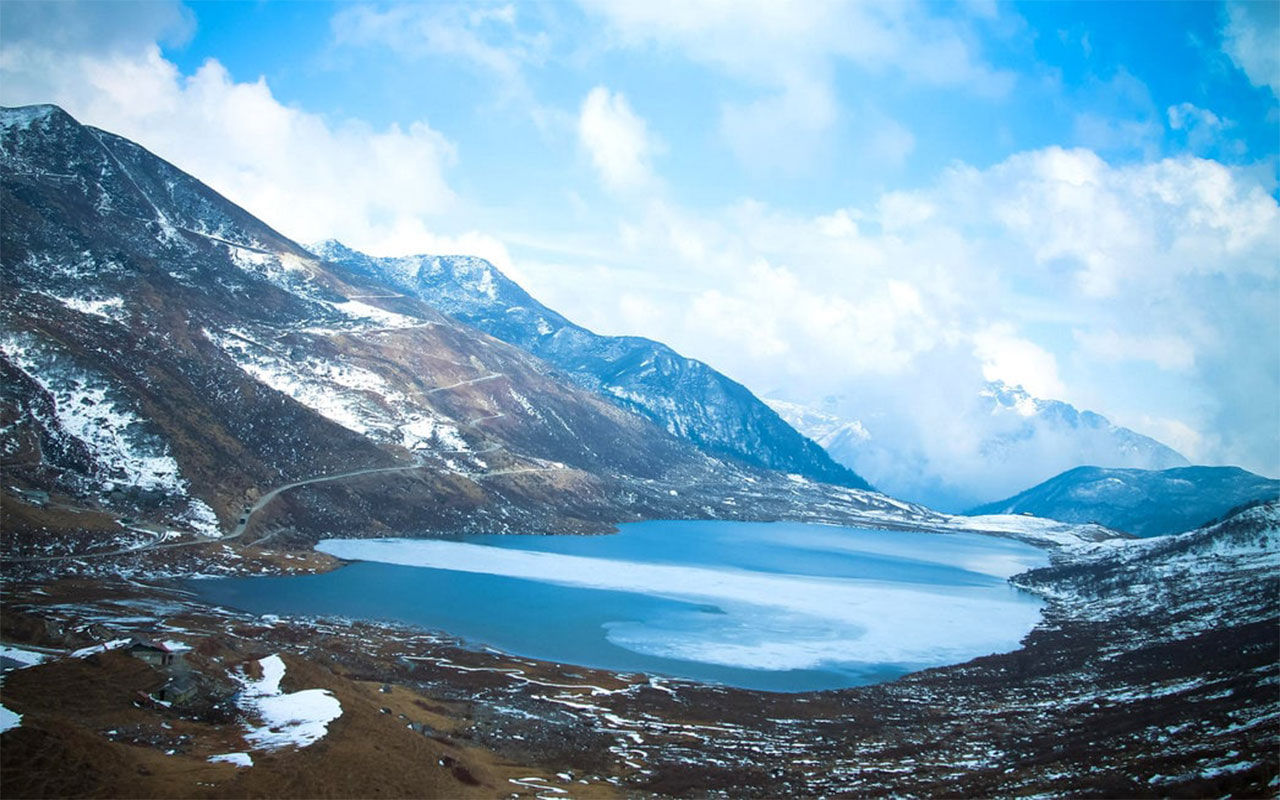
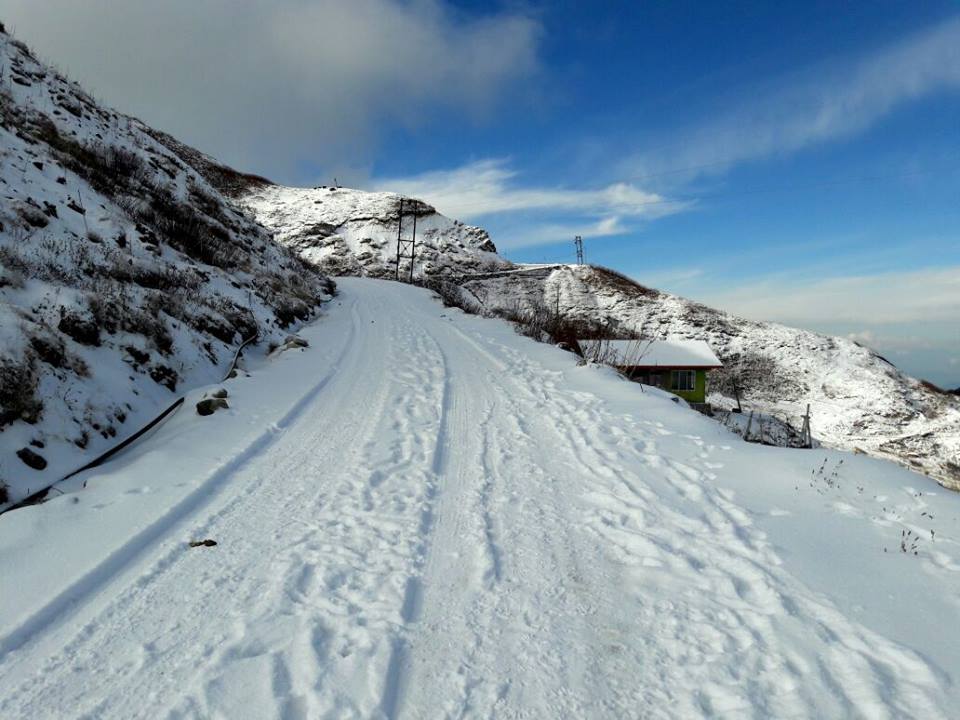
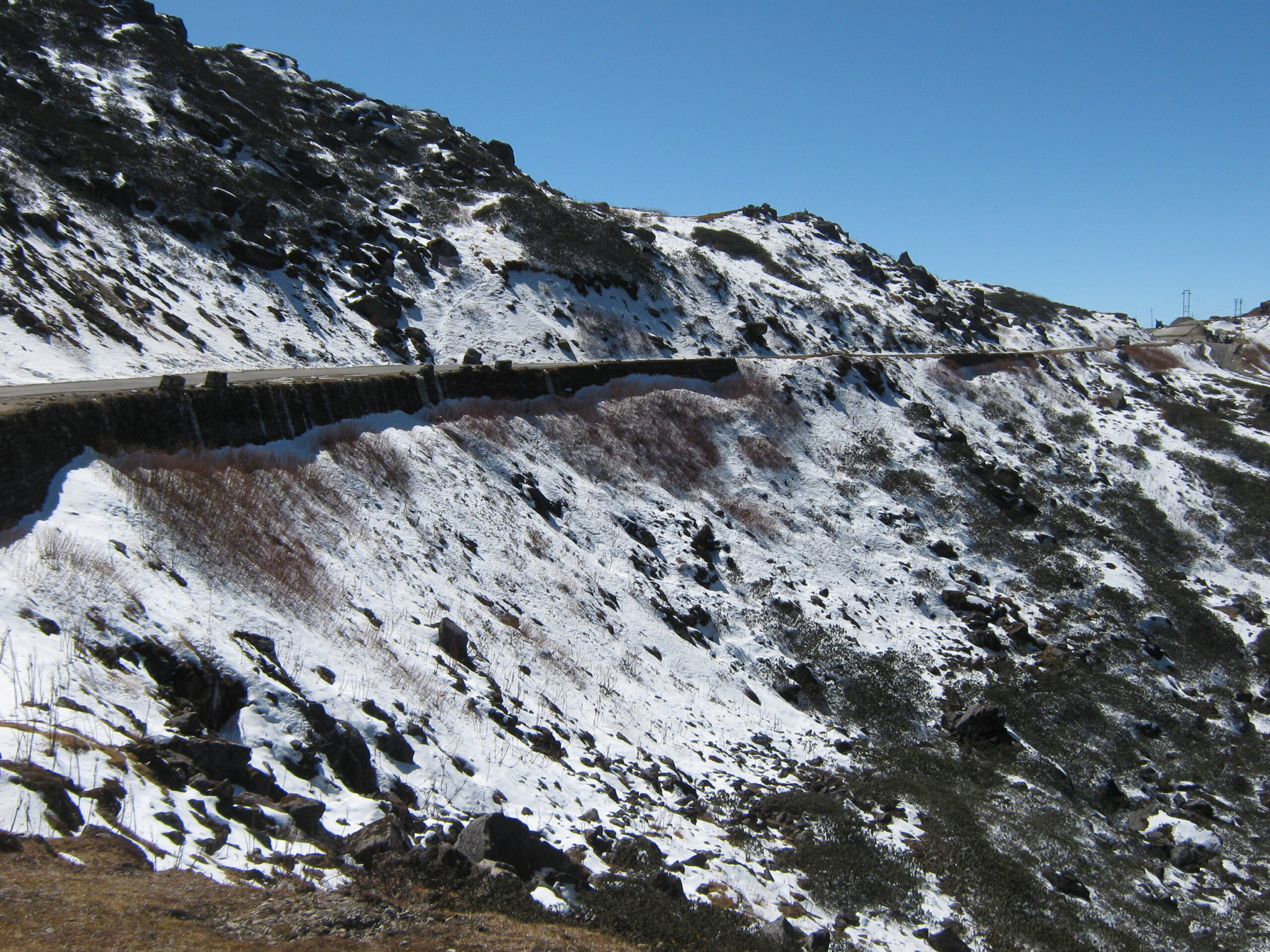
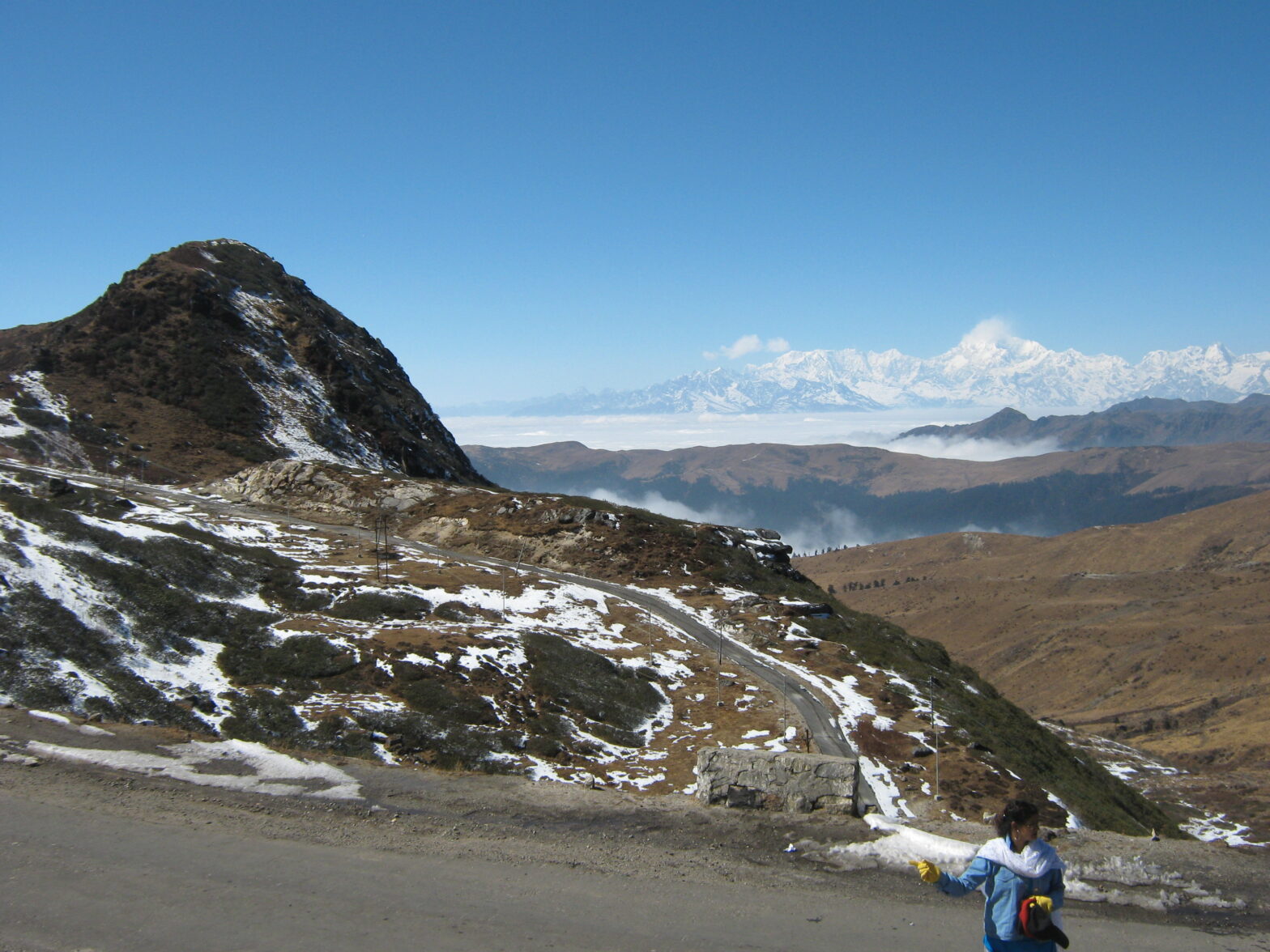
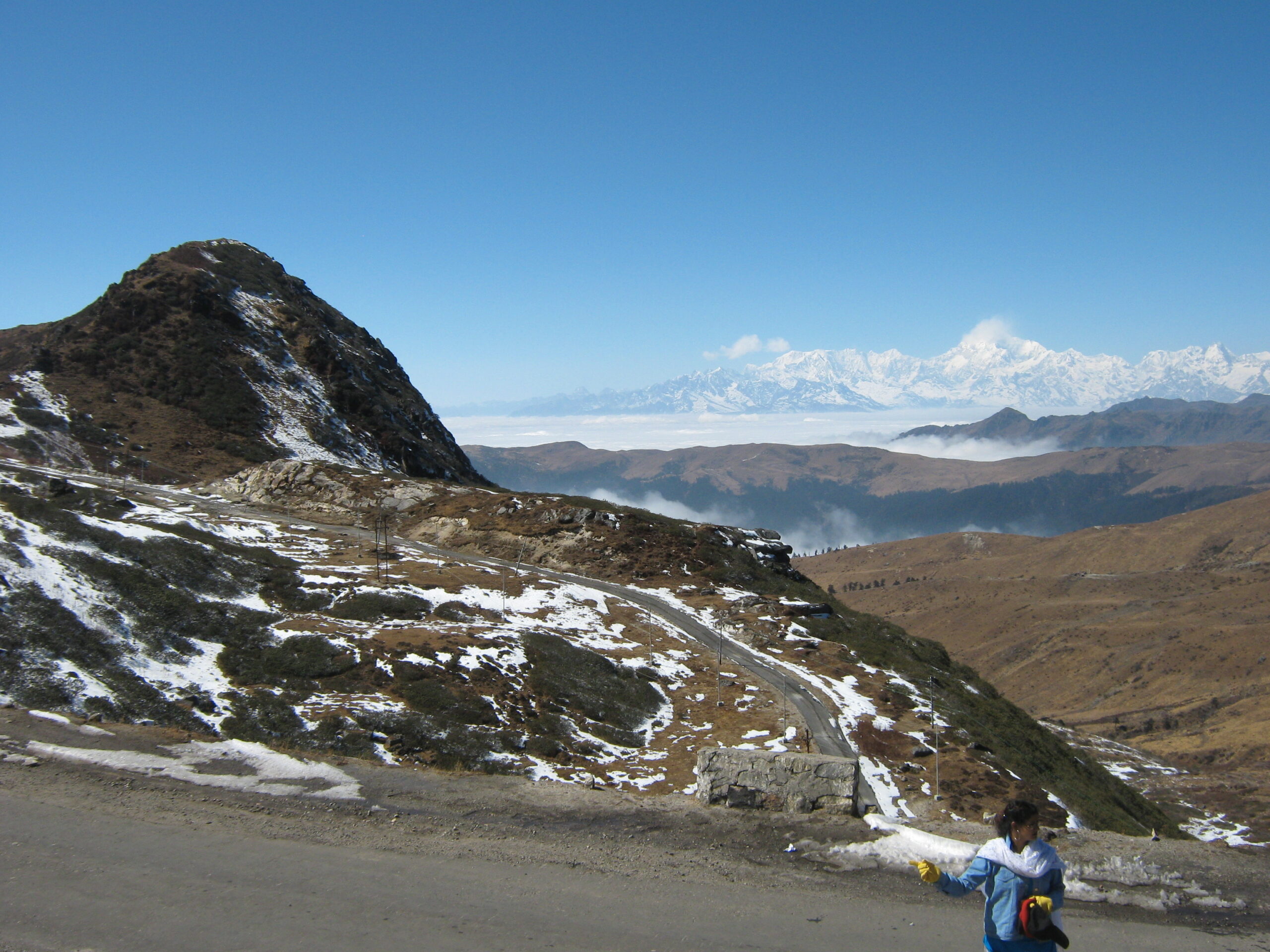
    snow capped Silk route
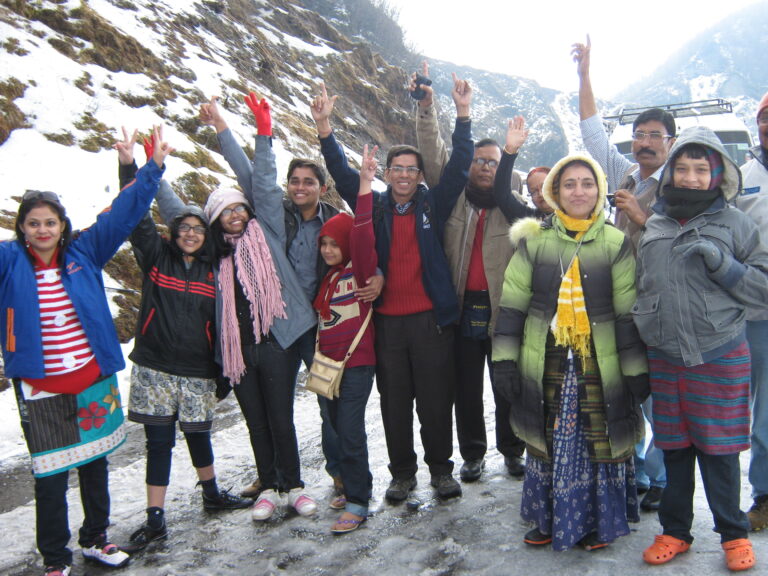
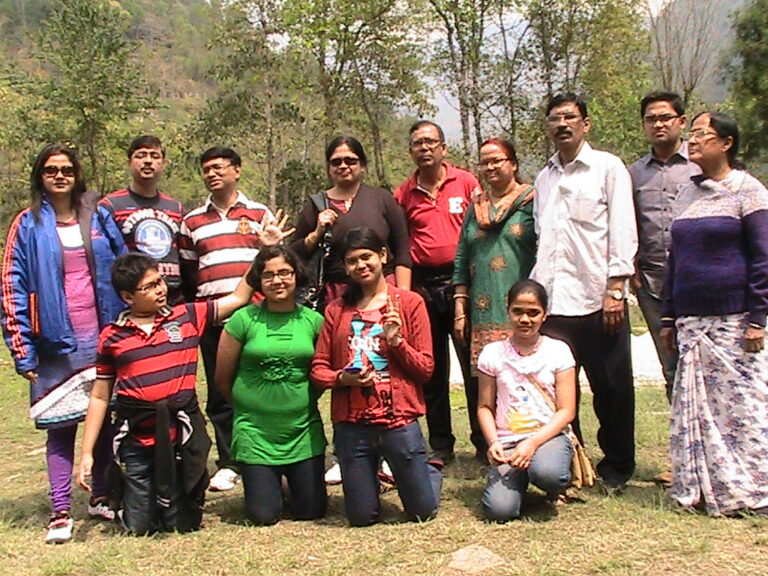
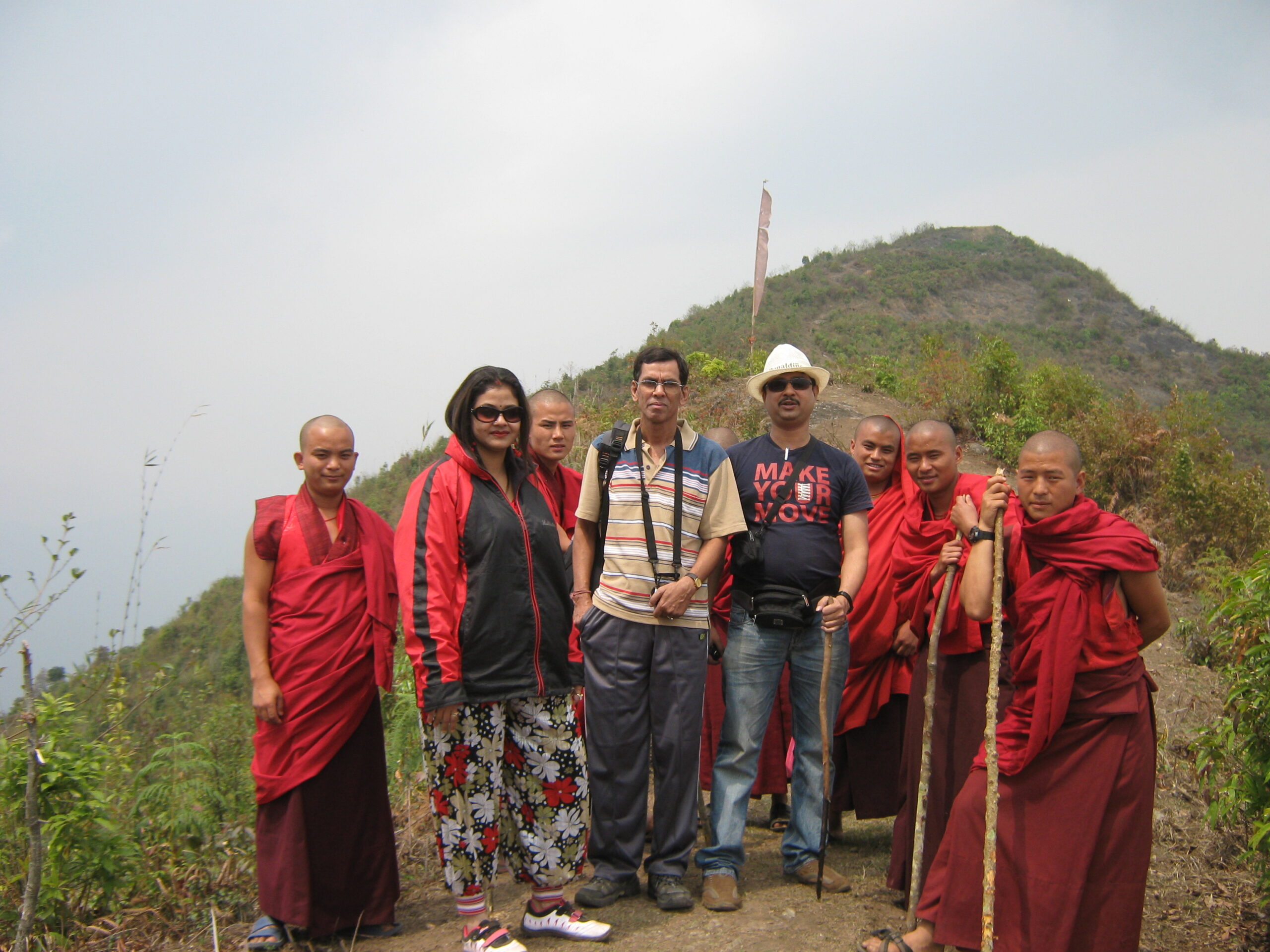
    Tourist in Silk route

    Imagine waking up to misty mountains, sipping on aromatic tea while gazing at snow-capped peaks, and exploring quaint villages frozen in time. The Old Silk Route tour in Sikkim promises all this and more! But with so many options available, planning the perfect trip can be overwhelming. Where do you start? What should you see? When is the best time to go? 

    Don’t worry! We’ve got you covered. In this comprehensive guide, we’ll walk you through everything you need to know about the Old Silk Route tour in Sikkim. From the best tour packages and ideal visiting times to insider tips and must-see attractions, we’ll ensure your Sikkim adventure is nothing short of extraordinary. So, buckle up as we embark on a virtual journey through the enchanting Old Silk Route!

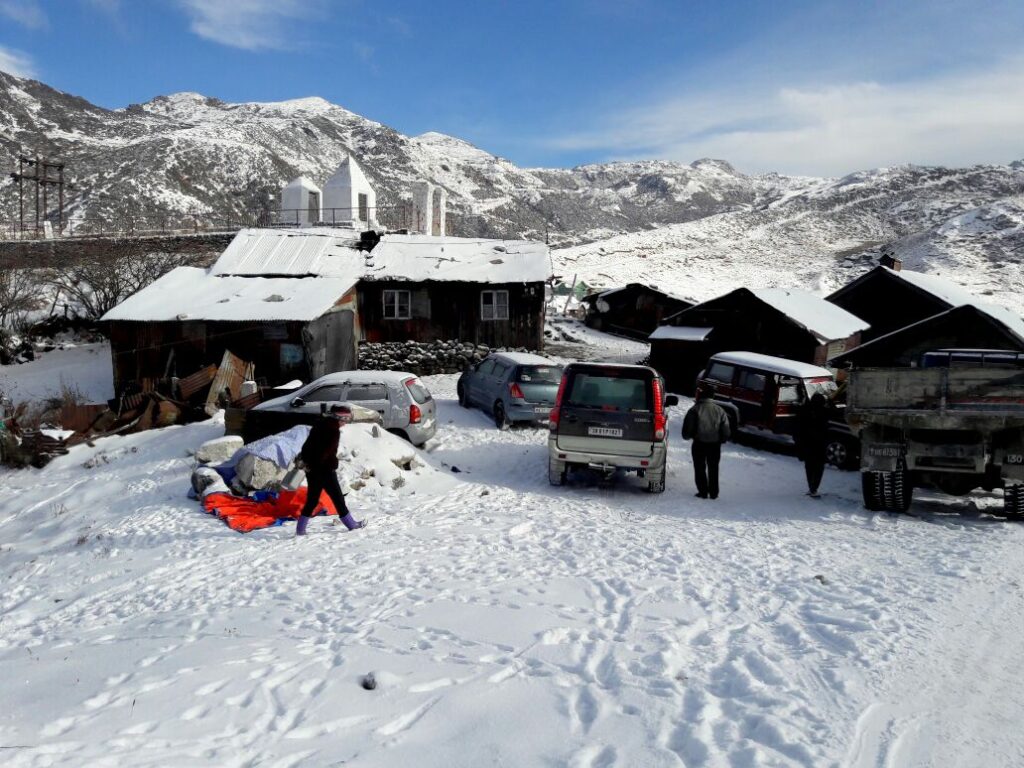
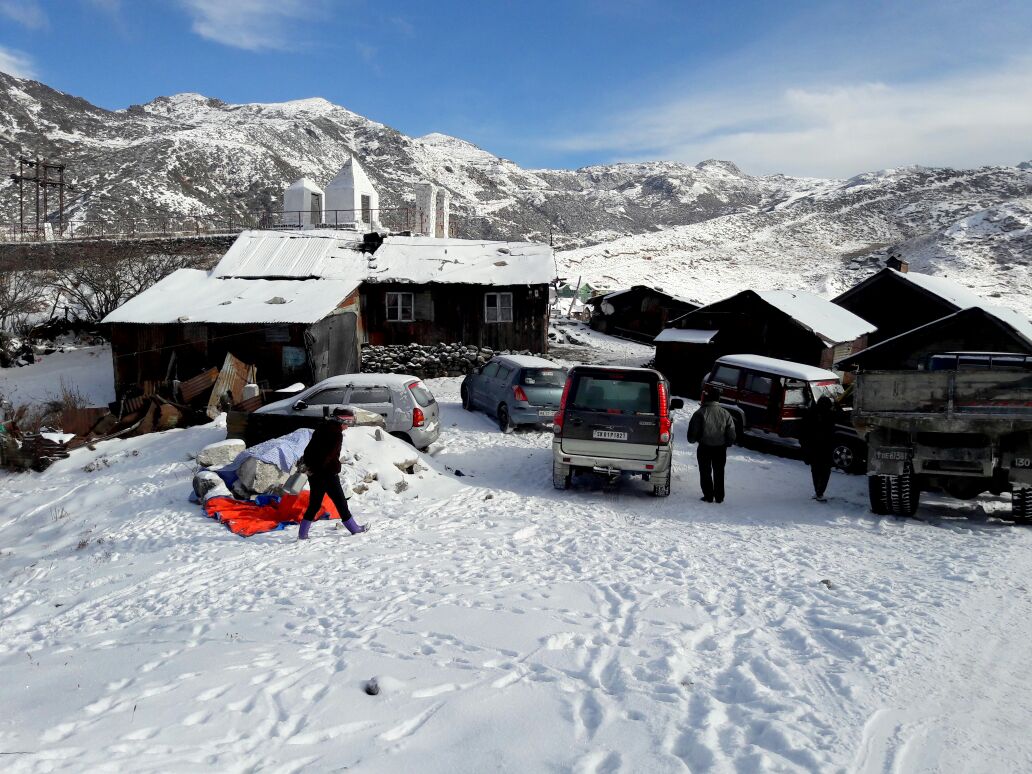
    Snow fall in zuluk Sikkim

    Best Silk Route Tour Packages with 4 Night/ 5 Days, 5 Night/ 6 Days and 7 Night/ 8 Days & Tour Guide

    The dazzling sightseeing attractions for the day include:

    Embark on an unforgettable journey through the Old Silk Route in Sikkim with our carefully curated tour packages. Whether you choose the 4-night/5-day, 5-night/6-day, or 7-night/8-day option, you’ll be treated to a plethora of breathtaking attractions. Here’s a glimpse of what awaits you:

    Must-Visit Attractions

    1. Zuluk: A picturesque hamlet offering stunning views of the Eastern Himalayas
    2. Thambi View Point: Perfect for panoramic vistas of the surrounding mountains
    3. Lungthung: Known for its mesmerizing sunrise views
    4. Gnathang Valley: A historic valley with rich cultural significance
    AttractionHighlightBest Time to Visit
    Zuluk32 hairpin bendsEarly morning
    Thambi View PointKanchenjunga viewsSunrise or sunset
    LungthungSunrise over KanchenjungaDawn
    Gnathang ValleyHistorical importanceThroughout the day

    Additional Sights

    • Elephant Lake: A serene high-altitude lake
    • Kupup Lake: Also known as the Elephant Lake due to its shape
    • Menmecho Lake: A pristine alpine lake surrounded by lush forests
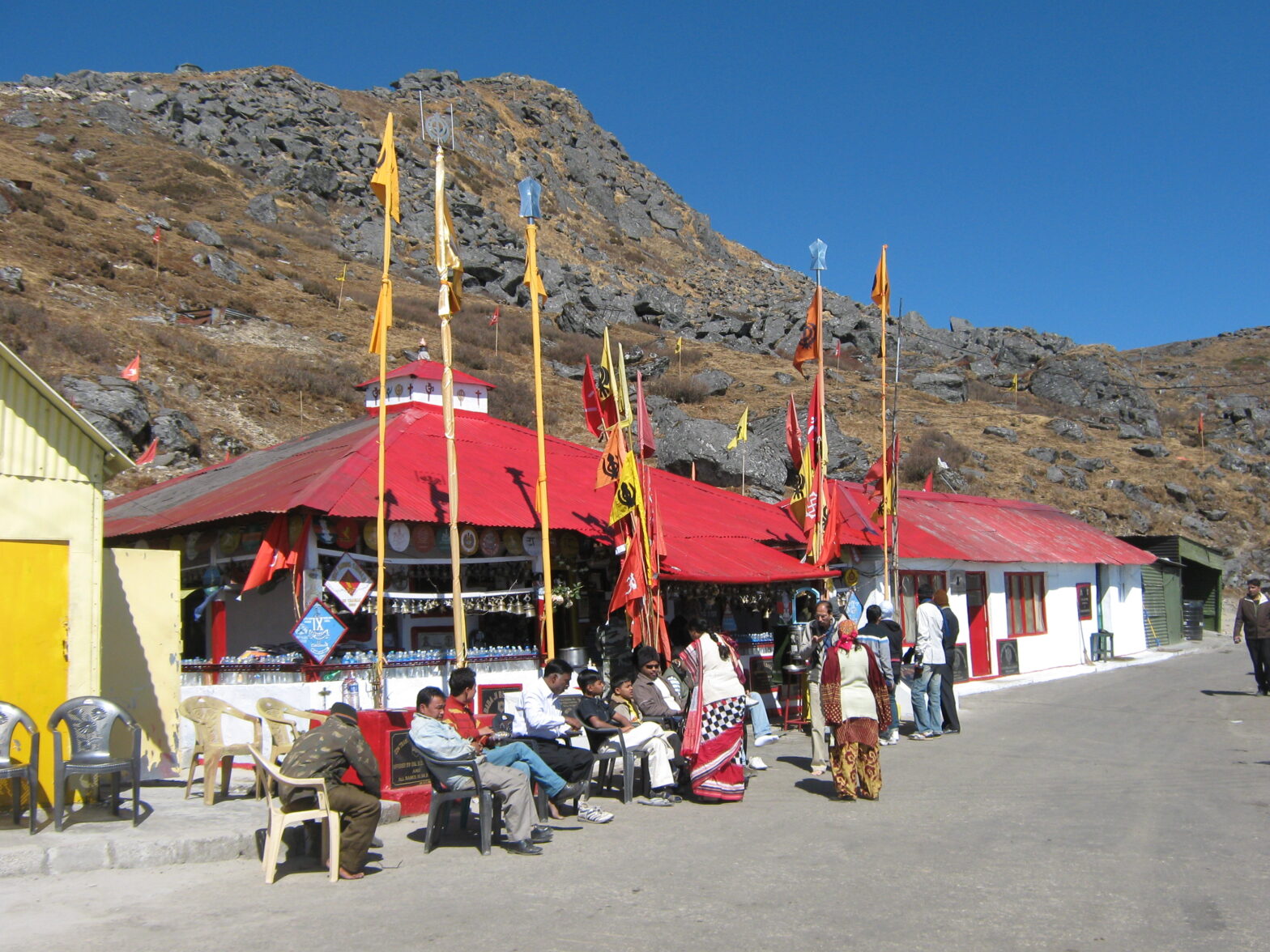
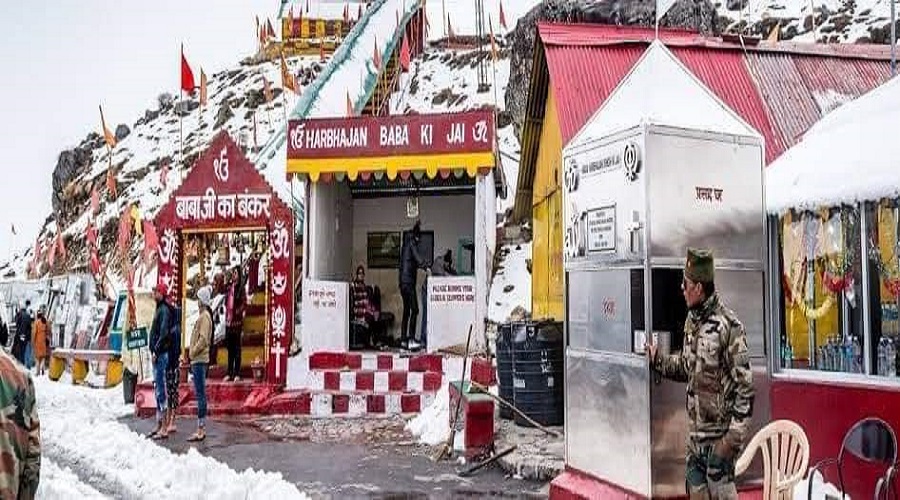
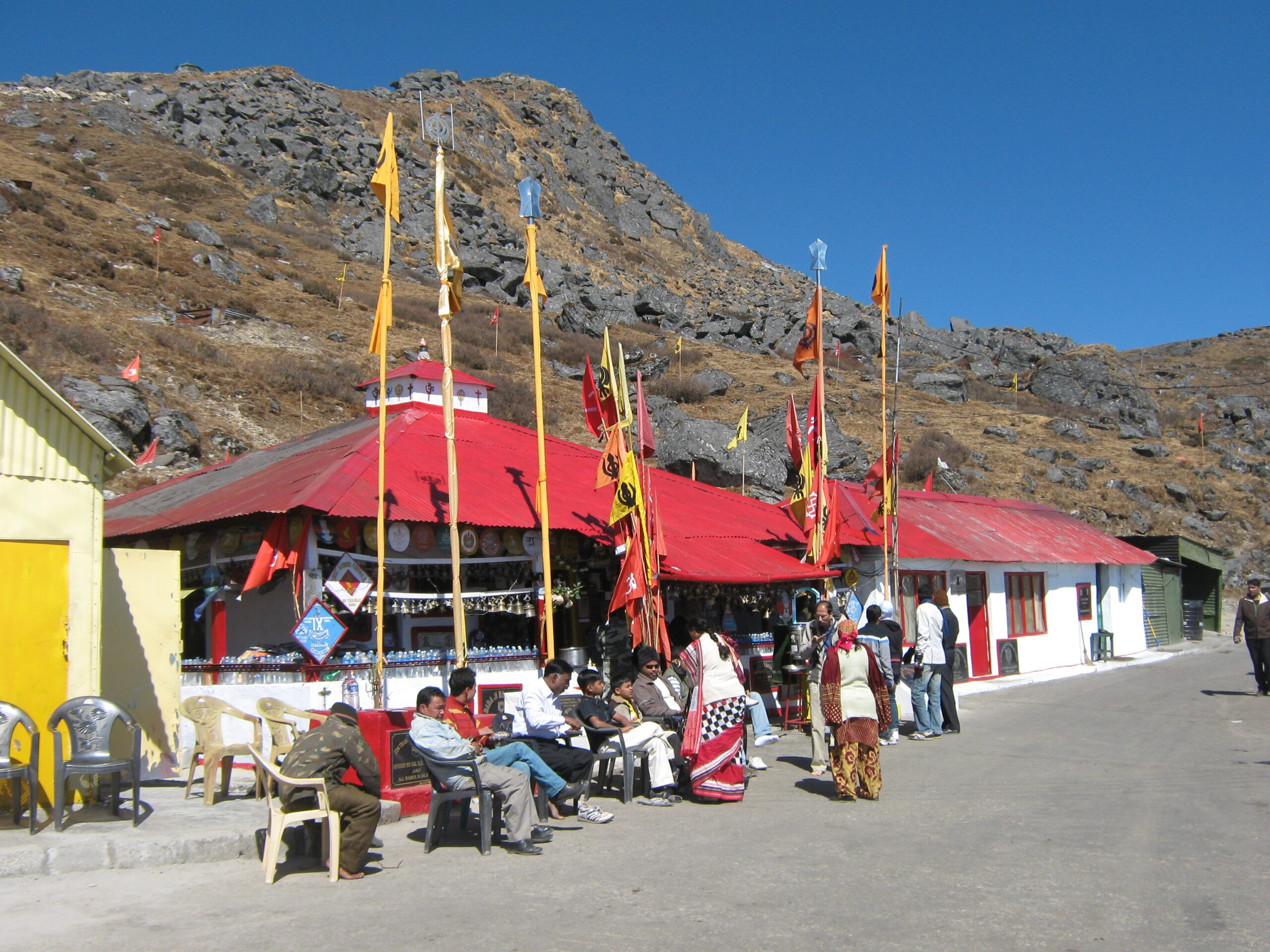
    • Old Baba Mandir: A revered shrine dedicated to Baba Harbhajan Singh

    These attractions showcase the diverse beauty of the Silk Route, from stunning mountain vistas to serene lakes and culturally significant sites. Each day of your tour will be filled with awe-inspiring sights, ensuring an unforgettable experience in this enchanting region of Sikkim.

    Tourist are in Silk route
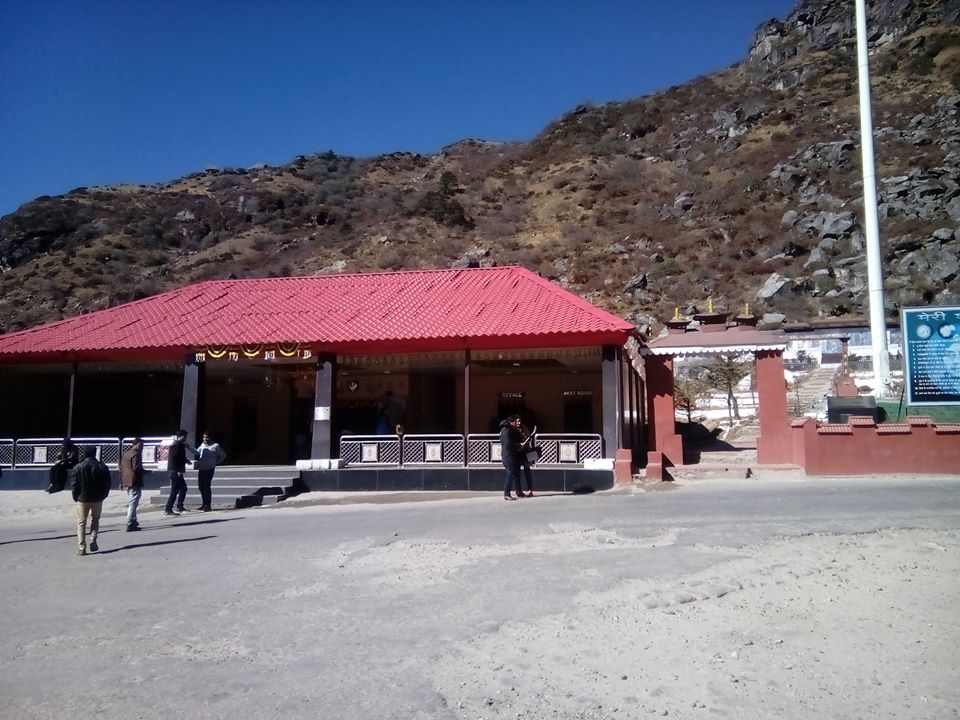
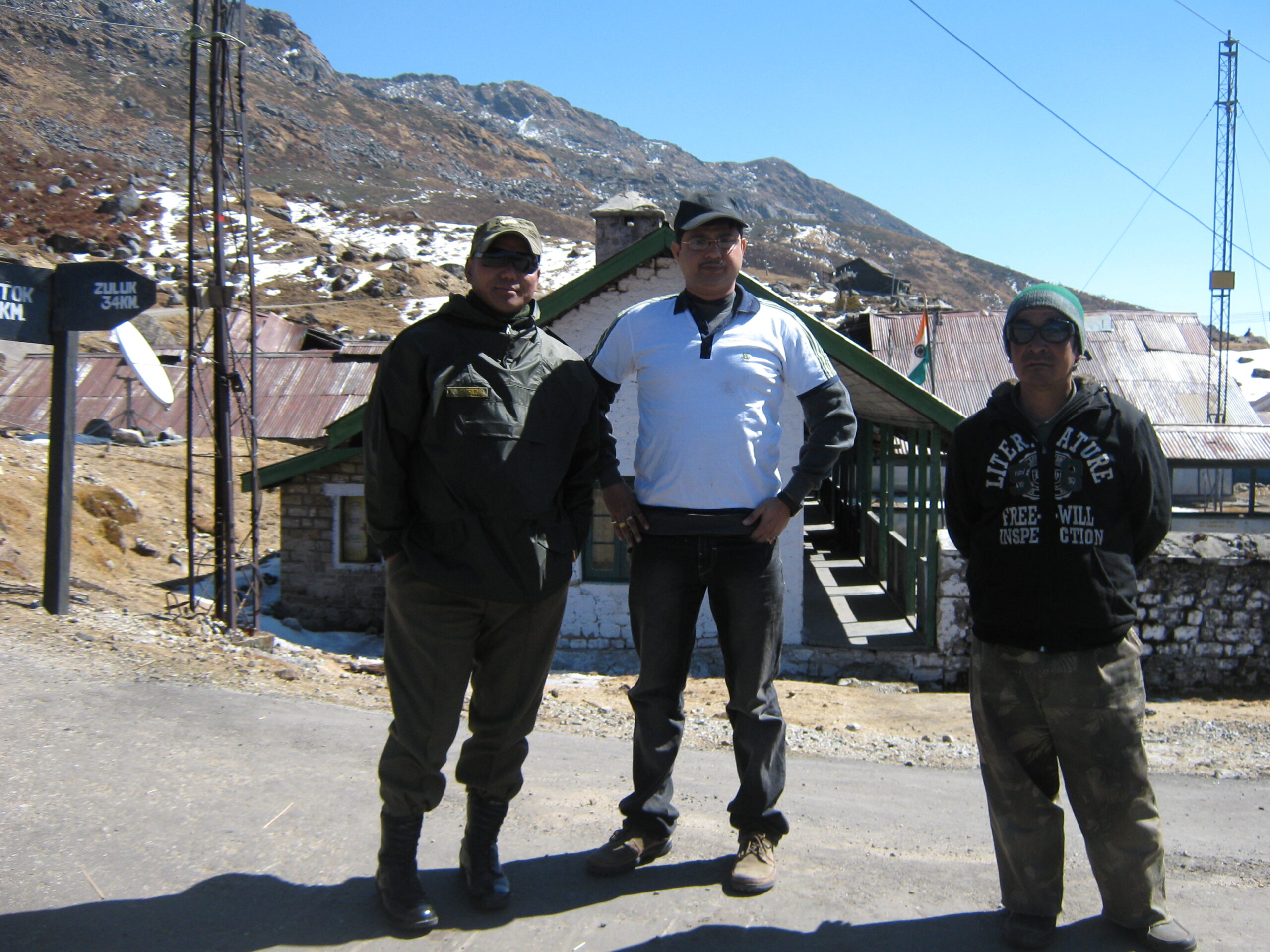
    Nathang Army Check post

    Our Sikkim Silk Route Package Tour

    Our Sikkim Silk Route Package Tour:

    Itinerary Overview

    Our Silk Route package tour offers an unforgettable journey through the breathtaking landscapes of Sikkim. Here’s a glimpse of what you can expect:

    Day

    Destination

    Highlights

    1

    Arrival

    Transfer to Mankhim

    2

    Zuluk

    Sunrise at Thambi View Point

    3

    Nathang

    Old Silk Route exploration

    4

    Gangtok

    City tour and local markets

    5

    Departure

    Transfer to airport/railway station

    Key Attractions

    • Mankhim: Experience the serenity of this hilltop village
    • Zuluk: Witness a spectacular sunrise over the Himalayas
    • Nathang Valley: Explore the historic Old Silk Route
    • Gangtok: Immerse yourself in Sikkimese culture and cuisine

    Package Options

    We offer flexible package options to suit your travel needs:

    1. 3 nights/4 days: Perfect for a quick getaway
    2. 4 nights/5 days: Our most popular option
    3. 6 nights/7 days: Ideal for an in-depth exploration

    Weather Considerations

    The Silk Route tour can be enjoyed year-round, but keep in mind:

    • Summer (April-June): Pleasant temperatures, clear views
    • Monsoon (July-September): Lush landscapes, occasional rain
    • Winter (October-March): Snow-capped peaks, chilly temperatures

    Now that you’re familiar with our Silk Route package tour, let’s explore the best times to visit and book your adventure.

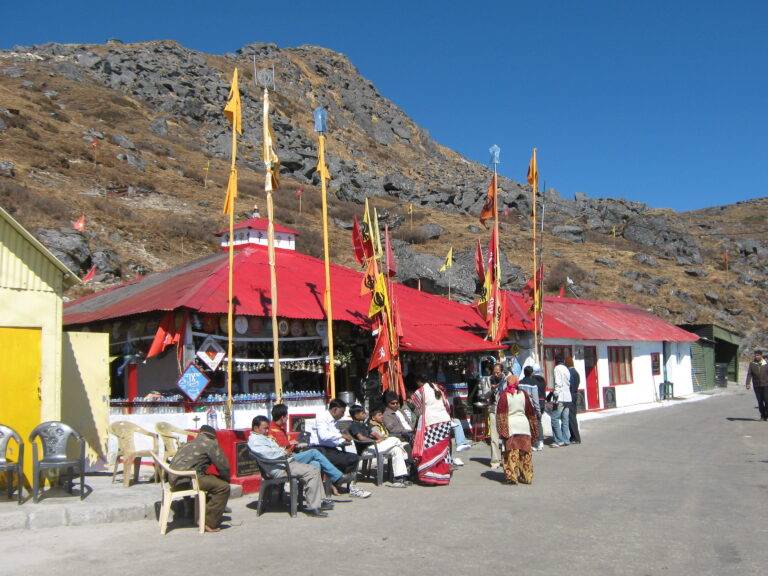
    Old Baba Mandir in Kupup

    When To Visit & Book Silk Route Package Tour?

    When to Book Your Silk Route Package Tour

    Booking your Silk Route package tour at the right time can make a significant difference in your travel experience. Here are some key factors to consider:

    Booking Season vs. Travel Season

    Booking Season

    Travel Season

    Advantages

    3-6 months in advance

    Peak season (April-June, September-November)

    Better availability, potential early bird discounts

    1-2 months in advance

    Off-peak season (December-March, July-August)

    Last-minute deals, fewer crowds

    Factors Influencing Booking Time

    • Weather conditions: The Silk Route experiences varying weather throughout the year. Book during dry seasons for the best views and road conditions.
    • Festivals and events: Plan around local festivals like Losar (Tibetan New Year) for a cultural experience.
    • Budget considerations: Off-peak seasons often offer lower prices.
    • Availability: Popular packages like the 4 nights 5 days Silk Route tour can fill up quickly during peak seasons.

    Tips for Booking

    1. Research the Silk Route tour itinerary thoroughly
    2. Compare different package options (e.g., 3 nights 4 days vs. 6 nights 7 days)
    3. Check the Zuluk temperature for your intended travel dates
    4. Consider booking through reputable operators like Mercury Tour Operator
    5. Look for early booking discounts or last-minute deals depending on your flexibility

    By carefully timing your booking, you can ensure the best possible experience on your Silk Route adventure. Next, we’ll explore the ideal seasons to embark on this fascinating journey through Sikkim’s historical trade route.

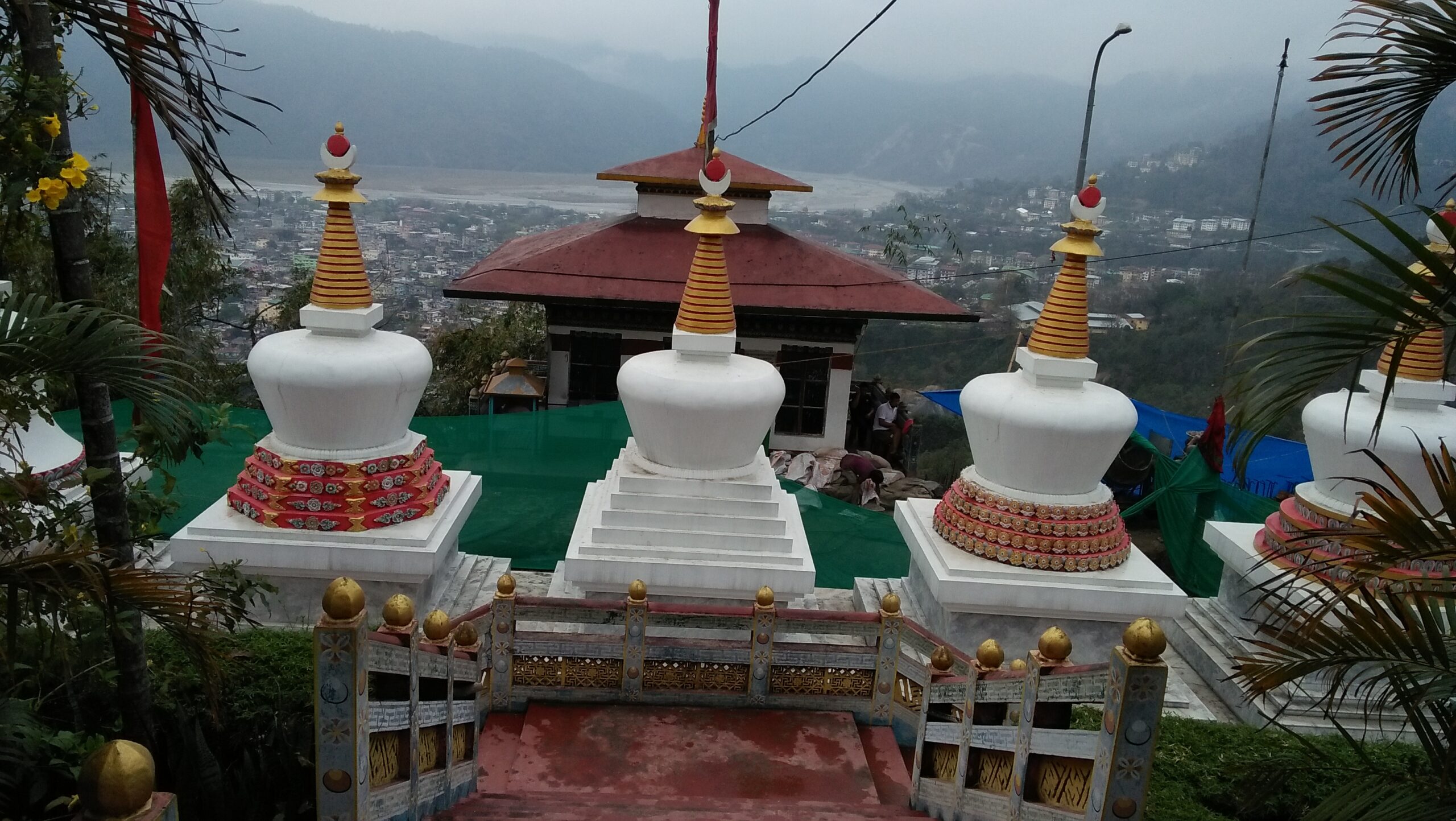
    Thumbi View Point Silk route

    Best Time To Visit Sikkim Silk Route

    Ideal Time To Visit Sikkim Silk Route

    The best time to visit Sikkim’s Silk Route is during the months of March to May and September to November. These periods offer pleasant weather conditions, clear skies, and breathtaking views of the Himalayan landscape. Here’s a breakdown of the seasons:

    Season

    Months

    Temperature

    Experience

    Spring

    March-May

    10°C to 22°C

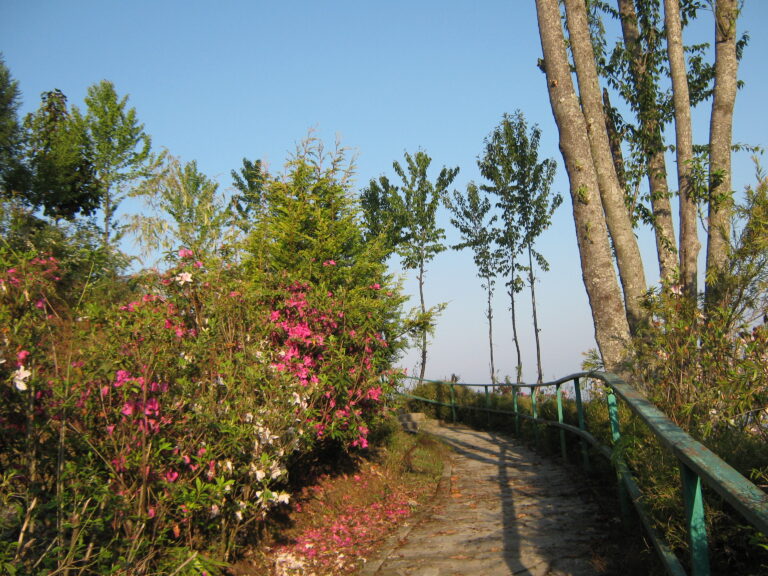
    Blooming rhododendrons, clear views

    Summer

    June-August

    15°C to 25°C

    Occasional rain, lush greenery

    Autumn

    September-November

    5°C to 15°C

    Clear skies, perfect for photography

    Winter

    December-February

    -5°C to 10°C

    Snow-covered landscapes, challenging roads

    During the peak seasons, you can enjoy:

    • Spectacular views of Kanchenjunga
    • Vibrant local festivals
    • Ideal conditions for trekking and sightseeing
    • Comfortable temperatures for exploration

    Places to Stay

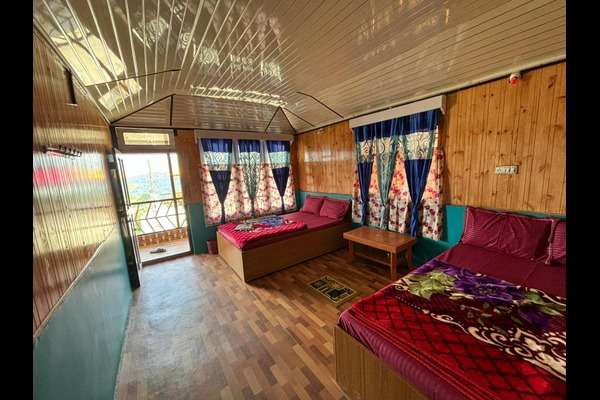
    Along the Silk Route, you’ll find a variety of accommodation options to suit different preferences and budgets:

    1. Homestays:
      • Authentic local experience
      • Cultural immersion
      • Home-cooked meals
    2. Guesthouses:
      • Basic amenities
      • Affordable rates
      • Located in key areas like Zuluk and Gnathang Valley
    3. Hotels:
      • Available in larger towns
      • More amenities and comfort
      • Suitable for those seeking modern facilities

    When planning your Silk Route tour, consider booking accommodations in advance, especially during peak seasons. This ensures a comfortable stay while exploring the breathtaking landscapes and rich culture of Sikkim’s Silk Route.

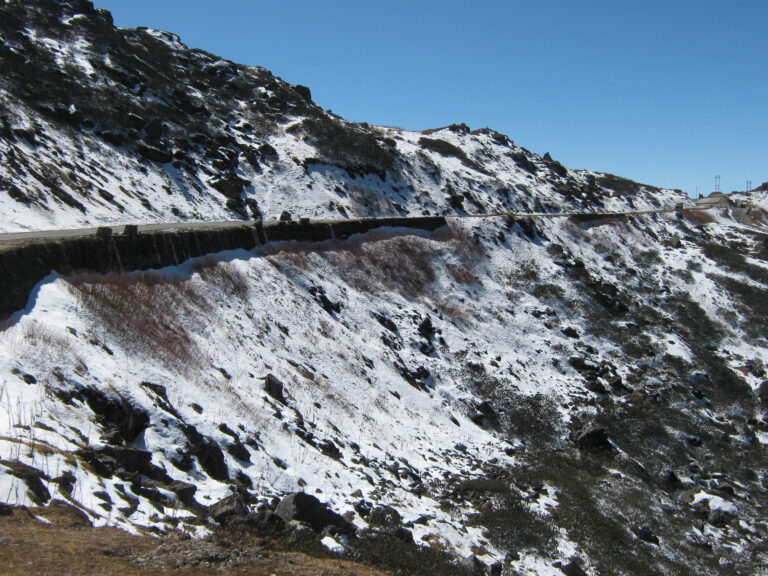
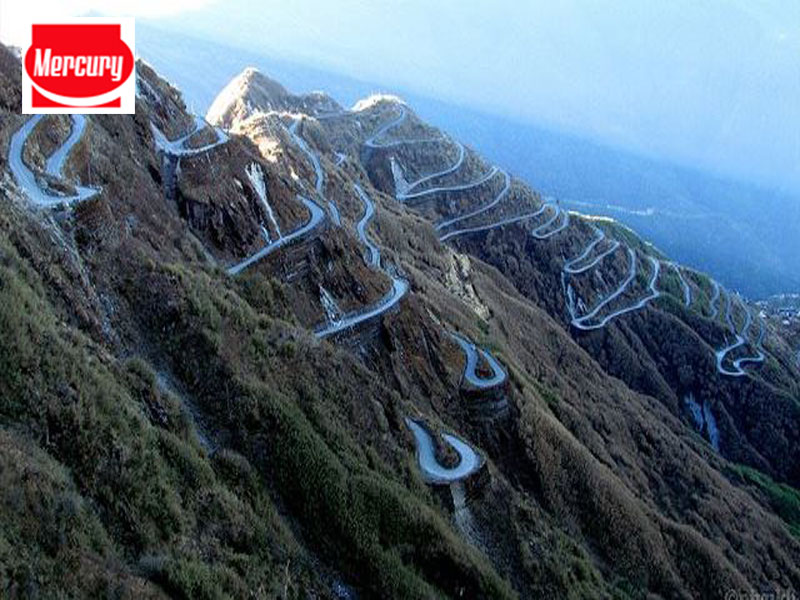
    Silk route zigzag road
    old baba mandir at silk route

    Why Book Our Comprehensive Silk Route Tour Packages?

    Why Book Our Comprehensive Silk Route Tour Packages?

    1. The Hotels We Provide Are Best Known For The Following Reasons:

    Our Silk Route tour packages stand out due to the exceptional quality of accommodations we offer. Here’s why our selected hotels are the best choice for your journey:

    1. Prime Locations: Situated in scenic spots along the Silk Route
    2. Authentic Local Experience: Blend of modern amenities and traditional charm
    3. Comfort and Cleanliness: High standards maintained for a relaxing stay
    4. Panoramic Views: Many rooms offer breathtaking vistas of the surrounding landscape

    Hotel Feature

    Benefit to Travelers

    Local cuisine

    Taste authentic Sikkimese dishes

    Warm hospitality

    Feel welcomed and cared for

    Cultural decor

    Immerse in the local atmosphere

    Eco-friendly practices

    Support sustainable tourism

    Our carefully chosen hotels enhance your Silk Route experience, providing a comfortable base for exploring iconic locations like Zuluk and Mankhim. Whether you’re booking a 3-night/4-day package or a more extensive 6-night/7-day tour, you can rest assured that your accommodation will be a highlight of your journey.

    As we move forward in planning your perfect Silk Route adventure, let’s explore the ideal times to embark on this unforgettable journey through Sikkim’s breathtaking landscapes.

    Waste No Time of Yours to Contact Us:

    Enjoy Your Trip!

    Now that you’re well-informed about our Silk Route tour packages, it’s time to take the next step and embark on your unforgettable journey through Sikkim. Don’t hesitate to reach out to us and secure your spot on this incredible adventure.

    Here’s why you should contact us right away:

    • Limited availability: Our popular Silk Route tours fill up quickly, especially during peak seasons
    • Customization options: We can tailor your itinerary to suit your preferences and schedule
    • Expert guidance: Our experienced tour operators will answer all your questions and ensure a smooth booking process.

    Tour Package Comparison

    Package

    Duration

    Highlights

    Best For

    3N/4D

    4 days

    Zuluk, Nathang Valley

    Quick getaway

    4N/5D

    5 days

    Above + Mankhim

    Balanced experience

    6N/7D

    7 days

    Full Silk Route exploration

    In-depth adventure

    Don’t miss out on the chance to explore the breathtaking landscapes of the Silk Route. From the winding roads of Zuluk to the panoramic views of Nathang Valley, every moment of your tour will be filled with wonder and excitement.

    Contact us today to book your Silk Route tour package from Kolkata or customize your ideal itinerary. Our Mercury tour operators are standing by to help you plan the perfect Sikkim adventure, whether you’re looking for a quick 3-night getaway or an extensive 7-day exploration.

    Reviews:

    Customer Testimonials

    Unforgettable Experiences

    Our Silk Route tour packages have left lasting impressions on countless travelers. Here’s what some of our satisfied customers have to say:

    • “The 4 nights 5 days Silk Route tour was beyond our expectations. The itinerary was perfectly balanced, allowing us to experience the best of Sikkim’s natural beauty and cultural heritage.” – Sarah L., Kolkata
    • “We opted for the 6 nights 7 days package, and it was worth every penny. The tour operator’s attention to detail and knowledge of the region made our trip truly special.” – Rahul M., Delhi

    Highlights from Our Guests

    Aspect

    Feedback

    Itinerary

    Well-planned and comprehensive

    Accommodation

    Comfortable and authentic

    Guide Services

    Knowledgeable and friendly

    Overall Experience

    Excellent value for money

    Many travelers have praised our tour packages for including must-visit destinations like Mankhim and Zuluk. The breathtaking views along the Silk Route tour map have been a consistent highlight in our reviews.

    “The silk route tour in December was magical. The snow-covered landscapes were a photographer’s dream!” – Priya S., Mumbai

    Our commitment to providing exceptional experiences has resulted in numerous positive reviews, with many guests recommending our Silk Route tour packages to their friends and family. Whether you’re looking for a short 3 nights 4 days getaway or an extended 7 nights 8 days adventure, our packages cater to all preferences and budgets.

    Quick Contacts

    Contact Information

    How to Reach Us

    Here’s a quick guide on how to get in touch with us for your Silk Route tour needs:

    Method

    Details

    Phone

    +91 8902495917, 8910339427

    Email

    mercuryyt@gmail.com

    Website

    Silk Route Tour

    Address

    Upper Sichey Rd, Sungava, Gangtok, Sikkim 737101, Sikkim

    Social Media Presence

    Stay connected with us on social media for the latest updates and stunning visuals of the Silk Route:

    Emergency Contact

    For urgent inquiries or assistance during your tour:

    • 24/7 Helpline: +91 8902495917, 8910339427

    Don’t hesitate to reach out to us for:

    1. Customized tour packages
    2. Booking assistance
    3. Travel advice
    4. Weather updates
    5. Local guidelines and restrictions

    Our team of experienced tour operators is ready to help you plan the perfect Silk Route adventure. Whether you’re interested in a 3-night/4-day package or a more extensive 7-night/8-day journey, we’re here to make your Sikkim Silk Route tour unforgettable.

    Packages

    Silk Route Tour Packages

    Popular Package Options

    Package Duration

    Highlights

    Best For

    3 nights/4 days

    Zuluk, Thambi View Point, Lungthung

    Quick getaways

    4 nights/5 days

    Above + Nathang Valley, Elephant Lake

    Balanced exploration

    6 nights/7 days

    Above + Gnathang Valley, Kupup Lake

    In-depth experience

    Our Silk Route tour packages cater to various preferences and schedules. The 4 night/5 days package is our most popular option, offering a perfect balance of exploration and relaxation. For those short on time, the 3 nights/4 days package provides a concise yet fulfilling experience. Adventure enthusiasts often opt for the 6 nights/7 days package to fully immerse themselves in the region’s beauty.

    Key Attractions

    • Zuluk: Experience the breathtaking hairpin bends and panoramic views
    • Thambi View Point: Witness stunning sunrise over the Kanchenjunga range
    • Nathang Valley: Explore the high-altitude meadows and unique flora
    • Kupup Lake: Visit one of the highest lakes in India

    Our packages include comfortable accommodation, transportation, and guided tours to ensure you make the most of your Silk Route adventure. Whether you’re planning a trip from Kolkata or any other city, our tour operators can customize the itinerary to suit your needs.

    Now that you’re familiar with our package options, let’s explore the best time to embark on this unforgettable journey through the Old Silk Route of Sikkim.

    Jungle Trails

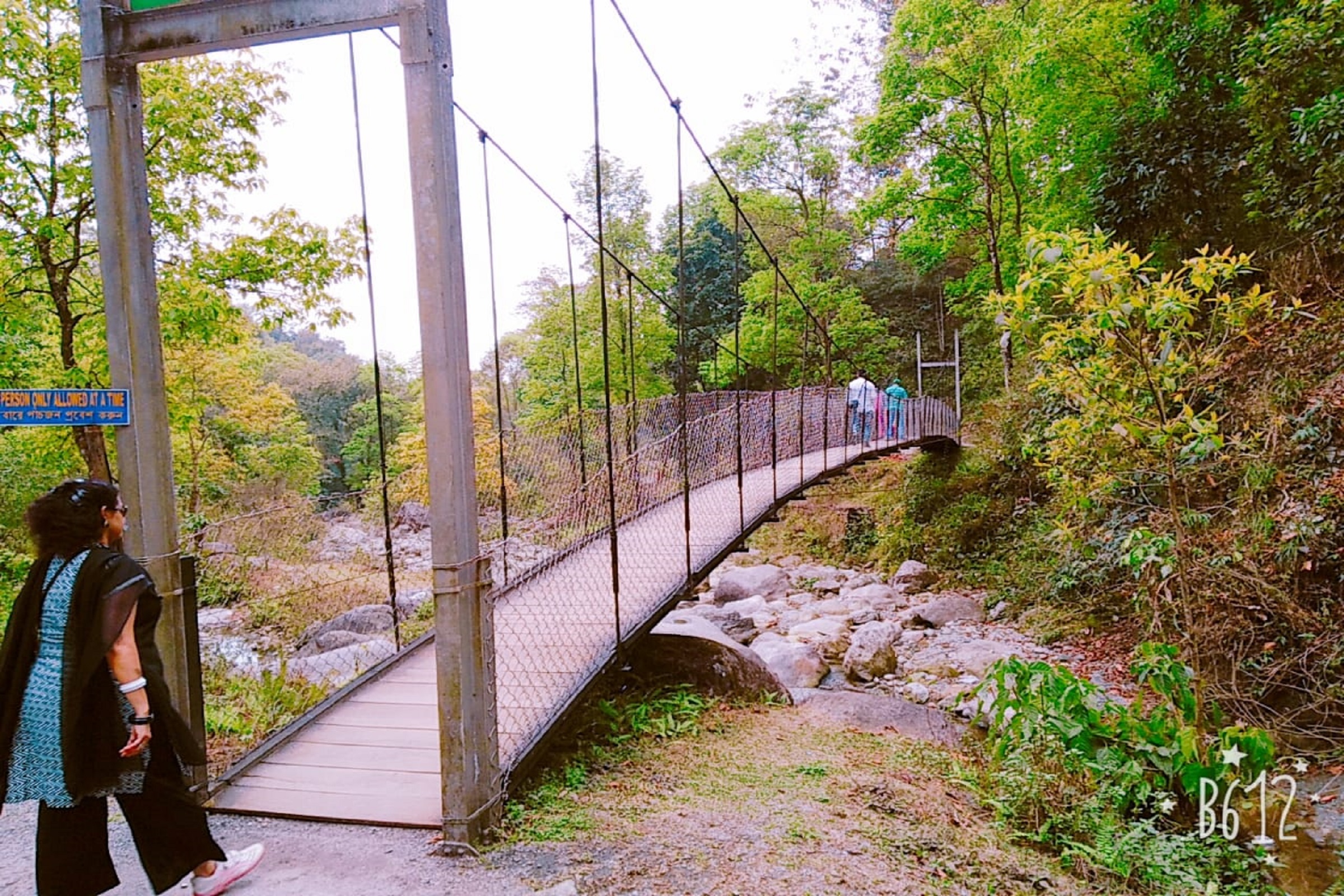
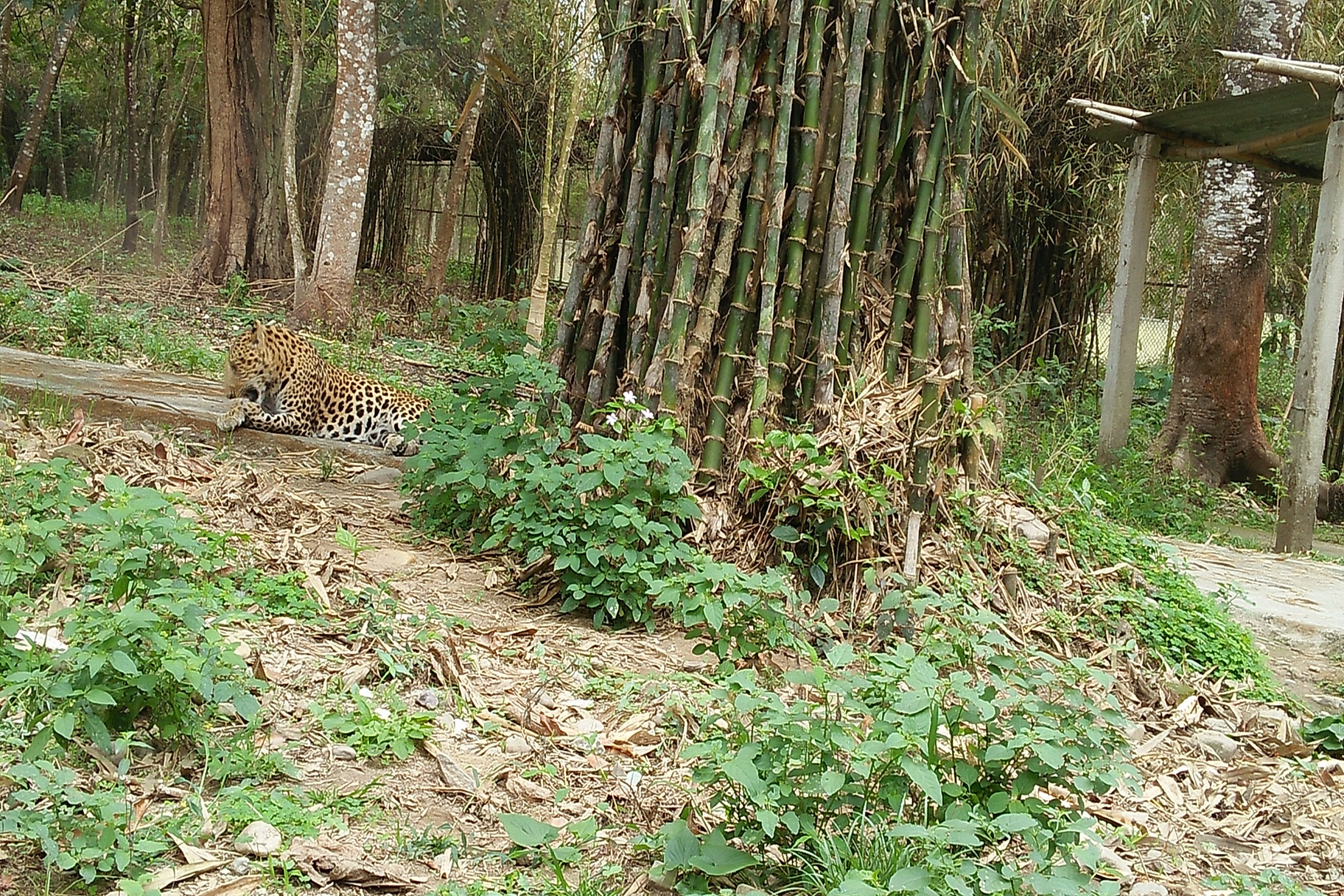
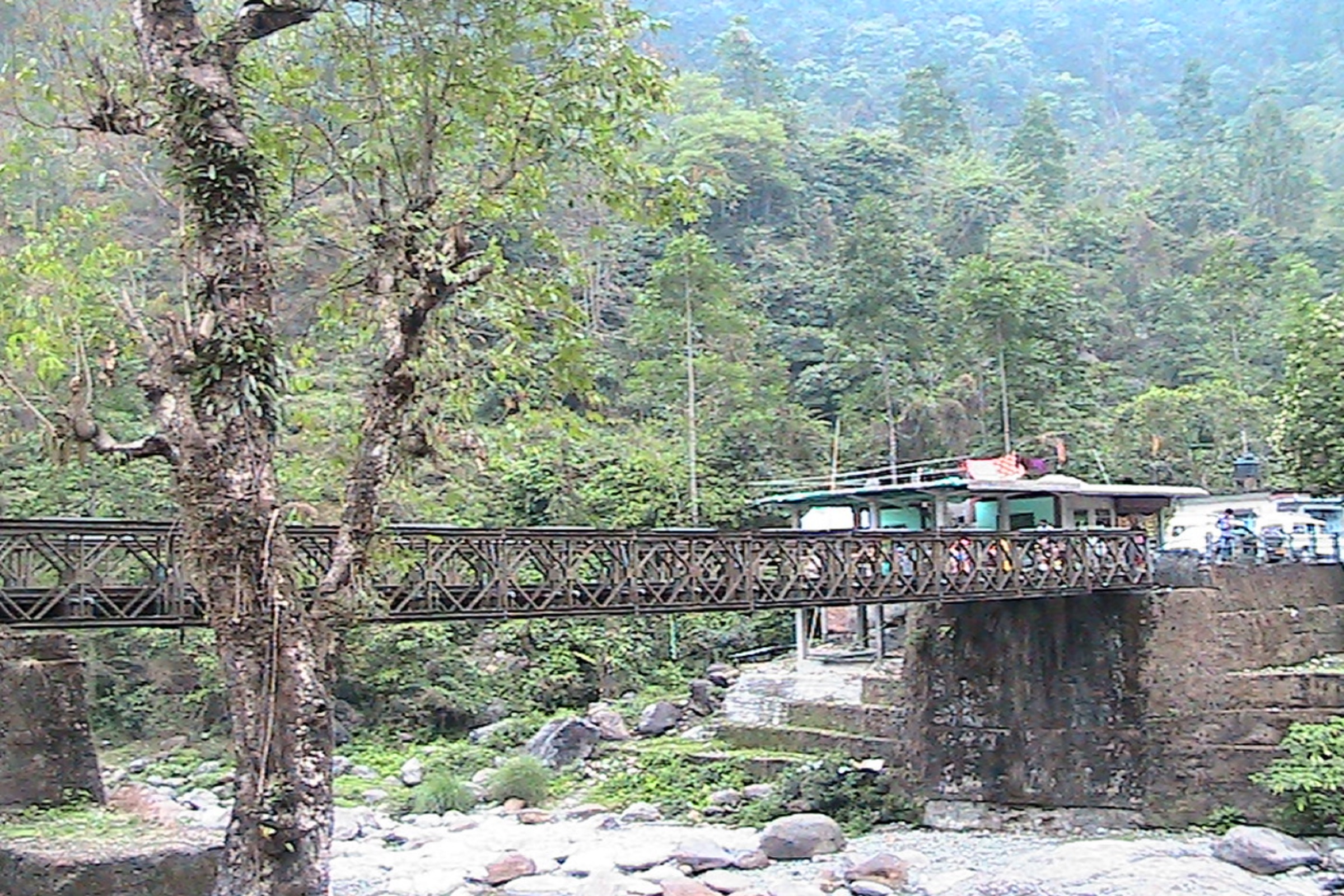
    jungle trail in silk route
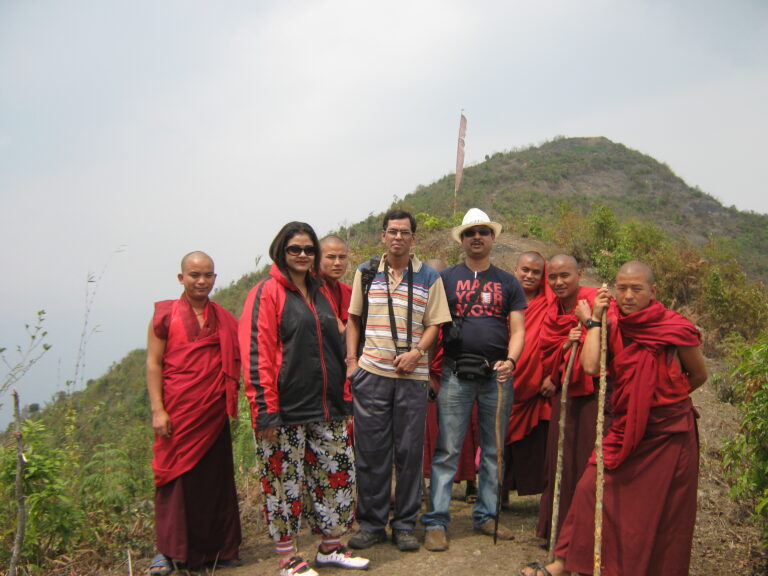
    Silk route trekking and jungle trail

    Exploring the Wild Side: Jungle Trails on the Silk Route

    Diverse Ecosystems

    The Silk Route in Sikkim offers a unique opportunity to explore diverse jungle trails that showcase the region’s rich biodiversity. These trails wind through various ecosystems, from dense subtropical forests to alpine meadows, providing a glimpse into the area’s natural wonders.

    • Subtropical forests: Home to exotic flora and fauna
    • Temperate forests: Featuring rhododendrons and oak trees
    • Alpine meadows: Offering panoramic views of the Himalayas

    Popular Jungle Trails

    Here are some of the most popular jungle trails along the Silk Route:

    Trail Name

    Difficulty

    Duration

    Highlights

    Mankhim Trail

    Moderate

    3-4 hours

    Panoramic views, birdwatching

    Zuluk Loop

    Challenging

    6-7 hours

    High-altitude landscapes, wildlife spotting

    Lungthung Trek

    Easy

    2-3 hours

    Rhododendron forests, mountain vistas

    Wildlife Encounters

    The jungle trails of the Silk Route offer excellent opportunities for wildlife enthusiasts. Visitors may encounter various species of animals and birds, including:

    • Red pandas
    • Himalayan black bears
    • Snow leopards (rare sightings)
    • Colorful pheasants and other avian species

    Remember to maintain a safe distance from wildlife and follow responsible trekking practices to preserve the natural environment.

    Now that we’ve explored the jungle trails, let’s delve into the comfortable accommodations available along the Silk Route.

    Resorts and Hotels

    Accommodation Options

    When exploring the Old Silk Route in Sikkim, choosing the right place to stay can greatly enhance your experience. Here’s a breakdown of the various accommodation options available:

    Homestays

    Homestays are an excellent choice for those seeking an authentic local experience. These family-run accommodations offer:

    • Warm hospitality
    • Traditional Sikkimese cuisine
    • Insights into local culture and customs
    • Insights into local culture and customs

    Advantages

    Considerations

    Cultural immersion

    Basic amenities

    Affordable rates

    Limited privacy

    Home-cooked meals

    Potential language barriers

    Guesthouses

    Guesthouses provide a comfortable middle ground between homestays and hotels:

    • Clean, cozy rooms
    • More privacy than homestays
    • Often run by local families

    Hotels

    For those preferring modern amenities, hotels are available in larger towns along the Silk Route:

    • Private bathrooms
    • Room service
    • On-site restaurants

    Mountain Lodges

    Adventure seekers might opt for mountain lodges:

    • Stunning views
    • Rustic charm
    • Access to trekking routes

    When booking accommodations, consider factors such as location, budget, and desired level of comfort. Regardless of your choice, the breathtaking landscapes of the Silk Route will ensure a memorable stay.

    Tour Operators

    Tour Operators in Sikkim’s Silk Route

    Choosing the Right Operator

    When planning your Silk Route tour in Sikkim, selecting the right tour operator is crucial. Here’s a comparison of some top operators:

    Tour Operator

    Specialties

    Price Range

    Customer Rating

    Mercury Tour Operator

    All-inclusive packages

    ₹15,000 – ₹30,000

    4.8/5

    Sikkim Holidays

    Customizable itineraries

    ₹12,000 – ₹25,000

    4.6/5

    Zuluk Adventures

    Budget-friendly options

    ₹10,000 – ₹20,000

    4.5/5

    What to Look for in a Tour Operator

    To ensure a memorable Silk Route experience, consider these factors:

    • Local expertise and knowledge
    • Variety of package options (3-7 days)
    • Inclusion of key attractions like Mankhim
    • Flexibility in itinerary customization
    • Transparent pricing and cancellation policies
    • Positive customer reviews and testimonials

    Remember, a good tour operator can make or break your Silk Route adventure. They should be able to provide detailed information about the tour map, itinerary, and even specifics like Zuluk temperature forecasts. Whether you’re planning a short 3 nights 4 days silk route package or a more comprehensive 6 nights 7 days silk route package, the right operator will ensure a smooth and enriching journey through this historic trade route.


    The Old Silk Route in Sikkim offers a captivating journey through breathtaking landscapes and rich cultural heritage. From diverse tour packages to the best times to visit, this guide has provided you with essential information to plan your adventure. Whether you choose a 4-night or 7-night package, you’ll experience the wonders of this ancient trade route and create unforgettable memories.

    Don’t hesitate to embark on this extraordinary journey. Contact our experienced tour operators today to book your Silk Route package and explore the hidden gems of Sikkim. With our comprehensive packages, expert guides, and commitment to customer satisfaction, your Silk Route adventure awaits. Discover the magic of Sikkim’s Old Silk Route and immerse yourself in its natural beauty and cultural treasures.

  • 10 Must-Visit Tourist Spots in Dooars

    10 Must-Visit Tourist Spots in Dooars

    10 Must-Visit Tourist Spots in Dooars

    Planning a tour? Get in touch with us.

    Nestled in the foothills of the Eastern Himalayas lies a hidden paradise waiting to be explored – the Dooars. This enchanting region, often overshadowed by its more famous neighbors, is a treasure trove of natural wonders and cultural delights. But with so much to see and do, where should you begin your journey?

    Imagine standing face-to-face with a majestic one-horned rhinoceros, or watching a Bengal tiger prowl through lush forests. Picture yourself sipping tea amidst rolling emerald plantations, or gazing at snow-capped peaks from a quaint border town. These experiences and more await you in the Dooars, but which spots truly stand out?

    Join us as we unveil the 10 Must-Visit Tourist Spots in Dooars that will leave you awe-inspired and craving for more. From wildlife sanctuaries teeming with exotic creatures to serene river towns and ancient ruins, we’ll guide you through the best this region has to offer. Get ready to embark on an unforgettable journey through the heart of India’s wild northeast!

    Gorumara National Park: A Wildlife Haven

    Plucking tea in Gorubathan tea garden in Dooars

    Spotting the one-horned rhinoceros

    Gorumara National Park is renowned for its population of Indian one-horned rhinoceros. These magnificent creatures can often be seen grazing in the grasslands or wallowing in muddy pools. To maximize your chances of spotting a rhino:

    • Visit during early morning or late afternoon when they’re most active
    • Head to the Jatraprasad Watch Tower for panoramic views
    • Book a jeep safari for closer encounters
    • Bring binoculars for better visibility

    Elephant safaris through lush forests

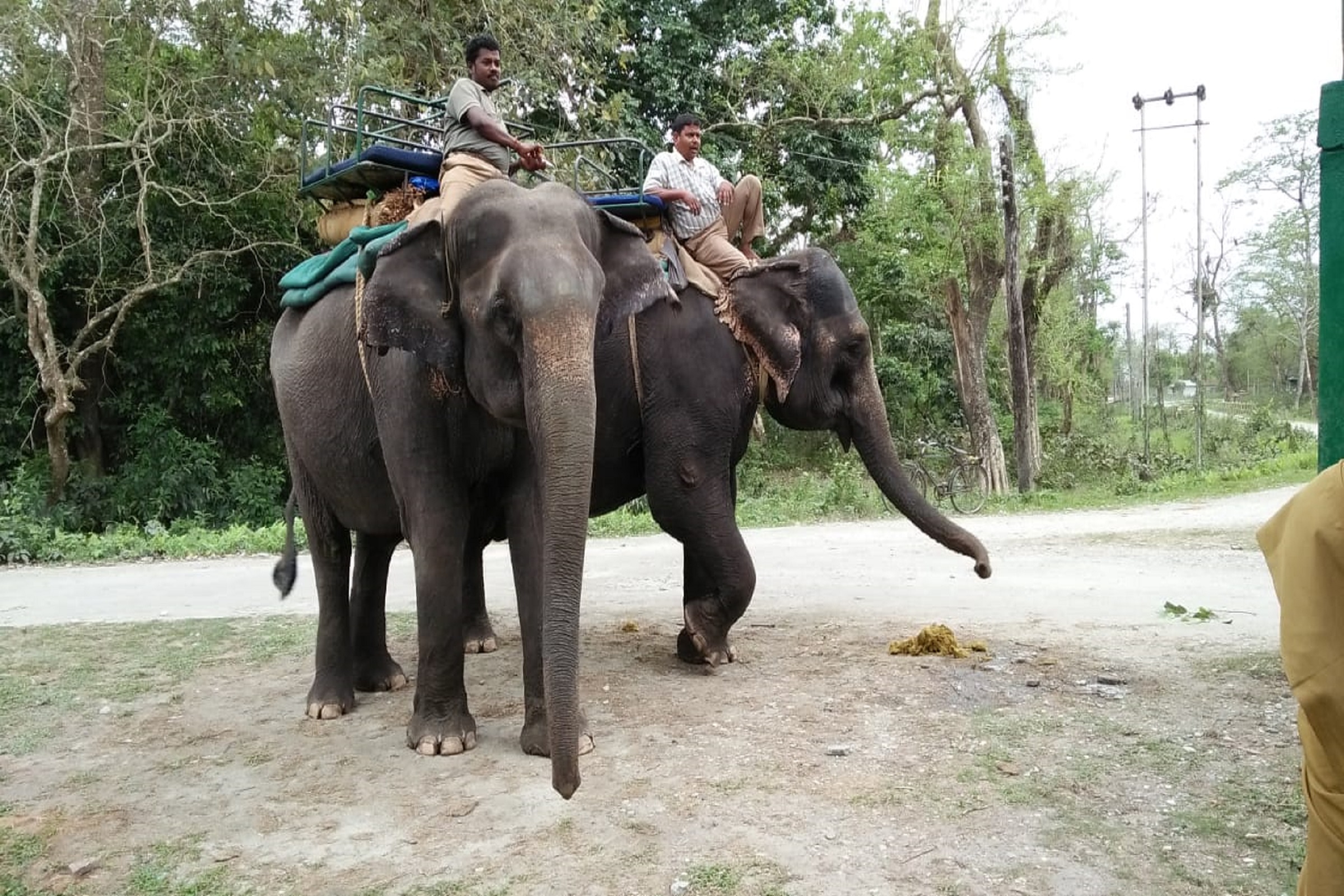
    One of the most exciting ways to explore Gorumara is on the back of an elephant. These safaris offer a unique perspective of the park’s diverse ecosystems:

    • Trek through dense sal forests and grasslands
    • Spot various wildlife species from a safe vantage point
    • Experience the park’s tranquility at a leisurely pace
    • Enjoy the expertise of experienced mahouts and guides

    Best times for bird watching

    Gorumara is a paradise for bird enthusiasts, home to over 200 species. The best times for bird watching are:

    1. Early morning: When birds are most active
    2. Winter months (November to February): When migratory birds arrive
    3. Around water bodies: Where many species gather

    Don’t miss the opportunity to spot colorful kingfishers, majestic hornbills, and rare species like the Bengal Florican. With its diverse habitats and rich biodiversity, Gorumara National Park truly is a wildlife haven in the heart of Dooars.

    Jeep Safari in Dooars

    Jaldapara National Park: Rhino’s Paradise

    Jeep safaris for close encounters

    Embark on an exhilarating jeep safari through Jaldapara National Park, offering an unparalleled opportunity to witness the majestic one-horned rhinoceros in its natural habitat. These guided tours provide thrilling close encounters with various wildlife species, including elephants, bison, and spotted deer. Experienced naturalists accompany visitors, sharing valuable insights about the park’s ecosystem and its inhabitants.

    Exploring the Torsa River

    The Torsa River, meandering through Jaldapara, adds a picturesque dimension to the park’s landscape. Visitors can:

    • Enjoy scenic river walks along its banks
    • Spot diverse bird species in the riparian ecosystem
    • Witness animals gathering at the river for drinking and bathing

    This serene waterway not only sustains the park’s biodiversity but also offers a tranquil setting for nature enthusiasts to immerse themselves in the beauty of Dooars.

    Experiencing the Mendabari Jungle Camp

    For those seeking an immersive wildlife experience, the Mendabari Jungle Camp provides an excellent opportunity to stay within the park’s vicinity. This eco-friendly accommodation offers:

    • Comfortable cottages with modern amenities
    • Guided nature walks and bird-watching tours
    • Traditional cuisine featuring local flavors

    The camp’s strategic location allows guests to wake up to the sounds of the forest and enjoy early morning safaris, maximizing their chances of spotting Jaldapara’s diverse wildlife.

    Now that we’ve explored the wonders of Jaldapara National Park, let’s venture into another natural gem of the Dooars region.

    Buxa Tiger Reserve: Bengal’s Hidden Gem

    Trekking through diverse landscapes

    Buxa Tiger Reserve offers an unparalleled trekking experience, showcasing the rich biodiversity of the Eastern Himalayas. As you traverse the reserve, you’ll encounter a variety of landscapes, from dense sal forests to rolling grasslands and crystal-clear streams. The reserve’s well-marked trails cater to both novice and experienced trekkers, with options ranging from short day hikes to multi-day expeditions.

    Some of the most popular trekking routes include:

    • Buxa Fort Trail: A challenging 4-5 hour trek leading to the historic Buxa Fort
    • Jayanti River Valley: A scenic trail along the riverbed, offering stunning views of the surrounding hills
    • Rover’s Point: A moderate trek rewarding hikers with panoramic vistas of the reserve

    Discovering the ruins of Buxa Fort

    Perched atop a hill at an elevation of 867 meters, the ruins of Buxa Fort stand as a testament to the region’s rich history. This 18th-century fortress, once a detention camp during India’s struggle for independence, now offers visitors a glimpse into the past while providing breathtaking views of the surrounding landscape.

    Spotting rare flora and fauna

    Buxa Tiger Reserve is a haven for wildlife enthusiasts and nature lovers. The reserve boasts an impressive array of flora and fauna, including:

    • Royal Bengal Tigers (though sightings are rare)
    • Indian Elephants
    • Leopards
    • Clouded Leopards
    • Indian Bison (Gaur)
    • Various species of deer and primates

    Bird watchers will be delighted by the presence of over 230 bird species, including the Great Hornbill and Rufous-necked Hornbill. The reserve is also home to numerous orchid species and medicinal plants, making it a botanical treasure trove.

    As we move on to explore Jayanti, the serene river town, you’ll discover how this peaceful destination complements the wild beauty of Buxa Tiger Reserve.

    Jayanti: The Serene River Town

    Relaxing by the crystal-clear Jayanti River

    Nestled in the heart of Dooars, Jayanti offers a tranquil escape for nature lovers. The crystal-clear Jayanti River, a tributary of the Jaldhaka, is the town’s crown jewel. Visitors can spend hours by its banks, listening to the soothing sound of rushing water and taking in the lush surroundings. The river’s pristine waters are perfect for:

    • Picnicking on the rocky shores
    • Dipping your feet in the refreshing currents
    • Capturing stunning photographs of the landscape
    • Spotting diverse bird species in the nearby trees

    Exploring limestone caves

    Adventure seekers will be thrilled to discover the hidden limestone caves near Jayanti. These natural wonders offer a glimpse into the region’s geological history. As you venture into these caves, you’ll encounter:

    • Intricate stalactite and stalagmite formations
    • Unique rock patterns carved by centuries of water erosion
    • Chances to spot rare cave-dwelling creatures

    Remember to bring proper gear and hire a local guide for a safe and informative cave exploration experience.

    Interacting with local tribal communities

    One of the most enriching aspects of visiting Jayanti is the opportunity to engage with the indigenous Dukpa and Toto tribes. These interactions provide valuable insights into their traditional way of life, customs, and crafts. During your visit, you can:

    • Observe intricate handloom weaving techniques
    • Taste authentic local cuisine
    • Participate in traditional dance performances
    • Purchase handmade souvenirs that support the local economy

    As we move on to explore Rajabhatkhawa, the gateway to Buxa, you’ll find that the serene charm of Jayanti has set the perfect tone for your Dooars adventure.

    Rajabhatkhawa: Gateway to Buxa

    Visiting the Nature Interpretation Centre

    Rajabhatkhawa serves as the perfect gateway to the Buxa Tiger Reserve, offering visitors a wealth of knowledge and experiences. The Nature Interpretation Centre is a must-visit attraction, providing an excellent introduction to the rich biodiversity of the region. Here, you can:

    • Explore interactive exhibits showcasing local flora and fauna
    • Learn about conservation efforts in the Buxa Tiger Reserve
    • View life-size models of animals found in the area
    • Participate in educational programs on wildlife and ecology

    Birdwatching at Narathali Lake

    Just a short distance from Rajabhatkhawa lies the serene Narathali Lake, a haven for bird enthusiasts. This picturesque water body attracts a diverse array of avian species, making it an ideal spot for birdwatching. Visitors can expect to see:

    • Migratory birds during winter months
    • Resident species like kingfishers and herons
    • Rare sightings of endangered birds

    Enjoying local cuisine

    No visit to Rajabhatkhawa is complete without savoring the local cuisine. The area offers a unique blend of Bengali and North-Eastern flavors, reflecting the diverse cultural influences of the region. Some must-try dishes include:

    • Maacher jhol (fish curry)
    • Pitha (rice cakes)
    • Bamboo shoot curry
    • Local tea from nearby plantations

    With its rich natural heritage and cultural experiences, Rajabhatkhawa truly embodies the essence of Dooars. As we explore further, we’ll discover more hidden gems in this captivating region.

    Phuentsholing Karbandi Monastery to Dooars view
    dooars elephant safari cost
    dooars jungle safari tour

    Chilapata Forest: Ancient Ruins and Wildlife

    Exploring the ruins of Nalraja Garh

    Step back in time as you explore the ancient ruins of Nalraja Garh, hidden within the depths of Chilapata Forest. This 5th-century fort, believed to have been built by the Gupta dynasty, offers a fascinating glimpse into the region’s rich history. As you wander through the crumbling walls and overgrown structures, you’ll feel the weight of centuries past.

    Spotting elephants and leopards

    Chilapata Forest is a wildlife enthusiast’s paradise, home to a diverse array of fauna. Keep your eyes peeled for:

    • Majestic Asian elephants roaming in herds
    • Elusive leopards prowling through the undergrowth
    • Various species of deer, including spotted deer and sambar
    • Colorful bird species flitting through the canopy

    Night safaris for nocturnal wildlife

    For a truly unique experience, embark on a night safari through Chilapata Forest. As darkness falls, the forest comes alive with nocturnal creatures. Listen for the calls of owls and nightjars, and watch for the glowing eyes of civets and jungle cats. With luck, you might even spot a leopard on the hunt.

    Now that you’ve explored the ancient ruins and wildlife of Chilapata Forest, let’s move on to Samsing, where lush tea gardens and cascading waterfalls await.

    Samsing: Tea Gardens and Waterfalls

    Walking through picturesque tea estates

    Samsing, a hidden gem in the Dooars region, is renowned for its lush tea gardens that stretch as far as the eye can see. As you stroll through these verdant estates, you’ll be captivated by the neat rows of tea bushes and the sweet aroma of fresh tea leaves. The experience offers a unique glimpse into the daily life of tea plantation workers and the centuries-old tea cultivation process.

    Trekking to Samsing and Mouchuki waterfalls

    For adventure enthusiasts, Samsing offers exhilarating trekking opportunities to two stunning waterfalls:

    1. Samsing Waterfall: A short trek through dense forests leads to this cascading beauty.
    2. Mouchuki Waterfall: A more challenging hike rewards visitors with a mesmerizing multi-tiered waterfall.

    Both treks offer breathtaking views of the surrounding landscape and a chance to spot diverse flora and fauna along the way.

    Experiencing local Adivasi culture

    Immerse yourself in the rich Adivasi culture of Samsing:

    • Visit traditional villages to witness authentic lifestyle and customs
    • Participate in vibrant folk dances and music performances
    • Sample local cuisine, including indigenous dishes and beverages

    This cultural experience provides a deeper understanding of the region’s heritage and the harmonious relationship between the Adivasi communities and nature.

    Now that we’ve explored the serene beauty of Samsing, let’s move on to another wildlife haven in the Dooars region.

    Chapramari Wildlife Sanctuary: Elephant Country

    Observing elephant herds in their natural habitat

    Chapramari Wildlife Sanctuary, often referred to as “Elephant Country,” offers visitors a unique opportunity to witness majestic Asian elephants in their natural environment. The sanctuary’s dense forests and grasslands provide the perfect habitat for these gentle giants. Here, you can observe entire herds grazing, bathing, and interacting with each other.

    To make the most of your elephant-watching experience:

    • Visit during early morning or late afternoon when elephants are most active
    • Join a guided jeep safari for expert insights and safety
    • Bring binoculars for a closer view without disturbing the animals
    • Maintain silence to increase your chances of spotting wildlife

    River rafting on the Murti River

    For adventure enthusiasts, Chapramari offers an exhilarating river rafting experience on the Murti River. This activity not only provides an adrenaline rush but also offers a unique perspective of the sanctuary’s lush landscapes. As you navigate the rapids, keep an eye out for wildlife along the riverbanks.

    Photographing diverse bird species

    Chapramari is a haven for bird watchers and photographers alike. The sanctuary boasts an impressive array of avian species, making it a must-visit destination for ornithology enthusiasts. Some notable birds you might encounter include:

    • Great Hornbill
    • Rufous-necked Hornbill
    • Himalayan Pied Kingfisher
    • Ibisbill
    • Various species of eagles and vultures

    To capture the best shots, bring a telephoto lens and arrive early in the morning when birds are most active. With its rich biodiversity and stunning natural beauty, Chapramari Wildlife Sanctuary truly deserves its place among the must-visit tourist spots in Dooars.

    Bindu: Border Town with Breathtaking Views

    Visiting the India-Bhutan border

    As we journey through the Dooars region, our next stop takes us to Bindu, a charming border town that offers breathtaking views and unique experiences. Situated on the India-Bhutan border, Bindu provides visitors with a rare opportunity to witness the intersection of two nations. Here, you can:

    • Stand at the edge of India and gaze into Bhutan
    • Observe the contrasting landscapes of both countries
    • Experience the blend of Indian and Bhutanese cultures

    The border area is well-maintained and offers stunning panoramic views of the surrounding hills and valleys. It’s a perfect spot for photography enthusiasts looking to capture the essence of this tranquil frontier.

    Admiring the confluence of Jaldhaka and Bindu rivers

    One of Bindu’s most captivating natural wonders is the confluence of the Jaldhaka and Bindu rivers. This mesmerizing sight showcases:

    • The meeting point of two distinct water bodies
    • A picturesque backdrop of lush green hills
    • The soothing sound of rushing water

    Visitors can enjoy the serene atmosphere while picnicking by the riverside or simply taking in the beauty of nature. The confluence is also a popular spot for bird watching, with various species frequenting the area.

    Exploring nearby monasteries

    To complete your Bindu experience, take time to explore the nearby monasteries. These spiritual havens offer:

    • Insight into Buddhist culture and traditions
    • Stunning architecture and intricate artwork
    • A peaceful atmosphere for reflection and meditation

    Many of these monasteries welcome visitors, providing a unique opportunity to interact with local monks and learn about their way of life. Don’t forget to respect local customs and dress codes when visiting these sacred sites.

    Rasikbeel: A Wetland Paradise

    Boating on the serene lake

    Rasikbeel, a hidden gem in the Dooars region, offers visitors a tranquil escape with its serene lake. Glide across the calm waters in a traditional boat, surrounded by lush greenery and diverse wildlife. The peaceful atmosphere makes it an ideal spot for nature lovers and photographers alike.

    Visiting the Crocodile Rehabilitation Centre

    Adjacent to the lake, the Crocodile Rehabilitation Centre provides a unique opportunity to observe these prehistoric creatures up close. Here, you can:

    • Learn about various crocodile species
    • Witness feeding sessions
    • Understand conservation efforts

    This educational experience adds depth to your visit, making it both entertaining and informative.

    Picnicking amidst natural beauty

    Rasikbeel’s picturesque surroundings make it a perfect picnic spot. Enjoy a leisurely meal while taking in the breathtaking views of:

    • The tranquil lake
    • Verdant forests
    • Colorful wildflowers

    Don’t forget to pack some local delicacies to enhance your outdoor dining experience.

    Exploring the mini zoo

    Complete your Rasikbeel adventure with a visit to the on-site mini zoo. This compact facility houses a variety of local wildlife, offering visitors a chance to see and learn about the region’s fauna. As you explore this wetland paradise, you’ll gain a deeper appreciation for the rich biodiversity of the Dooars region.

    The Dooars region offers a diverse array of natural wonders and wildlife experiences that make it a must-visit destination for nature enthusiasts and adventure seekers alike. From the wildlife-rich national parks of Gorumara and Jaldapara to the hidden gem of Buxa Tiger Reserve, visitors can immerse themselves in the beauty of Bengal’s untamed wilderness. Scenic spots like Jayanti, Samsing, and Bindu provide tranquil retreats amidst tea gardens, waterfalls, and stunning mountain views.

    For those looking to explore the region’s rich biodiversity and cultural heritage, the Dooars presents an unparalleled opportunity. Whether you’re tracking rhinos in Jaldapara, discovering ancient ruins in Chilapata Forest, or bird-watching at Rasikbeel wetland, each of these ten destinations offers a unique and unforgettable experience. Plan your visit to the Dooars to witness the raw beauty of nature and create memories that will last a lifetime.


    FAQ’s

    1. Q: What are the Dooars?

      A: The Dooars are a region in northeastern India, located at the foothills of the Himalayas. They span parts of West Bengal and Assam, known for their natural beauty, tea gardens, and wildlife.

    2. Q: When is the best time to visit the Dooars?

      A: The best time to visit is from October to May when the weather is pleasant and dry. Avoid the monsoon season (June to September) as heavy rainfall can disrupt travel plans.

    3. Q: Which wildlife sanctuaries can I visit in the Dooars?

      A: Popular wildlife sanctuaries in the Dooars include Gorumara National Park, Jaldapara National Park, and Buxa Tiger Reserve. These offer opportunities to see various animals and birds.

    4. Q: Are there any tea gardens I can visit in the Dooars?

      A: Yes, the Dooars are famous for their tea gardens. Some estates offer tours where you can learn about tea production and enjoy tastings. Popular ones include Chunabati Tea Estate and Jayanti Tea Estate.

    5. Q: What types of accommodation are available in the Dooars?

      A: Accommodations range from budget hotels to eco-resorts and homestays. Many wildlife sanctuaries also offer forest rest houses for a unique experience.

    6. Q: How do I get to the Dooars?

      A: The nearest major airport is Bagdogra. From there, you can take a taxi or bus to reach various parts of the Dooars. New Jalpaiguri is the nearest major railway station.

    7. Q: Are there any river activities available in the Dooars?

      A: Yes, rivers like Teesta and Jaldhaka offer opportunities for rafting and fishing. However, these activities are seasonal and depend on water levels.

    8. Q: What local foods should I try in the Dooars?

      A: Try local dishes like momos (dumplings), thukpa (noodle soup), and various fish preparations. Don’t miss out on trying the local tea as well.

    9. Q: Is it safe to travel in the Dooars?

      A: Generally, the Dooars are safe for tourists. However, as with any travel, take normal precautions and respect local customs and wildlife regulations.

    10. Q: Can I see the Himalayas from the Dooars?

      A: On clear days, you can get beautiful views of the Himalayan range from certain vantage points in the Dooars, especially from places like Gorumara National Park.

  • Unbelievable Dooars Tour Deal! 4 Days of Paradise for Pocket Change!

    Unbelievable Dooars Tour Deal! 4 Days of Paradise for Pocket Change!

    Unbelievable Dooars Tour Deal! 4 Days of Paradise for Pocket Change!

    Planning a tour? Get in touch with us.

    Are you ready for a jaw-dropping adventure that won’t break the bank? Imagine lush tea gardens, majestic elephants, and pristine forests – all wrapped up in an unbelievable 4-day package deal. Welcome to the Dooars, India’s best-kept secret!

    In a world where travel costs seem to skyrocket daily, we’ve uncovered a true gem. This Dooars tour isn’t just affordable; it’s a steal! But don’t let the low price fool you. From wildlife sanctuaries to cascading waterfalls, this trip packs in more excitement than you’d expect from a vacation twice its cost.

    Ready to embark on the adventure of a lifetime without emptying your wallet? Let’s dive into the details of this incredible Dooars tour, exploring its unbeatable itinerary, the incredible value it offers, must-visit attractions, and essential tips to make your trip perfect. Buckle up – your budget-friendly paradise awaits!

    Discover the Hidden Gem of Dooars

    Lush tea gardens and scenic beauty

    Dooars, nestled in the foothills of the Eastern Himalayas, is a paradise for nature lovers. The region is renowned for its sprawling tea gardens that paint the landscape in vibrant shades of green. These vast estates not only produce some of India’s finest teas but also offer breathtaking panoramic views that will leave you spellbound.

    Key features of Dooars’ scenic beauty include:

    • Rolling hills covered with lush tea plantations
    • Misty mornings that create an ethereal atmosphere
    • Pristine rivers meandering through the verdant terrain
    • Majestic Himalayan peaks visible on clear days
    1. Rich wildlife and biodiversity

    The Dooars region is a haven for wildlife enthusiasts, boasting an incredible array of flora and fauna. Several national parks and wildlife sanctuaries in the area provide sanctuary to numerous endangered species.

    Highlights of Dooars’ biodiversity:

    • Jaldapara National Park: Home to the Indian one-horned rhinoceros
    • Gorumara National Park: Known for its population of Indian elephants
    • Buxa Tiger Reserve: A crucial habitat for Bengal tigers and leopards
    • Diverse birdlife, including hornbills, peacocks, and kingfishers
    1. Unique cultural experiences

    Dooars offers a rich tapestry of cultural experiences, blending influences from various indigenous communities and colonial history. Visitors can immerse themselves in the local way of life, experiencing traditional customs and warm hospitality.

    Cultural attractions in Dooars include:

    • Tribal villages showcasing authentic lifestyles and crafts
    • Ancient temples and monasteries with intricate architecture
    • Tea factory tours offering insights into tea production
    • Colorful local markets selling handicrafts and regional specialties

    Now that you’ve glimpsed the allure of Dooars, let’s explore an unbeatable 4-day itinerary that will help you make the most of your visit to this hidden gem.

    Unbeatable 4-Day Itinerary

    Your Dooars adventure begins as you arrive in this lush paradise. After settling into your accommodation, embark on a local sightseeing tour to get acquainted with the area’s charm. Visit the vibrant local markets, where you can immerse yourself in the local culture and pick up unique souvenirs.

    Get ready for an exhilarating wildlife safari in one of Dooars’ renowned national parks. Keep your eyes peeled for:

    • Majestic Bengal tigers
    • Herds of wild elephants
    • One-horned rhinoceros
    • Colorful exotic birds

    This thrilling experience will leave you in awe of the region’s biodiversity.

    Start your day with a serene tour of a picturesque tea estate, learning about the art of tea production. In the afternoon, brace yourself for an adrenaline rush with river rafting on the Teesta River, surrounded by breathtaking landscapes.

    On your final day, take a leisurely nature walk to soak in the tranquility of Dooars one last time. Explore hidden waterfalls and spot diverse flora before bidding farewell to this enchanting destination. As you prepare for departure, you’ll carry memories of an unforgettable journey through Dooars’ natural wonders.

    Boating at Dooars Sikiajhora Buxa forest Dooars
    dooars package tour from kolkata

    Incredible Value for Money

    Budget-friendly accommodation options

    When exploring the Dooars region, you don’t have to break the bank on accommodation. The area offers a wide range of budget-friendly options that cater to various preferences:

    • Forest rest houses: Experience the wilderness up close at affordable rates
    • Homestays: Immerse yourself in local culture while saving money
    • Budget hotels: Find clean and comfortable rooms at reasonable prices
    • Eco-lodges: Enjoy sustainable accommodations that are easy on your wallet

    Many of these options start at just ₹500-1000 per night, making your Dooars adventure incredibly cost-effective.

    Affordable local cuisine

    Dooars is a food lover’s paradise, offering delicious local dishes that won’t strain your budget. Here are some must-try affordable options:

    1. Momos: Steamed dumplings filled with meat or vegetables
    2. Thukpa: A hearty noodle soup perfect for chilly evenings
    3. Ghugni: A popular street food made with yellow peas
    4. Local tea: Enjoy the region’s famous brew at pocket-friendly prices

    Street food and local eateries provide authentic flavors at a fraction of the cost of high-end restaurants, allowing you to savor the local cuisine without overspending.

    Cost-effective transportation

    Getting around Dooars is surprisingly affordable, with several budget-friendly options available:

    • Shared jeeps: A popular and economical way to explore the region
    • Local buses: Connect major towns and attractions at minimal cost
    • Rented bicycles: Perfect for short distances and eco-friendly exploration
    • Group tours: Split costs with fellow travelers for a more economical experience

    By utilizing these transportation options, you can significantly reduce your travel expenses and allocate your budget to other aspects of your Dooars adventure. With careful planning, your 4-day paradise getaway can truly be a pocket-friendly experience without compromising on the quality of your trip.

    Must-Visit Attractions

    Gorumara National Park

    Nestled in the heart of Dooars, Gorumara National Park is a wildlife enthusiast’s paradise. This lush sanctuary is home to the majestic Indian one-horned rhinoceros, making it a must-visit attraction. Visitors can enjoy:

    • Elephant safaris for up-close wildlife encounters
    • Bird watching tours to spot over 200 species
    • Scenic watchtower views of the park’s diverse landscapes

    Jaldapara Wildlife Sanctuary

    Next on our journey is the Jaldapara Wildlife Sanctuary, renowned for its thriving rhinoceros population. This sanctuary offers:

    • Jeep safaris through dense forests
    • Opportunities to spot Asian elephants and Royal Bengal tigers
    • A chance to visit the Hollong Tourist Lodge for a unique forest stay experience

    Buxa Tiger Reserve

    The Buxa Tiger Reserve, situated in the Alipurduar district, is a biodiversity hotspot. Adventurers will appreciate:

    • Trekking trails through pristine forests
    • Chances to spot rare species like clouded leopards and red pandas
    • Visits to the historic Buxa Fort, offering panoramic views of the reserve

    Rajabhatkhawa Orchid Center

    For nature lovers, the Rajabhatkhawa Orchid Center is a hidden gem. This center showcases:

    • Over 150 species of rare and exotic orchids
    • Educational displays on orchid conservation
    • A serene environment perfect for photography enthusiasts

    Bhutanese border town of Phuentsholing

    Our final stop takes us to the charming Bhutanese border town of Phuentsholing. Here, visitors can experience:

    • A unique blend of Indian and Bhutanese cultures
    • The impressive Bhutan Gate, marking the border between India and Bhutan
    • Local markets offering authentic Bhutanese handicrafts and textiles

    As we conclude our tour of must-visit attractions, you’ll find that Dooars offers an incredible mix of wildlife, nature, and cultural experiences. Next, we’ll explore some practical tips to ensure your Dooars trip is nothing short of perfect.

    Practical Tips for a Perfect Dooars Trip

    Best time to visit

    The best time to visit Dooars is from October to May, when the weather is pleasant and ideal for exploring the region’s natural beauty. Here’s a breakdown of the seasons:

    • Winter (November to February): Mild temperatures, clear skies, perfect for wildlife spotting
    • Spring (March to May): Comfortable weather, blooming flowers, ideal for nature walks
    • Monsoon (June to September): Heavy rainfall, lush greenery, but some areas may be inaccessible

    Avoid the peak monsoon months if possible, as some attractions might be closed due to heavy rains and landslides.

    What to pack

    When preparing for your Dooars trip, consider packing the following essentials:

    • Comfortable walking shoes and lightweight clothing
    • Warm layers for cool evenings (especially in winter)
    • Rain gear (umbrella or raincoat)
    • Insect repellent and sunscreen
    • Binoculars for wildlife viewing
    • First-aid kit and any personal medications

    Local customs and etiquette

    Respect local traditions and customs during your visit:

    • Dress modestly, especially when visiting religious sites
    • Ask permission before photographing locals
    • Remove shoes before entering temples or homes
    • Use your right hand for eating and greeting

    Transportation options

    To explore Dooars efficiently, consider these transportation options:

    • Train: The most convenient way to reach Dooars from Kolkata
    • Shared jeeps: Popular for local travel between towns
    • Private taxis: Offer flexibility for sightseeing
    • Local buses: Budget-friendly but may have limited schedules

    For those traveling from Kolkata, the train journey offers a scenic route to Dooars. Once there, a combination of shared jeeps and private taxis will help you make the most of your 4-day itinerary.

    The Dooars region is a treasure trove of natural beauty and adventure waiting to be explored. With our carefully curated 4-day itinerary, you’ll experience the best of this hidden gem without breaking the bank. From lush tea gardens to diverse wildlife sanctuaries, the Dooars offers an unforgettable journey through some of India’s most stunning landscapes.

    Don’t miss this opportunity to embark on an incredible adventure that combines affordability with unforgettable experiences. Book your Dooars tour today and prepare for four days of paradise that will leave you with memories to last a lifetime. Your pocket-friendly getaway to one of India’s best-kept secrets awaits!

  • Unlock the Mysteries of Nature: Your Ultimate Dooars Package Tour for 2 Nights and 3 Days

    Unlock the Mysteries of Nature: Your Ultimate Dooars Package Tour for 2 Nights and 3 Days

    Unblock the Mysteries of Nature: Your Ultimate Dooars Package Tour for 2 Nights 3 Days

    Have you ever dreamed of escaping the chaos of city life and immersing yourself in the raw beauty of nature? Imagine a place where lush forests meet rolling tea gardens, where exotic wildlife roams freely, and where the air is crisp with the scent of adventure. Welcome to the Dooars – a hidden gem nestled in the foothills of the Eastern Himalayas Book Now: +91-8902495917, +91 8910339427 –Mercury Tour Operator

    Planning a tour? Get in touch with us.

    But here’s the challenge: with so much to see and do, how can you possibly experience the best of Dooars in just a few days? That’s where our expertly crafted 2 Nights 3 Days Dooars Package comes in. This ultimate tour is designed to unlock the mysteries of nature, revealing the region’s most breathtaking sights and thrilling experiences in a compact, unforgettable journey.

    From the moment you arrive until your reluctant departure, you’ll be swept up in a whirlwind of natural wonders, cultural discoveries, and heart-pumping adventures. Ready to embark on this life-changing expedition? Let’s dive into the details of your perfect Dooars getaway, exploring everything from the enchanting landscapes you’ll encounter to the essential items you’ll need to pack.

    Discover the Enchanting Dooars Region

    Uncover the hidden gems of Northeast India

    Nestled in the foothills of the Eastern Himalayas, the Dooars region is a treasure trove of natural wonders waiting to be explored. This lesser-known area of Northeast India offers a unique blend of lush forests, tea gardens, and diverse wildlife. Here are some of the hidden gems you’ll discover:

    1. Gorumara National Park: Home to the endangered Indian rhinoceros
    2. Jaldapara Wildlife Sanctuary: Known for its elephant population
    3. Buxa Tiger Reserve: A haven for bird watchers and nature enthusiasts
    4. Chapramari Wildlife Reserve: Famous for its scenic beauty and leopard sightings

    Experience the perfect blend of nature and culture

    The Dooars region not only boasts breathtaking landscapes but also rich cultural heritage. During your 2-night, 3-day package tour, you’ll have the opportunity to:

    • Visit traditional tribal villages and learn about local customs
    • Explore ancient Buddhist monasteries
    • Sample authentic Northeastern cuisine
    • Witness colorful folk dances and music performances

    Ideal duration for a quick getaway

    A 2-night, 3-day package tour is the perfect duration to experience the essence of Dooars without feeling rushed. This compact itinerary allows you to:

    1. Explore multiple wildlife sanctuaries
    2. Immerse yourself in local culture
    3. Enjoy scenic tea garden visits
    4. Relax and rejuvenate in nature’s lap

    With this well-planned tour, you’ll get a taste of the region’s diverse offerings, leaving you with unforgettable memories and a desire to return for more.

    Murti river side beauty from Dooars
    Plucking tea in Gorubathan tea garden in Dooars

    Dooars Tour Package

    1. Arrive and settle into your eco-friendly accommodation

    As you arrive in the breathtaking Dooars region, you’ll be greeted by the serene beauty of nature. Your eco-friendly accommodation, carefully selected to minimize environmental impact, will be your home for the next two nights. These cozy lodges or cottages are designed to blend seamlessly with the surrounding landscape, offering comfort without compromising on sustainability.

    1. Explore the lush tea gardens

    After settling in, it’s time to immerse yourself in the emerald sea of tea plantations. The Dooars region is famous for its sprawling tea estates, and you’ll have the opportunity to:

    • Walk through rows of neatly manicured tea bushes
    • Learn about the tea-making process from local experts
    • Enjoy a cup of freshly brewed Dooars tea while taking in the panoramic views
    1. Spot exotic wildlife at Gorumara National Park

    Next, prepare for an exciting safari in Gorumara National Park, a biodiversity hotspot. Keep your eyes peeled for:

    • The majestic Indian one-horned rhinoceros
    • Herds of wild elephants roaming freely
    • Colorful bird species like the great hornbill and peacock
    1. Enjoy a traditional Bengali dinner under the stars

    As the day winds down, savor an authentic Bengali dinner prepared with local ingredients. Dine al fresco, surrounded by the sounds of nature, and reflect on the day’s adventures. This magical experience under the starlit sky is the perfect end to your first day in the Dooars.

    1. Embark on an early morning jungle safari

    Start your day with an exhilarating jungle safari through the lush forests of Dooars. As the sun rises, witness the awakening of the wilderness around you. Keep your eyes peeled for:

    • Majestic elephants roaming freely
    • Elusive Bengal tigers
    • Colorful bird species native to the region
    • One-horned rhinoceros in their natural habitat
    1. Visit the mesmerizing Jhalong and Bindu rivers

    Next, head to the breathtaking Jhalong and Bindu rivers. These pristine waterways offer stunning views and opportunities for:

    • Riverside picnics
    • Photography of the picturesque landscape
    • Observing local fishing techniques
    1. Discover the rich biodiversity of Chapramari Wildlife Sanctuary

    Explore the diverse ecosystem of Chapramari Wildlife Sanctuary, home to a variety of flora and fauna. Here, you’ll encounter:

    • Dense sal forests
    • Rare orchid species
    • A wide array of butterfly species
    • Numerous bird varieties, including hornbills and woodpeckers
    1. Experience local tribal culture and cuisine

    End your day by immersing yourself in the vibrant tribal culture of Dooars. Engage with local communities to:

    • Learn about traditional customs and rituals
    • Taste authentic regional dishes
    • Witness captivating folk dance performances

    As the day comes to a close, reflect on the incredible experiences you’ve had in the heart of Dooars. Tomorrow, we’ll wind down and wrap up our unforgettable journey through this enchanting region.

    Witness a breathtaking sunrise over the Himalayas

    As your Dooars adventure winds down, start your final day with a truly awe-inspiring experience. Wake up early to witness a spectacular sunrise over the majestic Himalayas. The golden rays painting the snow-capped peaks create a mesmerizing spectacle that will stay with you long after your journey ends.

    Take a refreshing dip in natural hot springs

    After the sunrise, rejuvenate your body and mind with a soothing dip in the region’s natural hot springs. These mineral-rich waters offer numerous health benefits and provide the perfect opportunity to reflect on your incredible journey through the Dooars.

    Shop for unique local handicrafts and souvenirs

    Before bidding farewell to this enchanting region, take some time to explore local markets and pick up authentic souvenirs. The Dooars area is known for its rich handicraft traditions, offering a variety of items to choose from:

    • Intricately woven bamboo baskets and mats
    • Colorful Lepcha weaves and textiles
    • Hand-carved wooden artifacts
    • Traditional jewelry made by local artisans
    • Organic teas from nearby plantations

    These unique mementos will serve as lasting reminders of your unforgettable Dooars experience. As you prepare for your departure, take a moment to appreciate the natural beauty and cultural richness you’ve encountered during your 2-night, 3-day adventure in this remarkable corner of India.

    What to Pack for Your Dooars Adventure

    Essential clothing for varied weather conditions

    When preparing for your Dooars adventure, packing the right clothing is crucial. The region’s weather can be unpredictable, so it’s best to be prepared for various conditions. Here’s a list of essential clothing items to include:

    • Lightweight, breathable shirts and pants for warm days
    • A warm jacket or fleece for cooler evenings
    • Rain jacket or poncho for unexpected showers
    • Comfortable walking shoes or hiking boots
    • Hat and sunglasses for sun protection
    • Quick-drying socks and underwear

    Photography gear to capture unforgettable moments

    Don’t miss the opportunity to capture the stunning landscapes and wildlife of Dooars. Pack these photography essentials:

    • A reliable camera (DSLR or mirrorless) with extra batteries
    • Wide-angle and telephoto lenses for diverse shots
    • Tripod for stable long-exposure and low-light photography
    • Memory cards with ample storage
    • Lens cleaning kit to maintain gear in dusty conditions

    Eco-friendly travel accessories

    As responsible travelers, it’s important to minimize our environmental impact. Consider packing these eco-friendly items:

    • Reusable water bottle to reduce plastic waste
    • Cloth shopping bag for souvenirs
    • Biodegradable toiletries (shampoo, soap, sunscreen)
    • Solar-powered charger for electronic devices
    • Reusable utensils and food containers for picnics

    Now that you’re equipped with the right gear, you’re ready to make the most of your Dooars package tour. Let’s explore why this 2 nights and 3 days adventure is the perfect choice for nature enthusiasts.

    Why Choose This 2 Nights 3 Days Dooars Package

    Perfectly curated itinerary for time-conscious travelers

    Our 2 nights 3 days Dooars package is designed to maximize your experience in this breathtaking region. We’ve carefully crafted an itinerary that allows you to:

    • Explore key attractions without feeling rushed
    • Enjoy a balance of adventure and relaxation
    • Make the most of your limited time away from work or other commitments

    Expert local guides to enhance your experience

    Benefit from the knowledge and passion of our experienced local guides who:

    • Share fascinating insights about the region’s flora, fauna, and culture
    • Ensure your safety during wildlife encounters and nature treks
    • Provide personalized attention to cater to your interests and preferences

    Sustainable tourism practices to preserve nature’s beauty

    By choosing our package, you’re supporting responsible travel. We prioritize:

    • Minimizing environmental impact through eco-friendly accommodations
    • Supporting local communities through employment and cultural exchanges
    • Educating visitors about conservation efforts in the Dooars region

    Memories to last a lifetime

    This carefully curated Dooars package guarantees unforgettable experiences:

    • Capture stunning photographs of diverse landscapes and wildlife
    • Immerse yourself in local culture through authentic interactions
    • Create lasting bonds with fellow travelers who share your passion for nature

    With our expertly designed package, you’ll return home with a deeper appreciation for the Dooars and memories that will inspire you for years to come.

    The Dooars region offers an unparalleled escape into nature’s embrace, and this 2 nights and 3 days package tour is your gateway to experiencing its wonders. From immersing yourself in breathtaking landscapes to embarking on thrilling adventures, every moment of this journey is designed to leave you awe-inspired and rejuvenated.

    As you prepare for your Dooars adventure, remember that the true magic lies in opening your heart to the raw beauty of the wilderness. Pack your essentials, bring your sense of wonder, and get ready to create memories that will last a lifetime. This carefully crafted package ensures you’ll experience the best of Dooars in a short time, making it the perfect choice for nature enthusiasts and adventure seekers alike.


  • Why Jorasanko Thakur Bari Should Be on Your Kolkata Itinerary

    Why Jorasanko Thakur Bari Should Be on Your Kolkata Itinerary

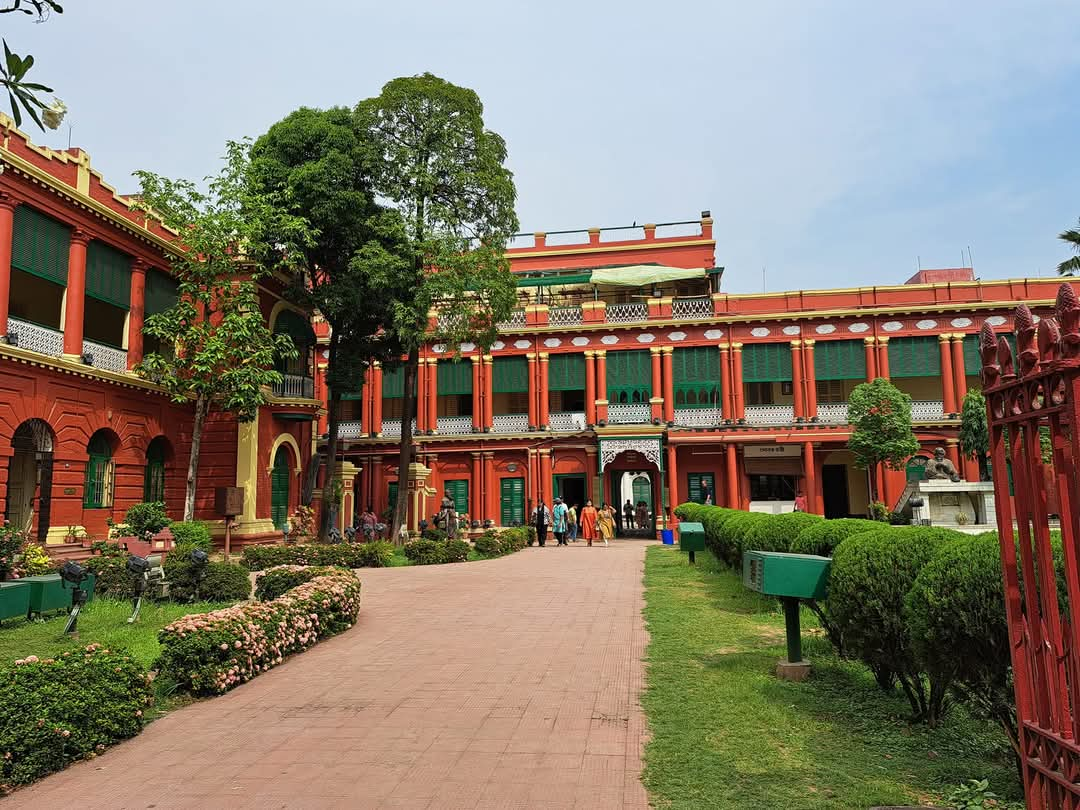
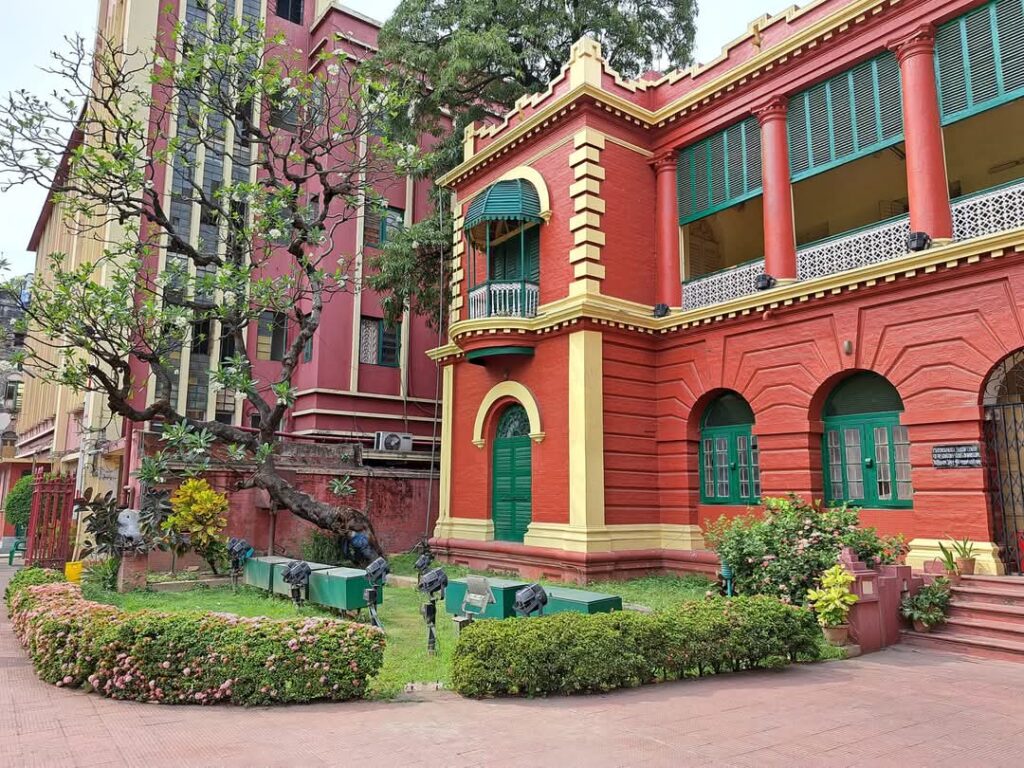
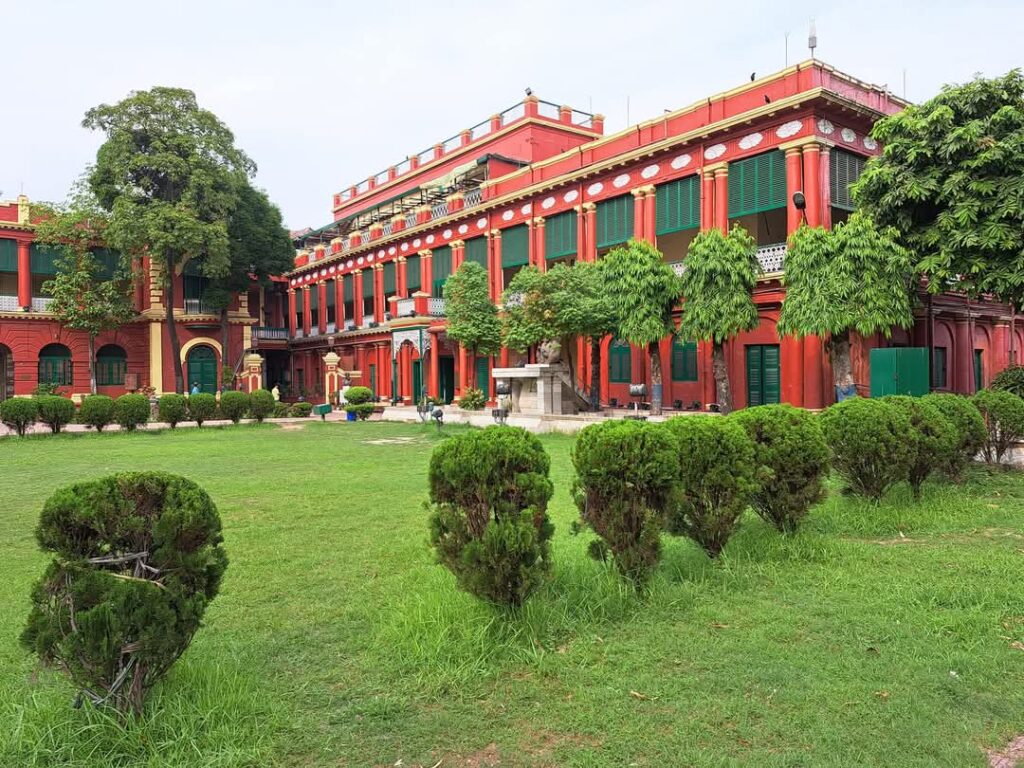
    Jorasanko Thakur Bari Kolkata

    Rabindranath Tagore House in Kolkata

    Step into the hallowed grounds of Jorasanko Thakur Bari, where the echoes of literary genius still resonate through time. This magnificent mansion in Kolkata isn’t just a testament to architectural splendor; it’s the birthplace of Rabindranath Tagore, India’s most celebrated poet and the first non-European Nobel laureate in literature. But what secrets lie within its walls, and why does it continue to captivate visitors from around the world?

    As you walk through the corridors of this historic home-turned-museum, you’ll find yourself transported to the golden age of Bengali Renaissance. The air is thick with inspiration, and every nook tells a story of artistic brilliance and cultural revolution. Yet, for many, the true magic of Jorasanko Thakur Bari remains hidden – a treasure trove of experiences waiting to be uncovered.

    Join us as we embark on a journey through time, exploring the historical significance, architectural marvels, museum exhibits, cultural events, and essential visitor information that make Jorasanko Thakur Bari a must-visit destination in Kolkata. Prepare to be enlightened, inspired, and utterly enchanted by this cradle of Bengali culture.
    The Architectural Marvels of Jorasanko Thakur Bari
    jorasanko tagore house in kolkata
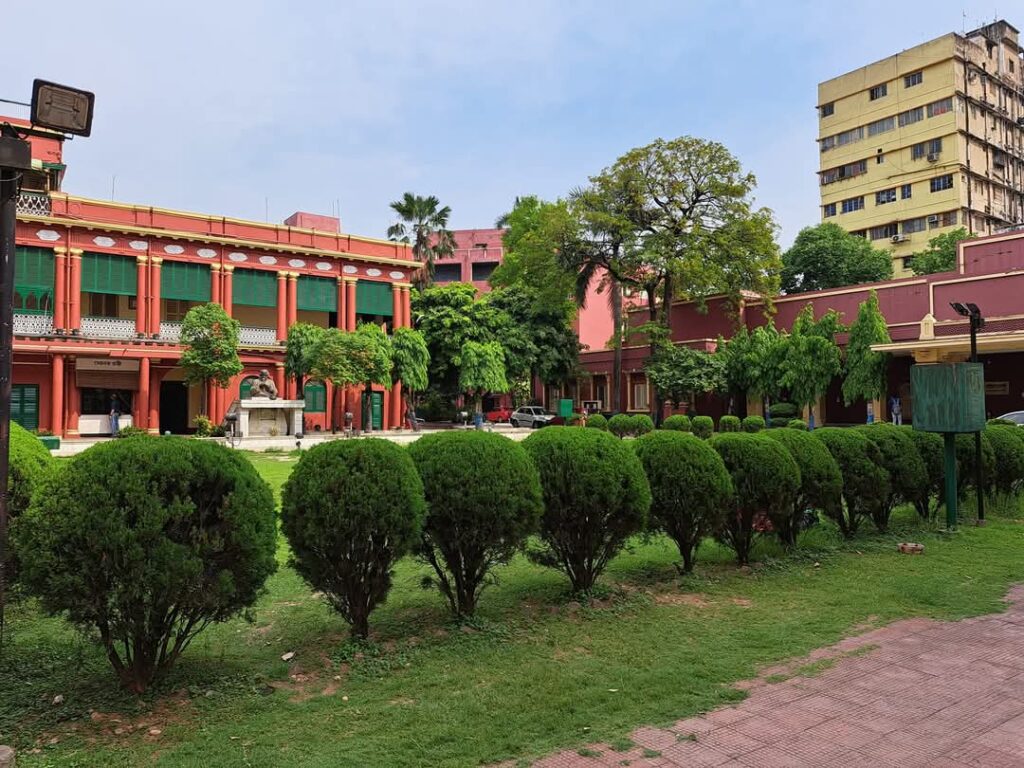
    jorasanko thakur bari garden
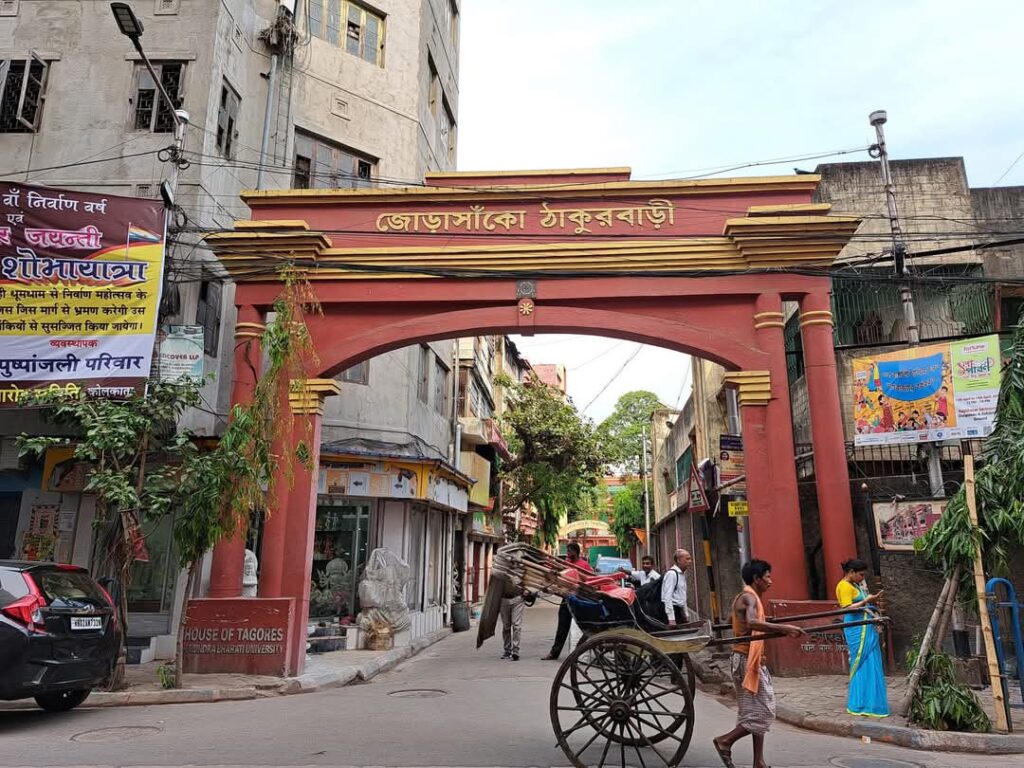
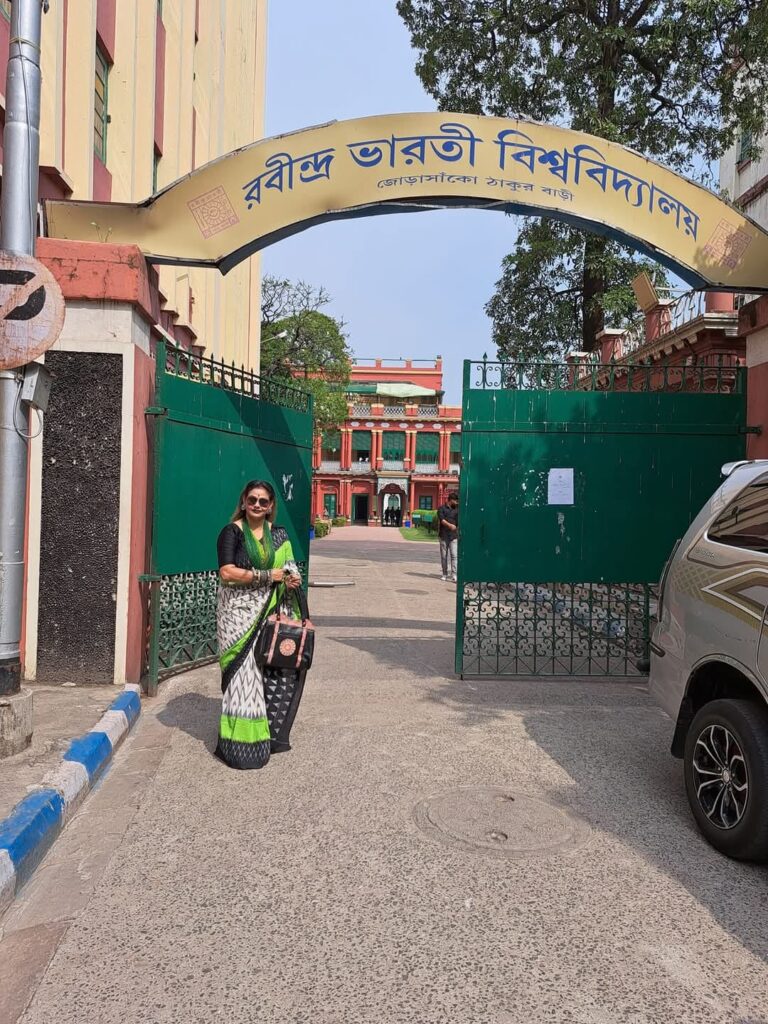
    jorasanko gate kolkata

    Historical Significance of Jorasanko Thakur Bari

    Birthplace of Rabindranath Tagore

    Jorasanko Thakur Bari holds immense historical significance as the birthplace of Rabindranath Tagore, one of India’s most celebrated poets and the first non-European to win the Nobel Prize in Literature. Born on May 7, 1861, Tagore spent much of his early life within these walls, drawing inspiration from the rich cultural atmosphere that surrounded him.

    Ancestral home of the Tagore family

    This majestic mansion has been the ancestral home of the illustrious Tagore family for generations. The Tagores were prominent figures in Bengal’s intellectual and cultural circles, and their influence extended far beyond literature. The family’s legacy is deeply intertwined with the history of Jorasanko Thakur Bari, making it a treasure trove of cultural heritage.

    Role in Bengal Renaissance

    Jorasanko Thakur Bari played a pivotal role in the Bengal Renaissance, a cultural, social, and intellectual movement that swept through the region in the 19th and early 20th centuries. The mansion served as a gathering place for intellectuals, artists, and reformers who shaped the course of Bengali culture and society. It was within these walls that new ideas flourished, challenging traditional norms and paving the way for social and cultural progress.

    Now that we’ve explored the historical significance of Jorasanko Thakur Bari, let’s delve into its architectural marvels and design elements.

    front gate of jorasanko kolkata
    Jorasanko-tagore-house-kolkata

    Architecture and Design

    Now that we’ve explored the historical significance of Jorasanko Thakur Bari, let’s delve into its captivating architecture and design.

    Blend of traditional Bengali and European styles

    Jorasanko Thakur Bari showcases a unique fusion of traditional Bengali and European architectural styles. The mansion’s exterior features intricate terracotta work and ornate balconies, characteristic of Bengali architecture, while its interiors incorporate European elements such as grand staircases and spacious halls.

    Notable features of the mansion

    The mansion boasts several remarkable features that reflect its cultural importance. The courtyard, a central element in Bengali households, serves as a focal point for family gatherings and cultural events. The ornate windows and doors, adorned with intricate carvings, showcase the exceptional craftsmanship of the era. The mansion’s multiple floors house various rooms, each telling a story of the Tagore family’s illustrious past.

    Recent restoration efforts

    In recent years, significant restoration efforts have been undertaken to preserve the architectural glory of Jorasanko Thakur Bari. These initiatives have focused on strengthening the structure, restoring damaged artwork, and maintaining the authentic ambiance of the mansion. The restoration work has not only enhanced the visitor experience but also ensured that this architectural gem continues to stand as a testament to Kolkata’s rich cultural heritage.

    As we move forward, we’ll explore the immersive museum experience that awaits visitors at Jorasanko Thakur Bari.

    Museum Experience

    Rabindranath Tagore’s personal artifacts

    Stepping into the museum at Jorasanko Thakur Bari, visitors are immediately transported into the world of Rabindranath Tagore. The poet’s personal artifacts, meticulously preserved, offer an intimate glimpse into his life. From his writing desk to his spectacles, each item tells a story of the man behind the literary genius.

    Family heirlooms and artworks

    The museum showcases a remarkable collection of Tagore family heirlooms and artworks. Paintings by Rabindranath and other talented family members adorn the walls, reflecting the artistic heritage of the Tagore lineage. These treasures provide a visual feast for art enthusiasts and history buffs alike.

    Interactive exhibits on Tagore’s life and work

    To engage visitors of all ages, the museum features interactive exhibits that bring Tagore’s life and work to life. Touch screens allow guests to explore his poetry, while multimedia presentations offer insights into his philosophical thoughts and global influence.

    Guided tours and audio guides

    For those seeking a deeper understanding, guided tours led by knowledgeable experts are available. These tours provide context and anecdotes that enrich the museum experience. Alternatively, audio guides offer flexibility for visitors to explore at their own pace, ensuring no detail of Tagore’s legacy is missed.

    As you immerse yourself in the museum experience, you’ll gain a profound appreciation for Tagore’s contributions to literature and culture. Next, we’ll explore the vibrant cultural events and programs that keep Jorasanko Thakur Bari alive with creative energy.

    Cultural Events and Programs

    Jorasanko Thakur Bari, the ancestral home of Rabindranath Tagore, continues to be a vibrant cultural hub in Kolkata. The mansion not only preserves the legacy of the Tagore family but also hosts a variety of cultural events and programs throughout the year.
    Annual Tagore Festivals

    One of the highlights of Jorasanko Thakur Bari’s cultural calendar is the annual Tagore festivals. These events, typically held on Tagore’s birth anniversary (May 7) and death anniversary (August 7), attract literature enthusiasts and artists from across the country. Visitors can immerse themselves in soulful renditions of Rabindra Sangeet, witness captivating dance performances based on Tagore’s works, and enjoy theatrical adaptations of his plays.

    Art Exhibitions and Workshops

    The mansion regularly hosts art exhibitions showcasing both traditional and contemporary Bengali art. These exhibitions often feature works inspired by Tagore’s paintings and the rich cultural heritage of Bengal. Additionally, workshops on various art forms, including painting, sculpture, and handicrafts, are organized to engage visitors and promote artistic expression.

    Literary Discussions and Poetry Readings

    Jorasanko Thakur Bari serves as a haven for literary enthusiasts. Regular literary discussions and poetry readings are held in the very rooms where Tagore once lived and wrote. These events provide a platform for scholars, writers, and poetry lovers to explore Tagore’s works and discuss contemporary Bengali literature. The atmospheric setting of the mansion adds a unique charm to these intellectual gatherings, creating an unforgettable experience for participants.

    Visitor Information

    Location and how to reach

    Jorasanko Thakur Bari is located in the heart of North Kolkata at 267, Rabindra Sarani. The nearest metro station is Girish Park, just a 10-minute walk away. Visitors can also take a taxi or use ride-hailing services to reach the location easily. For those preferring public transport, several bus routes pass nearby, making it accessible from various parts of the city.

    Opening hours and entry fees

    The museum is open from Tuesday to Sunday, 10:30 AM to 5:00 PM. It remains closed on Mondays and national holidays. The entry fee is nominal, with separate rates for Indian and foreign visitors. Children below 12 years can enter free of charge. Camera fees are applicable for those wishing to take photographs inside the premises. Indian Rs.20, Foreign Citizen Rs.1000

    Best times to visit

    The ideal time to visit Jorasanko Thakur Bari is during the winter months, from November to February, when the weather is pleasant. Early mornings or late afternoons are recommended to avoid crowds and enjoy a more peaceful experience. Weekdays generally see fewer visitors compared to weekends.

    Photography rules

    Photography is allowed inside Jorasanko Thakur Bari, but visitors need to pay a separate camera fee. Flash photography is prohibited to preserve the artifacts and paintings. Videography is restricted in certain areas of the museum. It’s advisable to check with the staff about specific photography rules in different sections of the house.

    Jorasanko Thakur Bari stands as a testament to Bengal’s rich cultural heritage and the enduring legacy of the Tagore family. This iconic landmark offers visitors a unique glimpse into the life and times of Rabindranath Tagore, showcasing his literary genius and artistic vision through its well-preserved architecture, extensive museum collection, and vibrant cultural programs.

    As you plan your visit to this historic site, remember that Jorasanko Thakur Bari is more than just a museum; it’s a living tribute to the creative spirit that continues to inspire generations. Immerse yourself in the atmosphere that nurtured one of India’s greatest minds, and let the experience ignite your own passion for art, literature, and cultural exploration.

  • Pareshnath Jain temple in Kolkata

    Pareshnath Jain temple in Kolkata

    Pareshnath Jain temple in Kolkata

    Have you ever stumbled upon a hidden gem that left you breathless? 🤩 Nestled in the heart of Kolkata, the Pareshnath Jain Temple stands as a testament to architectural brilliance and spiritual devotion. This awe-inspiring sanctuary, often overlooked by tourists, holds secrets waiting to be discovered.

    Imagine walking through intricately carved marble corridors, surrounded by sparkling mirrors and vibrant mosaics. The Pareshnath Jain Temple offers not just a visual feast but a journey through time and faith. Whether you’re a history buff, an architecture enthusiast, or a spiritual seeker, this magnificent temple has something extraordinary to offer.

    Join us as we unravel the mysteries of the Pareshnath Jain Temple, from its rich history and architectural marvels to the profound spiritual experiences it offers. We’ll guide you through its sacred halls, share tips for your visit, and explore the ongoing efforts to preserve this cultural treasure. Get ready to embark on a fascinating journey through one of Kolkata’s most captivating landmarks!

    History and Significance of Pareshnath Jain Temple

    Origins and founding of the temple

    The Pareshnath Jain Temple, a jewel in Kolkata’s spiritual landscape, was established in 1867 by Ray Badridas Bahadur, a prominent Jain businessman. This magnificent temple was built to honor Parshvanatha, the 23rd Tirthankara of Jainism. The construction took place during a time of great cultural and economic growth in Kolkata, reflecting the city’s burgeoning diversity and religious tolerance.

    Importance in Jainism

    Pareshnath Temple holds immense significance for Jains worldwide. It is dedicated to Parshvanatha, revered for his teachings on non-violence and spiritual liberation. The temple serves as a crucial pilgrimage site, attracting devotees who seek blessings and spiritual enlightenment. Its intricate architecture and sacred idols embody core Jain principles, making it a center for religious study and meditation.

    Cultural significance for Kolkata

    Beyond its religious importance, Pareshnath Temple has become an integral part of Kolkata’s cultural fabric. It stands as a testament to the city’s inclusive nature, welcoming visitors of all faiths. The temple’s stunning beauty and peaceful atmosphere have made it a popular tourist attraction, contributing to Kolkata‘s reputation as a city of art and culture. Moreover, it serves as an educational hub, offering insights into Jain philosophy and traditions to curious visitors and scholars alike.

    Pareshnath Jain temple in Kolkata

    Architectural Marvels

    Unique design elements

    The Pareshnath Jain Temple in Kolkata stands out for its distinctive architectural style, blending traditional Jain elements with European influences. Its ornate facade features intricate patterns and geometric designs, creating a mesmerizing visual spectacle. The temple’s four main towers, adorned with delicate spires, rise majestically against the Kolkata skyline, making it a landmark in the city.

    Intricate carvings and sculptures

    One of the most striking features of the Pareshnath Temple is its exquisite craftsmanship. The walls and pillars are adorned with elaborate carvings depicting scenes from Jain mythology and the lives of Tirthankaras. These masterfully executed sculptures showcase the skill of the artisans and serve as a visual narrative of Jain teachings.

    Use of mirrors and glass in decoration

    A unique aspect of the Pareshnath Temple is its extensive use of mirrors and colored glass in its interior decoration. The main prayer hall, known as the “Shish Mahal” or Palace of Mirrors, features walls and ceilings covered with intricate mirror work. This creates a dazzling effect, reflecting light and amplifying the spiritual ambiance of the space.

    Comparison with other Jain temples

    While the Pareshnath Temple shares some common elements with other Jain temples, such as the presence of Tirthankara idols and symbolic motifs, its architectural style sets it apart. Unlike the more austere designs of many traditional Jain temples, the Pareshnath Temple’s opulent decor and fusion of styles make it a unique marvel in the world of Jain architecture.

    Spiritual Experience at Pareshnath

    Main deities and idols

    The Pareshnath Jain Temple in Kolkata is home to several revered deities and idols, each holding profound significance in Jain theology. The main sanctum houses a stunning idol of Pareshnath, the 23rd Tirthankara, adorned with precious gems and intricate carvings. Surrounding this central figure are numerous smaller idols of other Tirthankaras, creating a divine assemblage that inspires devotion and reverence.

    1. Rituals and ceremonies

    Daily rituals at the temple begin at dawn with the ‘abhishek’ ceremony, where the idols are bathed and adorned with fresh flowers. Throughout the day, devotees perform ‘aarti’ and offer prayers, creating a constant flow of spiritual energy. During festivals like Mahavir Jayanti and Paryushan, the temple comes alive with special ceremonies, chanting, and elaborate decorations, drawing pilgrims from across the country.

    1. Meditation spaces

    The temple complex offers serene meditation spaces where visitors can find moments of tranquility amidst the bustling city. These quiet corners, adorned with minimalist design and soft lighting, provide the perfect environment for introspection and spiritual contemplation. Many devotees and tourists alike find solace in these peaceful retreats, allowing them to connect with their inner selves.

    1. Spiritual atmosphere

    The Pareshnath Jain Temple exudes a palpable spiritual atmosphere that captivates all who enter. The air is filled with the soft chanting of mantras and the gentle ringing of bells, creating a meditative ambiance. The intricate architecture, with its symbolic carvings and motifs, serves as a visual representation of Jain philosophy, encouraging visitors to reflect on the principles of non-violence, truthfulness, and detachment. This spiritual aura makes the temple not just a place of worship, but a sanctuary for those seeking inner peace and enlightenment.

    Visitor’s Guide

    Best time to visit

    The ideal time to visit Pareshnath Jain Temple is during the cooler months from October to March. The temple opens daily from 6:00 AM to 12:00 PM and 3:00 PM to 9:00 PM, with extended hours during festivals. Early mornings offer a serene atmosphere for spiritual seekers, while evenings showcase the temple’s stunning illumination.

    Dress code and etiquette

    Visitors should dress modestly, covering shoulders and knees. Remove footwear before entering the temple premises. Maintain silence and avoid touching idols or religious artifacts. Non-Jains are welcome but should refrain from participating in rituals.

    Photography rules

    Photography is generally allowed in the temple’s exterior areas. However, it’s prohibited inside the main shrine and during ceremonies. Always seek permission before taking pictures and be respectful of worshippers.

    Nearby attractions

    After visiting Pareshnath Temple, explore other nearby attractions in Kolkata. The Indian MuseumVictoria Memorial, and Park Street are within a 3-4 km radius. The famous Kalighat Temple is about 6 km away, offering a contrasting religious experience.
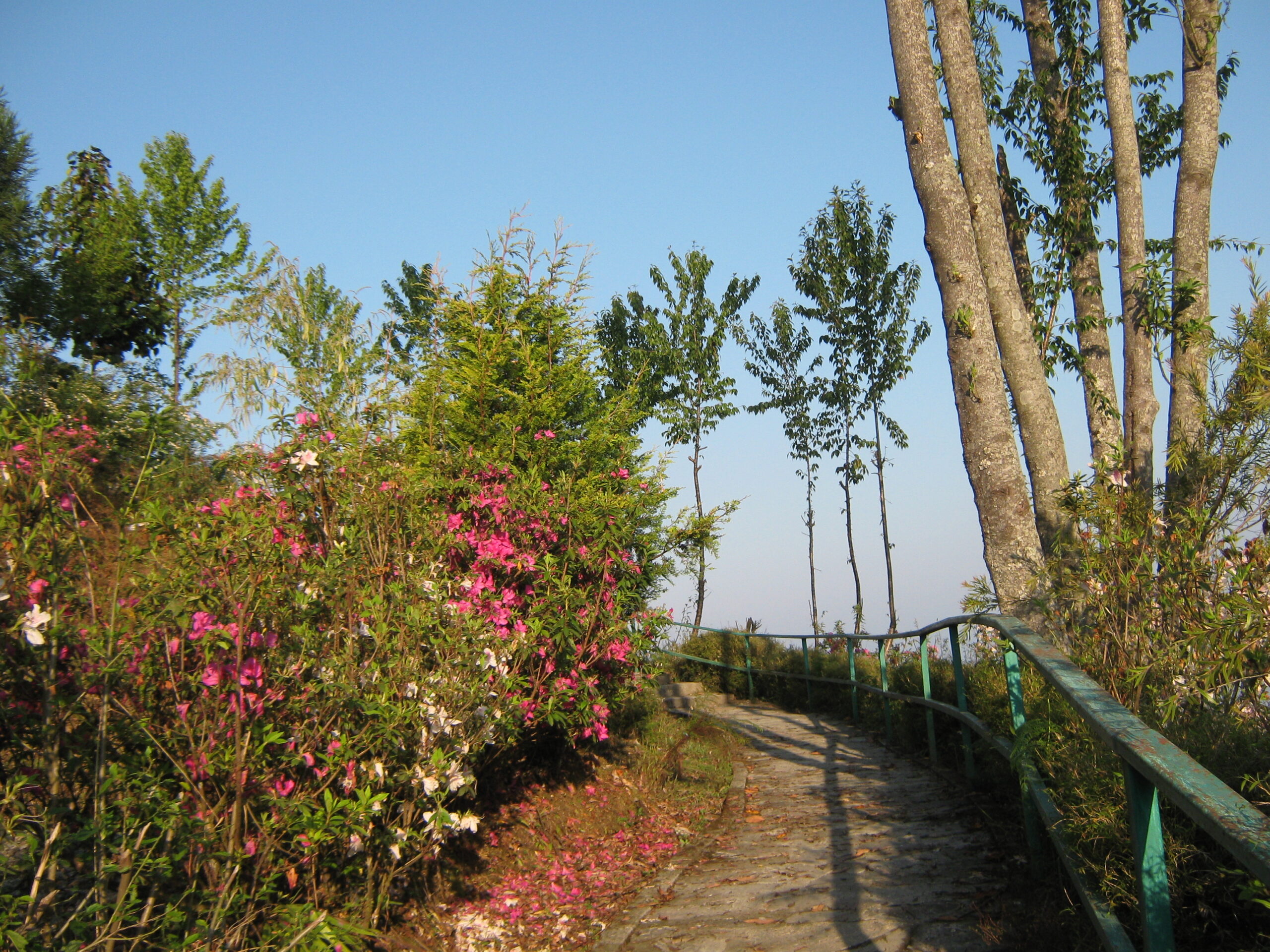
    Transportation options

    The temple is easily accessible by various modes of transport. Taxis and app-based ride services are convenient options. For budget travelers, buses and metro services are available. The nearest metro station is Park Street, about 2 km away. If driving, limited parking is available near the temple entrance.

    Conservation Efforts

    Restoration projects

    The Pareshnath Jain Temple has undergone several restoration projects to maintain its architectural beauty and historical significance. Recent efforts have focused on repairing intricate carvings and reinforcing the temple’s structural integrity. Expert artisans, specializing in traditional Jain architecture, have been employed to ensure authentic restoration techniques are used.

    Preservation challenges

    Preserving the Pareshnath Jain Temple faces numerous challenges. Kolkata’s humid climate accelerates weathering of the temple’s delicate stonework and paintings. Air pollution from the bustling city also poses a threat to the temple’s exterior. Additionally, the increasing number of visitors raises concerns about wear and tear on the temple’s floors and staircases.

    Community involvement

    The local Jain community plays a crucial role in the conservation of Pareshnath Temple. They organize regular clean-up drives and fundraising events to support ongoing preservation efforts. Many community members volunteer their time to educate visitors about the temple’s importance and proper etiquette, helping to minimize damage from tourism. This active involvement ensures that the temple remains a living heritage site, continuing to serve as a place of worship while preserving its historical value for future generations.

    Now that we’ve explored the conservation efforts, let’s turn our attention to the practical aspects of visiting this magnificent temple.

    The Pareshnath Jain Temple in Kolkata stands as a testament to the rich cultural heritage and spiritual significance of Jainism in India. From its fascinating history to its awe-inspiring architecture, this sacred site offers visitors a unique glimpse into the Jain faith and its enduring legacy. The temple’s intricate designs, serene atmosphere, and spiritual offerings create an unforgettable experience for devotees and tourists alike.

    As you plan your visit to this remarkable landmark, remember to respect the sanctity of the temple and immerse yourself in its peaceful ambiance. By supporting ongoing conservation efforts, we can ensure that future generations will continue to marvel at the beauty and wisdom preserved within the walls of the Pareshnath Jain Temple. Whether you seek spiritual enlightenment or simply wish to appreciate the artistry of a bygone era, this architectural gem is sure to leave a lasting impression on all who enter its hallowed grounds.


  • Discover the Inspiring Legacy of Missionaries of Charity Kolkata

    Discover the Inspiring Legacy of Missionaries of Charity Kolkata

    Missionaries of Charity Kolkata: A Journey Through Mother Teresa’s Compassionate World

    Introduction

    Kolkata, a city known for its rich cultural heritage, is also home to one of the most revered institutions in the world – the Missionaries of Charity. Founded by Mother Teresa, this organization has become synonymous with compassion and selfless service. In this blog post, we’ll take you on a journey through the Missionaries of Charity Kolkata, exploring its significance, history, and the impact it continues to have on the city and the world.

    Mother Teresa museum
    Missionaries of charities kolkata
    Foreigner are Visiting-Missionaries of Charity Kolkata

    The Mother House: Heart of the Missionaries of Charity

    The Mother House in Kolkata serves as the headquarters of the Missionaries of Charity and is a testament to Mother Teresa’s life and work. Located on AJC Bose Road, this humble three-story building is where Mother Teresa lived, worked, and was laid to rest.

    Key Features of the Mother House:

    • Mother Teresa’s tomb

    • Simple living quarters

    • Chapel for prayer and meditation

    • Exhibition of Mother Teresa’s personal belongings

    The Mother House is not just a place of historical significance but also a living, breathing center of hope and charity. Visitors can witness the sisters of the Missionaries of Charity going about their daily duties, providing a glimpse into the ongoing work inspired by Mother Teresa.

    Exploring the Mother Teresa Museum

    Adjacent to the Mother House is the Mother Teresa Museum, a must-visit destination for those interested in learning more about the life and work of this remarkable woman. The museum offers a comprehensive look at Mother Teresa’s journey from a young girl in Albania to a global symbol of compassion.

    Highlights of the Mother Teresa Museum:

    • Chronological display of Mother Teresa’s life

    • Artifacts and personal items

    • Audio-visual presentations

    • Quotes and teachings of Mother Teresa

    The museum provides a deeply moving experience, allowing visitors to connect with Mother Teresa’s vision and the principles that guide the Missionaries of Charity.

    Visiting Hours and Location

    To make the most of your visit to the Missionaries of Charity Kolkata, it’s important to know the visiting hours and location.

    Mother House Timing:

    • Open daily from 6:00 AM to 12:00 PM and 3:00 PM to 6:00 PM

    • Closed on Thursdays for cleaning

    Mother House Location:

    54A, AJC Bose Road, Kolkata 700016, West Bengal, India

    It’s advisable to arrive early, especially if you wish to attend the morning Mass or avoid crowds. The best time to visit is usually in the morning when the atmosphere is serene and peaceful.

    The Missionaries of Charity’s Impact on Kolkata

    The Missionaries of Charity has had a profound impact on Kolkata, transforming the city into a beacon of hope and compassion. Their work extends far beyond the walls of the Mother House, reaching into the poorest and most marginalized communities of the city.

    Key Areas of Impact:

    1. Healthcare: Providing medical care to those who cannot afford it

    2. Education: Running schools and training programs for underprivileged children

    3. Shelter: Offering homes for orphans, the elderly, and the homeless

    4. Rehabilitation: Supporting individuals with leprosy and HIV/AIDS

    The organization’s presence has not only improved the lives of countless individuals but has also inspired a culture of giving and volunteerism in Kolkata.
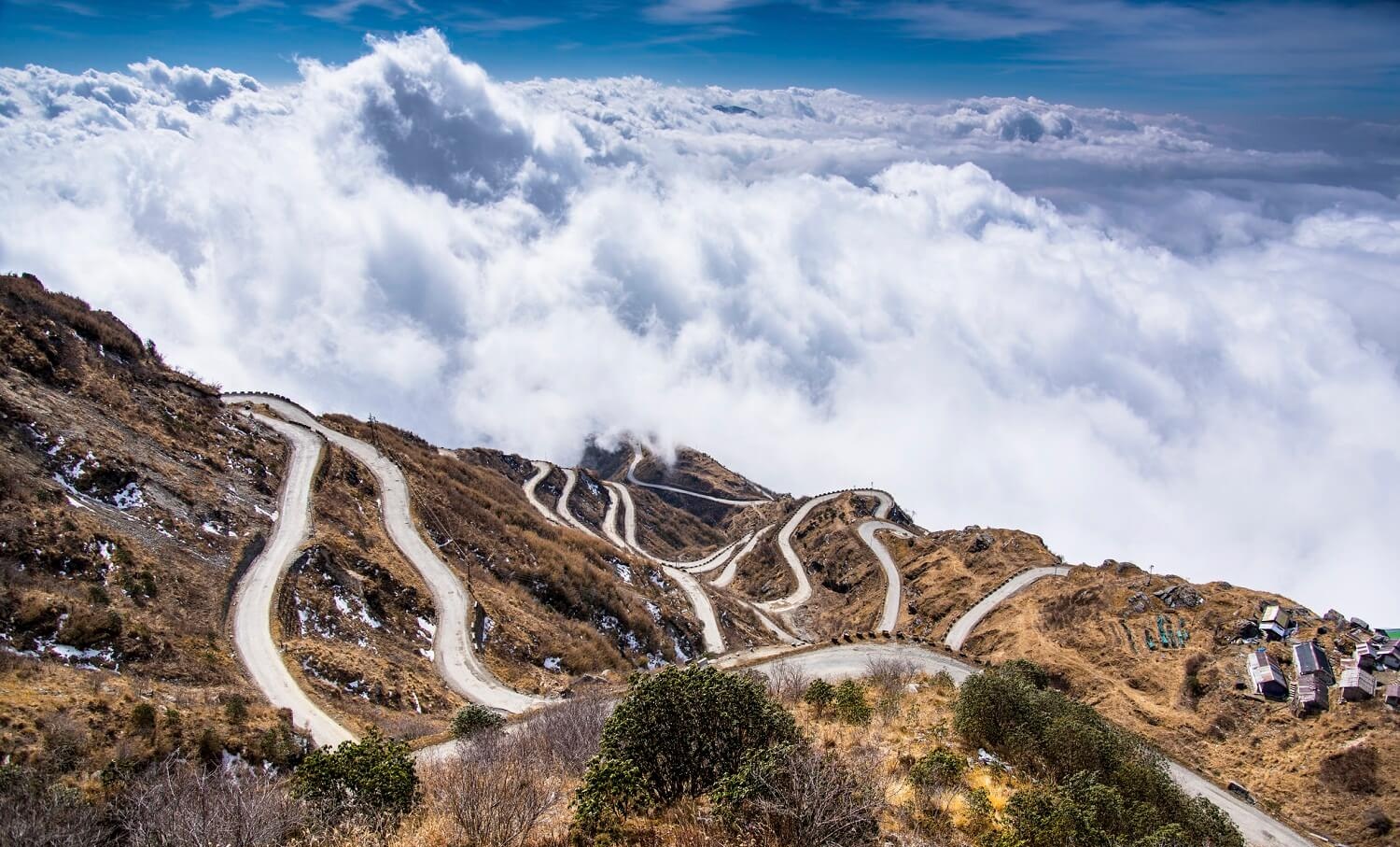
    Incorporating the Mother House into Your Kolkata City Tour

    A visit to the Missionaries of Charity Kolkata can be easily incorporated into a broader Kolkata city tour. Here’s a suggested itinerary:

    1. Start your day early at the Mother House

    2. Visit the nearby Indian Museum

    3. Explore the vibrant New Market area for lunch and shopping

    4. Take a stroll through the historic Park Street

    5. End your day with a peaceful boat ride on the Hooghly River

    This route allows you to experience both the spiritual and cultural aspects of Kolkata, providing a well-rounded perspective of the city.

    Other Places to See in Kolkata

    While the Missionaries of Charity is a highlight, Kolkata offers many other attractions worth exploring:

    1. Victoria Memorial: A stunning marble building dedicated to Queen Victoria

    2. Howrah Bridge: An iconic symbol of Kolkata spanning the Hooghly River

    3. Dakshineswar Kali Temple: A famous Hindu temple on the eastern bank of the Hooghly River

    4. College Street: A paradise for book lovers with numerous bookstores and colleges

    5. Marble Palace: A 19th-century mansion showcasing neoclassical architecture

    6. Sundarbans: A nearby UNESCO World Heritage Site known for its mangrove forests and Bengal tigers

    Each of these locations offers a unique glimpse into Kolkata’s rich history and diverse culture.

    Conclusion

    The Missionaries of Charity Kolkata stands as a powerful reminder of the impact one person can have on the world. A visit to this institution not only provides insight into Mother Teresa’s life and work but also offers an opportunity for personal reflection and inspiration. Whether you’re a spiritual seeker, a history enthusiast, or simply curious about one of Kolkata’s most significant landmarks, the Missionaries of Charity is an essential stop on any trip to this vibrant city.

    As you plan your visit, remember that the spirit of service and compassion that Mother Teresa embodied continues to thrive in Kolkata. By engaging with the Missionaries of Charity and the city’s many other attractions, you’ll gain a deeper understanding of Kolkata’s unique place in the world and the enduring legacy of one of its most beloved figures.
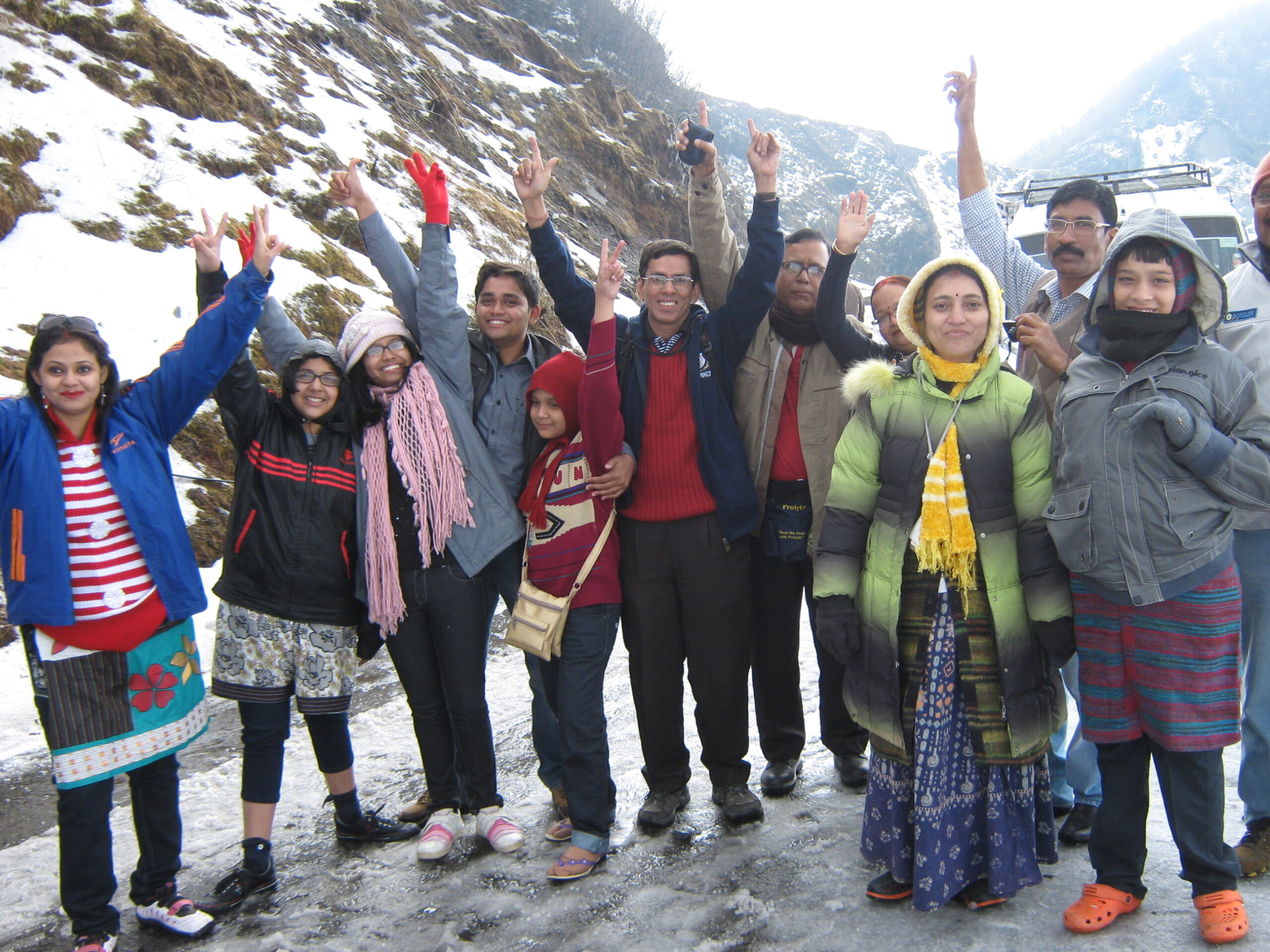
  • Unveiling the Treasures: A Journey Through the Indian Museum in Kolkata

    Unveiling the Treasures: A Journey Through the Indian Museum in Kolkata

    Unveiling the Treasures: A Journey Through the Indian Museum in Kolkata

    Indian Museum in Kolkata

    Have you ever wondered what it’s like to walk through centuries of Indian history in a single day? Imagine stepping into a world where ancient artifacts whisper tales of bygone eras, and every corner reveals a new facet of India’s rich cultural tapestry. Welcome to the Indian Museum in Kolkata, a treasure trove of history that’s been captivating visitors for over two centuries!

    Founded in 1814, this architectural marvel isn’t just India’s oldest museum—it’s also the largest. But what truly sets it apart is its ability to transport you through time, from prehistoric fossils to contemporary art. Whether you’re a history buff, an art enthusiast, or simply curious about India’s diverse heritage, the Indian Museum offers an unparalleled journey through the subcontinent’s past and present.

    Ready to embark on this fascinating adventure? Join us as we explore the rich history, stunning architecture, and diverse collections that make the Indian Museum a must-visit destination. We’ll guide you through its most captivating exhibits, share tips for an unforgettable visitor experience, and help you plan your trip to this cultural gem in the heart of Kolkata

    Indian Museum in Kolkata
    Indian Museum Kolkata sightseeing
    Kolkata Indian Museum

    History and Significance

    Founding and early years

    The Indian Museum in Kolkata, established in 1814, holds the distinction of being the oldest and largest multipurpose museum in the Asia-Pacific region. Founded by Dr. Nathaniel Wallich, a Danish botanist, the museum began as a small collection housed in the Asiatic Society. Its initial focus was on natural history specimens, but it quickly expanded to include archaeological artifacts, anthropological objects, and geological samples.

    Evolution into India’s largest museum

    Over the next two centuries, the Indian Museum grew exponentially, both in size and scope. Key milestones include:

    • 1875: Relocation to its current premises on Chowringhee Road
    • 1901: Establishment of the Archaeological Survey of India gallery
    • 1960s: Addition of the Egyptian mummy exhibition

    Today, the museum boasts over 100,000 artifacts spread across 35 galleries, making it a treasure trove of human history and natural wonders.

    Cultural importance for Bengal and India

    The Indian Museum holds immense cultural significance for both Bengal and India as a whole:

    1. Preservation of heritage: It safeguards priceless artifacts from various periods of Indian history
    2. Educational resource: Serves as a vital center for research and learning
    3. Cultural identity: Reinforces Bengal’s role in India’s cultural landscape
    4. Tourism magnet: Attracts visitors from around the world, boosting local economy

    As we explore the museum’s architectural marvel in the next section, you’ll see how its physical structure complements its rich historical legacy.

    Architectural Marvel

    Neo-classical design features

    The Indian Museum in Kolkata stands as a magnificent example of neo-classical architecture. Its design features include:

    • Symmetrical layout with a grand central portico
    • Tall Corinthian columns supporting the facade
    • Triangular pediments adorning the entrance
    • Large, arched windows allowing natural light

    These elements combine to create a striking visual impact, reminiscent of ancient Greek and Roman structures.

    Impressive facade and interiors

    The museum’s exterior is as captivating as its contents. Notable features include:

    • Imposing stone steps leading to the main entrance
    • Intricate carvings and sculptures on the building’s exterior
    • Spacious, high-ceilinged galleries inside
    • Ornate moldings and decorative elements throughout

    The interiors are designed to complement the exhibits, providing a grand backdrop for the diverse collections housed within.

    Recent renovations and improvements

    In recent years, the Indian Museum has undergone significant renovations to enhance visitor experience and preserve its architectural integrity. These improvements include:

    • Restoration of the building’s original color scheme
    • Upgrades to lighting and climate control systems
    • Installation of modern display cases and information panels
    • Improved accessibility features for visitors with disabilities

    These renovations have breathed new life into the historic structure, ensuring it remains a beloved landmark in Kolkata for generations to come.

    Diverse Collections

    Archaeology exhibits

    The Indian Museum in Kolkata boasts an impressive collection of archaeological artifacts that span millennia. Visitors can explore:

    • Prehistoric tools and pottery
    • Ancient sculptures from various Indian dynasties
    • Inscriptions and coins from different historical periods
    • Relics from the Indus Valley Civilization

    These exhibits offer a fascinating glimpse into India’s rich cultural heritage.

    Art objects and paintings

    Art enthusiasts will be captivated by the museum’s diverse array of artistic treasures, including:

    • Mughal miniature paintings
    • Classical Indian sculptures
    • Decorative arts from various regions
    • Contemporary Indian artworks

    Anthropology displays

    The anthropology section showcases the cultural diversity of India and neighboring regions. Highlights include:

    • Traditional costumes and jewelry
    • Tribal artifacts and tools
    • Masks and musical instruments
    • Dioramas depicting various cultural practices

    Geology specimens

    Geology buffs will appreciate the extensive collection of:

    • Rare minerals and gemstones
    • Fossils from different geological eras
    • Meteorite samples
    • Rock formations from across India

    Zoology specimens

    The zoology section houses an impressive array of:

    • Taxidermied animals from various ecosystems
    • Skeletal remains of extinct species
    • Preserved specimens of rare and endangered animals
    • Detailed dioramas of wildlife habitats

    With such diverse collections, the Indian Museum offers a comprehensive overview of India’s natural and cultural heritage. As we explore these exhibits, we gain a deeper appreciation for the country’s rich history and biodiversity. Next, we’ll delve into some of the must-see exhibits that you shouldn’t miss during your visit to Kolkata City tour.

    Must-See Exhibits

    1. Egyptian mummy

    One of the most captivating exhibits in the Indian Museum is the Egyptian mummy, a rare treasure that draws visitors from far and wide. This well-preserved ancient artifact offers a fascinating glimpse into the intricate funerary practices of ancient Egypt. The mummy, dating back to the Ptolemaic period (305-30 BCE), is complete with its ornate sarcophagus, providing an authentic representation of Egyptian burial customs.

    1. Ashoka Pillar

    Another must-see exhibit is the Ashoka Pillar, a testament to India’s rich historical heritage. This monolithic sandstone pillar, erected by Emperor Ashoka in the 3rd century BCE, bears inscriptions of his famous edicts. The pillar’s presence in the museum offers visitors a chance to:

    • Admire the craftsmanship of ancient Indian artisans
    • Decipher the Brahmi script inscriptions
    • Learn about Ashoka’s Buddhist principles and governance
    1. Prehistoric fossils

    The museum’s collection of prehistoric fossils is a treasure trove for paleontology enthusiasts. This exhibit showcases:

    • Dinosaur fossils, including a 150-million-year-old skeleton
    • Plant fossils from various geological eras
    • Fossilized remains of ancient marine life

    These specimens provide invaluable insights into the evolution of life on the Indian subcontinent.

    1. Rare coins and manuscripts

    The numismatic and manuscript collections are equally impressive, featuring:

    • Gold coins from the Gupta period
    • Rare Mughal-era manuscripts
    • Palm leaf inscriptions from South India

    These exhibits offer a unique perspective on India’s cultural and economic history. As you explore these fascinating artifacts, you’ll gain a deeper appreciation for the vast tapestry of Indian heritage. Next, we’ll delve into the overall visitor experience at the Indian Museum.

    Visitor Experience

    Guided tours and audio guides

    Enhance your visit to the Indian Museum with expert-led guided tours or informative audio guides. These options provide in-depth insights into the museum’s vast collection and historical significance. Guided tours are available in multiple languages, offering:

    • Customized routes based on your interests
    • Engaging narratives about key exhibits
    • Answers to your questions from knowledgeable guides

    Audio guides allow for a self-paced exploration, perfect for those who prefer a more independent experience.

    Interactive displays and workshops

    Immerse yourself in India’s rich cultural heritage through:

    • Touch-screen exhibits showcasing artifact details
    • Virtual reality experiences of historical events
    • Hands-on workshops on traditional crafts and archaeology

    These interactive elements make learning enjoyable for visitors of all ages, bringing history to life in engaging ways.

    Photography policies

    While capturing memories is important, the museum has specific photography guidelines to protect its priceless artifacts:

    • Personal photography is allowed in most galleries
    • Flash photography is strictly prohibited
    • Video recording requires special permission
    • Some exhibits may have no-photo zones for preservation reasons

    Accessibility features

    The Indian Museum strives to be inclusive, offering:

    • Wheelchair ramps and elevators for easy navigation
    • Braille descriptions for select exhibits
    • Rest areas throughout the museum for comfort
    • Assistance services for visitors with special needs

    With these visitor-friendly features, the Indian Museum ensures a memorable and educational experience for all. As you plan your visit, consider how these amenities can enhance your exploration of Kolkata’s cultural treasures.

    Planning Your Visit

    1. Location and how to reach

    The Indian Museum is centrally located in Kolkata, making it easily accessible. Here are the best ways to reach the museum:

    • By Metro: The nearest metro station is Park Street, about 1 km away.
    • By Bus: Several city buses stop near the museum. Look for routes passing through Chowringhee Road.
    • By Taxi or Ride-sharing: Convenient and readily available throughout Kolkata.
    • On foot: If you’re staying in the Park Street or Esplanade area, it’s a pleasant walk.
    1. Opening hours and ticket information

    • Opening hours: Tuesday to Sunday, 10:00 AM to 5:00 PM (Closed on Mondays and national holidays)
    • Ticket prices:
      • Indian citizens: ₹20 for adults, ₹10 for children
      • Foreign visitors: ₹500 for adults, ₹250 for children
    • Photography is allowed with an additional fee
    1. Best times to visit

    • Weekday mornings for fewer crowds
    • Winter months (November to February) for comfortable weather
    • Avoid peak summer (April to June) due to high temperatures
    1. Nearby attractions

    After exploring the Indian Museum, consider visiting these nearby attractions to make the most of your Kolkata city tour:

    1. Victoria Memorial
    2. St. Paul’s Cathedral
    3. Park Street for shopping and dining
    4. Maidan, the city’s largest urban park

    These attractions can easily be combined with the Indian Museum for a comprehensive half-day or full-day Kolkata city tour. Consider booking a guided tour or hiring a car for a more structured experience of Kolkata’s top tourist places.

    The Indian Museum in Kolkata stands as a testament to India’s rich cultural heritage and historical significance. From its awe-inspiring architecture to its diverse collections spanning art, archaeology, and natural history, this institution offers visitors a captivating journey through time. The must-see exhibits, including the Egyptian mummy and rare fossils, provide unique insights into various civilizations and the natural world.

    As you plan your visit to this remarkable institution, remember that the Indian Museum is more than just a collection of artifacts; it’s a gateway to understanding India’s past and its place in global history. Whether you’re a history enthusiast, art lover, or curious traveler, the museum promises an enriching experience that will leave you with a deeper appreciation for India’s cultural tapestry. Don’t miss the opportunity to explore this treasure trove of knowledge and wonder in the heart of Kolkata.
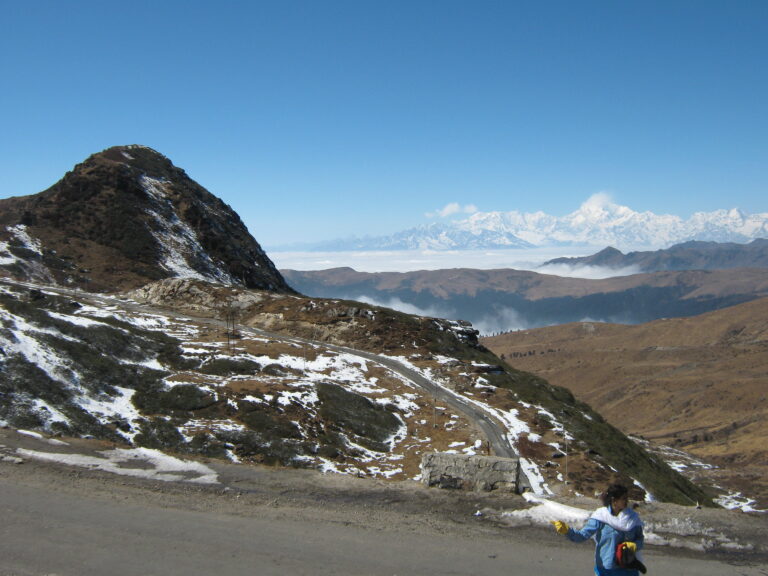
     

  • Victoria Memorial: A Symbol of Kolkata’s Rich History”

    Victoria Memorial: A Symbol of Kolkata’s Rich History”

    The Victoria Memorial: Kolkata’s Marble Marvel and Historical Treasure

    Opening Hours: 10:00 AM – 6:00 PMThe galleries are closed on Mondays and specified National Holidays, including:Republic Day, Holi (Dol Yatra), Eid al-Fitr, Independence Day, Mahatma Gandhi’s Birthday, Dussehra (Vijay Dashami), and Christmas Day.
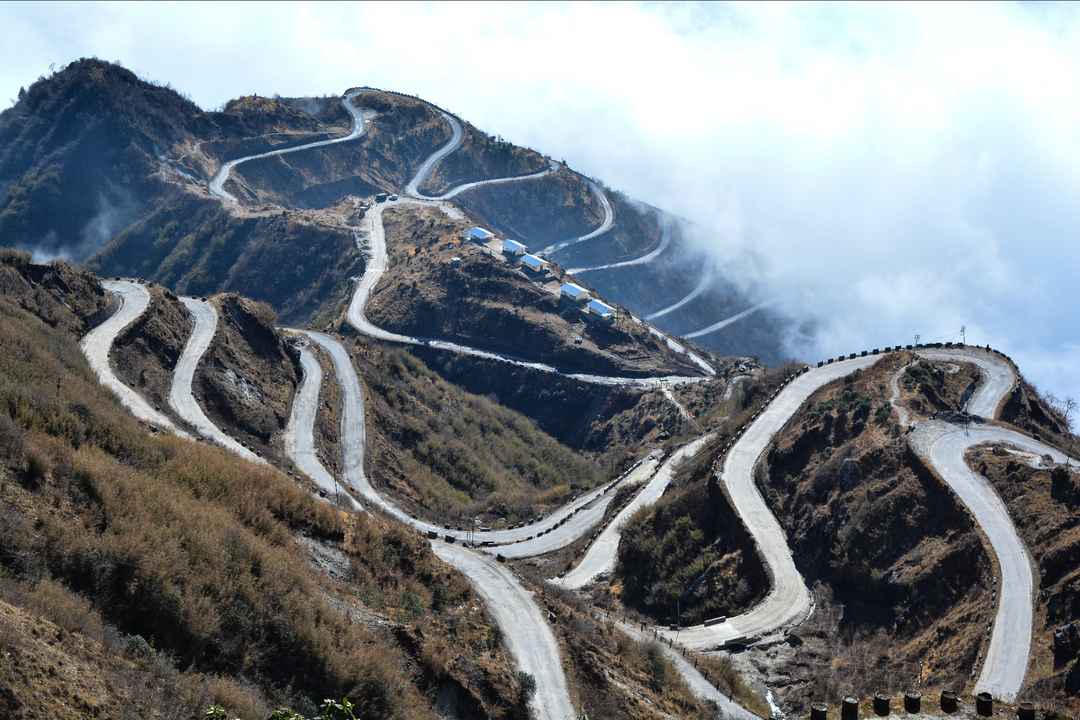
     

    Museum Galleries Ticket Prices:

    • Indian Citizens – Rs. 50 per person

    • Citizens from SAARC Countries – Rs. 100 per person(Applicable to nationals from Afghanistan, Bangladesh, Bhutan, Maldives, Nepal, Pakistan, and Sri Lanka upon presentation of Passport)

    • Citizens from all other nations – Rs. 500 per person

    Free Entry for:

    • School students up to Class XII in uniform and with School ID

    • Differently-abled individuals with a U.D.I.D Card

    • Armed forces personnel and their spouses and children upon display of ID Cards

    • Members of the Para-Military forces, WB Police, Kolkata Police and their immediate family members, along with retirees of these services.

    Know More About Victoria 

    The Victoria Memorial stands as a magnificent testament to Kolkata’s rich history, blending architectural grandeur with cultural significance. Built in the early 20th century, this iconic monument was conceived as a tribute to Queen Victoria, the Empress of India. Its purpose was to honor her memory and serve as a museum and public garden for the people of Calcutta (now Kolkata).

    Brief history and purpose of the monument

    The idea for the Victoria Memorial was born shortly after Queen Victoria’s death in 1901. Lord Curzon, the then Viceroy of India, proposed the creation of a grand building that would serve as a fitting tribute to the Queen’s long reign. The memorial was designed to be more than just a monument; it was envisioned as a place where people could learn about India’s history and enjoy the beauty of art and nature.

    Architectural significance

    The Victoria Memorial is a stunning example of Indo-Saracenic revivalist architecture, a style that blends elements of British, Mughal, and other Indian architectural traditions. Its white marble facade, intricate carvings, and majestic dome make it one of the most recognizable landmarks in Kolkata. The building’s design reflects the fusion of cultures that characterized the British Raj era.

    Location and surrounding gardens

    Situated at the heart of Kolkata, the Victoria Memorial is located on the Maidan, a vast urban park. The memorial is surrounded by 64 acres of lush gardens, featuring manicured lawns, vibrant flowerbeds, and serene water bodies. This green oasis in the bustling city provides a perfect setting for the magnificent marble structure, creating a harmonious blend of natural beauty and architectural splendor.

    Outside picture of Victoria memorial
    Bronze statue of Queen Victoria at Victoria Memorial Kolkata

    The Construction of the Victoria Memorial

    Conception and planning

    The conception of the Victoria Memorial was a result of Lord Curzon’s vision to create a grand monument that would rival the Taj Mahal. The project was officially announced in 1901, and a design competition was held to select the architect. William Emerson, a prominent British architect, won the competition with his design that incorporated elements from various architectural styles.

    Materials and techniques used

    The primary material used in the construction of the Victoria Memorial was white Makrana marble, the same type used in the Taj Mahal. This high-quality marble was brought from Rajasthan, giving the building its distinctive gleaming white appearance. The construction involved a combination of traditional Indian craftsmanship and modern British engineering techniques, ensuring both aesthetic beauty and structural integrity.

    Timeline of construction

    The foundation stone for the Victoria Memorial was laid in 1906 by the Prince of Wales (later King George V). Construction progressed over the next 15 years, facing challenges such as World War I and the need for meticulous craftsmanship. The memorial was finally opened to the public in 1921, although some finishing touches continued for a few more years.

    Architectural Features and Design

    Exterior elements and decorations

    The exterior of the Victoria Memorial is a feast for the eyes. The building’s façade is adorned with intricate sculptures, including allegorical figures representing art, architecture, justice, and charity. The corners of the building feature impressive towers, while the central dome rises majestically, crowned with a bronze figure of the Angel of Victory.

    Interior layout and galleries

    Inside, the memorial houses several galleries spread across two floors. The central hall, known as the Queen’s Hall, features a statue of Queen Victoria seated on her throne. Other galleries showcase paintings, sculptures, and historical artifacts related to the British Raj and Indian history. The interior design maintains a balance between grandeur and functionality, providing ample space for exhibitions and visitor movement.

    Dome and other structural highlights

    The most striking feature of the Victoria Memorial is its central dome, which rises to a height of 184 feet. The dome is supported by a complex system of arches and beams, demonstrating the advanced engineering techniques of the early 20th century. Other notable structural elements include the colonnaded verandahs, ornate balustrades, and the grand staircase leading to the main entrance.

    Art and Artifacts within the Memorial

    Notable paintings and sculptures

    The Victoria Memorial houses an impressive collection of art, including paintings by prominent British and Indian artists. Some notable works include portraits of Indian rulers, scenes from Indian mythology, and landscapes depicting various parts of India. The sculpture collection features works by both British and Indian artists, with themes ranging from historical figures to allegorical representations.

    Historical documents and memorabilia

    The memorial’s archives contain a wealth of historical documents, including letters, official records, and rare manuscripts from the British Raj period. These provide valuable insights into the administrative, social, and cultural aspects of colonial India. Personal items belonging to Queen Victoria and other historical figures are also on display, offering visitors a tangible connection to the past.

    Rotating exhibits and collections

    To keep the visitor experience fresh and engaging, the Victoria Memorial regularly hosts temporary exhibitions. These often focus on specific aspects of Indian history, art, or culture, bringing in artifacts and artworks from other museums and private collections. This dynamic approach ensures that even repeat visitors can discover something new with each visit.

    The Victoria Memorial in Modern Times

    Conservation efforts and challenges

    Maintaining the Victoria Memorial in its original splendor is an ongoing challenge. The white marble is particularly susceptible to environmental pollution, necessitating regular cleaning and restoration work. Conservation efforts also focus on preserving the delicate artifacts and artworks within the museum, balancing the need for preservation with public access.

    Tourist attraction and visitor experience

    Today, the Victoria Memorial is one of Kolkata’s top tourist attractions, drawing visitors from all over the world. The museum offers guided tours, audio guides, and informative displays to enhance the visitor experience. The surrounding gardens provide a peaceful retreat for both tourists and locals, especially during the cooler hours of the day.

    Cultural events and activities hosted

    The Victoria Memorial is not just a static monument but a living cultural center. It regularly hosts events such as art exhibitions, music concerts, and literary festivals. These activities help to keep the memorial relevant to contemporary society while honoring its historical significance.

    Historical Significance and Cultural ImpactRepresReprentation of the British Raj era

    The Victoria Memorial stands as a symbol of the complex relationship between Britain and India during the colonial period. While it was built to honor a British monarch, it also showcases the skill of Indian craftsmen and the fusion of architectural styles that characterized the Raj era.

    Role in preserving Indian history

    Beyond its connection to British rule, the Victoria Memorial plays a crucial role in preserving and presenting Indian history. Its galleries and archives offer valuable resources for researchers and history enthusiasts, helping to keep alive the stories and experiences of past generations.

    Influence on Kolkata’s identity

    The Victoria Memorial has become an integral part of Kolkata’s identity. Its image is often used to represent the city in various media, and it features prominently in the city’s tourism campaigns. For many Kolkatans, the memorial is a source of pride, representing their city’s rich cultural heritage and historical importance.

    The Gardens and Surrounding Area

    Landscaping and design

    The gardens surrounding the Victoria Memorial were designed to complement the grandeur of the building. They feature a mix of formal landscaping and more natural areas, with wide pathways, ornamental water bodies, and strategically placed statues and monuments.

    Flora and fauna

    The gardens are home to a diverse array of plant species, including both native and exotic varieties. Towering trees provide shade, while flowerbeds add splashes of color throughout the year. The gardens also attract various bird species, making it a popular spot for birdwatchers.

    Recreational facilities

    In addition to being a place for quiet contemplation, the gardens offer various recreational facilities. There are designated areas for picnics, jogging paths, and open spaces where people can engage in activities like yoga or outdoor games. The gardens thus serve as a vital green space in the heart of the bustling city.

    The Victoria Memorial, with its stunning architecture and rich historical significance, continues to captivate visitors and stand as a symbol of Kolkata’s past and present. It not only preserves the city’s colonial history but also celebrates India’s cultural heritage, making it a must-visit destination for anyone exploring Kolkata.

  • Everything You Need to Know About Gangasagar Mela

    Everything You Need to Know About Gangasagar Mela

    Everything You Need to Know About Gangasagar Mela

    Visit Gangasar tour from Kolkata

    Dive into the spiritual essence of Gangasagar Mela. Discover ancient traditions, vibrant cultures, and transformative experiences at India’s holiest pilgrimage

     Book Now: +91 8902495917,  8910339427

    Planning a tour? Get in touch with us.

    Have you ever dreamed of immersing yourself in a centuries-old spiritual tradition that attracts millions of devotees from across India? Look no further than the Gangasagar Mela, one of the largest and most significant religious gatherings in the world. This awe-inspiring event, held annually at the confluence of the Ganges River and the Bay of Bengal, is a testament to India’s rich cultural heritage and unwavering faith.

    Imagine standing on the shores of Sagar Island, surrounded by a sea of pilgrims, as the air fills with the sound of chanting and the scent of incense. The Gangasagar Mela offers a unique opportunity to witness age-old rituals, experience spiritual enlightenment, and connect with fellow seekers from all walks of life. But with such a massive gathering, proper preparation and knowledge are key to making the most of this once-in-a-lifetime experience.

    In this comprehensive guide, we’ll take you through everything you need to know about the Gangasagar Mela. From understanding its historical significance to practical tips for a memorable visit, we’ve got you covered. So, let’s embark on this spiritual journey together and discover the wonders of Gangasagar Mela!

    Outside View of Kapilmuni temple at Gangasagar
    Pujo at Gangasagar Ashram

    Understanding Gangasagar Mela

    Origin and historical significance

    The Gangasagar Mela, one of India’s largest religious gatherings, has its roots deeply embedded in Hindu mythology. This ancient festival commemorates the legend of Sage Kapila, whose ashes are believed to have been immersed at the confluence of the Ganges River and the Bay of Bengal. The mela’s origins can be traced back centuries, with historical records mentioning its observance as early as the medieval period.

    Religious importance

    For devout Hindus, the Gangasagar Mela holds immense spiritual significance. Pilgrims believe that taking a holy dip at the Gangasagar during this auspicious time cleanses them of sins and brings salvation. The festival is particularly revered for:

    • Offering prayers to the Sun God

    • Performing rituals for ancestors

    • Seeking blessings for prosperity and well-being

    • Commemorating the descent of the Ganges River to Earth

    Geographical location

    The Gangasagar Mela takes place at Sagar Island, located at the southern tip of West Bengal. It is only a few Kilometer from Kolkata.  This unique geographical setting offers:

    • The confluence of the Ganges River and the Bay of Bengal

    • A picturesque landscape with sandy beaches and coconut groves

    • The famous Kapil Muni Temple, a key attraction for pilgrims

    Duration and timing of the festival

    The Gangasagar Mela typically spans several days, with the main festivities centered around Makar Sankranti, a harvest festival celebrated in mid-January. Key points about the timing include:

    • The mela usually begins in early January

    • Peak attendance occurs on Makar Sankranti day

    • Rituals and celebrations continue for a few days after the main event

    Now that we’ve explored the fundamental aspects of Gangasagar Mela, let’s delve into how you can prepare for this extraordinary spiritual journey.

    Entry gate of Gangasagar Island
    River Crossing by Vessel in Gangasagar

    Preparing for Your Gangasagar Mela Visit

    Best time to attend

    The ideal time to attend Gangasagar Mela is during the Makar Sankranti festival, which typically falls in mid-January. This is when the pilgrimage reaches its peak, with millions of devotees gathering to take a holy dip at the confluence of the Ganges and the Bay of Bengal. However, if you prefer a less crowded experience, consider visiting a few days before or after the main event.

    Transportation options

    Several transportation options are available to reach Gangasagar:

    • From Kolkata, take a train or bus to Kakdwip or Namkhana

    • From there, board a ferry to Kachuberia on Sagar Island

    • Local buses or shared taxis are available from Kachuberia to the mela grounds

    For a more convenient journey, consider booking a Kolkata to Gangasagar tour package, which often includes transportation, accommodation, and guided experiences.

    Accommodation choices

    Accommodation options during Gangasagar Mela include:

    1. Government-run camps

    2. Private tents and dormitories

    3. Ashrams and dharamshalas

    4. Homestays in nearby villages

    Book your accommodation well in advance, as options fill up quickly during the mela period.

    Essential items to pack

    When preparing for your Gangasagar tour, pack the following essentials:

    • Warm clothing (for January weather)

    • Comfortable walking shoes

    • Toiletries and personal medications

    • Mosquito repellent

    • Bottled water and snacks

    • Cash (ATMs may be limited)

    • Power bank for your devices

    Health and safety precautions

    To ensure a safe and healthy experience during your Gangasagar Mela visit:

    • Stay hydrated and carry safe drinking water

    • Be cautious of crowded areas and keep your belongings secure

    • Follow local guidelines and instructions from authorities

    • Carry basic first-aid supplies and any personal medications

    • Be aware of weather conditions and dress appropriately

    Now that you’re prepared for your Gangasagar Mela visit, let’s explore the key rituals and activities you can expect to experience during this sacred event.

    Kapil Muni Ashram at Gangasagar

    Key Rituals and Activities

    Holy dip in the Ganges

    The holy dip in the Ganges is the cornerstone of the Gangasagar Mela experience. Pilgrims believe that bathing at the confluence of the Ganges and the Bay of Bengal washes away sins and brings spiritual purification. This sacred ritual typically takes place at dawn, with thousands of devotees entering the water simultaneously. To ensure a safe and meaningful experience:

    • Arrive early to secure a spot

    • Bring a change of clothes

    • Be mindful of currents and follow safety guidelines

    • Respect the solemnity of the moment

    Worshipping at Kapil Muni Temple

    After the holy dip, many pilgrims visit the Kapil Muni Temple, dedicated to the sage believed to have brought the Ganges to earth. This ancient temple is a focal point of devotion during the Mela. Key aspects of worship include:

    1. Offering prayers and flowers

    2. Receiving blessings from priests

    3. Participating in group chants and hymns

    Attending Aarti ceremonies

    The Aarti ceremonies at Gangasagar Mela are spectacular displays of devotion and light. These rituals, performed at dusk, involve the offering of fire to deities. Attendees can:

    • Witness the mesmerizing sight of thousands of lamps

    • Join in the singing of devotional songs

    • Purchase and float their own lamps on the water

    Exploring nearby attractions

    While the spiritual activities are central, the Mela also offers opportunities to explore the surrounding area. Some noteworthy attractions include:

    • Sagar Lighthouse: Offering panoramic views of the area

    • Bharat Sevashram Sangha: A spiritual center with a museum

    • Local markets: Showcasing traditional Bengali crafts and cuisine

    Now that you’re familiar with the key rituals and activities, let’s delve into the rich cultural experiences that await you at Gangasagar Mela.

    Seagull during Gangasagar river crossing
    Idol of Maa Ganga at Gangasagar

    Cultural Experiences at Gangasagar Mela

    Traditional performances and music

    The Gangasagar Mela offers a vibrant tapestry of cultural experiences, with traditional performances and music taking center stage. Visitors can immerse themselves in the rich heritage of Bengal through:

    • Folk dance performances like Chhau and Baul

    • Devotional music sessions featuring Bengali spiritual songs

    • Street theater showcasing local legends and mythological tales

    These performances not only entertain but also provide insight into the region’s cultural fabric.

    Local cuisine and delicacies

    No cultural experience is complete without savoring the local flavors. At Gangasagar Mela, food enthusiasts can indulge in:

    • Fresh seafood dishes unique to the coastal region

    • Traditional Bengali sweets like rosogolla and sandesh

    • Hearty vegetarian meals served at community kitchens

    These culinary delights offer a taste of authentic Bengali cuisine, adding another layer to the Gangasagar experience.

    Handicraft exhibitions

    The mela showcases the craftsmanship of local artisans through various handicraft exhibitions. Visitors can explore and purchase:

    • Intricately designed terracotta items

    • Handwoven textiles like Kantha and Baluchari sarees

    • Traditional jewelry and ornaments

    These exhibitions not only provide shopping opportunities but also help preserve and promote local art forms.

    Interaction with sadhus and pilgrims

    One of the most enriching aspects of Gangasagar Mela is the opportunity to interact with sadhus and fellow pilgrims. This interaction allows visitors to:

    • Gain spiritual insights from ascetics and holy men

    • Share experiences with pilgrims from various parts of India

    • Participate in group prayers and meditation sessions

    These encounters foster a sense of community and spiritual growth, making the Gangasagar Mela a truly transformative experience.

    Practical Tips for a Memorable Gangasagar Mela Experience

    Now that we’ve explored the cultural experiences at Gangasagar Mela, let’s focus on practical tips to ensure you have a memorable and respectful visit.

    Navigating the crowds

    Gangasagar Mela attracts millions of pilgrims, so be prepared for large crowds. To make your experience smoother:

    • Plan your movements during off-peak hours

    • Stay close to your group and establish meeting points

    • Consider hiring a local guide to help navigate the area

    Photography guidelines

    While capturing memories is important, remember to be respectful:

    • Always ask permission before photographing individuals

    • Avoid using flash photography during rituals

    • Be mindful of restricted areas where photography may be prohibited

    Respecting local customs and etiquette

    To ensure a positive experience for everyone:

    • Dress modestly, covering shoulders and knees

    • Remove shoes before entering temples

    • Avoid public displays of affection

    Managing your budget

    To make the most of your Gangasagar tour package:

    • Carry sufficient cash, as ATMs may be limited

    • Negotiate prices for services and souvenirs

    • Consider pre-booking accommodation to avoid inflated prices

    Eco-friendly practices during the festival

    Help preserve the beauty of Gangasagar by:

    • Using biodegradable materials for offerings

    • Disposing of waste responsibly in designated areas

    • Opting for reusable water bottles to reduce plastic waste

    By following these tips, you’ll not only enhance your Gangasagar Mela experience but also contribute positively to the event and local community.

    Gate of Ganga Sagar
    Sea Beach at Gangasagar

    Conclusion

    Gangasagar Mela stands as a testament to India’s rich spiritual heritage, offering pilgrims and visitors alike a profound and transformative experience. From its historical significance to the vibrant rituals and cultural activities, this annual gathering at the confluence of the Ganges and the Bay of Bengal is a celebration of faith, tradition, and human connection.

    As you prepare for your journey to Gangasagar Mela, remember to plan ahead, respect local customs, and embrace the unique atmosphere of this sacred event. Whether you’re drawn by religious devotion or cultural curiosity, the Gangasagar Mela promises an unforgettable adventure that will leave you with a deeper appreciation for India’s spiritual tapestry and the enduring power of communal celebration.

Get Free Quotes

Call / WhatsApp @ + 91 – 8902495917, 8910339427