Author: mercury

  • Ayodhya Varanasi Prayagraj Spiritual Tour

    Ayodhya Varanasi Prayagraj Spiritual Tour

    Ayodhya Varanasi Prayagraj Spiritual Tour from Kolkata

    Curious About Our Tour?
    Ask for Details Today!

    Ayodhya – Varanasi – Prayagraj Spiritual Tour

    Day 1: Howrah / Sealdah – Ayodhya (Overnight Train Journey)

    Board the train from Howrah or Sealdah Railway Station for Ayodhya.
    Enjoy an overnight journey as you travel towards one of India’s most sacred cities.


    Day 2: Arrival at Ayodhya – Local Sightseeing

    Upon arrival at Ayodhya, meet our representative and transfer to the hotel for check-in and freshening up.
    Later, proceed for a guided sightseeing tour of Ayodhya covering:

    • Shri Ram Janmabhoomi Temple – Darshan at the grand temple built at the birthplace of Lord Shri Ram
    • Hanuman Garhi – One of the most revered temples dedicated to Lord Hanuman
    • Kanak Bhawan – Famous for its beautiful idols of Lord Ram and Goddess Sita
    • Dashrath Mahal – The ancient palace of King Dashrath
    • Ram Ki Paidi – Sacred ghats along the holy Sarayu River

    In the evening, visit the banks of the Sarayu River to witness the soulful Sarayu Aarti, a truly divine and peaceful experience.
    Return to the hotel for dinner and overnight stay in Ayodhya.


    Day 3: Ayodhya – Varanasi

    After breakfast, transfer to Varanasi by road/train.
    On arrival, check in to the hotel and relax.
    The rest of the day is free for personal activities or leisure.
    Overnight stay in Varanasi.


    Day 4: Varanasi Local Sightseeing & Sarnath

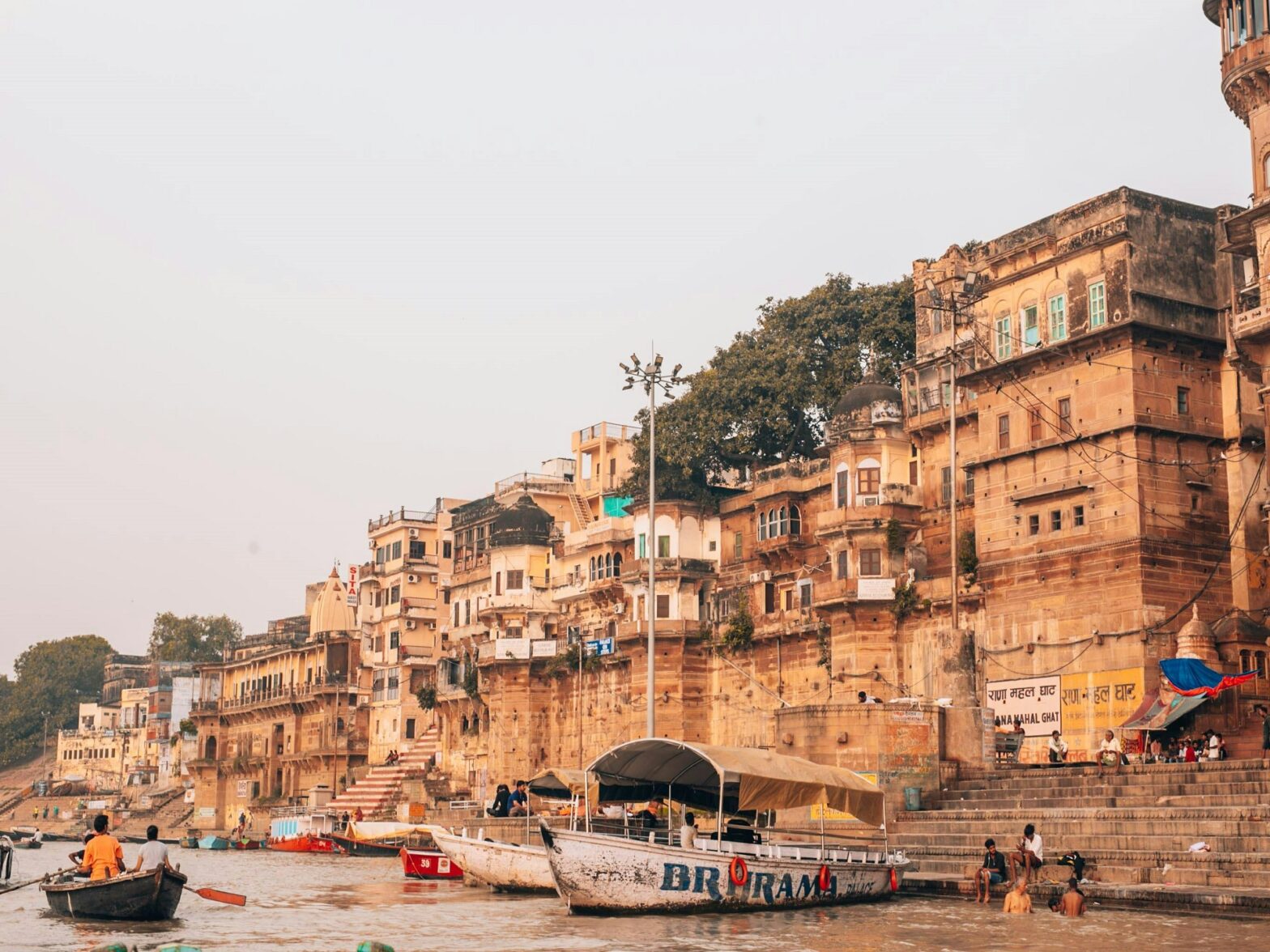
    Early morning visit to the sacred Kashi Vishwanath Temple for darshan, followed by a serene boat ride on the River Ganga to witness sunrise and morning rituals at the ghats.

    After breakfast, proceed for sightseeing including:

    • Banaras Hindu University (BHU)
    • Tulsi Manas Mandir
    • Durga Temple (wherever vehicle access is permitted)

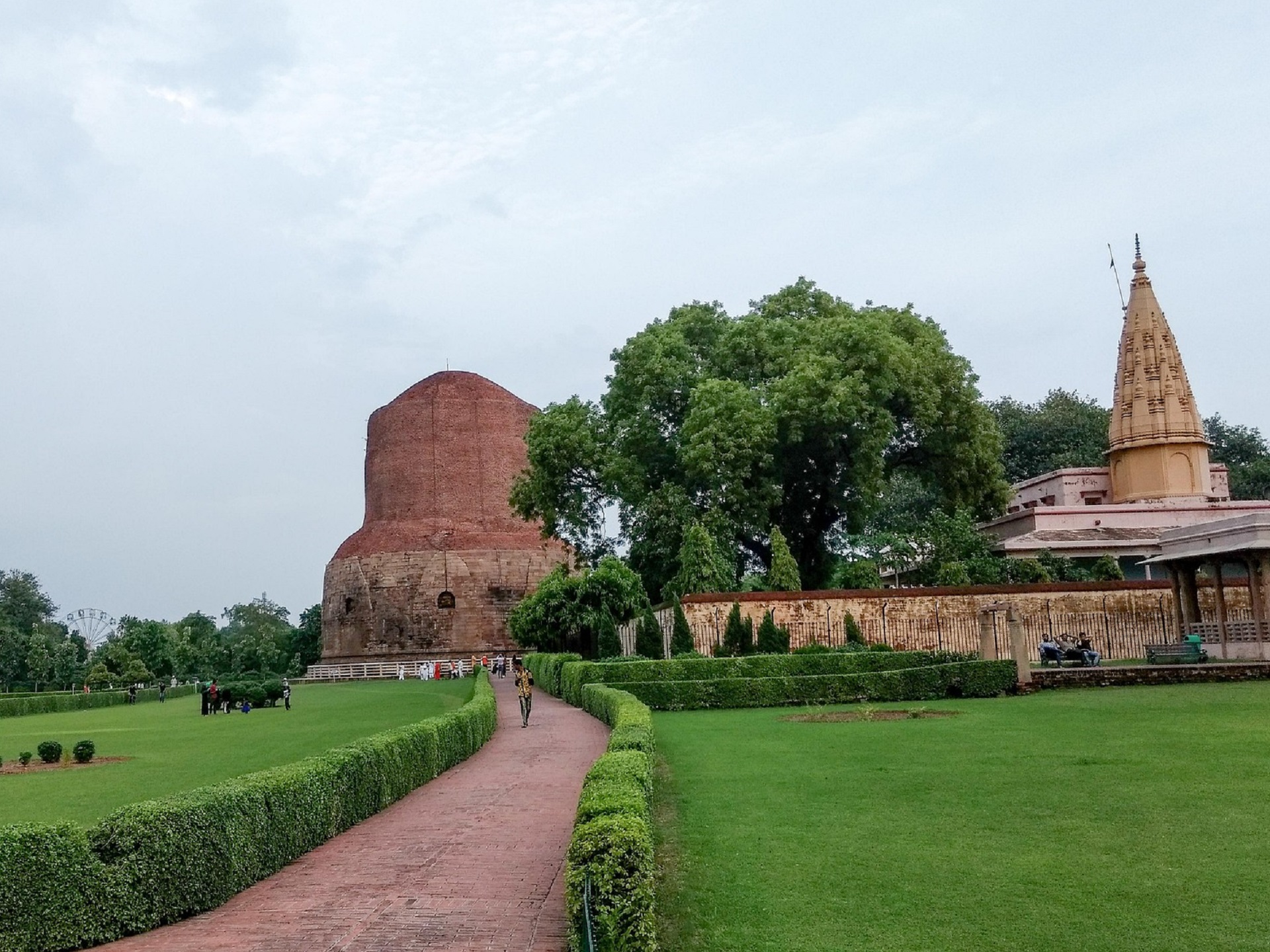
    Later, visit Sarnath, the place where Lord Buddha delivered his first sermon. Explore:

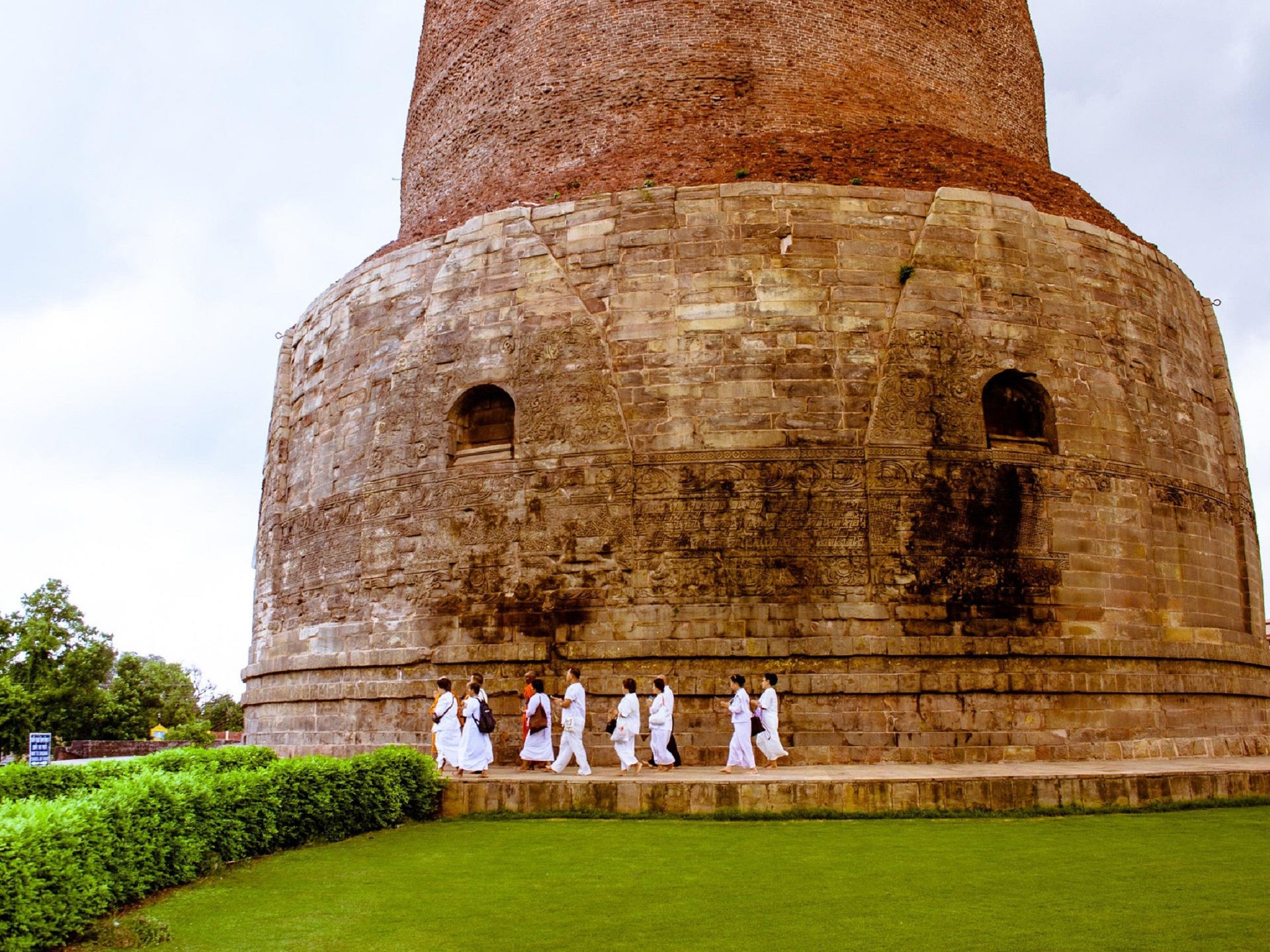
    • Dhamek Stupa
    • Chaukhandi Stupa
    • Mulagandha Kuti Vihar
    • Sarnath Museum

    Return to Varanasi in the evening.
    Overnight stay in Varanasi.


    Day 5: Varanasi – Prayagraj (Day Excursion)

    After an early breakfast, proceed for a full-day excursion to Prayagraj (approx. 120 km / 3 hours).

    Sightseeing includes:

    • Triveni Sangam – The holy confluence of Ganga, Yamuna, and Saraswati rivers
    • Hanuman Mandir
    • Anand Bhavan

    Experience the spiritual aura of this historic city before returning to Varanasi by evening.
    Overnight stay in Varanasi.


    Day 6: Varanasi – Departure

    After breakfast, enjoy free time for a final visit to Kashi Vishwanath Temple or explore local markets famous for Banarasi silk, handicrafts, and souvenirs.

    Later, transfer to Varanasi Railway Station to board the train for your onward journey.


    Day 7: Arrival at Howrah / Sealdah – Tour Ends

    Arrive at Howrah / Sealdah / Kolkata with cherished spiritual memories.
    Tour concludes.

    Package Inclusions

    • Accommodation in deluxe category hotels
    • Family-wise rooms on double / triple sharing basis
    • All meals: Breakfast, 
    • All transfers & sightseeing 

    Package Exclusions

    • Train tickets and onboard train meals
    • Entry fees and activity charges (boating, rides, etc.)
    • Personal expenses of any nature
    • Any cost due to natural calamities, roadblocks, route changes, political disturbances, or unforeseen situations

    Child Policy

    • Up to 5 years (1 child per family, without food): Free
    • 6 to 9 years: 50% of adult cost
    • 9 to 11 years: 80% of adult cost
    • 12 years & above: Full adult charge

    Booking Terms

    • Minimum 30% advance required to confirm seats
    • 50% payment within 15 days of confirmation
    • Full payment 15 days prior to departure

    Cancellation Policy

    • Minimum 30% retention on any cancellation
    • 50% charge if cancelled before 30 days of departure
    • 75% charge if cancelled before 15 days of departure
    • 100% charge if cancelled within 10 days of departure (no refund)
    • No refund for cancellations due to natural calamities, pandemics, political unrest, or transport disruptions
    • Cancellation policy applies regardless of expenses incurred
    • No cancellations during peak seasons or special occasions (Durga Puja, Diwali, Christmas, New Year, Holi, Republic Day, Independence Day, etc.)


  • 10 Nights Vietnam Tour with Phu Quoc from India

    10 Nights Vietnam Tour with Phu Quoc from India

    10 Nights 11 Days Vietnam Tour with Phu Quoc from India Package

    Curious About Our Tour?
    Ask for Details Today!

    Day 1: Departure from Kolkata – Start of Your Vietnam Journey

    Late evening departure from Kolkata by flight, marking the beginning of your Vietnam tour from Kolkata. Overnight journey towards Hanoi.


    Day 2: Arrival in Hanoi | Guided City Tour

    Early morning arrival at Noi Bai International Airport, Hanoi. Meet our local representative and transfer to your hotel for check-in (subject to availability).

    After some rest, proceed for a guided Hanoi city tour, visiting:

    • Temple of Literature, Vietnam’s first university
    • One Pillar Pagoda, one of the most iconic symbols of the country
    • Ngoc Son Temple, beautifully located on Hoan Kiem Lake
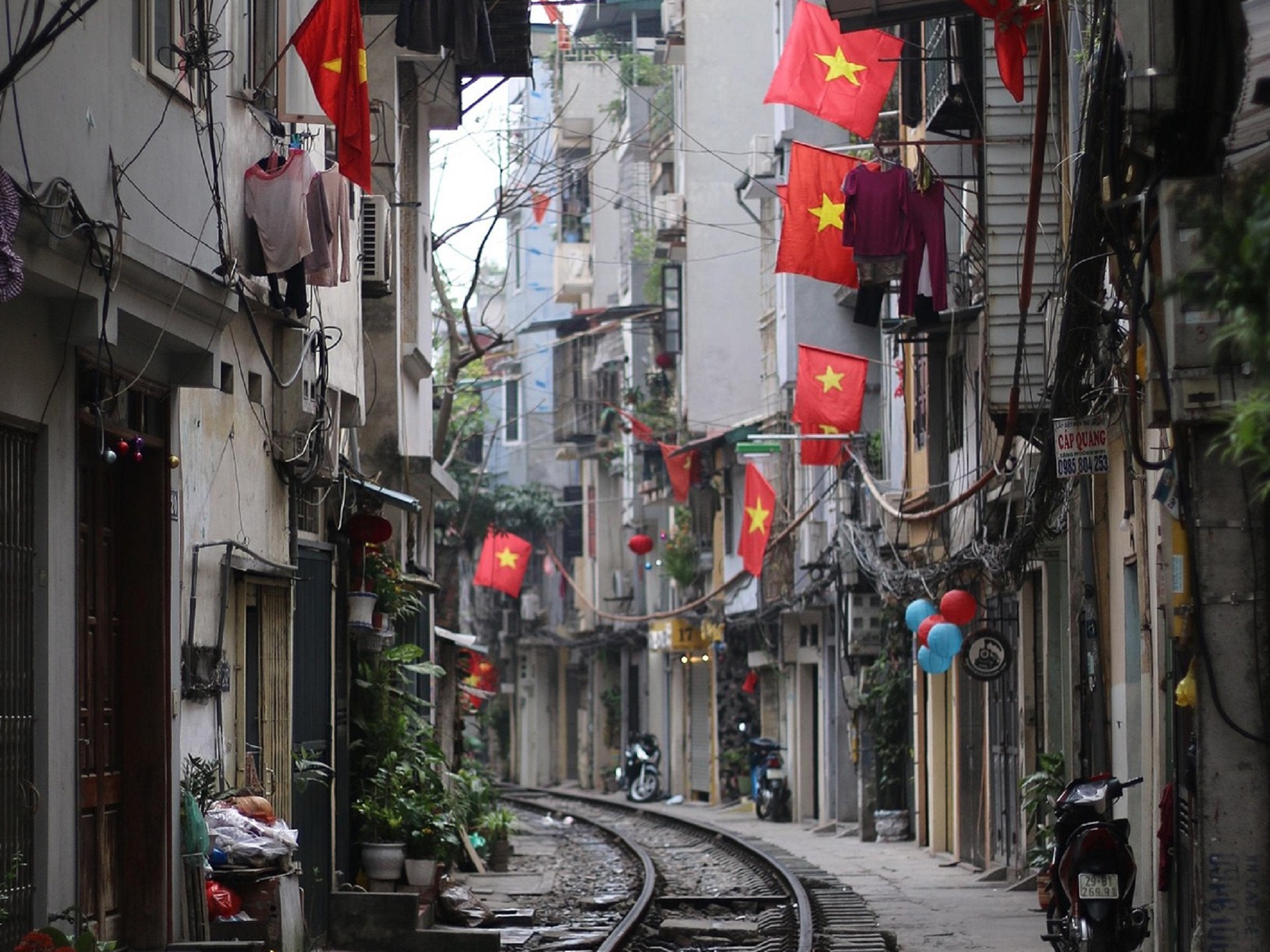
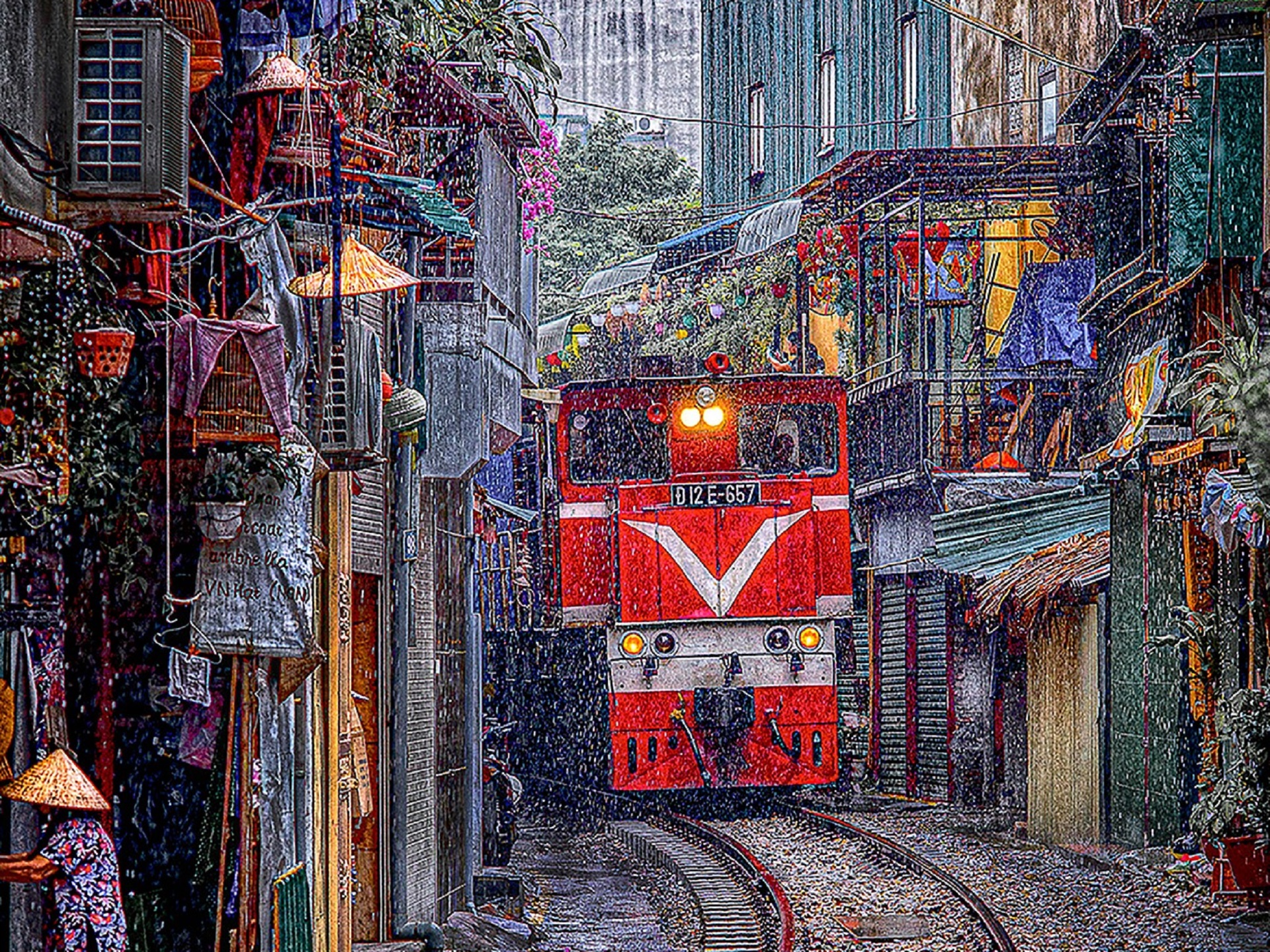
    • Hanoi Train Street, a unique and lively local experience

    In the evening, enjoy the famous Water Puppet Show, a traditional art form of Vietnam. Return to the hotel and overnight stay. 


    Day 3: Hanoi to Ha Long Bay

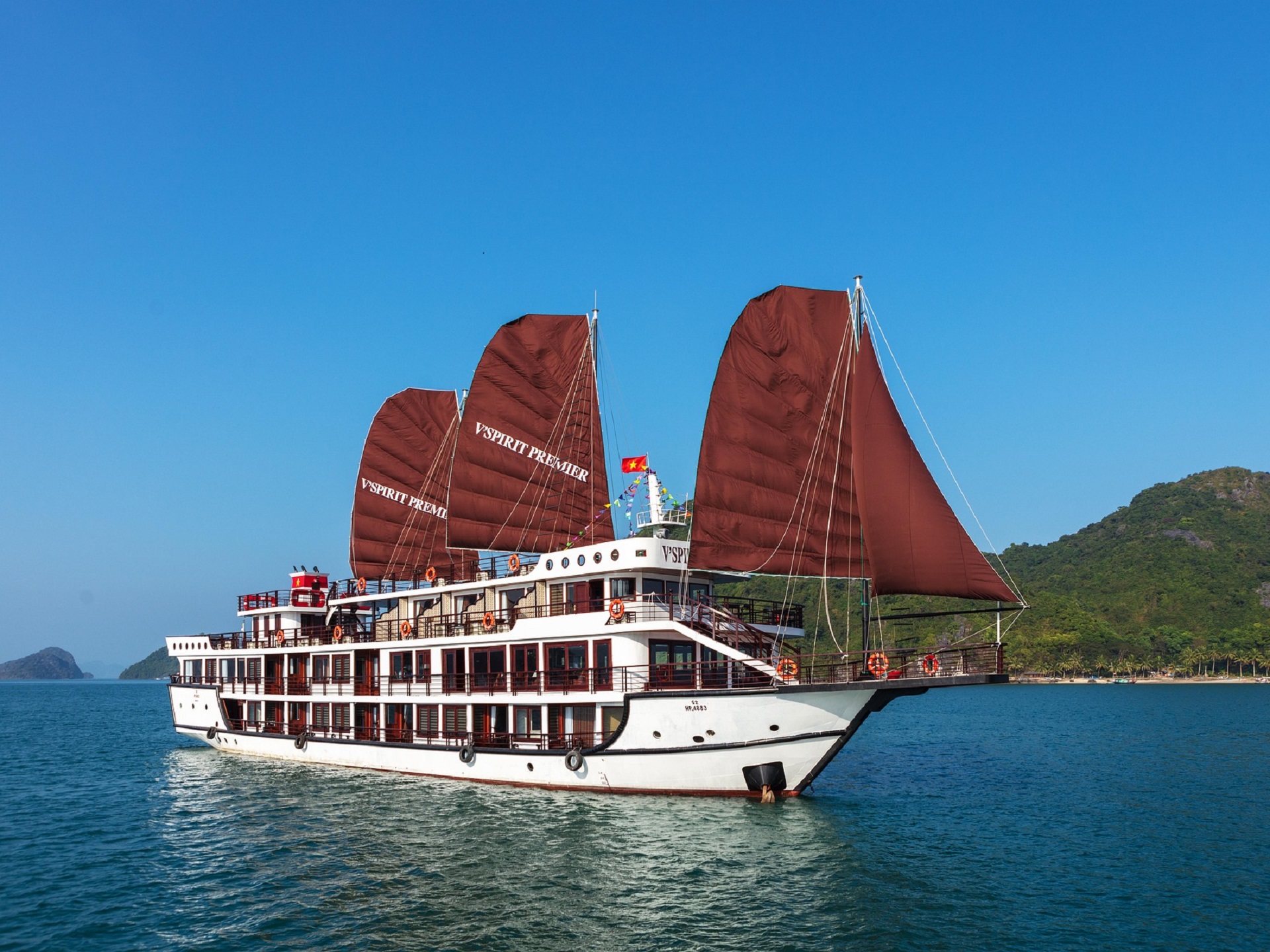
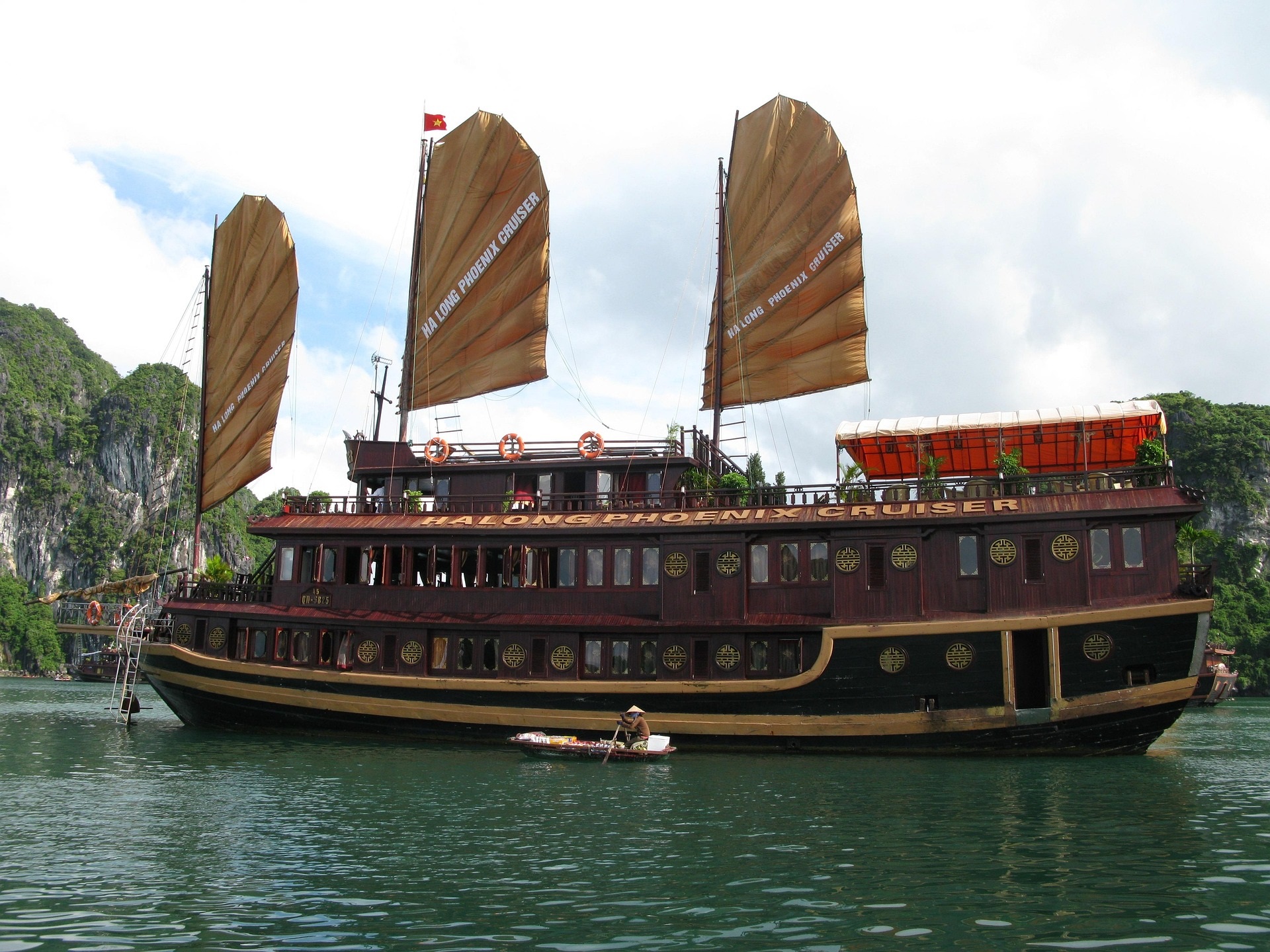
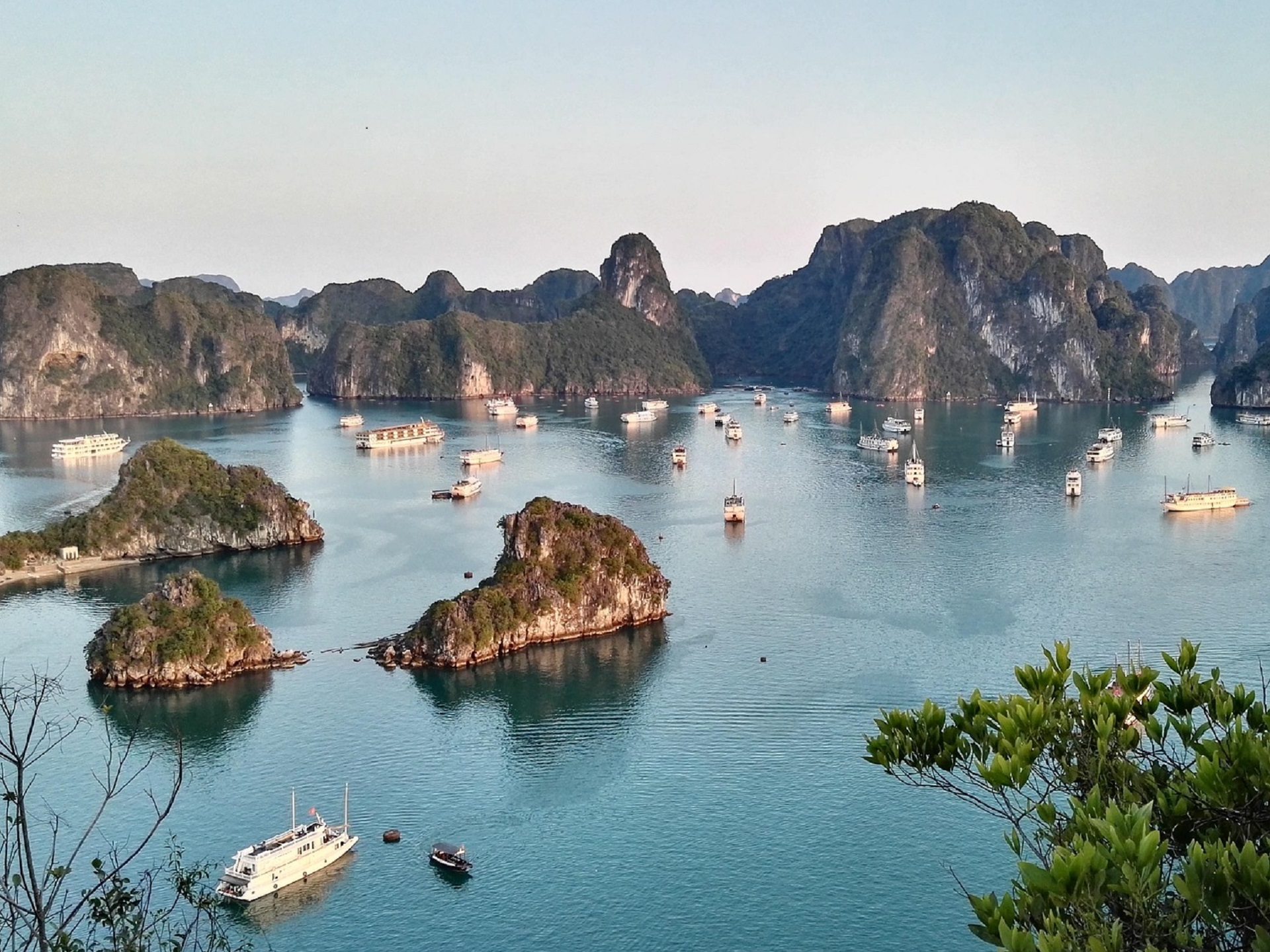
    After breakfast, check out and drive towards the world-famous Ha Long Bay. On arrival, check in to your cruise or hotel and enjoy the breathtaking views of limestone islands and emerald waters. Overnight stay at Ha Long Bay. 


    Day 4: Ha Long Bay to Danang

    After breakfast, transfer from Ha Long Bay to Noi Bai International Airport for your onward flight.
    Arrive at Danang International Airport, meet our representative, and transfer to the hotel. Check in and relax. Overnight stay in Danang.


    Day 5: Danang – Coconut Village & Hoi An Ancient Town

    After breakfast, proceed for a scenic excursion to Cam Thanh Coconut Village, where you will enjoy a fun-filled basket boat ride through lush coconut forests.

    Later, explore the charming Hoi An Ancient Town, covering:

    • Japanese Covered Bridge
    • Fujian Assembly Hall
    • Tan Ky Old House
    • Central Market

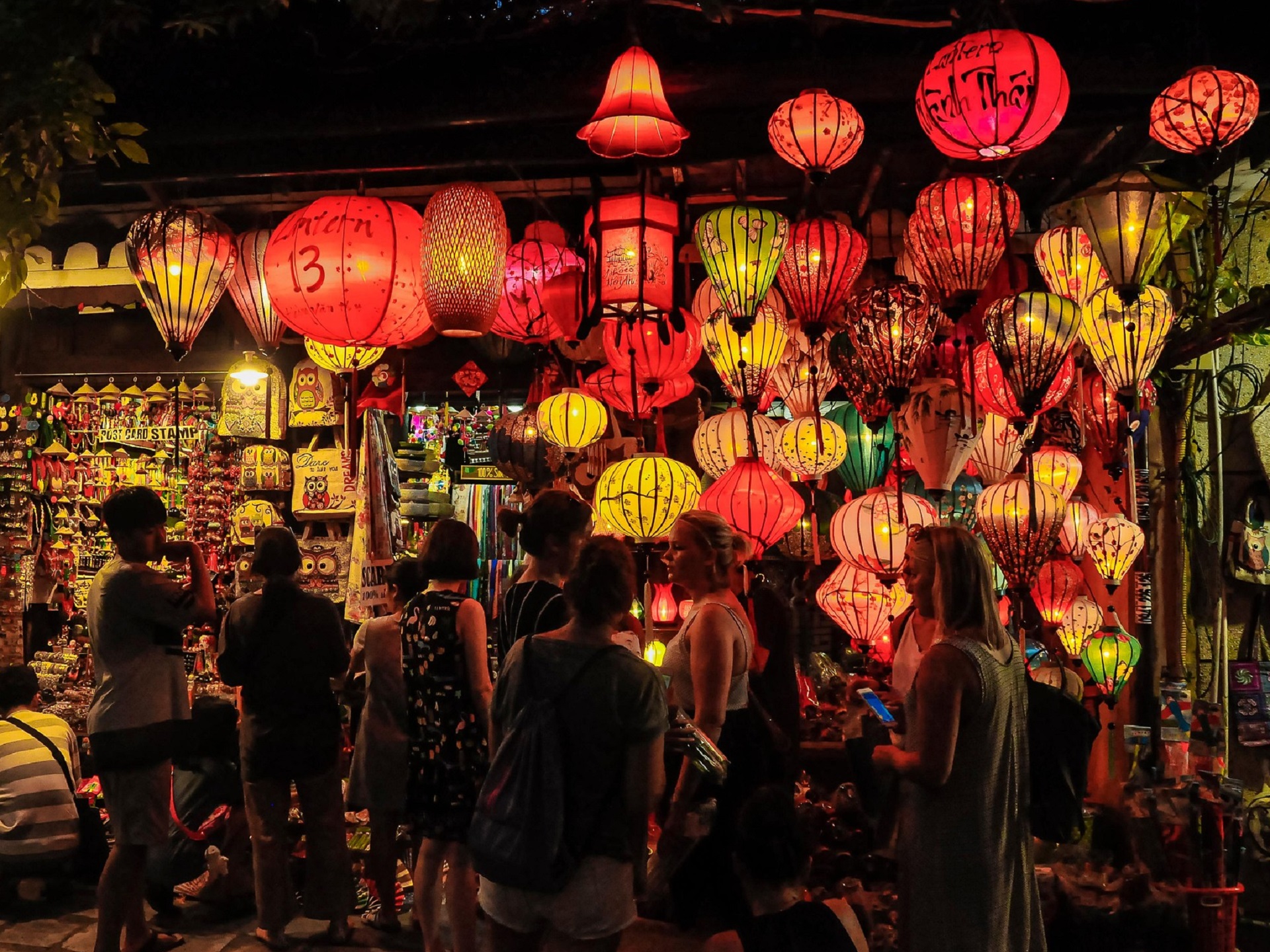
    In the evening, enjoy a romantic Hoi An Lantern Boat Ride before returning to Danang for overnight stay. 


    Day 6: Ba Na Hills & Golden Bridge | Fly to Ho Chi Minh City

    After breakfast, visit Ba Na Hills, home to the world-famous Golden Hand Bridge. Enjoy cable car rides and stunning mountain views.

    Later, transfer to Danang International Airport for your flight to Ho Chi Minh City.
    On arrival at Tan Son Nhat International Airport, transfer to your hotel. Overnight stay in Ho Chi Minh City. 


    Day 7: Mekong Delta – My Tho Day Tour

    After breakfast, proceed for a full-day My Tho Mekong Delta tour. Experience peaceful river cruising, traditional villages, and local lifestyle along the Mekong River. Return to the hotel in the evening. Overnight stay.

    Day 8: Ho Chi Minh City Tour & Cu Chi Tunnels

    After breakfast, enjoy a full-day city tour covering:

    • Cu Chi Tunnels, an incredible underground war network
    • War Remnants Museum
    • Central Post Office
    • Independence Palace
    • Ben Thanh Market

    Complimentary bottled water will be provided during the tour. Overnight stay at the hotel. 


    Day 9: Ho Chi Minh to Phu Quoc

    After breakfast, transfer to Tan Son Nhat International Airport for your flight to Phu Quoc.
    Arrival at Phu Quoc International Airport, followed by transfer to the hotel. Check in and relax. Overnight stay begins your Vietnam with Phu Quoc tour experience. 


    Day 10: Phu Quoc Island Experience

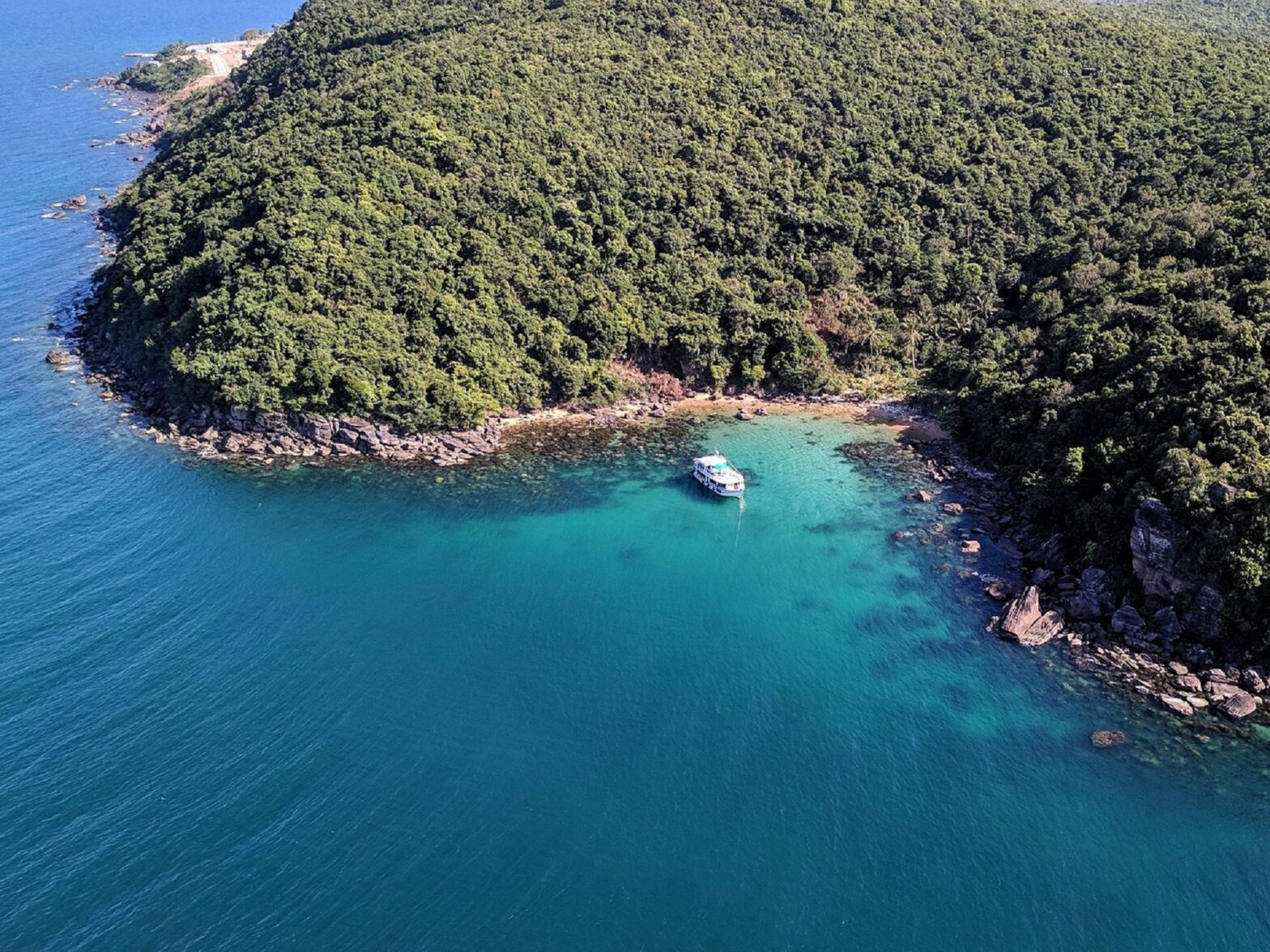
    After breakfast, proceed for a South Island 3-Island Tour by shared speed boat.

    Later, enjoy:

    • Hon Thom Cable Car (one way)
    • Buffet Lunch
    • Aquatopia Water Park

    Return to the hotel and relax. Overnight stay in Phu Quoc as part of your memorable Phu Quoc tour package


    Day 11: Departure from Phu Quoc

    After breakfast, check out from the hotel and transfer to Phu Quoc International Airport for your return journey. Your unforgettable Vietnam tour package from India ends with beautiful memories. 
     

    Package Inclusions

    • Accommodation in twin / double / triple sharing rooms with daily breakfast
    • All airport and sightseeing transfers by private air-conditioned vehicle
    • English-speaking professional tour guide
    • All entrance fees as per itinerary
    • Meals as mentioned in the package
    • Bottled water during tours
    • Accidental travel insurance


    Package Exclusions

    • International and domestic airfare
    • Vietnam E-Visa & visa stamping fee (USD 35 per person for single entry, 7–15 working days)
    • Drinks other than water during activities
    • Personal expenses such as laundry, telephone, tips, etc.
    • Mandatory tipping:
      • 1–4 pax: USD 4 per person per day
      • Above 4 pax: USD 3 per person per day
    • GST @ 5% on billing amount
    • TCS (5%–20%) as per Government of India rules
    • Any service not mentioned in the inclusions
  • Sundarban Package tour from Kolkata

    Sundarban Package tour from Kolkata

    Sundarban Package tour from Kolkata

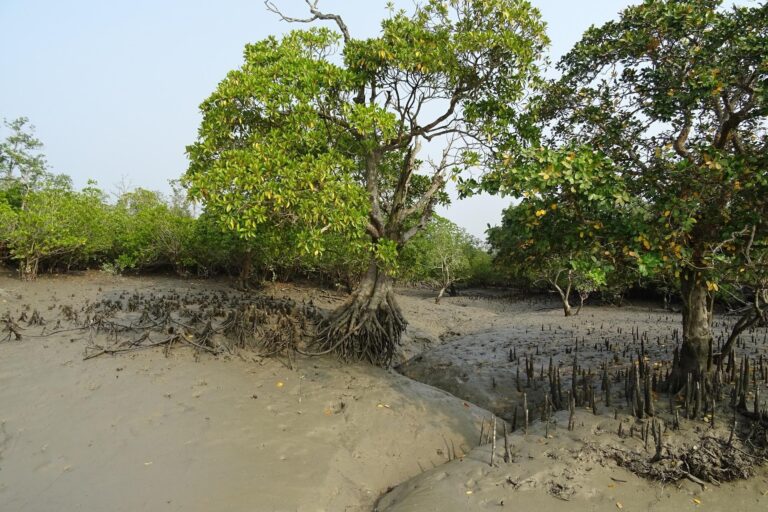
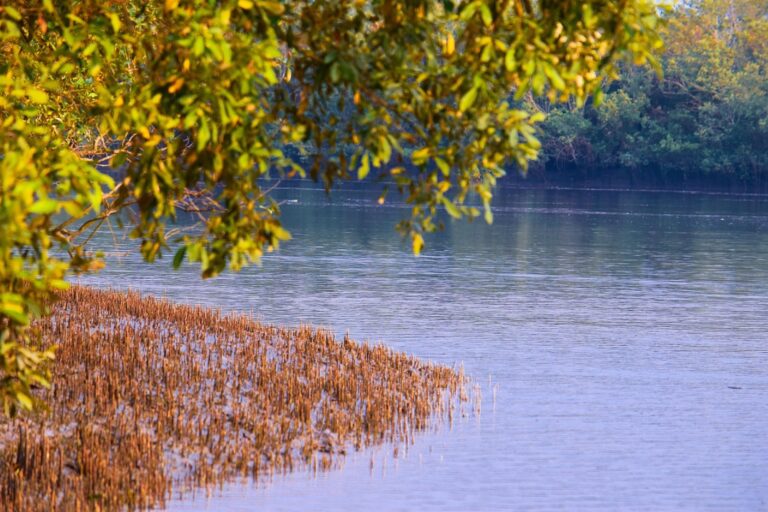
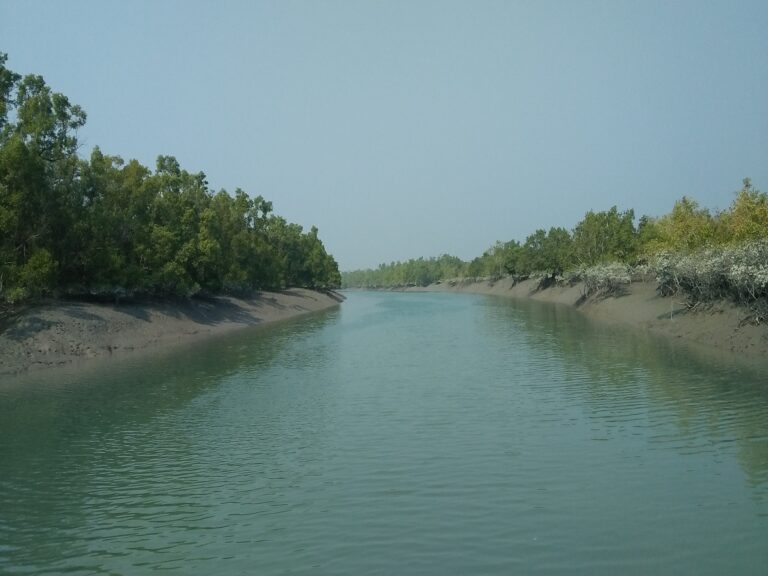
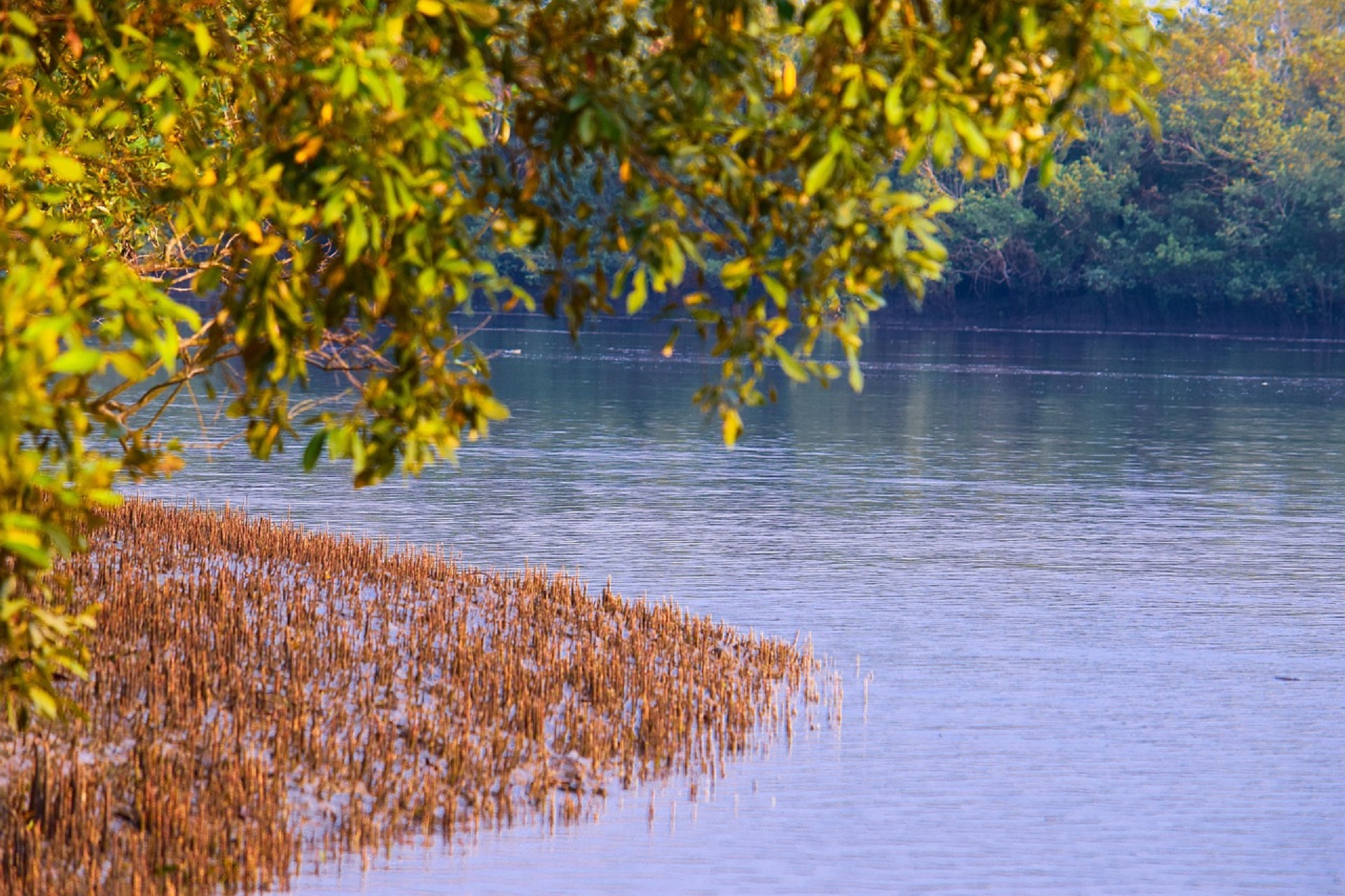
    A Sundarban package tour from Kolkata is the easiest and most enjoyable way to experience the magic of India’s largest mangrove forest without any travel stress. Just a few hours away from the busy city, the Sundarbans welcome you with silent rivers, dense green forests, and a calm that instantly refreshes the mind. As you cruise through winding creeks and wide rivers, you get a close feel of raw nature, rich wildlife, and the simple lifestyle of the local villages. From birdwatching and sunset views over the river to thrilling jungle safaris, this tour promises a soulful break where nature truly takes the lead.
    3 days 2 Nights Sundarban Package tour from Kolkata Tour Itinerary

    Tour Duration

    • Total: 2 Nights / 3 Days
    • Starting & Ending Point: Kolkata
    • Best For: Families, couples, senior citizens, nature lovers

    Day 1: Kolkata to Sundarban – History, Birds & River Sunset

    Your journey to the Sundarbans begins early in the morning with a comfortable pickup from Kolkata. Enjoy a pleasant drive through rural Bengal as you head towards Godkhali (or Sonakhali) jetty.

    From the jetty, board a motorboat and cruise along the rivers towards Pakhiralay Island. En route, visit the historic Hamilton Bungalow, a reminder of British-era architecture, followed by the famous Rabindranath Tagore Bungalow (Bekon Bungalow), where the great poet once stayed and found inspiration in the calm beauty of the delta.

    After reaching the resort, enjoy a warm welcome and settle into your rooms. A freshly prepared local lunch will be served, giving you a taste of authentic Sundarban flavours.
    In the afternoon, set out for a peaceful boat ride near Jatirampur and Pakhiralay Island, an excellent zone for birdwatching. Watch kingfishers, herons, egrets, and other migratory birds as they glide over the water. As the day comes to an end, enjoy a stunning sunset over the river, with golden reflections dancing on the mangroves—truly a magical moment.

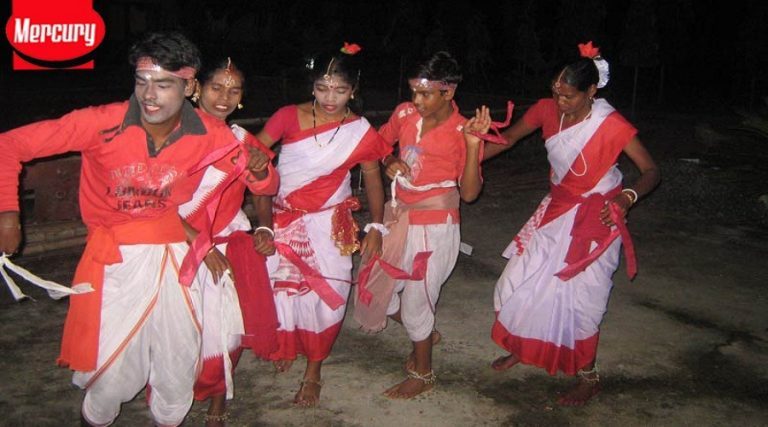
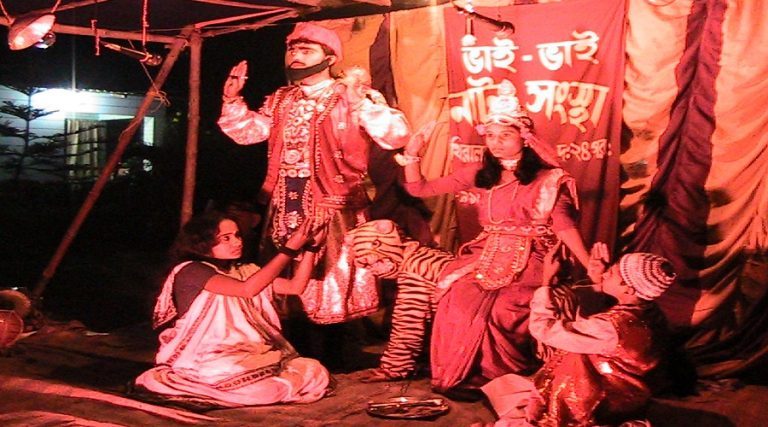
    In the evening, return to the resort and unwind with a lively Jhumur dance performance or traditional Bonobibi Yatra, offering a glimpse into the local culture and forest folklore. Dinner will be served at the resort, followed by a peaceful overnight stay.

    Day 2: Full-Day Sundarban Jungle Safari

    Wake up early to the sounds of nature and enjoy a light breakfast before heading out for a thrilling full-day jungle safari by motorboat.

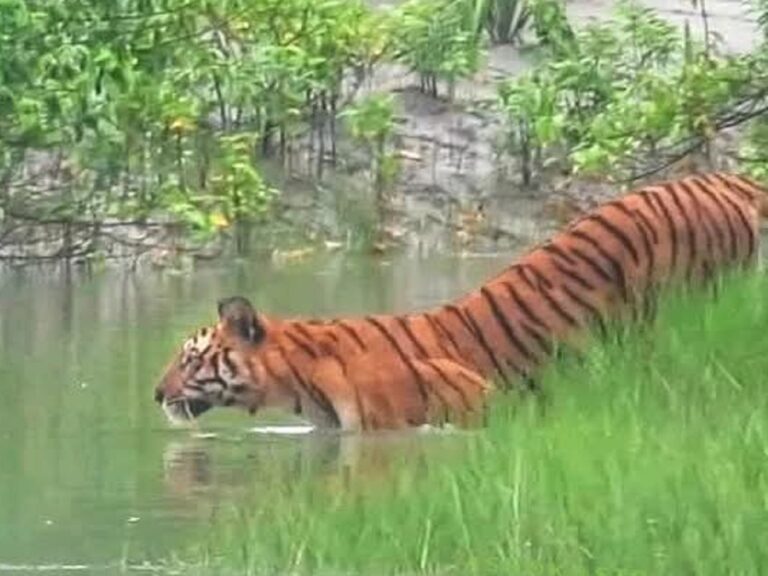
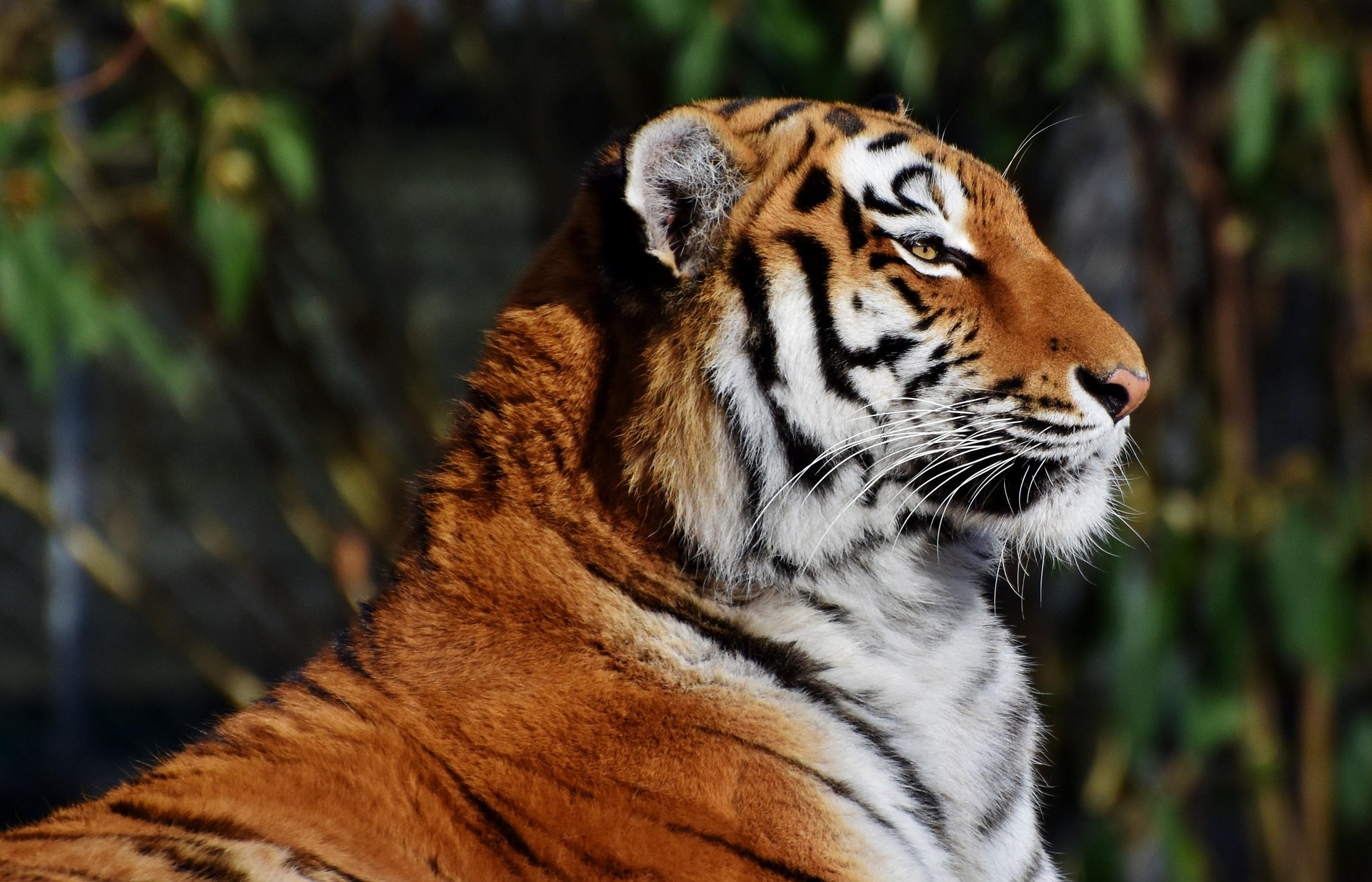
    Cruise deep into the Sundarban National Park through narrow creeks and wide rivers. Keep your eyes open for spotted deer, crocodiles, wild boars, water monitor lizards, and a wide variety of birds. If luck is on your side, you may even spot the majestic Royal Bengal Tiger.

    The safari includes visits to well-known watchtowers such as Sajnekhali, Sudhanyakhali, and Dobanki (subject to forest permits). Walk through forest trails and canopy paths while learning about the unique mangrove ecosystem from your experienced guide. Lunch will be served during the safari.

    By evening, return to the resort to relax after an adventurous day. Enjoy dinner and another restful night amidst nature.

    Day 3: Sundarban to Kolkata – Farewell to the Mangroves

    After breakfast, spend some quiet moments enjoying the serene surroundings. You may take a short walk, click photographs, or simply relax by the riverside.

    Later, board the boat back to the jetty and begin your road journey back to Kolkata. The tour ends with drop-off in Kolkata, leaving you with unforgettable memories of wildlife, rivers, culture, and the timeless charm of the Sundarbans.

    Accommodation & Transportation

    Accommodation

    Comfortable AC / Non-AC eco resort in Sundarban

    Clean rooms with attached bathrooms

    Transportation 

    AC Comfortable Car / Van or Coach as per the Group size 

    Boat / Launch 

    All tour in the Sundarban , Jungle watch tower visit and island hopping by the 6 Cylinder Boat or Launch.

    Sundarban Package tour from Kolkata inclusions and Exclusions

    Tour Price Includes

    • Pick-up & drop (shared car + boat)
    • Hotel /or Resort accommodation as per package category (family-wise room allocation)
    • All meals as per itinerary
    • All sightseeing, boat permits, forest entry fees & guide charges
    • Cultural program (Tribal dance / Baul song)
    • Bonfire (winter only)

    Tour Price Excludes

    • Still/Video camera charges
    • Personal expenses, tips
    • Optional tours or customized pick-up/drop points
    • Any special food items beyond the standard menu
    • GST 5% on total bill
    • International travelers must pay ₹3,000 per head (from Kolkata) for guide fees.

    Terms and Conditions

    Payment Terms

    • 50% advance to confirm booking
    • Remaining amount to be paid before departure from Kolkata

    Cancellation Policy

    (Cancellation only via email)

    • Booking date to 15 days before departure: 30% cancellation
    • 14 – 10 days before departure: 50% cancellation

    Within 10 days / No Show: 100% cancellation

    Child Policy

    • Below 4 years: Free
    • 4 to under 8 years: 50% charge
    • Above 8 years: Full charge
      Carry child age proof for verification.

    Force Majeure Clause

    If the tour is canceled due to natural calamities, political unrest, or government protocols, a credit note will be issued.
    This can be adjusted against any Sundarban tour within 6 months (subject to availability).

    Booking Procedure

    To confirm your booking, please email:

    1. Guest Name(s)
    2. Number of travelers
    3. Travel dates
    4. Arrival/Departure details

    After confirmation, send tourist details in this format:

    Name       | ID Type      | ID Number         | Place

    Xxxx Xxxxx | Aadhaar/Other | 0000 0000 0000   | Kolkata

    Do and Don’t In Sundarban Package from Kolkata

    Do’s for Travelers

    • Carry umbrella, sunglasses, hat, sunblock
    • Wear light cotton clothes (green/ash/light-brown preferred)
    • Use comfortable shoes/gumboots
    • Carry regular medicines
    • Drink only filtered/mineral/coconut water
    • Carry a torch & extra batteries
    • Bring binoculars and spare camera batteries
    • Stay silent while watching wildlife

    Don’ts for Travelers

    • No loud music or speakers
    • No travel inside the forest after sunset
    • No hunting/fishing
    • Do not pluck flowers
    • Avoid shiny/glossy clothing
    • Do not disturb or tease wildlife
    • Alcohol is strictly prohibited (boat & forest)
    • No plastic bottles, bags, chip packets inside core forest area
    • Do not throw waste from the boat

    Frequently Asked Questions – Sundarban Package Tour from Kolkata

    1. How far is Sundarban from Kolkata?
      The Sundarban is about 100 km from Kolkata. It usually takes around 3 to 4 hours by road, followed by a short boat journey to reach the resort or island stay.
    2. What is included in a Sundarban package tour from Kolkata?
      Most packages include pickup and drop from Kolkata, accommodation in an AC or non-AC resort, all meals, forest permits, boat safari, sightseeing, and an experienced local guide.
    3. How many days are ideal for a Sundarban tour?
      A 2 Nights 3 Days tour is the most popular option as it covers major watchtowers, boat safaris, village visits, and cultural programs without feeling rushed.
    4. Is the Sundarban tour safe for families and senior citizens?
      Yes, it is safe when done through a registered tour operator. Boat safaris are guided, safety rules are followed strictly, and resorts are well-equipped for families and seniors.
    5. Can we really see the Royal Bengal Tiger?
      The Sundarban is home to the Royal Bengal Tiger, but sightings are rare due to the dense forest. However, you can spot deer, crocodiles, wild boars, snakes, and a wide variety of birds.
    6. What is the best time to visit Sundarban from Kolkata?
      The best time is from October to March when the weather is pleasant and ideal for boat safaris and sightseeing. Summers are hot, and monsoons may limit movement.
    7. Are boat safaris included in the package?
      Yes, all Sundarban package tours include guided boat safaris through rivers and narrow creeks inside the reserve forest area.
    8. What kind of food is served during the tour?
      Freshly cooked Bengali meals are usually served, including rice, dal, vegetables, fish, and chicken. Vegetarian food is also available on request.
    9. Is network or mobile connectivity available in Sundarban?
      Mobile networks are limited. Some areas may have weak signals, while many places are completely network-free—perfect for a peaceful digital detox.
    10. What should I carry for a Sundarban tour?
      Carry light cotton clothes, sunscreen, sunglasses, mosquito repellent, comfortable footwear, personal medicines, and a camera or binoculars for wildlife spotting.
    11. Is prior forest permission required for Sundarban?
      Yes, forest permits are mandatory. When you book a package tour, all permits are arranged by the tour operator, so you don’t have to worry.
    12. Can children join the Sundarban tour?
      Yes, children can join. Boat safaris and activities are safe, but parents should always supervise young kids.
    13. Are cultural programs part of the tour?
      Yes, many packages include evening cultural programs like local folk dance, Jhumur dance, or Bonobibi Pala, offering a glimpse of Sundarban’s local traditions.
    14. Why choose a Sundarban package tour from Kolkata instead of planning on our own?
      A package tour saves time, ensures safety, includes permits and guided safaris, and offers a smooth travel experience—especially in a remote region like Sundarban.
    15. Is Sundarban suitable for first-time travelers?
      Absolutely. With proper guidance, comfortable stays, and organized travel, Sundarban is an excellent destination even for first-time nature and wildlife travelers.


     Sundarban package tour from Kolkata offers a perfect blend of nature, wildlife, and local culture, all wrapped in a smooth and well-organized travel experience. From peaceful boat safaris through mangrove creeks to warm village hospitality and soulful evenings filled with folk traditions, every moment feels close to nature and far from city life.

    Sundarban tour is a beautiful way to experience the untouched charm of nature, wildlife, and local life in one seamless journey. Starting conveniently with a Sundarban package from Canning, the tour takes you deep into the mangrove forest, where calm rivers, narrow creeks, and rich biodiversity create unforgettable moments. Visits to iconic spots like the Netidhopani Watch Tower and the adventurous Sundarban Burirdabri tour add excitement and meaning to the experience. Whether you are traveling for relaxation or exploration, this Sundarban tour from Kolkata promises lasting memories and a soulful connection with nature.

  • Netidhopani watch tower tour plan

    Netidhopani watch tower tour plan

    Sundarban Netidhopani Tour from Kolkata

    Explore Sundarban Netidhopani tour 

    The Netidhopani Watch Tower beautifully brings together the charm of nature, the depth of mythology, and the traces of centuries-old history. It’s one of the highlights of any Netidhopani tour package from Kolkata. As you glide through the mangrove creeks, spot wildlife in their natural habitat, explore ancient temple remains, and soak in the calm of the river, the experience feels truly magical.
    If you’re planning a Sundarban Tour Package from Kolkata, including Netidhopani is the perfect way to add a memorable and meaningful adventure to your journey into the heart of the world’s largest mangrove forest.

    Sundarban Netidhopani Tour – Detailed Itinerary

    Day 1: Kolkata to Godkhali → Pakhiralay/Dayapur
    Your Netidhopani tour from Kolkata begins with a smooth road journey to Godkhali. From here, you board a motorized boat and set off through the serene creeks of the Sundarbans. As part of your Sundarban Tour Package from Kolkata, you arrive at your stay in Pakhiralay or Dayapur, where you can unwind amidst the quiet beauty of the mangroves. Overnight stay at the hotel.

    Day 2: Full-Day Sundarban Mangrove Safari – Netidhopani Watchtower
    After breakfast, begin your Sundarban Netidhopani tour, cruising deep inside the reserve forest. The journey takes you through narrow creeks leading to the historic Netidhopani Watch Tower, one of the most important places to see in Netidhopani.
    This site offers stunning views of the dense mangrove landscape and gives you a chance to spot deer, crocodiles, water monitor lizards, and—if luck favors—the Royal Bengal Tiger. Return to the hotel for dinner and overnight stay.

    Day 3: Sajnekhali – Sudhanyakhali – Dobanki – Panchamukhani
    After breakfast, explore some of the most iconic parts of the delta. Visit the Sajnekhali Watchtower and mangrove interpretation center, followed by Sudhanyakhali, a top tiger-spotting zone. Continue toward Dobanki’s thrilling canopy walk and enjoy the scenic beauty of Panchamukhani, the confluence of five rivers. The day’s experience adds richness to your Netidhopani package tour. Return to the hotel for dinner and overnight stay.

    Day 4: Village Walk → Return to Kolkata
    Begin your final morning with a peaceful village walk. Learn how the local communities live in harmony with the forest and understand their culture, traditions, and survival techniques. After the walk, head back by boat and road to Kolkata, concluding your memorable Netidhopani tour package from Kolkata.

    Inclusions

    • Standard accommodation
    • Breakfast, Lunch & Dinner (all meals)
    • Shared transfer & sightseeing
    • Jungle entry permission & watchtower visits
    • Trained local tour guide

    Exclusions

    • Camera/video camera charges
    • Personal expenses
    • Anything not mentioned in inclusions

    About Netidhopani

    History, Significance & Attractions

    The Netidhopani Watch Tower is one of the most fascinating places to see in Netidhopani. Located inside the Sundarban National Park, it is a major attraction included in almost every Netidhopani tour from Kolkata.

    Built during the British Raj, the tower was originally used to monitor tiger activity. It stands near the ruins of a 400-year-old Shiva temple, adding historical depth to its surroundings. The area is also associated with the legend of Behula and Lakhindari, making it a place where mythology and nature meet.

    What You Can See at Netidhopani

    Panoramic 360° views of mangrove forests

    Wildlife sightings: deer, boars, reptiles, birds, and sometimes the Royal Bengal Tiger

    Ruins of the ancient Shiva temple

    Beautiful freshwater pond near the tower

    Terracotta artifacts discovered around the site

    The mythical “guard road” believed to be built by King Pratapaditya

    These features make Netidhopani one of the most intriguing places to see in Netidhopani during your Sundarban tour.

    How to Reach Netidhopani

    To reach the Netidhopani Watch Tower, you must first travel to Canning from Kolkata. From Canning, proceed to Godkhali and board a boat that takes you deep into the Sundarban forest. The boat journey takes several hours and offers beautiful views of the mangrove landscape.

    This remote location is accessible only as part of a guided Sundarban Netidhopani tour.

    Tips for a Safe & Enjoyable Netidhopani Trip

    Avoid monsoon season due to high water levels

    Carry mosquito repellent

    Follow all instructions from your boatman and guide

    Maintain distance from wildlife

    Keep phones/cameras safe during the boat journey

    These safety measures help enhance your experience in any Netidhopani package tour.

    Why Visit Netidhopani With Us

    Our Sundarban Tour Package from Kolkata includes professional guidance, comfortable accommodation, and full forest permissions. With experienced guides who explain the flora, fauna, and legends, your Sundarban Netidhopani tour becomes more meaningful and safe.
    We ensure smooth transfers, guided watchtower visits, and the best experience exploring all major places to see in Netidhopani.

    The Netidhopani Watch Tower is a captivating blend of nature, mythology, and history—making it a must-visit spot in any Netidhopani tour package from Kolkata. From mangrove safaris and wildlife sightings to exploring ancient temple ruins and enjoying tranquil river scenery, this tour offers something for every nature lover.
    If you’re planning a Sundarban Tour Package from Kolkata, adding Netidhopani ensures an unforgettable adventure deep inside the world’s largest mangrove forest.

    FAQ

    What is Netidhopani famous for in the Sundarbans
    Netidhopani is famous for its ancient temple ruins, mythological importance, and scenic watchtower views. It beautifully combines history, folklore, and wildlife, making it one of the most meaningful stops on a Sundarban Netidhopani tour.

    How far is Netidhopani from Kolkata
    Netidhopani is around 100 km from Kolkata by road up to Godkhali, followed by a boat safari through the mangrove creeks. Most Netidhopani tour packages from Kolkata include both road and boat transfers.

    Is Netidhopani included in all Sundarban tour packages
    Not all packages include Netidhopani. It is usually part of 2 Nights / 3 Days or longer itineraries. If Netidhopani is important to you, it’s best to choose a dedicated Netidhopani tour package.

    What can I see during the Netidhopani watchtower visit
    From the Netidhopani Watchtower, you can enjoy wide views of mangrove forests and rivers. Wildlife sightings may include spotted deer, crocodiles, water monitor lizards, birds, and occasionally the Royal Bengal Tiger.

    Is Netidhopani safe to visit
    Yes, Netidhopani is safe when visited with authorized boats, trained guides, and valid forest permits. All movements follow Sundarban Tiger Reserve safety regulations.

    What is the best time to visit Netidhopani
    The best time for a Netidhopani tour is from October to March, when the weather is pleasant and wildlife movement is higher. Early mornings and late afternoons offer the best forest experience.

    Can senior citizens and children join the Netidhopani tour
    Yes, the tour is suitable for families, including senior citizens and children. The watchtower area is easily accessible, and guides usually maintain a relaxed pace.

    Are jungle permits included in the Netidhopani tour package
    Yes, all standard Sundarban Netidhopani tour packages include forest entry permits and watchtower visit charges arranged by the tour operator.

    What should I carry for a Netidhopani Sundarban tour
    Carry comfortable clothes, walking shoes, sunscreen, a hat, personal medicines, and a camera. Avoid bright colors and loud noises inside the forest.

    Can Netidhopani be combined with other watchtowers
    Yes, Netidhopani is often combined with Sajnekhali, Sudhanyakhali, Dobanki, and Panchamukhani, giving travelers a complete Sundarban mangrove safari experience.

  • Sundarban 3 Nights 4 Days with Burirdabri camp

    Sundarban 3 Nights 4 Days with Burirdabri camp

    Sundarban 3 Nights 4 Days tour with Burir dabri watchtower

    Burirdabri Watchtower tour from Kolkata

    Sundarban Tour Itinerary – 3 Nights / 4 Days (From Kolkata)- covering Burir Dabri(India/Bangladesh Border)

    Enjoy a relaxed and immersive wildlife holiday in the enchanting Sundarbans. This 3-night tour is perfect for families and small groups who want to spend more time in nature, explore deep forest creeks, and experience the culture and life of the delta.

    Day 1: Kolkata to Sundarbans

    Your journey begins with a comfortable pickup from Kolkata and a scenic drive to Godkhali, the gateway to the Sundarbans. After boarding the boat and crossing Gosaba Island, you reach your resort, set beautifully opposite the Sundarban Tiger Reserve. The calm surroundings of rivers, bridges and greenery create the perfect escape from city life.

    After lunch, enjoy a peaceful country boat ride through the bird-rich mangrove creeks, ending with a beautiful sunset on the river. In the evening, unwind with a traditional folk dance show and delicious snacks before enjoying dinner and a restful night at the resort.

    Day 2: Full-Day Jungle Safari

    The second day is dedicated entirely to exploring the Sundarban forest by houseboat. After securing forest permissions, you enter the dense mangrove area and cruise through narrow creeks and wide rivers. Throughout the day, you explore major watchtowers like Sajnekhali, Sudhanyakhali, and Dobanki, where the long canopy walk offers a thrilling chance to observe wildlife safely from above.

    As the boat moves through creeks such as Pir-Khali, Banabibi Varani and Chora-Gazi Khal, keep your eyes open for spotted deer, wild boars, crocodiles, monitor lizards, different bird species, dolphins, and—if luck permits—the iconic Royal Bengal Tiger. Freshly cooked food is served on board, and by evening you return to the resort for dinner and relaxation.

    Day 3: Burir Dabri

    This day takes you deeper into the core forest area with two route options depending on your interest.

    Burir Dabri Route:
    A long and scenic journey that leads to one of the farthest watchtowers in the Indian Sundarbans, right along the Bangladesh border. The mudwalk, canopy trail, and panoramic view of the Raimangal River make this route special. From the tower you can see both the Indian and Bangladesh Sundarbans. The journey passes through Morichjapi and Jhila forest beats, known for wildlife sightings.

    Day 4: Village Experience and Return to Kolkata

    The final morning begins with a village walk where you meet locals who live alongside the forest. Listening to their stories of collecting honey, catching fish and dealing with tiger-prone territories offers a rare insight into the daily life of the delta. The greenery, calmness and lifestyle here leave a lasting impression.

    After lunch and checkout, visit the historic Rabindranath Tagore Bungalow and Sir Daniel Hamilton Bungalow. Then travel back to Godkhali to begin your return journey to Kolkata, completing your four-day Sundarban adventure with unforgettable memories.

    Burirdabri tour Inclusions and Exclusions

    Inclusions 

    • Accommodation in double / triple sharing basis 
    • All meals 
    • Jungle permission 
    • Watch tower visit 
    • Experience Tour Guide 

    Exclusions 

    • Personal expenses 
    • Video Camera charges 
    • Porter charges 
    • Anything out of inclusions is chargeable 

    How to Reach Burirdabri from Kolkata

    By Road + Boat (Recommended)

    Depart from Kolkata by private car or coach to Godkhali jetty (~110–120 km, 3–4 hours drive).

    Board a motorboat or houseboat from Godkhali.

    Cross Gosaba Island and sail through the Sundarban creeks to reach deeper areas including Burir Dabri, near the India-Bangladesh border.

    Note: Access to Burir Dabri is only via forest-authorized boats; private boats cannot go there without permissions.

    Permits Required

    Entry into core forest zones like Burir Dabri requires Sundarban Tiger Reserve permits, arranged by the resort or tour operator.

    Travel Time

    From Godkhali to Burir Dabri: ~4–5 hours one-way by boat, depending on water conditions.

    Overview

    Overview of the Tour

    Duration: 3 Nights / 4 Days

    Theme: Wildlife, mangrove forest exploration, birdwatching, rural life experience

    Highlights:

      • Houseboat safari through creeks

      • Watchtowers: Sajnekhali, Sudhanyakhali, Dobanki

      • Burir Dabri – panoramic view along India-Bangladesh border

      • Village walk & local lifestyle experience

      • Scenic rivers, mangroves, and sunset views

      • Folk dance and local cuisine

    Per head Cost

    Cost Per heads 

    Budget – @Rs.12000 – 15000 

    Standard @Rs.15000 -18000

    The Burir Dabri Watchtower tour is truly one of the most unique and rewarding experiences in the Indian Sundarbans. Included in a well-planned Sundarban tour from Kolkata or a convenient Sundarban tour from Canning, this remote destination lies at the extreme edge of the mangrove forest near the India–Bangladesh border. The route offers a rare combination of untouched wilderness, long canopy walks, muddy forest trails, and breathtaking river views. Sailing through deep forest creeks and beats—often combined with classic routes like Netidhopani—visitors gain a deeper understanding of the Sundarbans’ raw beauty, rich biodiversity, and fragile ecosystem. The peaceful surroundings, chance wildlife sightings, and the thrill of standing at one of the farthest watchtowers make Burir Dabri a must-visit highlight of any Sundarban tour package, leaving lasting memories of nature, adventure, and the timeless charm of the delta.

    FAQ’s

    What is special about the Burir Dabri Watchtower
    Burir Dabri is one of the farthest and least-visited watchtowers in the Indian Sundarbans. It is located close to the India–Bangladesh border and offers a rare canopy walk, mud trail, and panoramic river view. The quiet surroundings and untouched forest make it a favorite for nature lovers and photographers.

    How do we reach Burir Dabri during the Sundarban tour
    Burir Dabri can only be reached by authorized forest boats. Guests usually start their journey from Godkhali after a road transfer from Kolkata or Canning. The boat safari takes you deep into the forest through remote creeks and rivers.

    Is the Burir Dabri tour included in all Sundarban packages
    No, Burir Dabri is part of selected extended itineraries such as 3 Nights / 4 Days tours. Due to distance and forest permission requirements, it is not covered in short 1-day or 2-day Sundarban tours.

    Is forest permission required for Burir Dabri
    Yes. Burir Dabri falls under the core Sundarban Tiger Reserve area. All forest entry permits and watchtower permissions are mandatory and are arranged by the tour operator in advance.

    Can senior citizens or children do the Burir Dabri tour
    Yes, but with some care. The canopy walk and muddy trail may be slightly challenging, so comfortable walking ability is recommended. For senior citizens, assistance and slow-paced exploration are usually provided.

    What kind of wildlife can be seen near Burir Dabri
    While wildlife sightings depend on luck, visitors may spot spotted deer, wild boar, crocodiles, water monitor lizards, snakes, dolphins, and a wide variety of birds. Tiger sightings are rare but possible.

    Is the Burir Dabri route safe
    Yes, the route is completely safe when done with authorized boats, trained guides, and forest officials. All movements inside the forest follow strict safety rules laid down by the Sundarban Tiger Reserve.

    What should I carry for the Burir Dabri tour
    Carry light cotton clothes, a cap or hat, sunglasses, sunscreen, comfortable footwear, personal medicines, and a camera or binoculars. Avoid bright colors inside the forest.

    Can Burir Dabri be combined with Netidhopani and other watchtowers
    Yes. Many longer itineraries combine Burir Dabri with popular watchtowers like Netidhopani, Sudhanyakhali, Sajnekhali, and Dobanki for a more complete Sundarban experience.

    Is Burir Dabri suitable for first-time Sundarban visitors
    Absolutely. If you have enough time, Burir Dabri is one of the best ways to experience the real, untouched Sundarbans. It offers a deeper connection with nature compared to shorter, crowded routes.

  • 11 Nights 12 Days Scandinavia tour package from Kolkata

    11 Nights 12 Days Scandinavia tour package from Kolkata

    Scandinavia Tour Package from Kolkata

    The ultimate 11 Nights 12 Days Scandinavia Tour Package from Kolkata

    Embark on an unforgettable Scandinavia Tour Package from Kolkata, where breathtaking fjords, vibrant Nordic cities and pristine natural landscapes come together to create a once-in-a-lifetime Europe experience. This 11 Nights/12 Days journey takes you through the best of Norway, Sweden and Denmark, offering a perfect blend of scenic beauty, rich culture and world-class comfort curated especially for travellers from Kolkata.

    Planning a dream Nordic vacation from Kolkata? Our 11 nights 12 days Scandinavia tour package takes you through Sweden, Norway, and Denmark’s most stunning destinations. Perfect for Indian families, couples, and adventure seekers wanting to experience Northern Europe’s unique blend of natural beauty and urban charm.

    This guide covers your complete day-by-day itinerary, accommodation options across Scandinavia, and practical travel tips tailored for Kolkata travelers. We’ll also share insider cultural insights to help you navigate Nordic customs with ease.

    Day wise tour Itinerary

    Day 1: Arrive in Stockholm, Sweden

    Touch down in the vibrant city of Stockholm, where your Scandinavian adventure begins! After you clear customs, our friendly guide will be waiting to whisk you to your hotel. The rest of the day is yours to relax and recover from your journey. Maybe take a leisurely stroll around the neighborhood, grab a coffee at a local café, or just crash in your comfy hotel bed – your choice!

    Day 2: Stockholm City Tour

    Time to explore the Venice of the North! After breakfast, we’ll hit the ground running with a comprehensive city tour. You’ll be amazed by the Royal Palace, the striking City Hall where Nobel Prize banquets happen, and the charming cobblestone streets of Gamla Stan (Old Town). In the afternoon, we’ll hop on a boat for a quick cruise through Stockholm’s stunning archipelago. Trust me, those waterfront views are totally Instagram-worthy!

    Day 3: Stockholm – ABBA Museum & Free Time

    Morning brings a musical treat as we visit the ABBA Museum – yep, home to all things related to Sweden’s most famous pop group! Dance, sing, and even record your own music video. The afternoon is yours to explore – maybe check out the Vasa Museum with its 17th-century warship, or shop for Scandinavian design goodies on Drottninggatan street.

    Day 4: Stockholm to Copenhagen (Train Journey)

    Pack your bags! Today we’re catching a comfortable train to Copenhagen, Denmark’s cool capital. The journey itself is pretty spectacular, with gorgeous countryside views and even a ferry crossing. Once we arrive, settle into your hotel and then maybe grab dinner at one of the trendy restaurants in Nyhavn with its colorful waterfront buildings.

    Day 5: Copenhagen City Tour

    Good morning Denmark! Your guided city tour begins with the charming Little Mermaid statue, followed by Amalienborg Palace (residence of the Danish Royal Family), Christiansborg Palace, and the picturesque canals. Stroll through the artistic district of Nyhavn and explore the historic buildings that define Copenhagen’s charm.
    Evening free—maybe visit the magical Tivoli Gardens theme park right in the heart of the city.

    Day 6: Copenhagen to Oslo (Overnight DFDS Cruise)

    Spend your morning exploring more of Copenhagen or shopping for Danish design items. In the afternoon, transfer to the port to board the luxurious DFDS Overnight Cruise to Oslo.
    Sail through the North Sea with entertainment, restaurants and stunning sunset views from the deck. Sleep comfortably in your private cabin as you journey to Norway.

    Day 7: Arrive in Oslo + City Tour

    Wake up to spectacular fjord views as your cruise glides into Oslo. After disembarkation, join a guided tour covering the Royal Palace, Oslo Cathedral, Karl Johans Gate, and the modern waterfront area.
    Visit the famous Vigeland Sculpture Park, home to over 200 fascinating sculptures, and capture some beautiful photos. Evening at leisure to enjoy Oslo’s relaxed cafes.

    Day 8: Oslo to Sogndal (Fjord Region)

    Today you travel deep into Norway’s fjord heartland. After breakfast, drive through scenic valleys and charming villages to reach Sogndal, located near the enchanting Sognefjord—Norway’s longest and deepest fjord.
    Check into your hotel surrounded by mountains and water. Spend the evening absorbing the peaceful fjord-side atmosphere.

    Day 9: Sogndal to Norheimsund (Hardangerfjord Region)

    After breakfast, continue your journey to Norheimsund, a stunning village on the edge of Hardangerfjord. Along the way, enjoy waterfalls, emerald lakes, and dramatic landscapes.
    Upon arrival, explore the serene town or relax by the fjord. Optional activities include visiting the Steinsdalsfossen waterfall where you can walk behind the falls—an unforgettable experience.

    Day 10: Norheimsund to Geilo (Mountain Village)

    Today’s drive takes you to Geilo, one of Norway’s most famous mountain towns, located between two National Parks. Enjoy breathtaking scenery as you climb through winding mountain roads and glaciers.
    After checking in, spend a quiet evening taking in the crisp mountain air. Geilo is a perfect place for nature lovers and photographers.

     Day 11: Geilo to Oslo → Flight to Helsinki, Finland

    Bid farewell to the Norwegian countryside as you return to Oslo and catch your short flight to Helsinki.
    Upon arrival, transfer to your hotel. Explore Helsinki’s modern Nordic vibe—stylish cafes, waterfront promenades and contemporary architecture.

    Day 12: Helsinki City Tour + Tallink Silja Cruise to Stockholm

    Discover Helsinki’s highlights: Senate Square, Helsinki Cathedral, Uspenski Orthodox Cathedral, Sibelius Monument and the vibrant Market Square.
    In the afternoon, board the luxurious Tallink Silja Overnight Cruise to Stockholm. Enjoy world-class dining, live entertainment, shopping and beautiful Baltic Sea views from the deck.
    Your Scandinavia tour concludes as the cruise sails toward Stockholm, marking the end of an unforgettable Nordic adventure.

    Tour Highlights

    • Explore three stunning Scandinavian countries – Finland, Sweden, Norway & Denmark
    • Guided city tours of Stockholm, Copenhagen, Oslo & Helsinki
    • Visit iconic attractions like Royal Palace, Gamla Stan, Little Mermaid, Christiansborg Palace, Vigeland Park & Senate Square
    • Exclusive entry to the ABBA Museum in Stockholm
    • Scenic fjord-side stays in Sogndal, Norheimsund & mountain town Geilo
    • Enjoy two luxury overnight cruises:
      • DFDS Cruise (Oslo → Copenhagen)
      • Tallink Silja Cruise (Helsinki → Stockholm)
    • Experience Norway’s extraordinary landscapes: fjords, waterfalls, mountains & alpine villages
    • High-speed train journey from Stockholm to Copenhagen
    • Picture-perfect waterfront areas: Nyhavn, Oslo Fjord, Stockholm Archipelago
    • Comfortable stays throughout with seamless transfers & curated sightseeing for Indian travellers

    Inclusions

    • 11 nights accommodation in well-rated 3★/4★ Scandinavian hotels
    • Daily breakfast at hotels
    • Stockholm → Copenhagen high-speed train tickets
    • DFDS Overnight Cruise (Inside Cabin) – Oslo to Copenhagen
    • Tallink Silja Overnight Cruise (Inside Cabin) – Helsinki to Stockholm
    • Economy flight: Oslo → Helsinki
    • Guided city tours in:
      • Stockholm
      • Copenhagen
      • Oslo
      • Helsinki
    • Entry tickets to:
      • ABBA Museum
      • Guided boat cruise in Stockholm (archipelago route)
    • All intercity transfers by private coach/train as per itinerary
    • Airport transfers in all cities
    • English-speaking local guides
    • All hotel taxes & service charges

    Exclusions

    • International air tickets from India
    • Schengen visa fees
    • Travel insurance (mandatory for Europe)
    • Lunches and dinners
    • Optional tours & activities not mentioned in inclusions
    • Portages, personal expenses & tips
    • City/local taxes payable directly at hotels
    • Anything not listed under the Inclusions section

    Tour Cost (Per Person)

    Starting from ₹2,45,000 – ₹2,85,000 per person
    (Price varies based on travel date, hotel category, season & flight availability)

    Includes hotels, breakfast, all intercity transfers, sightseeing tours, cruise cabins, internal flight, and guide services.

    Exploring Sweden’s Cultural Gems

    Stockholm’s Royal Palace and Old Town

    Think Stockholm isn’t royal enough? Think again. The Royal Palace sits right in the heart of the city with over 600 rooms – that’s more than Buckingham Palace! Walk through halls dripping with gold and history where the Swedish royal family still conducts official business.

    But the real magic happens when you step into Gamla Stan (Old Town). Those narrow, winding cobblestone streets feel like they’re whispering secrets from the 13th century. The ochre-colored buildings lean in slightly, creating the perfect backdrop for your Instagram feed.

    Don’t miss the changing of the guard ceremony at the palace – it happens daily and beats anything you’ll see on YouTube. And when you need a break, duck into one of those tiny cafés tucked between medieval buildings for some proper Swedish fika (coffee break).

    ABBA Museum Experience

    This isn’t just another boring museum – it’s basically ABBA fantasy camp. You’ll be singing “Dancing Queen” before you even get through the door.

    The interactive exhibits let you perform on stage with holographic ABBA members, record in their studio, and even try on some of those legendary costumes. (Yes, those platform boots are as uncomfortable as they look.)

    The museum’s motto? “Walk in, dance out.” And trust me, you will. There’s something ridiculously fun about belting out “Mamma Mia” in a recording booth while complete strangers cheer you on.

    Swedish Culinary Delights to Sample

    Swedish food isn’t just meatballs at IKEA (though they’re pretty good there too). Your taste buds are in for a serious adventure.

    First, you need to try gravlax – salmon cured with dill and salt that melts in your mouth. Then there’s kanelbullar (cinnamon buns) that make Cinnabon look like amateur hour.

    For the brave souls: surströmming (fermented herring). The smell might make you question your life choices, but locals swear by it. Just maybe eat it outdoors.

    A typical Swedish lunch spread looks something like this:

    Must-Try Foods

    What Makes It Special

    Köttbullar

    Swedish meatballs with lingonberry jam

    Smörgåstårta

    Sandwich cake layered with seafood, eggs, and veggies

    Prinsesstårta

    Green marzipan cake with cream and jam

    Räksmörgås

    Open-faced shrimp sandwich

    Day Trips to Uppsala and Swedish Countryside

    When Stockholm starts feeling too urban, Uppsala is just a 40-minute train ride away. This university town has serious charm and way fewer tourists.

    The Gothic cathedral will make your neck hurt from looking up so much. And the university library – Carolina Rediviva – holds the famous Silver Bible from the 6th century.

    For countryside vibes, the Stockholm archipelago offers 30,000 islands and islets. Each one feels like stepping into a different world. Rent a kayak, find a deserted island, and pretend you’re a Viking for the day.

    Shopping Opportunities in Swedish Design Districts

    Swedish design isn’t just IKEA (noticing a pattern here?). The Södermalm district is where you’ll find the coolest independent boutiques selling everything from minimalist clothing to quirky home goods you never knew you needed.

    SoFo (South of Folkungagatan) is packed with vintage shops where you might score a genuine 1970s Swedish find. Biblioteksgatan in Östermalm caters to the luxury crowd with high-end Swedish and international brands.

    Don’t leave without checking out Svenskt Tenn for iconic Swedish textiles and NK department store – it’s been the epicenter of Swedish style since 1915.

    Norway’s Breathtaking Natural Wonders

    Oslo’s Viking History and Museums

    Ever wondered what it felt like to sail the seas as a fierce Norse warrior? Oslo lets you step right into Viking shoes. The Viking Ship Museum houses perfectly preserved vessels that once carried raiders across the Atlantic – ships so well-crafted they survived 1,200 years underground!

    Beyond ships, you’ll spot everyday items that tell intimate stories of Viking life. Their intricate woodwork and jewelry showcase craftsmanship that would impress modern artisans.

    Don’t miss the Historical Museum either. It’s packed with Viking treasures including weapons, coins, and religious artifacts that reveal how these seafarers shaped European history.

    Fjord Cruises and Mountain Railways

    Norway’s fjords aren’t just pretty pictures – they’re nature showing off. The Sognefjord stretches over 200km inland, with water so still it mirrors the sky and cliffs so steep they’ll make your neck hurt from looking up.

    The Flåm Railway isn’t your average train ride. It climbs nearly 900 meters through valleys where waterfalls spray your window and tunnels cut through ancient mountains. Every curve reveals views that’ll have you glued to your camera.

    For the ultimate experience, combine both with a “Norway in a Nutshell” tour. Start with a scenic railway journey, then board a cruise that takes you between towering cliffs where eagles soar and seals pop their heads up to say hello.

    Northern Lights Viewing Opportunities (Seasonal)

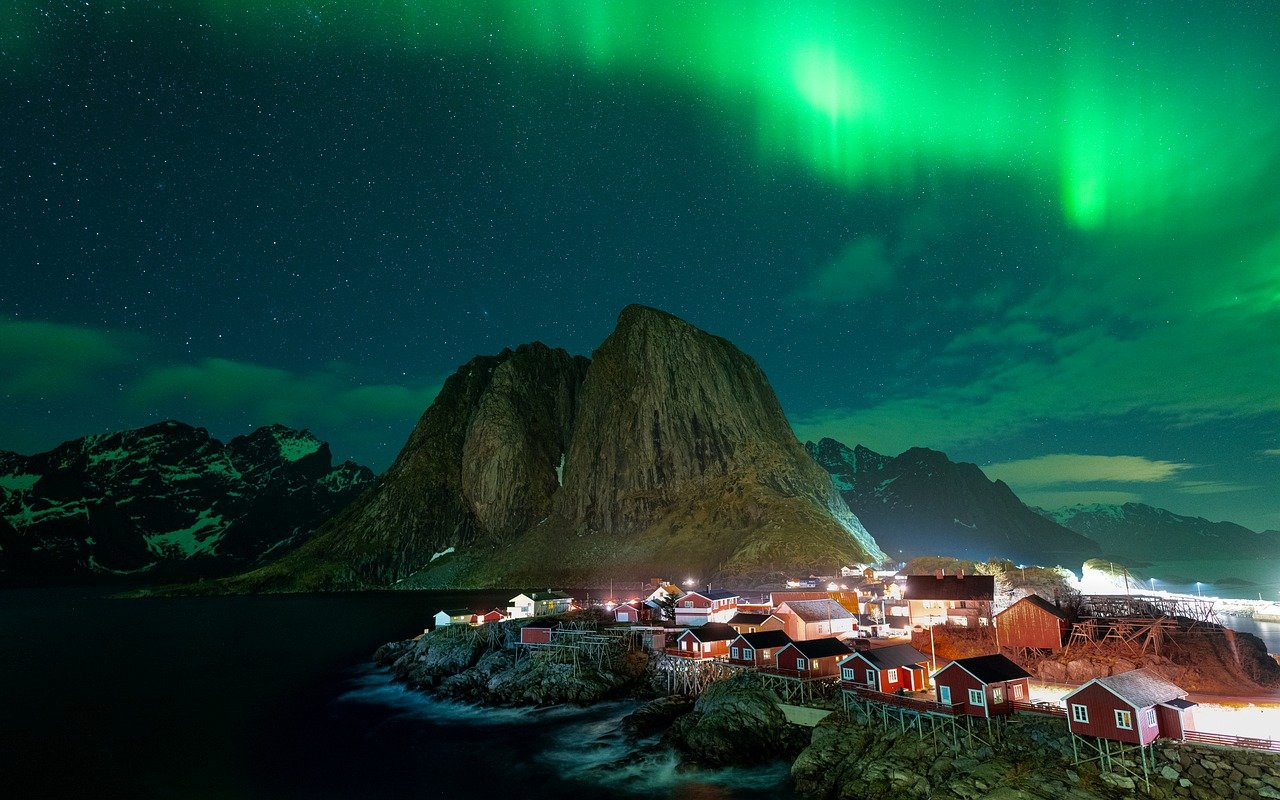
    The aurora borealis is Mother Nature’s ultimate light show. Between September and March, Norway’s northern skies dance with green, purple, and blue lights that seem almost supernatural.

    Tromsø sits in the aurora belt, making it perfect for light-chasing. Local guides know exactly where to take you for optimal viewing, away from city lights. They’ll even show you how to capture those magical moments on camera.

    For a truly unique experience, book a glass igloo or aurora cabin. Imagine watching those ethereal lights swirl above while you’re cozy in bed. Just remember – patience is key. The lights perform on their own schedule.

    Adventure Activities for Thrill Seekers

    Norway isn’t just for sightseeing – it’s an adventure playground for adrenaline junkies.

    In summer, kayaking between fjord walls gives you a water-level perspective of these massive formations. Hiking to Preikestolen (Pulpit Rock) rewards you with stomach-dropping views from a flat cliff 604 meters above Lysefjord.

    Winter transforms Norway into a snow-sports paradise. World-class ski resorts like Hemsedal offer slopes for all levels, while dog sledding lets you command your own team of huskies through pristine snowscapes.

    Rock climbers flock to the granite faces of Romsdal Valley, while rafting enthusiasts tackle the rushing white water of rivers like the Sjoa.

    Every activity comes with breathtaking backdrops that make even catching your breath between adventures worth it.

    Denmark’s Charming Cityscapes

    Copenhagen’s Colorful Nyhavn District

    Denmark’s charm hits you full force the moment you step into Nyhavn. This iconic waterfront strip lined with brightly painted 17th-century townhouses is basically Copenhagen’s postcard view. The blues, yellows, and reds pop against the water where wooden ships bob gently at their moorings.

    Grab a Danish beer at one of the outdoor cafés and watch the world go by. The atmosphere here is electric yet somehow relaxed at the same time. Did you know Hans Christian Andersen lived in Nyhavn? He wrote some of his fairy tales in house number 20!

    The best photos happen at sunset when the golden light makes those colorful facades absolutely glow. Don’t rush this part of your Scandinavian adventure – it’s worth lingering.

    Tivoli Gardens Entertainment

    Stepping into Tivoli Gardens feels like walking into a fairy tale. This isn’t just any amusement park – it’s the second-oldest operating amusement park in the world!

    The vintage roller coaster creaks and rumbles alongside modern thrill rides, creating this perfect blend of nostalgia and excitement. At night, thousands of twinkling lights transform the gardens into a magical wonderland.

    Between rides, catch a free pantomime show at the open-air theater or listen to live music at the bandstand. The food scene here is surprisingly impressive too – from Danish smørrebrød to gourmet restaurants.

    Walt Disney actually visited Tivoli before creating Disneyland. One walk through these enchanted grounds and you’ll understand exactly why it inspired him.

    Visiting the Little Mermaid and Royal Residences

    Copenhagen’s famous Little Mermaid statue sits quietly by the water at Langelinie promenade. She’s smaller than most expect (only 4 feet tall!), but seeing this iconic bronze figure up close connects you directly to Denmark’s literary heritage.

    Just a short walk away, Amalienborg Palace demands attention with its elegant octagonal courtyard. Time your visit right and you’ll catch the daily changing of the Royal Guard ceremony – complete with tall bearskin hats and precise marching.

    For pure architectural wonder, Rosenborg Castle delivers with its Renaissance styling and home to the dazzling Crown Jewels. The surrounding King’s Garden provides a peaceful retreat with perfectly manicured lawns and flower beds.

    These royal sites offer a glimpse into Denmark’s monarchical history that feels both grand and surprisingly accessible.

    Practical Travel Information

    Flight Details from Kolkata to Scandinavia

    No direct flights connect Kolkata to Scandinavia, so you’ll need to make at least one stopover. Most travelers fly with Middle Eastern carriers like Emirates, Qatar Airways, or Etihad, stopping in Dubai, Doha, or Abu Dhabi. European carriers like Lufthansa or Air France require stops in Frankfurt or Paris.

    Typical flight duration:

    • Kolkata to Stockholm: 12-15 hours (including layover)
    • Kolkata to Copenhagen: 12-16 hours (including layover)
    • Kolkata to Oslo: 13-16 hours (including layover)

    Book your tickets 3-4 months in advance to grab deals between ₹55,000-75,000 for round trips.

    Inter-Country Transportation Options

    Getting around Scandinavia is surprisingly easy:

    By Train: The extensive rail network connects major cities. Consider the Scandinavia Rail Pass (around €260 for 5 days) if you’re hitting multiple destinations.

    By Ferry: Overnight ferries link Copenhagen-Oslo (16 hours) and Stockholm-Helsinki (overnight). They’re basically floating hotels with restaurants and entertainment.

    By Bus: Budget-friendly options like Flixbus connect major cities. Tickets start from €15-30.

    Internal Flights: SAS and Norwegian Air offer quick connections between capitals (around €70-150 one way).

    Visa Requirements for Indian Travellers

    Indians need a Schengen visa to visit Scandinavia. Apply at the embassy of your main destination country. You’ll need:

    • Valid passport (6+ months validity)
    • Completed application form
    • 2 recent photographs
    • Travel insurance (minimum €30,000 coverage)
    • Flight itinerary
    • Hotel bookings
    • Proof of funds (approximately €75 per day)
    • Bank statements (last 6 months)

    Processing takes 10-15 working days, so apply at least a month before travel.

    Currency and Payment Tips

    Scandinavian countries use different currencies:

    • Sweden: Swedish Krona (SEK)
    • Denmark: Danish Krone (DKK)
    • Norway: Norwegian Krone (NOK)
    • Finland: Euro (EUR)

    Cash is almost obsolete in Scandinavia! Even small purchases like coffee can be paid by card. Some places don’t accept cash at all.

    Tips:

    • Inform your bank about travel plans
    • Carry a Visa/Mastercard with no foreign transaction fees
    • Avoid currency exchange at airports (terrible rates)
    • Always choose local currency when paying by card

    Weather Conditions and Packing Essentials

    Scandinavia’s weather varies dramatically by season:

    Summer (June-August): Temperatures range from 15-25°C with very long daylight hours (up to 20 hours in Stockholm!). Pack light clothes, but always bring a jacket and umbrella.

    Winter (November-March): Temperatures plummet to -5 to -15°C. You’ll need thermal underwear, waterproof boots, thick gloves, wool socks, and a serious winter coat.

    Spring/Fall: Unpredictable! Layers are your best friends.

    Must-packs regardless of season:

    • Waterproof shoes (rain is common year-round)
    • Power adapter (Type C/F plugs)
    • Sunglasses (for summer midnight sun or winter snow glare)
    • Moisturizer (the air is dry!)
    • Swimwear (for those amazing Scandinavian saunas)

    Accommodation Details

    Handpicked Hotels in Each City

    We’ve personally selected the finest accommodations across Scandinavia for your 11-night journey. In Stockholm, you’ll stay at the waterfront Elite Hotel with stunning Old Town views. Copenhagen offers the boutique Andersen Hotel, just steps from Tivoli Gardens. In Oslo, the Thon Hotel Opera puts you right next to the iconic Opera House.

    What makes these hotels special? Location, comfort, and that unmistakable Scandinavian design sense. Think clean lines, natural materials, and spaces that actually make you feel good just being in them.

    Every hotel offers free WiFi, breakfast buffets featuring local specialties, and staff who speak English fluently. No communication headaches here!

    Unique Scandinavian Lodging Experiences

    Ready for something different? We’ve included two specialty stays on this tour. Spend one night in a traditional Swedish red cottage in the countryside outside Stockholm. These iconic buildings are quintessentially Swedish, complete with a sauna and lake views.

    In Norway, you’ll experience one night at a fjordside cabin with floor-to-ceiling windows that showcase the dramatic landscape. Fall asleep watching the northern sky (and maybe even the Northern Lights if you’re traveling September through March).

    Meal Plans and Dining Arrangements

    Your package includes daily breakfasts at all hotels – and these aren’t your basic continental affairs. Scandinavian breakfast spreads feature everything from smoked salmon to fresh-baked bread to pickled herring (try it before you judge!).

    Five group dinners are also included, strategically planned for your arrival night in each new city plus two special cultural dining experiences:

    • Traditional Swedish smörgåsbord feast
    • Norwegian seafood dinner overlooking the fjords

    For other meals, you’re free to explore on your own. We provide a curated list of restaurants ranging from Michelin-starred establishments to cozy local cafés. Our guides can help with reservations at the hard-to-book spots.

    Tour Package Pricing and Value

    What’s Included in the Base Package

    The base package for our 11 nights 12 days Scandinavia tour is packed with incredible value. Here’s what you get:

    • Round-trip flights from Kolkata with taxes included
    • All accommodation in 3-4 star hotels (11 nights)
    • Daily breakfast buffet and 6 dinners
    • Private air-conditioned transportation
    • English-speaking tour guide throughout
    • Ferry tickets between Denmark, Sweden, and Norway
    • City tours in Stockholm, Copenhagen, and Oslo
    • Entrance to must-see attractions like the Vasa Museum and Viking Ship Museum
    • All hotel taxes and service charges

    The current base price starts at ₹1,89,000 per person (double occupancy) – honestly a steal for what you’re getting across three amazing countries.

    Optional Add-ons and Experiences

    Want to take your Scandinavian adventure up a notch? These extras are worth considering:

    • Fjord cruise experience: ₹5,500
    • Northern Lights excursion (seasonal): ₹7,800
    • Traditional Scandinavian dinner with folk show: ₹3,200
    • Helsinki day trip extension: ₹12,500
    • Photography tour with professional guide: ₹2,800
    • Winter activities package (Dec-Mar): ₹8,900

    You can add these when booking or up to 30 days before departure. My tip? The fjord cruise is absolutely worth every rupee – it’s the highlight for most travelers.

    Group Discounts and Early Bird Offers

    Traveling with friends or family? You’re in luck:

    • Groups of 4-6: 5% off per person
    • Groups of 7+: 8% off per person
    • Early bird booking (6+ months ahead): 7% discount
    • Senior citizen discount (65+): 4% off
    • Honeymoon special: Complimentary room upgrade + welcome package

    Can these discounts be combined? You bet! Book early with a group of 6 and you could save up to 12%. That’s serious cash back in your pocket.

    Comparison with Other Scandinavia Tours

    Feature

    Our Package

    Competitor A

    Competitor B

    Duration

    11N/12D

    9N/10D

    10N/11D

    Countries

    3 (Sweden, Norway, Denmark)

    2 (Sweden, Norway)

    3 (rushed itinerary)

    Meals

    All breakfasts + 6 dinners

    All breakfasts + 3 dinners

    Breakfasts only

    Group Size

    Max 18 people

    25-30 people

    22-25 people

    Guide

    Dedicated throughout

    Different local guides

    Dedicated throughout

    Free Time

    Balanced schedule

    Overpacked itinerary

    Limited free time

    Price

    ₹1,89,000

    ₹1,84,000

    ₹2,05,000

    The real difference? Our perfectly paced itinerary gives you enough time to actually enjoy each destination instead of just checking boxes. We’ve been running this route for 8 years and know exactly where to spend more time and what to skip.

    Cultural Insights for Indian Travellers

    Language Basics to Know

    Scandinavians typically speak excellent English, so you won’t face major communication barriers. Still, learning a few local phrases shows respect and often brings smiles.

    In Sweden, try:

    • “Hej” (hay) = Hello
    • “Tack” (tack) = Thank you
    • “Ursäkta” (oor-shek-ta) = Excuse me

    In Norway:

    • “Takk” (tahk) = Thank you
    • “God morgen” (good mor-en) = Good morning
    • “Vær så snill” (vair so sneel) = Please

    In Denmark:

    • “Tak” (tahk) = Thank you
    • “Undskyld” (un-skull) = Sorry
    • “Skål” (skawl) = Cheers

    Cultural Etiquette and Customs

    Scandinavians value personal space and punctuality. Be on time for tours and reservations – they consider lateness disrespectful.

    Remove your shoes when entering someone’s home. This custom is followed religiously, especially during winter.

    Scandinavians are environmentally conscious. You’ll notice excellent recycling systems everywhere and a strong focus on sustainability.

    Queue-jumping is a major no-no. Scandinavians form orderly lines for everything.

    The culture is quite reserved initially, so don’t mistake quietness for rudeness. They warm up after some conversation.

    Indian Restaurants and Vegetarian Options

    Finding vegetarian food is surprisingly easy in Scandinavian capitals:

    Stockholm boasts several Indian restaurants like “Indian Garden” and “Holy Cow” with authentic flavors.

    Copenhagen’s “Bindia” and “The Maharaja” serve excellent North Indian cuisine.

    Oslo offers “Jaipur Indian Restaurant” and “Mother India” with vegetarian options.

    Most regular restaurants mark vegetarian items clearly on menus. Even traditional Scandinavian restaurants now offer plant-based versions of local specialties.

    Grocery stores like “ICA” (Sweden), “Rema 1000” (Norway), and “Netto” (Denmark) stock Indian spices and ingredients if you’re staying in apartments.

    Shopping for Authentic Scandinavian Souvenirs

    Skip the tourist traps and grab these authentic keepsakes:

    • Swedish Dalahäst (Dala horse): Hand-carved wooden horses symbolizing Swedish craftsmanship
    • Norwegian trolls: Quirky figurines based on folklore
    • Danish Royal Copenhagen porcelain: Timeless blue and white designs

    For quality at reasonable prices, visit:

    • Design stores like “Designtorget” in Stockholm
    • “Norway Designs” in Oslo
    • “Illums Bolighus” in Copenhagen

    Food souvenirs worth packing:

    • Swedish lingonberry jam
    • Norwegian brown cheese (brunost)
    • Danish licorice (though it’s an acquired taste!)

    Wool products make practical souvenirs – look for authentic Norwegian sweaters or Swedish blankets that’ll last forever.

    Scandinavia Tour from India with Mercury tour operator

    Looking for the ultimate Scandinavian adventure without the headache of planning every detail? Mercury Tour Operator has your back with their incredible Scandinavia tour packages from India.

    Why Choose Mercury for Your Scandinavian Journey

    Mercury isn’t just another travel company. They’ve been crafting perfect Nordic experiences for Indian travelers for years. Their team knows exactly what makes a Scandinavia trip special – from the hidden gems of Stockholm to the best times to experience the Northern Lights.

    What makes them different? They actually understand what Indian travelers need:

    • Indian food options throughout the journey (because let’s be honest, we all miss our spices after a few days)
    • Guides who speak Hindi and English
    • SIM cards that actually work in all three countries
    • No hidden costs that surprise you later

    What Their Scandinavia Package Includes

    Their 11 nights 12 days package is comprehensive without being rushed:

    • 4 nights in Sweden exploring Stockholm’s archipelago and historic districts
    • 4 nights in Norway with fjord cruises and the breathtaking mountains
    • 3 nights in Denmark discovering Copenhagen’s colorful waterfront and rich history
    • Comfortable accommodation in centrally located hotels
    • All transfers between cities and countries
    • Daily breakfast and select meals

    The best part? They handle all the complicated stuff like ferry crossings between countries and navigating the different currencies.

    Many Indian travelers worry about language barriers and cultural differences in Scandinavia. Mercury’s guides bridge this gap, helping you truly connect with the Nordic culture rather than just seeing it from a distance.

    FAQ’s

    What’s the best time to visit Scandinavia?

    May through September offers the most pleasant weather. June to August brings warmer temperatures (15-25°C) and midnight sun in northern regions. For winter activities and Northern Lights, visit between November and March. September offers fewer crowds while still having decent weather.

    Do I need a visa for Scandinavian countries as an Indian traveler?

    Yes, you’ll need a Schengen visa since Sweden, Norway, and Denmark are all Schengen countries. Apply at the embassy of the country where you’ll spend the most time. Processing typically takes 15 days, so apply at least 3-4 weeks before your trip.

    How much spending money should I budget daily?

    Budget around €100-150 (₹9,000-13,500) per day for comfortable travel. This covers meals (€20-40), local transportation (€10-15), attraction entries (€15-25), and small souvenirs. Prices in Scandinavia run higher than many other European destinations, especially in Norway.

    Is English widely spoken in Scandinavia?

    Don’t worry about language barriers! Over 80% of Scandinavians speak excellent English. You’ll have no trouble communicating with locals in hotels, restaurants, shops, and attractions.

    What power adapters do I need to bring?

    Bring Type C and Type F adapters (European standard). Scandinavia uses 230V with a frequency of 50Hz. Most modern devices (phones, laptops, cameras) automatically adapt to this voltage.

    How much should I tip in Scandinavian countries?

    Tipping isn’t expected as service charges are included in bills. For exceptional service, rounding up or leaving 5-10% is appreciated but not mandatory. In taxis, rounding up to the nearest 10 kroner is common.

    Conclusions

    This comprehensive 11-night Scandinavia tour package from Kolkata offers a perfect blend of Sweden’s rich cultural heritage, Norway’s stunning fjords and landscapes, and Denmark’s picturesque urban settings. Throughout your journey, you’ll experience world-class accommodations, thoughtfully planned itineraries, and cultural experiences specifically curated for Indian travelers, all at competitive pricing that delivers exceptional value.

    Ready to embark on this Nordic adventure? Mercury Tour Operator specializes in crafting memorable Scandinavian experiences for Indian travelers, handling all logistics while you focus on creating lasting memories. Whether you’re marveling at Stockholm’s historic architecture, standing in awe of Norway’s majestic fjords, or wandering through Copenhagen’s colorful streets, this 12-day journey promises to be the ultimate northern European experience you’ve been dreaming of. For Europe tour always contact Mercury Tour Operator.


  • 7 Nights 8 Days Switzerland -Paris Mt. Titlis, Lucerne, Rhine Falls Eiffel Tower, Disneyland Paris Scenic train rides (optional Glacier Express)

    7 Nights 8 Days Switzerland -Paris Mt. Titlis, Lucerne, Rhine Falls Eiffel Tower, Disneyland Paris Scenic train rides (optional Glacier Express)

    Best Switzerland Tour Package for Indian Travellers

    7 Nights 8 Days Switzerland -Paris Mt. Titlis, Lucerne, Rhine Falls Eiffel Tower, Disneyland Paris Scenic train rides (optional Glacier Express)

    Discover the Magic of Switzerland & Paris: Your 8-Day Adventure Overview

    Day-by-day itinerary highlights for the perfect Swiss-French vacation

    Picture this: Eight glorious days split between Switzerland’s pristine alpine landscapes and the romantic streets of Paris. Your adventure unfolds like this:

    Day 1: Welcome to Switzerland
    Touch down in Zurich and feel the crisp mountain air instantly refresh you. After settling into your hotel, take a leisurely stroll around the old town to shake off the jet lag and grab your first authentic Swiss chocolate.

    Day 2: Lucerne & Mt. Titlis
    Morning brings the medieval charm of Lucerne with its iconic Chapel Bridge and Water Tower. By afternoon, you’re ascending Mt. Titlis in a revolving cable car, stepping onto glaciers, and crossing Europe’s highest suspension bridge. The panoramic views will leave you speechless!

    Day 3: Rhine Falls & Swiss Countryside
    Head to Europe’s largest waterfall, Rhine Falls, where the thundering waters create a misty spectacle. The afternoon offers charming Swiss villages with their flower-adorned chalets and bell-wearing cows grazing on impossibly green hillsides.

    Day 4: Scenic Train Journey
    Board one of Switzerland’s legendary panoramic trains (with the option to upgrade to the world-famous Glacier Express). The train winds through mountain passes, alongside crystal lakes, and through quaint villages – all while you sip Swiss hot chocolate.

    Day 5: Swiss to French Transition
    Say goodbye to Switzerland as you journey to Paris. The landscape transforms from jagged peaks to rolling countryside before you arrive in the City of Lights. Spend your evening strolling along the Seine and enjoying your first Parisian dinner.

    Day 6: Paris Classics & Eiffel Tower
    Experience Paris’s greatest hits: Notre Dame, the Louvre, Champs-Élysées, and of course, the Eiffel Tower. Your skip-the-line tickets mean more time enjoying the breathtaking views and less time waiting.

    Day 7: Magic at Disneyland Paris
    Trade city sophistication for childhood wonder at Disneyland Paris. Ride thrilling attractions, meet beloved characters, and catch spectacular shows in this European twist on the classic theme park.

    Day 8: Final Parisian Morning
    Savor your last morning with fresh croissants and café au lait at a sidewalk café before heading to the airport, carrying memories of snow-capped peaks and twinkling city lights.

    Best times to visit for optimal weather and attractions accessibility

    Spring (April-June)
    The sweet spot! Alpine snow begins melting, wildflowers carpet meadows, and Paris blooms. Fewer crowds mean shorter lines at attractions, while temperatures hover comfortably between 50-70°F (10-21°C). May especially hits the perfect balance of pleasant weather and pre-summer crowd levels.

    Summer (July-August)
    Peak season brings reliably warm weather (75-85°F/24-29°C) and the fullest range of open attractions. All mountain passes are accessible, and Paris buzzes with outdoor cafés and evening activities. The drawback? Everyone else has the same idea – expect crowds and premium prices.

    Fall (September-October)
    A hidden gem of a season! The changing foliage creates spectacular alpine landscapes, temperatures remain mild (45-65°F/7-18°C), and post-summer crowds thin considerably. Paris feels magical with golden leaves in the parks and more breathing room at museums.

    Winter (November-March)
    A tale of two experiences: Switzerland transforms into a winter wonderland perfect for snow activities, while Paris offers cozy café culture and festive holiday markets. Mountain weather can be harsh (-5-30°F/-20-0°C), but Paris stays relatively mild (35-45°F/2-7°C).

    What to pack for comfort across diverse Alpine and urban environments

    Clothing Essentials:

    • Layering pieces (the secret weapon against variable temperatures)
    • Waterproof jacket (mountain weather changes in minutes)
    • Comfortable walking shoes for cobblestone streets
    • One nice outfit for Parisian dining
    • Swimwear for hotel pools or alpine lake dips
    • Light scarf (doubles as sun protection and evening warmth)

    Tech & Accessories:

    • Universal power adapter (Switzerland uses Type J plugs)
    • Portable charger for long sightseeing days
    • Good camera (your phone might not capture those mountain panoramas)
    • Sunglasses (alpine sunlight is surprisingly intense)
    • Small daypack for excursions

    Don’t Forget:

    • Sunscreen (UV exposure increases with altitude)
    • Lip balm with SPF (mountain air is dry)
    • Basic medications and bandages
    • Reusable water bottle (Swiss tap water is excellent)
    • Travel umbrella (Paris can surprise with sudden showers)

    Breathtaking Swiss Natural Wonders Worth Exploring

    Ascending Mt. Titlis: Cable car experience and panoramic glacier views

    The journey up Mt. Titlis is nothing short of magical. You’ll hop into the world’s first revolving cable car, the TITLIS Rotair, which does a complete 360° rotation during your five-minute ride to the summit. Talk about getting the full picture without even trying!

    At 3,238 meters above sea level, the views are absolutely jaw-dropping. The panoramic vistas of snow-capped Alpine peaks stretch as far as the eye can see. On clear days, you can spot mountain ranges from Italy to France.

    Once you’re at the top, step onto the TITLIS Cliff Walk – Europe’s highest suspension bridge. It’s only a meter wide and hangs 500 meters above the ground. Your heart might skip a beat, but those Instagram photos will be worth it!

    Don’t miss the Glacier Cave either. Walking through this 150-meter-long tunnel carved into the eternal ice gives you a peek into a fascinating blue world that’s been frozen for thousands of years. The temperature inside stays around -1.5°C year-round, so keep that jacket handy!

    For the adventure seekers, the Ice Flyer chairlift offers another perspective as it glides over the glacier’s crevasses. In winter, you can even try snow tubing or skiing, while summer visitors can hike along marked trails with stunning alpine flora.

    Majestic Rhine Falls: Europe’s largest waterfall and surrounding attractions

    The Rhine Falls will make your jaw drop – literally. As Europe’s largest waterfall, this natural wonder pushes 700 cubic meters of water over the edge every second during summer. The sheer power of it hits you in the chest from hundreds of meters away.

    You’ve got options to experience the falls. Take the viewing platforms for that perfect photo op, or get closer with a boat trip that brings you right to the mighty rock in the middle of the falls. Feel tiny as water crashes around you, creating rainbows in the mist on sunny days.

    For the best views, head to Schloss Laufen on the Zürich side. This medieval castle offers spectacular vantage points from its platforms, plus you can learn about the falls’ geological history in the interactive exhibition.

    On the opposite bank sits Schloss Wörth, a charming little castle that now houses a restaurant. Grabbing lunch here with the falls as your backdrop? Pure magic.

    Hiking enthusiasts can follow trails along both sides of the Rhine, connecting viewpoints that frame the falls differently with each step. The surrounding landscape of lush forests and rolling hills makes for a perfect half-day excursion from Zurich or Lucerne.

    Picturesque Lucerne: Lake, covered bridges and old-town charm

    Lucerne is straight out of a fairytale. The crystal-clear lake reflects the surrounding mountains so perfectly you might do a double-take. When the morning mist hangs over the water, it’s like something from another world.

    The city’s iconic Chapel Bridge (Kapellbrücke) steals the show. This wooden covered bridge from the 14th century zigzags across the Reuss River, decorated with triangular paintings depicting scenes from Swiss history. Sadly, a fire damaged much of it in 1993, but the restored version still captures the medieval magic.

    Wander through the traffic-free old town with its colorfully painted buildings and you’ll feel like you’ve stepped back in time. The ancient city walls with their nine towers are still intact, and climbing the Männliturm or Schirmerturm rewards you with sweeping city views.

    Don’t miss the Lion Monument – Mark Twain called it “the most mournful and moving piece of stone in the world.” This sculpture of a dying lion, carved directly into the rock face, commemorates Swiss Guards who died during the French Revolution.

    For a different perspective, take a boat cruise on Lake Lucerne. The paddle steamers that have been operating since the 1800s offer a nostalgic way to admire the mountain panorama including Mt. Pilatus, Rigi, and Bürgenstock.

    Iconic Parisian Experiences Not to Miss

    Eiffel Tower: Best viewing times and skip-the-line options

    Paris’s iconic landmark isn’t just a tower—it’s THE tower. Standing 1,063 feet tall, this iron marvel commands attention from every corner of the city. But here’s the deal: everyone wants to see it, which means crowds can be brutal.

    Want that perfect Eiffel experience? Early morning (8-10 AM) or evening visits (after 7 PM) offer the most magical moments with fewer tourists. Sunrise brings a golden glow that photographers dream about, while evening delivers those twinkling lights that make Paris the City of Light.

    Skip-the-line tickets are absolutely worth every euro. Trust me, watching other tourists stand in 2-hour queues while you breeze through is oddly satisfying. Book these at least 3 weeks ahead during peak season (June-September) or you’ll be out of luck.

    Pro tip: The second floor actually offers better views than the top. You’re still high enough to see everything, but close enough to actually recognize landmarks instead of just seeing tiny dots below.

    Disneyland Paris: Planning your magical day with attraction highlights

    Disneyland Paris packs all the Disney magic with a distinctly European flair. Located just 40 minutes from central Paris, it’s split into two parks: Disneyland Park and Walt Disney Studios Park.

    Start your day early—like, “why am I awake at this hour on vacation?” early. Getting there for rope drop (opening time) means you’ll hit popular rides like Hyperspace Mountain and Crush’s Coaster before lines get crazy.

    Don’t miss these must-ride attractions:

    • Phantom Manor: The creepier, cooler French cousin of Haunted Mansion
    • Ratatouille: The Adventure: A whimsical 4D ride that shrinks you to Remy’s size
    • Big Thunder Mountain: The wildest ride in the wilderness, with a twist—it sits on an island!

    Food reservations are essential. Unlike the American parks, Europeans take their meal times seriously. Book restaurants like Bistrot Chez Rémy (themed after Ratatouille) at least a month ahead.

    The Disney Illuminations show at park closing is spectacular against the fairytale castle backdrop. Stake out a spot 45 minutes early near the central hub for the best views without obstructions.

    Historic Parisian neighborhoods and must-visit landmarks

    Paris isn’t just a city—it’s dozens of little villages stitched together, each with its own personality.

    Le Marais pulses with trendy boutiques and Jewish heritage sites in narrow medieval streets. Stop at Place des Vosges, the oldest planned square in Paris, where Victor Hugo once lived. The falafel shops on Rue des Rosiers serve some of the best street food you’ll ever taste.

    Montmartre still feels like the bohemian artist haven it once was (if you ignore the souvenir shops). Climb the steps to Sacré-Cœur Basilica for panoramic views that rival the Eiffel Tower—and they’re free! The tiny vineyard Clos Montmartre is a hidden gem producing actual Parisian wine.

    The Latin Quarter’s intellectual energy stems from the Sorbonne University. Browse the green bookstalls (bouquinistes) along the Seine before visiting Shakespeare and Company bookstore, a literary landmark where writers like Hemingway and Joyce gathered.

    Don’t skip these iconic spots:

    • Notre-Dame Cathedral: Still magnificent from the outside despite the 2019 fire
    • Louvre Museum: Go beyond the Mona Lisa—the Egyptian antiquities section is mind-blowing
    • Luxembourg Gardens: Where Parisians actually hang out, playing chess and sailing toy boats.

    Scenic Train Journeys Through the Alps

    Glacier Express optional excursion: Route highlights and booking tips

    The Glacier Express isn’t just another train ride—it’s literally the most spectacular way to experience the Swiss Alps. Dubbed the “slowest express train in the world,” this iconic journey takes you through some of Switzerland’s most jaw-dropping landscapes over an unforgettable 8-hour adventure.

    The route connects Zermatt and St. Moritz, crossing 291 bridges and tunneling through 91 mountain passages. You’ll glide past dramatic gorges, pristine alpine meadows, and quaint mountain villages that look straight out of a storybook. The Oberalp Pass section, reaching 2,033 meters above sea level, offers some seriously breathtaking views you won’t get anywhere else.

    Booking tip: Reserve your seats at least 2-3 months in advance, especially if you’re traveling between June and September. The train runs year-round, but each season offers a completely different visual feast. Winter shows off snow-capped mountains and frozen lakes, while summer reveals lush green valleys and vibrant wildflowers.

    For the best experience, spring for Excellence Class. Yes, it’s pricier at around 420 CHF, but you get guaranteed window seats, a 5-course meal with regional wines, and personal tablet guides explaining the landscapes you’re passing through. First and Second Class options are more budget-friendly while still offering panoramic views.

    Panoramic train experiences connecting key destinations

    Beyond the Glacier Express, Switzerland offers several panoramic train routes that perfectly connect the main stops on your Switzerland-Paris tour.

    The GoldenPass Line links Lucerne to Lake Geneva through the heart of Switzerland, making it a perfect addition after your Mt. Titlis adventure. The modern panoramic coaches feature oversized windows that curve into the ceiling, so you won’t miss a single mountain peak or lakeside vista.

    The Bernina Express connects Switzerland to Italy through the UNESCO-protected Rhaetian Railway. The train climbs up to 2,253 meters without using a cog wheel system—a genuine engineering marvel with views to match.

    Many travelers miss out on the Gotthard Panorama Express, which combines a steamboat cruise on Lake Lucerne with a train journey through the historic Gotthard route. This makes for a perfect day trip from Lucerne before heading to Paris.

    Photography opportunities and viewing car recommendations

    Ask any photographer who’s ridden these routes and they’ll tell you the same thing: these trains are basically moving photography platforms designed for capturing the Alps in all their glory.

    For the best shots, request a seat in one of the panoramic cars with their floor-to-ceiling windows. On the Glacier Express and Bernina Express, the observation cars offer unobstructed views through glass-topped ceilings, perfect for capturing those towering mountain peaks without window reflections ruining your shot.

    Pro tip: Sit on the right side when traveling from Zermatt to St. Moritz, and on the left when going in the opposite direction. This positioning gives you the best valley views.

    For smartphone photographers, switch to “Pro” or manual mode to quickly adjust for the constantly changing light conditions as you move between sunny meadows and shadowy mountain passes. The golden hours (early morning and late afternoon) create magical lighting that transforms ordinary mountains into glowing masterpieces.

    Most trains now offer clean windows and anti-reflective glass, but bringing a polarizing filter for your camera will help eliminate any remaining glare and boost those vibrant alpine colors.

    Accommodation Options for Every Budget

    Strategic hotel locations for maximum sightseeing efficiency

    Finding the perfect place to crash during your Switzerland-Paris adventure can make or break your trip. Trust me, after a long day of mountain climbing at Mt. Titlis or battling crowds at Disneyland Paris, you’ll want a strategically located haven to rest your weary feet.

    In Lucerne, hotels near the Chapel Bridge or the central train station put you right in the action. You’ll wake up to stunning lake views and can easily hop on trains for day trips to Mt. Titlis or Rhine Falls. The Altstadt (Old Town) area lets you wander medieval streets and return to your hotel in minutes when you need a break.

    Paris is massive, so location matters even more. Stay in the 7th arrondissement for Eiffel Tower proximity—imagine sipping morning coffee with that iconic structure framed in your window! For Disneyland Paris visits, consider splitting your stay: a few nights in central Paris, then a night or two at a Disney resort hotel to maximize park time and minimize exhausting commutes.

    The smart traveler picks accommodations near major transportation hubs. In Zurich, hotels near Hauptbahnhof (main station) offer easy access to those scenic train rides and Rhine Falls excursions. Similarly, Paris hotels near Metro stations let you zip around the city without wasting precious vacation time.

    Family-friendly vs. romantic accommodation choices

    Traveling with kids? You need space, patience, and amenities that keep the little ones entertained. Many Swiss hotels offer family suites with separated sleeping areas—parents, you know how valuable this is! Look for places with pools, game rooms, and kid-friendly dining options.

    Near Disneyland Paris, themed hotels like Disney’s Newport Bay Club immerse children in the magic even after leaving the park. Many offer character breakfasts and early park access—worth every penny when you see your kids’ faces light up.

    For couples seeking romance, Switzerland delivers with intimate mountain chalets and luxurious lakeside boutique hotels. Picture private balconies overlooking Lake Lucerne, in-room spa treatments, and discrete service. Paris, naturally, excels at romance with charming boutique hotels in Montmartre or the Latin Quarter offering rose-petal turndown service and champagne welcome amenities.

    Authentic Swiss and French lodging experiences

    Cookie-cutter chain hotels? Not on this trip! For an authentic Swiss experience, book a family-run chalet-style guesthouse in the alpine regions or a historic hotel in Lucerne’s medieval center. Many feature traditional wood paneling, flower-filled balconies, and hearty Swiss breakfasts that fuel your mountain adventures.

    In Paris, skip the international chains and opt for a classic Parisian apartment hotel or pension. These often occupy centuries-old buildings with quirky layouts and genuine character—think exposed beams, wrought-iron balconies, and winding staircases. Yes, the elevators might be tiny, but that’s part of the authentic experience!

    For truly memorable stays, consider unique options like converted Swiss farmhouses where hosts might share local cheese-making traditions, or Parisian artists’ lofts in former ateliers where Picasso or Monet once worked. These lodgings become not just places to sleep but highlights of your Switzerland-Paris journey.

    Culinary Delights Across Two Countries

    Must-try Swiss specialties: Beyond chocolate and cheese

    Look, Swiss cuisine is so much more than what you’ve seen in commercials. While everyone knows about Swiss chocolate and fondue, the country offers a culinary adventure that’ll make your taste buds do a happy dance.

    Ever tried Rösti? It’s basically the Swiss version of hash browns, but trust me, it’s on another level. Crispy on the outside, soft on the inside, and often topped with a fried egg or bacon. You’ll find the best ones in Bern and Zurich.

    Then there’s Raclette – melted cheese scraped onto potatoes, pickles, and dried meats. The real magic happens when you watch them heat a half-wheel of cheese and scrape the melty goodness right onto your plate. Pure theater for your mouth.

    For the meat lovers, don’t miss Zürcher Geschnetzeltes – thinly sliced veal in a creamy mushroom sauce. Pair it with Spätzli (Swiss egg noodles) for the full experience.

    And while you’re exploring Mt. Titlis, warm up with a bowl of Älplermagronen – Alpine macaroni with potatoes, cheese, onions, and apple sauce on the side. Sounds weird? It works. Trust me.

    Parisian gastronomy: From casual cafés to fine dining

    Paris isn’t just about fancy food – though they do that incredibly well. The city’s culinary scene ranges from grab-and-go street eats to dining experiences you’ll talk about for years.

    Start your morning like a true Parisian with a buttery croissant and café au lait at a sidewalk café. People-watching included, no extra charge.

    For lunch, grab a classic jambon-beurre (ham and butter sandwich on a baguette) from any neighborhood boulangerie. Simple? Yes. Mind-blowing? Also yes.

    Between sightseeing at the Eiffel Tower and Disneyland, duck into a bistro for steak frites or coq au vin. These aren’t tourist traps – they’re cultural institutions.

    If you’re feeling fancy, book just one splurge meal at a traditional brasserie. Order escargot (yes, snails – they’re delicious), French onion soup, or a perfect duck confit.

    Don’t forget about Paris’s incredible pastries! Skip dessert at dinner and head to a patisserie for éclairs, Paris-Brest, or macarons. The colorful displays alone are worth the visit.

    Dietary considerations and food budget planning

    Traveling with dietary restrictions used to be a nightmare. Not anymore.

    Vegetarians will find plenty of options in both countries. In Switzerland, try cheese-free versions of rösti and seasonal vegetable dishes. Paris has embraced veggie options with creative plant-based bistros popping up everywhere.

    For vegans, Switzerland has you covered in major cities like Zurich and Geneva. Paris requires a bit more planning, but dedicated vegan spots like Le Potager du Marais serve incredible plant-based French classics.

    Gluten-free travelers should download translation cards explaining your needs. Switzerland tends to be more accommodating, while Paris requires calling restaurants ahead.

    Budget-wise, here’s the breakdown:

    • Switzerland is pricey. Set aside about 50-70 CHF ($55-75) per person daily for food.
    • Paris offers more range: 15-25€ ($16-27) for casual meals, 35-50€ ($38-55) for nicer dinners.

    Money-saving tips:

    • Grab breakfast items from local grocery stores
    • Eat your big meal at lunch when prices are lower
    • In Switzerland, self-catering in mountain towns saves a fortune
    • In Paris, picnic along the Seine with baguettes, cheese and wine from local shops

    Remember to factor in coffee breaks and snacks – they’re essential parts of the cultural experience!

    Why Travel with Mercury Tour Operator

    Unparalleled Experience and Expertise

    Ever wondered why so many travelers keep coming back to Mercury Tour Operator for their European adventures? The answer isn’t complicated.

    With over 15 years of crafting dream Switzerland-Paris itineraries, our team doesn’t just book your trips – we engineer experiences that stay with you long after your passport gets stamped.

    Our Switzerland-Paris packages aren’t cookie-cutter itineraries pulled from some dusty travel catalog. We’ve personally visited every attraction, stayed at the hotels, and yes – we’ve even ridden those scenic Swiss trains countless times (tough job, but someone’s got to do it!).

    Local Connections That Make the Difference

    Random tour companies might get you to Mt. Titlis or the Eiffel Tower. But will they introduce you to that charming chocolate shop hidden in a Lucerne side street? Or arrange for you to skip the 2-hour Rhine Falls queue because they know the local operators?

    Our on-ground teams in Switzerland and Paris don’t just work there – they live and breathe these destinations. When unexpected Swiss weather rolls in or a Paris transit strike threatens your Disneyland day, you’re not frantically Googling solutions. You’ve got real people solving real problems in real-time.

    Customization without the Chaos

    The Switzerland-Paris trip you’re dreaming of might look completely different from what another traveler wants. Maybe you’re dying to spend extra time photographing the Alpine views from Mt. Titlis. Perhaps your kids want a full two days at Disneyland Paris instead of just one.

    We get it. That’s why every single 7-night, 8-day itinerary we create can be tweaked, adjusted, and personalized. Want to add that optional Glacier Express journey? Consider it done. Prefer a private tour of the Louvre instead of the standard group experience? Just say the word.

    Value That Goes Beyond Price Tags

    Sure, you could piece together this trip yourself, spending countless hours comparing hotels, figuring out Swiss train schedules, and praying that your DIY itinerary actually works.

    Or you could simply pick up the phone, tell us what you’re dreaming of, and let us handle the rest – often at prices that match or beat what you’d pay booking everything separately.

    Our buying power with hotels in Lucerne, Paris and beyond means we secure rooms at rates individuals simply can’t access. Those “exclusive access” tickets to crowded attractions like the Eiffel Tower? We’ve got those too.

    Peace of Mind Guarantee

    Travel hiccups happen. Flights get delayed. Weather changes plans. What matters isn’t whether problems arise – it’s how they’re handled.

    With Mercury, you’re never alone in a foreign country wondering what to do next. Our 24/7 support team has your back, whether you need an urgent itinerary adjustment or simply restaurant recommendations for the best fondue in Switzerland.

    Practical Travel Tips for a Seamless Experience

    Currency, language and cultural etiquette essentials

    Traveling between Switzerland and France means juggling two different currencies and cultural expectations. In Switzerland, you’ll need Swiss Francs (CHF), while France uses the Euro (€). I recommend getting a small amount of each currency before your trip, then using ATMs at major transportation hubs for the best exchange rates.

    Don’t rely on card payments everywhere – some smaller shops in mountain towns near Mt. Titlis or family-owned cafés in Paris might still prefer cash. Most hotels and restaurants accept major credit cards, but always carry some cash as backup.

    Language-wise, you’re in for a fascinating mix. Switzerland has four official languages depending on the region: German (around Mt. Titlis and Lucerne), French, Italian, and Romansh. In Paris, it’s all French. The good news? Tourist areas in both countries have English-speaking staff, but learning a few basic phrases goes a long way:

    In Swiss-German areas:

    • “Grüezi” (Hello)
    • “Danke” (Thank you)
    • “Bitte” (Please)

    In France:

    • “Bonjour” (Hello)
    • “Merci” (Thank you)
    • “S’il vous plaît” (Please)

    For cultural etiquette, punctuality is practically sacred in Switzerland. Tours, trains, and appointments run on Swiss time – which means exactly on schedule. The French tend to be a bit more relaxed, but still appreciate promptness for tours and reservations.

    When dining, keep in mind that tipping works differently than you might be used to. In Switzerland, service is typically included in your bill, though rounding up slightly is appreciated. In France, a “service compris” on your bill means the tip is included, but leaving a few extra euros for exceptional service is common practice.

    Transportation options between destinations

    Getting around Switzerland and Paris is incredibly smooth if you know the options. The fastest way between Switzerland and Paris is by high-speed TGV train, taking about 4 hours from Zurich to Paris. Book these tickets 3-4 months in advance for the best deals – prices can literally triple closer to travel dates.

    Within Switzerland, trains are the gold standard for transportation. Consider a Swiss Travel Pass if you’ll be making multiple journeys – it covers trains, buses, and even museum entries. For the scenic train rides mentioned in your itinerary, particularly if you’re considering the optional Glacier Express, reserve seats weeks ahead as these specialty routes sell out fast.

    In Paris, the Metro is your best friend – affordable, comprehensive, and runs from 5:30am until about 1:00am. Buy a carnet (book of 10 tickets) or a multi-day Navigo pass to save money and time. For Disneyland Paris, direct RER A trains run from central Paris to the park entrance in about 45 minutes.

    Between Swiss destinations like Lucerne, Mt. Titlis, and Rhine Falls, regional trains and buses offer frequent connections. The Swiss public transport app (SBB) is indispensable for real-time schedules and platform information.

    Time-saving tips for attraction visits and border crossings

    The difference between waiting in three-hour lines and breezing through attractions comes down to planning. For the Eiffel Tower, book your tickets online at least 60 days in advance and select the earliest morning or evening time slots to avoid the worst crowds. Same goes for Disneyland Paris – their app offers real-time wait times so you can strategize your day.

    In Switzerland, Mt. Titlis cable cars start running at 8:30am – be there when they open. The first ascent of the day means clearer views before afternoon clouds roll in and significantly shorter lines. For Rhine Falls, aim for weekday visits rather than weekends when Swiss locals often visit.

    Border crossings between Switzerland and France are generally straightforward for tourists, but keep your passport accessible on train journeys as random checks do occur. Remember that Switzerland is not in the EU but is part of the Schengen Zone, which allows for relatively seamless travel between it and France.

    For all attractions, consider guided “skip-the-line” options when available. They might cost a bit more but can save you hours of waiting, particularly during peak season (June-August). Many guided tours also provide transportation between attractions, maximizing your sightseeing time.

    FAQ

    What is the best time to visit Switzerland and Paris?

    Switzerland and Paris are gorgeous year-round, but timing matters! Summer (June-August) brings warm temps and peak tourist crowds. Spring (April-May) and fall (September-October) offer milder weather and fewer tourists—perfect for sightseeing without the crush.

    Winter (November-March) transforms Switzerland into a snow-covered wonderland—ideal for skiing and winter sports. Paris gets chilly but magical with festive decorations in December. Budget travelers should target shoulder seasons when hotel rates drop but the weather’s still pleasant.

    How much money should I budget for this 8-day trip?

    For an 8-day Switzerland-Paris adventure, budget around $2,000-$3,500 per person excluding your flight to Europe. This covers mid-range accommodations, daily meals, local transportation, and entrance fees to major attractions.

    Switzerland is notoriously expensive—a casual restaurant meal runs $25-40 per person, while Paris is slightly more affordable. Optional activities like the Glacier Express ($150-300) or Disneyland Paris tickets ($95-120) will add to your costs.

    Smart travelers save by:

    • Booking accommodations with breakfast included
    • Grabbing picnic supplies from local markets
    • Purchasing city passes for transportation and attractions
    • Looking for museum free days

    Do I need a visa for Switzerland and France?

    Both Switzerland and France are Schengen Area countries, so you’ll need just one Schengen visa. US, Canadian, Australian, and UK citizens typically don’t need visas for stays under 90 days.

    Other nationalities should apply at either the Swiss or French embassy (whichever country you’ll spend more time in). Processing takes 2-3 weeks, so apply at least a month before travel. You’ll need proof of accommodation, travel insurance, and sufficient funds.

    What should I pack for this trip?

    Pack smart for Switzerland and Paris with these essentials:

    • Comfortable walking shoes (you’ll hit 15,000+ steps daily!)
    • Layerable clothing (temperatures vary widely, especially in Switzerland)
    • Light rain jacket or umbrella (mountain weather changes quickly)
    • Power adapter (Type C/F plugs)
    • Small day backpack for excursions
    • Sunglasses and sunscreen (mountain sun is intense)
    • Swimwear (for hotel pools or lake swimming in summer)
    • Camera with extra batteries (those Alps views are unreal!)

    For Mt. Titlis specifically, bring a warm jacket even in summer—it’s cold at 10,000 feet! Disney visitors should pack comfortable shoes and a water bottle.

    Is the Glacier Express worth the extra cost?

    The Glacier Express isn’t just a train ride—it’s possibly the most spectacular rail journey on earth. The 8-hour panoramic journey between Zermatt and St. Moritz crosses 291 bridges and 91 tunnels through the Swiss Alps.

    At $150-300 per person, it’s pricey, but the breathtaking views of mountain passes, glaciers, and charming villages through those massive panoramic windows can’t be matched. For photography enthusiasts and scenery lovers, it’s absolutely worth every franc.

    Budget travelers can experience similar (though less comprehensive) alpine views on regular Swiss trains for a fraction of the cost.


    Conclusions

    Your 8-day journey through Switzerland and Paris offers the perfect blend of natural wonders and cultural experiences. From the breathtaking views atop Mt. Titlis and the serene beauty of Rhine Falls to the iconic Eiffel Tower and magical Disneyland Paris, this itinerary captures the essence of both destinations. The optional Glacier Express and scenic train journeys through the Alps provide an unforgettable way to witness the majestic Swiss landscapes, while diverse accommodation options ensure comfort for every traveler’s budget.

    As you plan your adventure, remember that the culinary delights across these two countries will tantalize your taste buds, adding another dimension to your travel experience. Whether you’re savoring Swiss chocolate in Lucerne or enjoying a croissant beneath the Parisian sky, these moments become cherished memories. Pack our practical travel tips for a seamless experience, and embrace every opportunity this journey offers – from snow-capped peaks to city lights, this Switzerland-Paris adventure promises to be the trip of a lifetime. Start planning today and prepare to create memories that will last forever.

    Enjoy our Europe tour and explore more.


  • 8 Nights 9 Days Switzerland Austria and Germany tour Package

    8 Nights 9 Days Switzerland Austria and Germany tour Package

    Switzerland Austria and Germany Tour from India

    Embark on an unforgettable Switzerland Austria and Germany Tour from India, a perfect blend of snow-capped Alps, historic cities and stunning European landscapes. This 8N/9D journey takes you through iconic destinations like Zurich, Lucerne, Innsbruck and Munich, offering a seamless travel experience curated by Mercury Tour Operator for Indian travellers seeking comfort, beauty and adventure in one grand Europe holiday.

    Experience the Ultimate 8 Nights 9 Days Switzerland Austria Germany Tour Package

    Looking for the perfect Alpine vacation? Our 8 Nights 9 Days Switzerland Austria Germany tour package brings together three stunning countries in one unforgettable trip. Perfect for families, couples, and nature enthusiasts who want to experience Europe’s breathtaking mountains, historic cities, and rich cultural traditions without the hassle of planning everything themselves.

    In this guide, we’ll walk you through our carefully crafted itinerary featuring iconic destinations like Lucerne, Interlaken, and Mt. Jungfrau in Switzerland, the musical city of Salzburg in Austria, and Bavaria’s charming Munich in Germany. We’ll also share practical travel tips to make your multi-country European adventure smooth and memorable.

    Ready to discover how Mercury Tour Operator can transform your European dream into reality? Let’s explore what makes this Alpine journey so special.

    Experience Three Alpine Nations in One Perfect Itinerary

    Why this tri-country tour offers unbeatable value

    Picture this: One vacation, three iconic Alpine nations. That’s the magic of a Switzerland-Austria-Germany tour. Instead of planning separate trips with multiple flights, visas, and logistics, you get to experience these stunning countries in one seamless journey.

    The value isn’t just about saving money (though that’s a nice bonus). It’s about maximizing experiences. One day you’re cruising on Lake Lucerne, the next you’re waltzing through Vienna’s palaces, and before you know it, you’re clinking steins in a Munich beer garden.

    These countries complement each other perfectly. Switzerland dazzles with pristine lakes and soaring peaks, Austria enchants with imperial grandeur and musical heritage, while Germany delivers a perfect blend of fairy-tale towns and cosmopolitan cities.

    Plus, the proximity is unbeatable. You’ll spend less time traveling between destinations and more time actually enjoying them. The efficient rail networks connect major cities in just a few hours, turning travel days into sightseeing opportunities rather than wasted time.

    Ideal seasons for visiting Switzerland, Austria, and Germany

    Spring (April-May)

    Spring brings blooming alpine meadows, fewer tourists, and mild temperatures perfect for exploration. The snow begins melting in the mountains, revealing hiking trails while still preserving those picture-perfect snowy peaks. Easter markets add cultural charm, especially in Austria and Germany.

    Summer (June-August)

    Summer offers the fullest access to mountain activities across all three countries. Lake swimming in Switzerland, outdoor concerts in Austria, and beer garden season in Germany make this the liveliest time to visit. Just be prepared for higher prices and more crowds.

    Fall (September-October)

    Fall might be the perfect sweet spot. The summer crowds thin out, temperatures remain pleasant, and the changing foliage creates a spectacular backdrop for photography. Oktoberfest in Munich is the highlight of September, while wine festivals dot the countryside.

    Winter (December-March)

    Winter transforms these countries into a snow-covered wonderland. Christmas markets light up city squares, ski resorts buzz with energy, and there’s something magical about seeing castles dusted with snow. Just pack appropriately for cold temperatures.

    How to prepare for varying climates across all destinations

    The Alpine region throws weather curveballs like nobody’s business. You might experience sunny skies in Munich, rain in Salzburg, and snow in the Swiss Alps—all in the same week.

    The key? Layering. Pack clothes you can mix and match:

    • Base layers (light t-shirts, long-sleeve shirts)
    • Mid layers (sweaters, light jackets)
    • Outer layer (waterproof/windproof jacket)

    Don’t underestimate mountain weather. Even in summer, temperatures drop significantly at higher elevations. A warm hat and gloves can be lifesavers even in August if you’re heading up to Jungfraujoch or other Alpine peaks.

    For footwear, comfort trumps style. You’ll walk on cobblestone streets, forest paths, and possibly snowy sidewalks. Waterproof walking shoes with good support will serve you best.

    Check weather forecasts for all three countries before departure, but always expect surprises. The mountains create microclimates that can change rapidly.

    Language tips for navigating all three countries

    Nervous about the language situation? Don’t be. English is widely spoken in tourist areas across all three countries, especially among younger people and those working in hospitality.

    That said, learning a few basic phrases in each language shows respect and often results in warmer interactions:

    In German-speaking regions (Germany, much of Switzerland, and Austria):

    • “Guten Tag” (Good day)
    • “Danke” (Thank you)
    • “Bitte” (Please/You’re welcome)
    • “Sprechen Sie Englisch?” (Do you speak English?)

    In French-speaking Switzerland:

    • “Bonjour” (Hello)
    • “Merci” (Thank you)
    • “S’il vous plaît” (Please)

    In Italian-speaking Switzerland:

    • “Buongiorno” (Good day)
    • “Grazie” (Thank you)
    • “Per favore” (Please)

    The best language tip? A smile and patience go a long way. Most locals appreciate your efforts to speak their language, even if you’re just beginning with the basics.

    8 Nights 9 Days tour Itinerary

    Tour  Highlights

    • Explore three iconic European countries: Switzerland, Austria & Germany

    • Guided city tours of Lucerne, Interlaken, Salzburg & Munich

    • Majestic mountain excursions to Mount Pilatus and Jungfraujoch – Top of Europe

    • Scenic journeys through the Alps, lakes, valleys, and historic old towns

    • Visit Mozart’s birthplace, Mirabell Gardens & Sound of Music shooting spots in Salzburg

    • Experience German culture at Marienplatz, Glockenspiel & Munich’s traditional beer halls

    • Entry to the BMW Museum, showcasing innovation and automotive history

    • Smooth transfers, comfortable stays, curated routes designed for Indian travellers

    Day wise Tour Itinerary 

    Day 1: Arrival in Lucerne, Switzerland

    Touch down in Switzerland and boom – your Alpine adventure begins! After settling into your Lucerne hotel, take a leisurely stroll along the stunning Chapel Bridge. This iconic wooden footbridge isn’t just pretty – it’s one of Europe’s oldest covered bridges, decorated with paintings that tell stories from Swiss history.

    As evening falls, grab dinner at a lakeside restaurant. The views of Lake Lucerne with mountains reflecting in its waters? Absolutely worth the jet lag you might be feeling.

    Day 2: Lucerne City Tour & Mount Pilatus

    Wake up to Swiss perfection! Today you’ll explore Lucerne’s charming old town with its decorated buildings and the heartbreaking Lion Monument (trust me, it’ll move you).

    The afternoon? That’s reserved for Mount Pilatus. Take the world’s steepest cogwheel railway up to nearly 7,000 feet. The panoramic views will leave you speechless – and your camera roll full. Return via cable car and boat for the complete “Golden Round Trip” experience.

    Day 3: Journey to Interlaken

    Pack your bags! Today you’re heading to Interlaken, nestled between Lakes Thun and Brienz. The train ride itself is like traveling through a fairytale – green valleys, wooden chalets, and snow-capped peaks everywhere you look.

    After checking in, explore Interlaken’s main street, Höheweg, with the Jungfrau massif towering in the background. Try some Swiss chocolate – you deserve it.

    Day 4: Jungfraujoch Excursion

    Today’s the day for the “Top of Europe” experience! The train journey to Jungfraujoch is mind-blowing, climbing through tunnels inside the Eiger and Mönch mountains.

    At 11,332 feet, step into a world of eternal snow and ice. Visit the Ice Palace, Sphinx Observatory, and if you’re brave, try some snow activities. The Alpine views from up here? They’ll ruin regular mountains for you forever.

    Day 5: Travel to Salzburg, Austria

    Cross borders today as you head to Salzburg, Mozart’s birthplace and the setting for “The Sound of Music.” The transition from Swiss to Austrian landscapes keeps the journey interesting.

    After arrival and check-in, wander through Salzburg’s baroque old town. End your day with a concert if possible – this is the city of music, after all!

    Day 6: Salzburg City Tour & Sound of Music Locations

    Your guide will take you through Salzburg’s highlights today – Mirabell Gardens, Mozart’s birthplace, and the imposing Hohensalzburg Fortress. For “Sound of Music” fans, visiting filming locations like the gazebo at Hellbrunn Palace is pure magic.

    The afternoon is yours to explore at your own pace. Maybe shop for traditional Austrian souvenirs or sample the original Mozartkugel chocolates?

    Day 7: Journey to Munich, Germany

    Another country awaits! The drive to Munich takes you through beautiful Bavarian countryside. Upon arrival, get your first taste of German culture at the famous Marienplatz square, where the Glockenspiel clock show entertains crowds daily.

    For dinner, head to a traditional beer hall. Pretzel, sausage, and a stein of German beer – when in Munich, right?

    Day 8: Munich City Tour & BMW Museum

    Discover Munich’s highlights today – from the grand Residenz Palace to the sprawling English Garden. History buffs will appreciate the poignant reminders of the city’s complex past.

    Car enthusiasts can’t miss the afternoon visit to the BMW Museum, showcasing the evolution of this iconic German brand. The interactive exhibits are cool even if you’re not into cars.

    Day 9: Departure

    All good things must end. After breakfast, transfer to Munich International Airport for your flight home, carrying memories (and probably chocolate) from three amazing Alpine countries.

    Tour Highlights

    • Explore three iconic European countries: Switzerland, Austria & Germany

    • Guided city tours of Lucerne, Interlaken, Salzburg & Munich

    • Majestic mountain excursions to Mount Pilatus and Jungfraujoch – Top of Europe

    • Scenic journeys through the Alps, lakes, valleys, and historic old towns

    • Visit Mozart’s birthplace, Mirabell Gardens & Sound of Music shooting spots in Salzburg

    • Experience German culture at Marienplatz, Glockenspiel & Munich’s traditional beer halls

    • Entry to the BMW Museum, showcasing innovation and automotive history

    • Smooth transfers, comfortable stays, curated routes designed for Indian travellers

    Tour Cost (Per Person)

    Starting from ₹1,75,000 – ₹2,10,000 per person
    (Depends on travel dates, hotels, season, and flight availability)

    Cost Includes hotels, daily breakfast, guided tours, intercity transfers, and major attractions.

    Inclusions

    • 8 nights accommodation in well-rated hotels (Swiss/Austrian/German standards)

    • Daily breakfast at the hotel

    • Return airport transfers

    • Intercity transfers by train/coach: Lucerne → Interlaken → Salzburg → Munich

    • Mount Pilatus excursion with cogwheel train, cable car & boat (Golden Round Trip)

    • Jungfraujoch excursion with train tickets

    • Lucerne, Salzburg & Munich city tours

    • BMW Museum entry tickets

    • All sightseeing as per itinerary

    • English-speaking guide (as per schedule)

    • All hotel taxes & service charges

    Exclusions

    • International flights from India

    • Visa fees for Schengen Visa

    • Travel insurance

    • Lunches, dinners (unless specified)

    • Optional tours and personal expenses

    • City taxes (payable directly at hotels)

    • Tips to guides, drivers, and porters

    • Anything not mentioned in the inclusions

    Lucerne, Interlaken, Mt. Jungfrau Salzburg (Sound of Music tour), Munich BMW Museum

    Lucerne

    Picture this: a medieval Swiss town nestled between a crystal-clear lake and snow-capped mountains. That’s Lucerne for you. The Chapel Bridge with its Water Tower isn’t just a postcard image—it’s your morning walk. The wooden bridge zigzags across Lake Lucerne, with colorful flowers blooming along its entire length.

    Don’t miss the Lion Monument—a massive sculpture carved into natural rock that Mark Twain called “the most mournful and moving piece of stone in the world.” Take it from me, no photo does it justice.

    Interlaken

    Sandwiched between two lakes (hence the name), Interlaken is adventure central. Whether you’re into paragliding over meadows dotted with grazing cows or just want to sip hot chocolate with views that make your Instagram followers jealous, this place delivers.

    The town itself is charming, but honestly? It’s the gateway to bigger thrills.

    Mt. Jungfrau

    They call it the “Top of Europe,” and they’re not kidding. At 11,333 feet, Jungfraujoch takes your breath away—literally and figuratively.

    The cogwheel train journey up is half the fun. You’ll pass through tunnels carved into the Eiger and Mönch mountains, stopping at windows cut into the mountainside for views that seem fake (but aren’t).

    Once at the top, step onto the glacier and into the Ice Palace with ice sculptures that change with the seasons. The Alpine Sensation exhibition tells the crazy story of how they built this place. Trust me, your mind will be blown.

    Salzburg (Sound of Music tour)

    Mozart’s birthplace has another claim to fame—The Sound of Music. The tour takes you to filming locations that are ridiculously beautiful in real life.

    You’ll twirl through the actual meadows where Julie Andrews sang “The Hills Are Alive” and see the gazebo where “Sixteen Going on Seventeen” was filmed. The tour guides know all the behind-the-scenes stories that never made it to the DVD extras.

    The baroque architecture of Salzburg’s Old Town feels like you’ve stepped into another century. Mirabell Gardens with its dwarf statues and geometric flower beds is where the “Do-Re-Mi” sequence was filmed—and yes, you can jump up and down the steps just like the von Trapp children.

    Munich BMW Museum

    Car enthusiast or not, the BMW Museum is mind-blowing. The building itself looks like something from the future—a giant silver bowl that seems to float above the ground.

    Inside, you’ll find over 125 of BMW’s most valuable and attractive cars, motorcycles, and engines displayed like works of art. The exhibition follows the company’s evolution from aircraft engines to luxury vehicles.

    The highlight? Getting behind the wheel of a simulator to test drive models you probably can’t afford in real life. And if you’re really into the technical stuff, the guided tour explains how BMW’s engines revolutionized the automotive industry.

    Practical Travel Tips for Your 9-Day Adventure

    Optimal accommodation options in each destination

    Picking the right place to stay can make or break your Alpine adventure. Here’s what works best in each spot:

    Switzerland:

    • In Lucerne, grab a room near the Chapel Bridge for those postcard-perfect lake views
    • Interlaken’s family-run guesthouses between the lakes offer better value than chain hotels
    • Book accommodations with “Panorama” in their name – they usually deliver on the mountain views they promise

    Austria:

    • In Salzburg, the Altstadt (Old Town) puts you steps from Mozart’s birthplace and major Sound of Music sites
    • Skip the tourist traps and try a traditional Austrian “Pension” – you’ll get homemade breakfast and local insights
    • Many accommodations include Salzburg Cards with free public transport and attractions

    Germany:

    • Munich’s Altstadt-Lehel district keeps you central without the crushing prices of Marienplatz
    • Look for properties advertising “recently renovated” – German hotels can be surprisingly dated
    • Family-run guesthouses often include free transit passes worth 25-30€ per day

    Transportation strategies between cities and countries

    The Alpine region has some of Europe’s best public transportation, so ditch the rental car headaches.

    Between Countries:

    • The Munich-Salzburg train takes just 1.5 hours with stunning Bavarian countryside views
    • Salzburg to Innsbruck connects in 2 hours, then another 3.5 to Zurich
    • Pre-book long-distance trains 2-3 months ahead for savings up to 60%

    Within Cities:

    • Lucerne and Interlaken are compact enough to explore on foot
    • Munich’s U-Bahn and S-Bahn network is comprehensive but confusing – download the MVV app
    • Salzburg’s bus system is reliable but ends early – plan evening returns before 10 PM

    Money-Saving Tips:

    • The Swiss Travel Pass covers virtually all transportation in Switzerland plus museum entries
    • Bavaria’s regional day tickets let 5 people travel together for about €35 total
    • Book point-to-point tickets for Austria unless visiting 3+ cities

    Currency considerations across all three nations

    Switzerland uses Swiss Francs while Austria and Germany use Euros. This complicates things a bit.

    Switzerland (CHF):

    • Withdraw Swiss Francs once you arrive – airport exchange rates are robbery
    • Most places accept credit cards, but small mountain restaurants might be cash-only
    • Keep about 50-100 CHF in cash for emergencies and small purchases

    Austria & Germany (EUR):

    • No need to carry separate currencies between these countries
    • Many German restaurants still prefer cash (especially in Bavaria)
    • Always choose to pay in local currency when your card terminal asks

    Money-Saving Currency Tips:

    • Use bank ATMs, not independent “Euronet” types with hidden fees
    • Inform your bank about travel dates to prevent card blocks
    • Carry a backup card from a different network (Visa AND Mastercard)

    Time-saving border crossing information

    Border crossings between these three countries are straightforward but knowing the rules saves hassle.

    Documentation Needed:

    • Non-EU visitors need passports valid for 3+ months beyond your stay
    • Keep proof of onward travel and accommodation handy
    • Switzerland isn’t in the EU but is part of the Schengen zone – one visa covers all three countries

    Border Procedures:

    • Train crossings rarely involve passport checks but keep documents accessible
    • Road crossings have occasional spot checks, especially Switzerland-Germany
    • Flying between countries requires standard airport security but minimal immigration formalities

    Time-Saving Tips:

    • Avoid crossing borders during rush hours (7-9 AM, 4-6 PM)
    • Swiss border guards occasionally check for VAT refund forms
    • Keep your passport and boarding passes in the same easy-access spot

    Packing essentials for varying Alpine conditions

    The weather in the Alps is notoriously unpredictable, even in summer. Pack smart to stay comfortable.

    Clothing Layers:

    • Pack thin merino wool base layers that work in all temperatures
    • A lightweight waterproof jacket is non-negotiable – mountain storms appear from nowhere
    • Comfortable walking shoes with good traction (not new ones that’ll give you blisters)

    Tech Essentials:

    • Universal power adapter with USB-C ports (Switzerland uses Type J plugs different from EU)
    • Portable battery pack for long sightseeing days
    • Download offline maps and translation apps before arrival

    Don’t Forget:

    • Sunscreen and sunglasses – UV exposure increases 10% with every 1,000 meters of altitude
    • Small daypack for hiking excursions
    • Reusable water bottle – tap water is excellent in all three countries
    • Prescription medicines in original packaging with doctor’s note for border crossings

    Photography Opportunities You Can’t Miss

    Best scenic viewpoints for capturing the Alps

    The Alps across Switzerland, Austria, and Germany offer jaw-dropping photo opportunities that’ll make your Instagram followers green with envy. In Switzerland, head to Jungfraujoch – literally called the “Top of Europe” – where you’ll get mind-blowing panoramas of snow-capped peaks and glaciers that stretch forever. Harder Kulm near Interlaken gives you that classic postcard shot with lakes Thun and Brienz framed by mountains.

    In Austria, the Grossglockner High Alpine Road winds through the heart of the mountains with designated photo spots that frame Austria’s highest peak perfectly. Sunrise at Hallstatt is pure magic – the morning light hitting the lake creates a mirror effect with the village and mountains that’s almost unreal.

    Germany’s Zugspitze offers incredible 360° views across four countries. For something different, the viewing platform at Neuschwanstein Castle lets you photograph the fairytale castle with the Alps as a backdrop.

    Pro tip: Early morning or late afternoon light creates dramatic shadows and warm glows on the mountains. Pack a polarizing filter to cut glare from snow and lakes!

    Urban photography hotspots in historic city centers

    The contrast between Alpine wilderness and centuries-old urban centers makes this tour a photographer’s dream. In Lucerne, the Chapel Bridge (Kapellbrücke) with its octagonal water tower creates perfect reflection shots, especially at blue hour when the lights come on. Frame the bridge with the snowcapped Alps in the background for an iconic Swiss shot.

    Salzburg’s Mirabell Gardens offer perfectly composed views of the Hohensalzburg Fortress looming above baroque fountains and manicured flowerbeds. The narrow, winding lanes of the Getreidegasse with their ornate guild signs create fantastic leading lines in your compositions.

    Munich’s Marienplatz transforms throughout the day. Catch the Glockenspiel show at 11 am with the neo-Gothic architecture as your backdrop. The BMW Museum’s futuristic architecture provides striking geometric patterns and curves that contrast beautifully with the historic Bavarian buildings nearby.

    Shooting tips:

    • Wake up at dawn to capture empty streets before crowds arrive
    • Look for reflections in shop windows and puddles after rain
    • Shoot upward in narrow medieval streets to capture the unique architecture
    • Use people (sparingly) to show scale in grand plazas and cathedrals

    Tips for challenging lighting conditions in mountain settings

    Mountain photography is a game of light and shadows – and the Alps throw some serious challenges your way. The extreme brightness of snow against dark forests creates exposure headaches that even the best cameras struggle with.

    Bracket your exposures! Take multiple shots at different settings and blend them later. Your phone can probably do HDR automatically, but for DSLR users, try -2, 0, and +2 exposure values.

    The weather changes in minutes up here. Those clouds rolling in? They’re not ruining your shot – they’re making it dramatic! Learn to work with changing conditions instead of fighting them.

    The golden rule of mountain photography is timing. Early morning light creates warm alpenglow on peaks, while midday sun washes out colors. Late afternoon brings out texture as shadows lengthen across the landscape.

    Watch for:

    • Harsh reflections off snow and lakes (polarizing filters help)
    • Rapidly changing conditions (be patient and wait for light breaks)
    • Haze in valleys (shoot when humidity is low or use editing to add contrast)
    • Extreme contrast (use graduated ND filters or exposure blending)

    Remember that cloudy days are perfect for waterfall photography in mountain valleys!

    Creating a stunning travel album that tells your journey’s story

    A great travel album isn’t just pretty pictures – it’s a narrative that captures the soul of your Alpine adventure. Start by mixing your perspectives – wide landscape shots establish locations, mid-range photos capture activities, and close-ups show details like traditional foods or architectural elements.

    Think beyond the obvious postcard shots. Did you catch steam rising from your coffee with the Alps in the background? Or the expression on your face after that first bite of authentic apple strudel? These human moments connect viewers to your experience.

    Create visual themes throughout your album. Maybe it’s the changing architecture as you cross borders, or the gradual transition from Swiss precision to Bavarian warmth. Look for recurring elements – doorways, mountain silhouettes, or local faces.

    Consider this structure for maximum impact:

    1. Open with your most dramatic landscape shot
    2. Follow with “setting the scene” images of each location
    3. Include action shots of experiences (cable cars, hiking, boat rides)
    4. Add human elements – both yourselves and locals
    5. Capture daily life details – markets, meals, transportation
    6. Close with a sunset or reflective moment

    Don’t overwhelm viewers with 20 similar shots. One perfect image of Neuschwanstein Castle means more than a dozen mediocre ones. Quality trumps quantity every time!

    Nature lovers and scenic train experience

    The Alpine Symphony: Scenic Train Journeys

    Ever been on a train ride that literally takes your breath away? Switzerland’s panoramic trains aren’t just transportation—they’re life-changing experiences. The Glacier Express winds through valleys, mountains, and 91 tunnels, connecting St. Moritz and Zermatt. Those massive windows? They’re basically nature’s IMAX.

    Or hop on the Bernina Express. This baby climbs over 2,253 meters through the Alps, crossing the stunning Landwasser Viaduct. Trust me, your Instagram will never recover.

    Hidden Nature Spots Worth The Detour

    While everyone crowds at Jungfraujoch, smart travelers head to Oeschinensee Lake near Kandersteg. This turquoise Alpine jewel sits surrounded by towering cliffs. Pack a picnic—you’ll want to stay awhile.

    In Austria, skip the Sound of Music tours for a day and escape to the Salzkammergut lake district. Hallstatt isn’t just pretty—it’s ridiculous. The village clings to lakeshores with snow-capped mountains as a backdrop.

    Forest Bathing, German Style

    Germany’s Black Forest isn’t just about cuckoo clocks and cake. The ancient woodland paths around Baden-Baden offer what the Japanese call “shinrin-yoku” (forest bathing). The air is so crisp you can practically taste it.

    For something truly special, time your visit to Germany’s Saxon Switzerland National Park for sunrise. The mist rising between sandstone pillars creates a scene straight out of a fantasy novel.

    Cultural Experiences and Hidden Gems

    Off-the-beaten-path villages worth a detour

    Want to escape the tourist crowds? The Alpine region hides charming villages that most travelers miss.

    In Switzerland, visit Soglio – a tiny stone village perched in the Bregaglia Valley with views that once prompted painter Giovanni Segantini to call it “the gateway to paradise.” Nearby, Guarda in Engadin preserves stunning sgraffiti-decorated houses from the 17th century.

    Austria’s Hallstatt gets all the fame, but Alpbach deserves your attention. This flower-filled village with traditional wooden chalets was voted Austria’s most beautiful village. The lesser-known Heiligenblut sits dramatically at the foot of Grossglockner with its iconic Gothic church spire against mountain backdrops.

    In Germany, Mittenwald feels like stepping into a fairytale with its painted houses and violin-making tradition. Meersburg on Lake Constance offers medieval architecture, vineyards, and stunning lake views without the crowds of nearby Konstanz.

    Local festivals and events you might encounter

    Timing your trip right might land you in the middle of authentic local celebrations.

    In Switzerland, you could witness an Alpabzug (cow parade) in September when farmers decorate their cows with flowers and bells as they return from summer pastures. The sight and sounds are unforgettable!

    Austria’s calendar bursts with musical events beyond the famous Salzburg Festival. In small towns, you might stumble upon a spontaneous brass band concert in the town square or a folk music night at a local gasthaus.

    Germany’s lesser-known festivals include Fasching (pre-Lenten carnival) celebrations in Bavaria with weird and wonderful masks and costumes. In summer, almost every small town hosts its own Sommerfest with local food, beer, and music that tourists rarely experience.

    Authentic craft workshops and demonstrations

    The Alpine countries preserve centuries-old crafts, and many artisans welcome visitors.

    In Brienz, Switzerland, watch master woodcarvers transform blocks of wood into intricate figures and decorations. You can even try your hand at creating a simple piece under expert guidance.

    Salzburg’s surrounding villages host workshops where you can learn the art of making traditional dirndls and lederhosen from skilled tailors who’ve been crafting these garments for generations.

    In Oberammergau, Germany, visit workshops where artisans continue the town’s 500-year wood carving tradition. The detail in religious figures and decorative items will leave you speechless.

    The most memorable experiences often come from unplanned workshop visits. A random stop at a small cheese-making operation in the Swiss Alps or a family-run schnapps distillery in Austria creates memories that last longer than any souvenir.

    Meaningful interactions with locals in each country

    The true spirit of Switzerland, Austria, and Germany comes alive through its people.

    In Switzerland, join a local hiking group for a day – Swiss hikers are incredibly welcoming and love sharing their mountain knowledge. Or visit a community-run alp cheese operation where farmers will proudly explain their traditions.

    Austrians shine at hospitality. In rural areas, staying at a family-run gasthaus often leads to evening conversations with owners who’ll share stories over home-produced schnapps. Many will happily show you family heirlooms or explain local customs if you show genuine interest.

    Germans often seem reserved at first, but break the ice by asking about local specialties at a neighborhood restaurant. You might end up with the chef personally explaining how their grandmother’s recipe was passed down, or locals recommending hidden spots not in any guidebook.

    Don’t rush these interactions. Some of your most vivid travel memories will come from these unplanned conversations rather than checking landmarks off your list.

    Customizing Your Itinerary

    Options for luxury upgrades and special experiences

    Want to take your trip from great to unforgettable? Our luxury upgrades transform your Alpine adventure into something truly exceptional.

    Swap standard accommodations for 5-star alpine retreats with breathtaking views. Picture yourself at the Victoria-Jungfrau Grand Hotel in Interlaken or Hotel Sacher in Salzburg, where royalty and celebrities have stayed.

    Private transportation makes all the difference. Trade group tours for a personal chauffeur in a Mercedes or BMW, moving at your own pace without waiting for others.

    For foodies, we arrange exclusive dining experiences – from Michelin-starred restaurants to private cooking classes with local chefs who’ll teach you to make authentic Swiss fondue or Austrian strudel.

    Some experiences money can’t normally buy? We’ve got connections:

    • Private after-hours tours of Neuschwanstein Castle
    • Helicopter flights over the Matterhorn
    • VIP tickets to the Salzburg Festival
    • Personal shopping assistants in Munich’s luxury boutiques

    Family-friendly modifications for traveling with children

    Traveling with kids doesn’t mean compromising on experiences – it means customizing for maximum fun and minimum meltdowns.

    We adjust daily schedules to prevent overtired children, incorporating plenty of downtime and earlier dinners. Hotels are selected for family-friendly amenities like swimming pools, game rooms, and connecting rooms.

    Kid-approved activities make all the difference:

    • Interactive chocolate-making workshops in Switzerland
    • The Salt Mine adventure near Salzburg with slides and underground boat rides
    • Munich’s Deutsches Museum with hands-on science exhibits
    • Sledding on the Alps (year-round at some glaciers!)

    For babies and toddlers, we arrange stroller rentals, babysitting services, and accommodations with kitchenettes for preparing familiar foods. We’ll even help you locate playgrounds in each city – sometimes the best activity is letting kids run free for an hour!

    Adventure add-ons for thrill-seekers

    Not satisfied with just seeing the Alps? How about conquering them? Our adventure add-ons pump serious adrenaline into your itinerary.

    In Switzerland, tackle world-class paragliding over Interlaken’s twin lakes or try canyoning through glacier-fed gorges. The views are better when you’re dangling from a zipline or whitewater rafting through alpine rapids.

    Austria delivers with next-level hiking. Skip the tourist trails for expert-guided summit attempts or via ferrata climbing routes. In winter, backcountry skiing with mountain guides takes you to untouched powder far from the resort crowds.

    Germany’s Bavarian Alps offer heart-racing mountain biking on legendary downhill tracks. Or get vertical on rock climbing routes suitable for both beginners and experts.

    For ultimate bragging rights, add these to your trip:

    • Skydiving with views of the Eiger, Mönch and Jungfrau
    • Ice climbing on ancient glaciers
    • Overnight wilderness survival experiences
    • White-water kayaking through Class IV rapids

    Romantic touches for couples celebrating special occasions

    Celebrating an anniversary, honeymoon, or just because? The Alps create an impossibly romantic backdrop for your special moments.

    We arrange intimate experiences like private horse-drawn carriage rides through snowy Salzburg or sunset cruises on Lake Lucerne. Imagine proposing atop Jungfraujoch with all of Switzerland spread beneath you, or renewing vows in a medieval German castle.

    Couples massages in thermal spas followed by champagne in your private outdoor hot tub become the perfect end to adventure-filled days. We secure the most romantic tables at restaurants – the ones with breathtaking views and candlelight that makes everyone look good.

    For unforgettable moments:

    • Private concerts in historic venues
    • Moonlit snowshoeing followed by fondue in mountain chalets
    • Custom photography sessions capturing your love against alpine backdrops
    • Surprise room decorations with rose petals, champagne, and personalized touches

    Extending your stay: recommended additional destinations

    Once you’ve fallen in love with these three countries, you’ll want more. Here are perfect extensions to your alpine adventure:

    Northern Italy makes a natural addition. Just a short journey from southern Switzerland or western Austria puts you in Lake Como or the Dolomites, where Italian culture blends with Alpine scenery.

    France’s Chamonix region offers Mont Blanc views and distinct French Alpine charm. The French side of Lake Geneva (including Évian and Annecy) provides stunning lakeside experiences with French flair.

    Eastern extensions into Slovenia deliver surprising value and fewer crowds. Lake Bled looks like a fairytale with its island church and cliffside castle.

    For city lovers:

    • Prague’s medieval beauty (just 4 hours from Munich)
    • Vienna’s imperial grandeur (under 3 hours from Salzburg)
    • Milan’s fashion and design scene (quick train from Swiss border)

    Each extension maintains the Alpine theme while introducing new cultures, cuisines, and unforgettable experiences.

    Europe Package from India with Mercury Tour Operator

    Why Choose Mercury Tour Operator for Your European Adventure?

    Dreaming about that perfect Alpine vacation but overwhelmed by the planning? We get it. Planning a Switzerland-Austria-Germany trip from India isn’t exactly like ordering takeout.

    Mercury Tour Operator has been sending Indians to explore the snow-capped peaks and fairy-tale towns of Europe for over 15 years. Not to brag, but our expertise is pretty legendary at this point.

    Hassle-Free Travel Experience

    Remember those horror stories about visa rejections and missed connections? Yeah, we’ve helped thousands avoid those nightmares. Our team handles everything from visa documentation to airport transfers, so you can focus on perfecting your yodeling skills instead.

    Specially Curated for Indian Travelers

    Look, we know what matters to Indian travelers. Need vegetarian options in the land of schnitzel and bratwurst? Got it. Worried about connectivity to call home? We’ve sorted that too. Our itineraries even include Indian meals when you’re craving a taste of home between all that fondue and strudel.

    Competitive Pricing Without Compromise

    We’ve negotiated rates with the best hotels and transportation services across Switzerland, Austria, and Germany. This means you’re getting premium experiences without selling a kidney. Our 8-night/9-day package delivers incredible value with no hidden costs jumping out at you later.

    Expert Local Guides

    Our English-speaking guides aren’t just map-readers – they’re storytellers who know where to find the best chocolate in Lucerne, which photo spot in Salzburg makes everyone jealous on Instagram, and how to skip the lines at Munich’s top attractions.

    FAQ

    Is Switzerland, Austria, and Germany expensive to visit?

    Look, traveling in these countries isn’t cheap. Switzerland is particularly pricey (think $150-200 per day), while Austria and Germany are a bit more manageable ($100-150 daily). The good news? A package tour often saves you money versus planning everything separately. Plus, you’re getting three amazing countries in one trip – that’s serious value.

    What’s the best time to visit these countries?

    Summer (June-August) gives you gorgeous weather but bigger crowds and higher prices. Spring (April-May) and fall (September-October) are my personal favorites – comfortable temperatures, fewer tourists, and those stunning autumn colors in the Alps. Winter? Magical if you’re into snow sports, Christmas markets, and cozy vibes.

    Do I need a visa for Switzerland, Austria, and Germany?

    All three countries are in the Schengen Area, so you’ll just need one Schengen visa. Indian passport holders definitely need to apply in advance. The application process takes about 15 working days, so don’t leave it to the last minute!

    What’s the best way to get around?

    The package handles most transportation, but for free days, trains are your best friend. These countries have incredible rail systems that are punctual, comfortable, and connect to practically everywhere. In cities, public transport is excellent – grab a day pass and explore!

    Conclusions

    This 8 nights 9 days tour through Switzerland, Austria, and Germany offers the perfect blend of Alpine majesty, imperial heritage, and Bavarian charm. From the stunning peaks of Mt. Jungfrau to Salzburg’s musical legacy and Munich’s automotive excellence, every day presents a new opportunity to create lasting memories. The carefully crafted itinerary ensures you experience both iconic landmarks and hidden gems while enjoying scenic train journeys and authentic cultural encounters.

    Ready to embark on this Alpine adventure? Mercury Tour Operator provides comprehensive packages from India, handling all the logistics so you can focus on immersing yourself in the breathtaking landscapes and rich traditions of these three magnificent countries. Whether you’re a nature enthusiast, history buff, or cultural explorer, this tri-country journey promises an unforgettable European experience that will leave you with a heart full of memories and a camera full of postcard-perfect photographs.


  • 7Nights 8 Days Barcelona – Sagrada Familia – Madrid tour Package

    Spain Tour Package from India

    7Nights 8 Days Barcelona – Sagrada Familia – Madrid tour Package

    Experience the charm of Spain with our specially designed Spain tour package, covering the vibrant cities of Barcelona and Madrid along with the iconic Sagrada Familia. This 7 Nights 8 Days journey offers a perfect blend of culture, architecture, food and unforgettable European experiences tailored for travelers from India. Let Spain’s artistic heritage, lively streets and breathtaking landmarks make your holiday truly memorable.

    Perfect for first-time visitors to Spain and culture enthusiasts, this week-long tour takes you through Spain’s most iconic cities. You’ll explore Barcelona’s architectural wonders including the stunning Sagrada Familia, then discover Madrid’s royal heritage and vibrant street life. We’ll cover the must-see attractions in both cities and recommend the best day trips that make this Spanish adventure unforgettable

    spain tour package from india

    7 Nights 8 Days Tour Itinerary

    Day 1: Arrival in Barcelona

    Touch down in vibrant Barcelona! Your driver will be waiting at the airport to whisk you away to your hotel. The rest of the day is yours to settle in and shake off that jet lag. Maybe stroll down Las Ramblas to get your first taste of Spanish life, or find a cozy tapas bar to sample some local delicacies. Nothing beats people-watching with a glass of sangria after a long flight!

    Day 2: Barcelona City Tour

    Today’s all about falling in love with Barcelona. Your guide will take you through the Gothic Quarter with its narrow medieval streets and hidden squares. You’ll see Barcelona Cathedral, Plaza Catalunya, and the stunning seafront.

    The afternoon brings you face-to-face with Gaudí’s masterpieces – Casa Batlló and Casa Milà, those quirky buildings that look like they’re straight out of a fairytale. End your day at Park Güell, where Gaudí’s colorful mosaics and undulating forms give you those picture-perfect moments.

    Day 3: Sagrada Familia & Free Time

    Morning highlight? The breathtaking Sagrada Familia. This isn’t just another church – it’s Gaudí’s unfinished symphony in stone. Your guided tour reveals the incredible details and symbolism hidden in every corner.

    The afternoon’s yours to explore. Maybe hit the beach at Barceloneta, shop along Passeig de Gràcia, or dig into some paella at a seaside restaurant. Barcelona’s yours to discover!

    Day 4: Barcelona to Madrid by Train

    All aboard the high-speed train to Madrid! Sit back and enjoy the changing Spanish landscapes during this comfortable 2.5-hour journey. Once in Madrid, check into your hotel and then maybe wander around Plaza Mayor or the Gran Vía to get your bearings in Spain’s bustling capital.

    Day 5: Madrid City Tour

    Time to dive into Madrid’s regal charm! Your tour includes the Royal Palace (talk about luxury!), Plaza de Cibeles, and Puerta del Sol. You’ll stroll through El Retiro Park – Madrid’s green lung – and check out the famous Prado Museum, home to masterpieces by Goya, Velázquez, and El Greco.

    Day 6: Toledo Day Trip

    Today you’ll journey back in time to Toledo, the “City of Three Cultures.” Just an hour from Madrid, this UNESCO site is perched dramatically on a hill above the Tagus River. You’ll explore its winding streets, see El Greco’s artwork, and discover how Christian, Muslim, and Jewish cultures blended here for centuries. Return to Madrid in the evening for a spectacular flamenco show with dinner.

    Day 7: Madrid Free Day

    Your last full day is yours to shape! Shop for souvenirs at El Rastro market, visit more museums, or just café-hop through different neighborhoods. For foodies, don’t miss Mercado San Miguel for a tapas crawl. Tonight, enjoy a farewell dinner featuring Spanish specialties and plenty of sangria to toast your Spanish adventure.

    Day 8: Departure

    Sadly, it’s time to say “¡Adiós!” to Spain. Private transfer to Madrid airport for your flight home, carrying memories (and probably some jamón and wine) back with you.

    At a Glance Sagrada Familia, Flamenco show Royal Palace, Prado Museum Optional: Day trip to Toledo

    Sagrada Familia

    This isn’t just another church. It’s Gaudí’s unfinished masterpiece that’s been under construction since 1882. Yeah, you read that right—140+ years and still going! When you walk in, your neck will hurt from staring up at those tree-like columns and kaleidoscope stained glass windows.

    Our tour gives you skip-the-line access (because nobody wants to waste vacation time standing in queues). Your guide will explain all the weird and wonderful details that make this place special—like how Gaudí designed it to look like a forest inside.

    Pro tip: The morning light through the eastern façade is absolutely magical. If you can swing it, that’s when you want to visit.

    Flamenco Show

    Ready for some serious Spanish passion? Our package includes tickets to an authentic flamenco performance in Madrid. This isn’t some watered-down tourist show. You’ll feel the raw emotion as dancers stomp, twirl, and clap with incredible precision.

    The venues we choose are intimate, so you’ll be close enough to see the sweat and intensity on the performers’ faces. Many shows include a drink option—nothing beats experiencing flamenco with a glass of Spanish wine in hand.

    Royal Palace

    Madrid’s Royal Palace puts Buckingham Palace to shame (don’t tell the Queen). With 3,000 rooms, it’s ridiculously opulent. We’ll take you through the most impressive parts—the Grand Staircase, the Throne Room with its crimson velvet, and the Royal Armory.

    Prado Museum

    Art lovers, prepare yourselves. The Prado houses one of the world’s finest collections of European art. You’ll see masterpieces by Velázquez, Goya, and El Greco that you’ve only seen in textbooks.

    Optional: Day Trip to Toledo

    For those wanting to maximize their Spanish experience, we offer an optional day trip to Toledo. Just an hour from Madrid, this medieval city sits dramatically atop a hill, surrounded by the Tagus River. The entire city is basically a museum with its Gothic cathedral, narrow winding streets, and El Greco’s masterpieces.

    Experience the Best of Spain in 8 Days

    1. Seamless Travel Between Barcelona and Madrid

    Ever wondered how to crack the Barcelona-Madrid travel puzzle? Spain’s high-speed AVE train zips between these cities in just 2.5 hours. That’s faster than airport security lines alone!

    Our package handles all those boring logistics. No Google-translating bus schedules or haggling with taxi drivers who “forgot” to turn on the meter.

    We’ve timed every transfer perfectly. Finish breakfast, hop on a comfortable train, and boom—you’re in a new city before lunch. No wasted vacation days.

    Plus, our private transfers get you from station to hotel without lugging suitcases through unfamiliar streets. Your driver already knows where you’re going.

    1. Luxury Accommodations for 7 Nights

    Those cookie-cutter hotel chains? Not on this trip.

    We’ve handpicked boutique hotels with character in prime locations. Think rooftop pools overlooking Barcelona’s Gothic Quarter and elegant rooms steps from Madrid’s Plaza Mayor.

    Every property offers that perfect balance—close enough to walk to major attractions but tucked away from tourist chaos.

    Your mornings start with authentic Spanish breakfasts included daily. Fresh-baked bread, local jams, Spanish tortilla, and proper café con leche beats sad hotel buffets any day.

    1. Guided Tours vs. Free Exploration Time

    The eternal vacation dilemma: group tours or solo adventures?

    We’ve cracked the code with the perfect mix. Our expert guides lead you through Sagrada Familia and Madrid’s Royal Palace, sharing stories you’d never find in guidebooks.

    Then we back off. Half your days are totally unscheduled. Sleep in, discover hidden tapas bars, or shop without checking your watch.

    This isn’t your grandparents’ tour where you’re herded from spot to spot on someone else’s schedule.

    1. Perfect Itinerary for First-Time Visitors

    First trip to Spain? We’ve got you.

    This 8-day journey hits all those bucket-list spots without the exhaustion of trying to see everything. The itinerary flows naturally:

    Barcelona first—with its beaches, Gaudí masterpieces, and Mediterranean vibe. Then Madrid—showcasing Spain’s royal history, world-class museums, and electric nightlife.

    We’ve even built in a day trip to medieval Toledo, avoiding that “should we try to squeeze it in?” stress.

    Every day balances iconic must-sees with authentic local experiences. Sagrada Familia in the morning, neighborhood food tour at night. Royal Palace visit followed by free time to discover Madrid’s hidden plazas.

    Barcelona: A Cultural Paradise

    Gaudi’s Masterpieces Beyond Sagrada Familia

    Ever walked away from Sagrada Familia thinking “wow, that Gaudi guy was something else”? Well, buckle up – Barcelona’s got a whole treasure trove of his wild creations waiting for you.

    Park Güell feels like stepping into a fairy tale. Those curvy benches covered in colorful mosaics? Perfect for that Instagram moment while overlooking the city. The gingerbread-looking houses at the entrance might make you hungry, but they’re just Gaudi having fun with architecture.

    Casa Batlló isn’t just a building – it’s like Gaudi took the ocean and turned it into a house. The wavy facade, the bone-like balconies, and that dragon-scale roof will make your jaw drop. Night visits are magical when it’s all lit up.

    Casa Milà (La Pedrera) looks like someone carved a limestone cliff into apartments. The rooftop is the star though – those twisted chimneys look like warriors standing guard over Barcelona.

    Want a Gaudi experience without the crowds? Head to Casa Vicens, his first major project. It’s like he couldn’t decide between Moorish, Victorian, and Catalan styles, so he just said “why not all three?”

    Beach Relaxation at Barceloneta

    Need a break from all that sightseeing? Barceloneta Beach is calling your name.

    This isn’t just any urban beach – it’s Barcelona’s living room with sand. The palm-lined promenade makes for perfect people-watching: locals playing volleyball, tourists trying to tan without burning to a crisp, and vendors selling everything from mojitos to temporary tattoos.

    The water’s perfect for a refreshing dip when the Spanish sun gets serious. Not into swimming? Rent a lounger, grab a cold drink, and just soak in the Mediterranean vibes.

    Hungry? The beachfront is lined with chiringuitos (beach bars) serving up fresh seafood paella and ice-cold sangria. Try La Barceloneta restaurant for the most authentic experience – their seafood fideuà will change your life.

    After sunset, the beach transforms. The clubs and bars along the boardwalk pump out music while the waves provide a natural soundtrack. It’s the perfect wind-down after a day of Gaudi-gazing.

    Las Ramblas Shopping and Entertainment

    Las Ramblas isn’t just a street – it’s Barcelona’s beating heart.

    This tree-lined pedestrian boulevard stretches for about a mile, connecting Plaça de Catalunya with the Christopher Columbus Monument at Port Vell. Every few steps brings something new: street performers frozen like statues, artists sketching caricatures, and flower vendors creating rainbow displays.

    Duck into La Boqueria Market halfway down. The hanging legs of jamón ibérico, mountains of colorful candies, and fresh fruit smoothies for €1 make this food paradise a feast for all senses.

    For shopping treasures, explore the side streets. The Gothic Quarter hides tiny shops selling handmade leather goods, while El Raval offers vintage finds and local designer boutiques. Forget souvenirs – these neighborhoods are where you’ll find pieces with stories.

    When night falls, catch a show at the Gran Teatre del Liceu, one of Europe’s finest opera houses. Or simply grab a seat at one of the countless outdoor cafés, order some tapas, and watch Barcelona’s nightly parade of characters go by.

    Catalan Cuisine Experiences

    Catalan food isn’t just Spanish food with an accent – it’s its own delicious universe.

    Start your day with a simple “pa amb tomàquet” – crusty bread rubbed with ripe tomato, drizzled with olive oil, and sprinkled with salt. Sounds basic, tastes heavenly.

    For the full experience, join a cooking class at Barcelona Cooking. You’ll hit the local markets for ingredients, then learn to make authentic paella while sipping local wines. The secret? The socarrat – that crispy rice layer at the bottom that locals fight over.

    Dinner in Barcelona starts late – like 9pm late. Head to El Born district and try Cal Pep for seafood tapas that will make you consider extending your visa. Their flash-fried padrón peppers are playing culinary Russian roulette – most are sweet, but occasionally you’ll bite into one that’s surprisingly spicy.

    Save room for dessert! Crema Catalana might look like France’s crème brûlée, but don’t you dare say that to a local. The citrusy undertones and cinnamon hints make it distinctly Catalan.

    Montjuïc and Olympic Village Tour

    Montjuïc hill is Barcelona’s playground, and it’s packed with more attractions than should legally fit on one mountain.

    Take the cable car up for views that’ll make your camera work overtime. The entire city spreads out below, with the Mediterranean sparkling in the distance. Time it right and you might catch the Magic Fountain show at the foot of the hill – a spectacular water, light and music performance that’s been wowing crowds since 1929.

    The 1992 Olympic sites still stand proud. Wander through the Olympic Stadium and imagine the roar when local heroes competed. The diving pools offer the most Instagram-worthy spot – they seem to hang right over the city.

    Montjuïc Castle crowns the hill, with its massive stone walls hiding dark history and bright views. From its ramparts, you can see all the way to the Pyrenees on clear days.

    Art lovers shouldn’t miss the National Art Museum of Catalonia. Its collection of Romanesque church paintings will transport you back centuries, all housed in a palace that could give Versailles a run for its money.

    Sagrada Familia: The Crown Jewel

    Skip-the-Line Access Benefits

    The line for Sagrada Familia can stretch around the block, with wait times often exceeding two hours. Not the way you want to spend your precious vacation time in Barcelona! With our skip-the-line tickets, you’ll breeze past the crowds and step straight into Gaudí’s masterpiece.

    Think about it – those extra two hours saved? That’s time for a leisurely tapas lunch or exploring the charming Gothic Quarter instead of standing in the Spanish sun.

    Our tour packages include priority access as standard because we know your time in Barcelona is limited. You’ll enter through a dedicated entrance, escorted by your guide, feeling like a VIP while others wait in the regular queue. It’s one of those small luxuries that makes a huge difference to your overall experience.

    Interior Tour Highlights

    Once inside, prepare to have your mind blown. The interior of Sagrada Familia feels like stepping into a stone forest. Those massive tree-like columns branch out to support the ceiling in ways that seem to defy physics.

    The stained glass windows are the real showstoppers. Depending on the time of day, they transform the space with blue-green light in the morning and fiery orange-red hues in the afternoon. Your guide will time your visit for maximum impact.

    Don’t miss the museum level beneath the basilica where you’ll find original models, drawings, and the workshop where craftsmen still carve details for the ongoing construction. It’s fascinating to see how they’re still building using Gaudí’s original techniques, just with modern technology.

    Photo Opportunities You Can’t Miss

    The Nativity Façade is hands-down the most intricate and detailed exterior section – get your close-ups here of the incredible stone carvings that tell Biblical stories.

    Inside, position yourself beneath the central nave looking upward for that jaw-dropping shot of light filtering through the columns. This is literally the money shot that graces postcards worldwide.

    For the perfect exterior photo that captures the whole basilica, head to Plaça de Gaudí across the street. This small park has a reflecting pool that mirrors the Passion Façade beautifully, especially in late afternoon light.

    Pro tip: Ask your guide about the exact spot where you can capture both the soaring towers and the intricate façade details in one frame. They know the angles that most tourists miss!

    Madrid’s Royal Heritage

    Royal Palace and Plaza Mayor

    Madrid’s royal charm hits you the moment you step into the Royal Palace. Seriously, this place is huge – with over 3,000 rooms, it makes Buckingham Palace look like a starter home. Though the royal family doesn’t actually live here anymore (they prefer a more modest pad outside the city), this palace screams Spanish grandeur.

    Inside, you’ll find rooms dripping with gold, ceilings painted by masters, and the world’s only complete Stradivarius string quartet. Not kidding. The Royal Armory is another highlight – medieval weapons and armor that’ll make history buffs weak at the knees.

    Just a short walk away is Plaza Mayor, Madrid’s iconic square that’s seen everything from royal proclamations to bullfights. This massive rectangular plaza surrounded by three-story buildings with 237 balconies facing the square feels like stepping onto a theater stage. Grab a coffee at one of the cafés under the arches, watch street performers, or just people-watch – you’re experiencing Madrid exactly as locals have for centuries.

    World-Class Museums (Prado, Reina Sofia)

    Art lovers, brace yourselves. Madrid’s Golden Triangle of Art will blow your mind. The Prado Museum houses one of the world’s finest collections of European art, with masterpieces by Velázquez, Goya, and El Greco. The “Las Meninas” by Velázquez will stop you in your tracks – trust me, no reproduction does it justice.

    A few minutes away, Reina Sofia showcases modern art treasures, including Picasso’s heart-wrenching “Guernica.” This massive canvas depicting the horrors of war needs to be seen in person to truly feel its power.

    Pro tip: Both museums offer free entry during specific evening hours, but arrive early to beat the lines.

    Retiro Park Leisure Activities

    Need a breather from all that culture? Retiro Park is Madrid’s green lung and playground. Once a royal retreat, this massive 350-acre park is now the city’s favorite hangout spot.

    Rent a rowboat on the artificial lake, catch an impromptu concert at the bandstand, or just chill with a book under 400-year-old trees. The Crystal Palace, a gorgeous glass pavilion, hosts rotating art exhibits and reflects beautifully in its surrounding pond.

    On weekends, the park transforms into a carnival atmosphere with fortune tellers, puppet shows, and street musicians. Join locals for a leisurely paseo (stroll) – it’s the perfect way to experience Madrid’s relaxed approach to life.

    Authentic Flamenco Shows

    You can’t leave Madrid without experiencing flamenco. This passionate art form combines guitar, singing, hand-clapping, and explosive dancing that will leave you breathless.

    Skip the tourist traps and head to Corral de la Morería or Casa Patas for the real deal. These intimate venues showcase world-class performers in an atmosphere that crackles with emotion. The rawness of a good flamenco performance – the dancer’s stomping feet, the singer’s wailing voice, the guitarist’s flying fingers – creates something that goes beyond entertainment. It’s pure Spanish soul.

    For the ultimate experience, pair your show with traditional tapas and Spanish wine. Just remember to book well in advance – the best venues fill up quickly.

    Day Trips Worth Your Time

    Montserrat Mountain from Barcelona

    Want a break from city life? Montserrat Mountain is your answer, just an hour’s drive from Barcelona. This isn’t just any mountain—it’s home to the spectacular Santa Maria de Montserrat Abbey, nestled dramatically between jagged rock formations that look like they belong in a fantasy movie.

    The monastery houses the famous Black Madonna (La Moreneta), a wooden statue that’s been drawing pilgrims for centuries. If you’re lucky, you might catch the world-renowned boys’ choir performing their angelic harmonies.

    Hiking enthusiasts, you’re in for a treat. The trails offer breathtaking panoramic views that’ll make your Instagram followers jealous. And trust me, watching the sunset paint those unique rock formations golden is something you won’t forget.

    Toledo Medieval City from Madrid

    Step back in time with a day trip to Toledo, just 30 minutes by high-speed train from Madrid. This ancient city perched on a hill above the Tagus River feels like an open-air museum.

    The narrow, winding streets lead to treasures at every turn—a stunning Gothic cathedral housing El Greco masterpieces, the historic Alcázar fortress, and synagogues that tell stories of Spain’s diverse history.

    Foodies, don’t miss trying mazapán (Toledo’s famous marzipan) or the hearty stews in tiny family-run restaurants tucked away in hidden courtyards.

    Sitges Coastal Beauty

    Need beach time? Sitges delivers with its pristine Mediterranean shoreline just 35 minutes from Barcelona by train. This charming coastal town combines relaxation with culture.

    The whitewashed buildings of the old town contrast beautifully with the blue sea. Stroll along the palm-lined promenade, dip your toes in the crystal-clear water, or sip sangria at a beachfront bar.

    Sitges is also famous for its vibrant art scene and welcoming atmosphere. Time your visit during one of their many festivals for an unforgettable experience of Spanish coastal life at its best.

    Spanish Culinary Journey

    Barcelona Market Tours

    Ever wandered through a Spanish market with your senses on overdrive? Barcelona’s markets are where the magic happens. La Boqueria isn’t just a market—it’s Barcelona’s beating heart. The colors alone will leave you speechless: bright red tomatoes, glistening seafood, and rainbow-colored candies that make adults feel like kids again.

    But don’t stop there. Santa Caterina Market offers a less touristy experience with its undulating, colorful roof and locals who’ll actually chat with you. Our tour takes you through both, with plenty of sampling along the way. You’ll taste jamón so thinly sliced it practically dissolves on your tongue.

    Madrid Tapas Crawl

    Madrid locals don’t eat dinner—they hop from bar to bar, grabbing a bite and a drink at each stop. And you’re going to do exactly that.

    We’ll take you through the Literary Quarter where you’ll discover hidden gems serving the crispiest patatas bravas and gooey croquetas that’ll ruin you for all other fried food. Each spot has its specialty—maybe it’s the grilled mushrooms dripping with garlic oil or anchovies that’ll convert even the biggest skeptics.

    The best part? By the end of the night, you’ll be saying “una caña, por favor” like you’ve lived in Madrid your whole life.

    Wine Tasting Experiences

    Spanish wine goes way beyond sangria (though we’ll drink that too!). Your journey takes you through tastings of robust Riojas and crisp Albariños.

    In Barcelona, you’ll visit a local bodega where the owner pours directly from barrels while explaining how Spanish wines differ from region to region. In Madrid, we’ve arranged a tasting in a 300-year-old wine cellar where you’ll sample sherries that range from bone-dry to syrupy sweet.

    The highlight? Learning how to properly drink from a traditional porron without spilling a drop down your shirt. (Don’t worry—everyone gets a little messy their first time!)

    Cooking Class Options

    Why just eat Spanish food when you can learn to make it? Our cooking classes put you right in the action.

    Choose between a paella workshop in Barcelona, where you’ll learn the secrets to perfectly cooked rice (hint: don’t stir it!), or a tapas masterclass in Madrid where you’ll whip up garlic shrimp and Spanish tortilla like a pro.

    Classes are hands-on and led by chefs who’ll share family recipes and techniques you won’t find in cookbooks. The best souvenir from Spain isn’t a fridge magnet—it’s knowing how to recreate these flavors back home.

    Practical Travel Information

    Best Transportation Options Between Cities

    Getting between Barcelona and Madrid couldn’t be easier. Your best bet? The high-speed AVE train that zips between cities in just 2.5 hours. Seriously, it beats flying when you factor in airport hassles.

    Train tickets start around €50, but grab them early online and you could score deals as low as €30. RENFE’s website can be a bit finicky, so try using Omio or Trainline instead.

    If you’re on a tighter budget, buses are available through ALSA. They take about 7-8 hours but can cost as little as €20.

    For day trips to Toledo, catch the high-speed train from Madrid Atocha station. It’s only 30 minutes and runs frequently throughout the day.

    Within cities, both Barcelona and Madrid have exceptional metro systems. Grab a T-casual card in Barcelona (€11.35 for 10 trips) or a Tourist Travel Pass in Madrid (€8.40 for 1 day of unlimited travel).

    Packing Tips for Spanish Weather

    Spain’s weather varies dramatically depending on when you visit:

    • Summer (June-August): Pack light! Temperatures hit 30-35°C in Madrid (even hotter) and 28-30°C in Barcelona. Bring sunscreen (seriously, don’t skimp), sunglasses, a hat, and breathable clothes.
    • Spring/Fall: The sweet spot for travel. Temperatures hover around 15-25°C. Pack layers – a light jacket for evenings is essential.
    • Winter (December-February): Madrid gets surprisingly cold (5-10°C) while Barcelona stays milder (8-15°C). Bring a warm coat for Madrid especially.

    Always pack comfortable walking shoes – you’ll hit 15,000+ steps daily exploring these cities. And throw in a nicer outfit for those flamenco shows or upscale restaurants.

    Budget Planning and Expected Costs

    Spain can be surprisingly affordable if you play it smart. Here’s what to expect:

    Daily budget breakdown:

    Expense

    Budget Option

    Mid-range

    Luxury

    Accommodation

    €30-50 (hostel)

    €80-120 (3-star)

    €150+ (4-5 star)

    Meals

    €15-25

    €30-50

    €60+

    Transportation

    €5-10

    €10-20

    €20+ (taxis)

    Attractions

    €10-15

    €20-30

    €40+ (private tours


    A 7-night trip will cost roughly €700-900 per person (budget), €1,200-1,800 (mid-range), or €2,500+ (luxury) excluding flights.

    Money-saving hacks:

    • Eat your big meal at lunch with “menú del día” specials (€10-15 for 3 courses)
    • Visit museums on their free days/hours
    • Book attractions online in advance for discounts

    Language Tips for Travelers

    While you’ll find English speakers in tourist areas, knowing basic Spanish phrases goes a long way:

    • “Hola” (hello)
    • “Por favor” (please)
    • “Gracias” (thank you)
    • “La cuenta, por favor” (the bill, please)
    • “¿Dónde está…?” (where is…?)

    In Barcelona, you’ll also hear Catalan. While not necessary to learn, locals appreciate when you recognize it’s different from Spanish.

    Download Google Translate and its Spanish offline package before your trip. The camera translation feature is a lifesaver for menus and signs.

    Shopping and Souvenir Guide

    Skip the tacky souvenirs and bring home something authentic:

    Barcelona gems:

    • Handcrafted Gaudí-inspired items from shops near Sagrada Familia
    • Local designer pieces from El Born district
    • Cava (Spanish sparkling wine) from specialty shops

    Madrid treasures:

    • Hand-painted fans from Casa de Diego (since 1858)
    • Artisanal olive oils and jamón ibérico from Mercado de San Miguel
    • Handmade espadrilles (traditional Spanish shoes)

    Tax-free shopping is available for non-EU residents spending over €90.15 in a single store. Ask for the tax-free form and get it stamped at the airport before departure.

    The best shopping neighborhoods? El Born and Passeig de Gràcia in Barcelona; Salamanca and Chueca districts in Madrid.

    Spain tour from India with Mercury tour operator

    Booking Your Dream Spanish Adventure

    Dreaming of exploring Spain’s architectural marvels and vibrant culture? Mercury Tour Operator has got you covered with hassle-free Spain tours from India that take all the planning stress off your shoulders.

    Ever tried organizing an international trip yourself? The visa paperwork alone can make your head spin. Mercury handles all that tedious documentation, saving you countless hours and potential headaches.

    Their 7-night Spain packages are perfectly balanced—giving you enough time in Barcelona to marvel at Gaudí’s masterpieces and in Madrid to soak up the royal vibes, without feeling rushed or exhausted.

    What Makes Mercury Different

    The guides make all the difference. While other tour operators might herd you around like cattle, Mercury’s local experts actually live and breathe Spanish culture. They’ll take you beyond the tourist traps to authentic local spots where you can experience Spain like a local.

    Their Indian guest services are a game-changer too. Feeling homesick? Their packages include Indian meals at select restaurants, so you can enjoy familiar flavors between your Spanish culinary adventures.

    Practical Benefits

    Mercury’s payment plans are surprisingly flexible. You can secure your spot with a small deposit and pay the rest in installments—perfect if you’re planning months ahead.

    And their 24/7 support isn’t just marketing talk. Got lost in Madrid’s winding streets at 11 PM? Their local representatives are just a call away, ready to help in English or Hindi.

    FAQ’s

    Common Questions About This Tour Package

    What’s included in the 7 Nights 8 Days Barcelona-Madrid tour package?

    The package includes hotel accommodations for 7 nights, airport transfers, daily breakfast, guided tours of Sagrada Familia and key attractions, transportation between Barcelona and Madrid, a Toledo day trip, and a Flamenco show in Madrid. International flights and travel insurance are not included.

    When is the best time to visit Spain?

    Spring (April to June) and fall (September to October) are ideal. You’ll enjoy pleasant temperatures, fewer crowds than summer, and get to experience Spain without melting in the intense July-August heat or dealing with winter closures.

    Do I need a visa to visit Spain from India?

    Yes, Indian citizens need a Schengen visa to visit Spain. Apply at least 15-30 days before your trip and make sure your passport is valid for at least 6 months beyond your return date.

    Is it better to pay in euros or use credit cards?

    Both work well in Spain. Major credit cards are widely accepted in cities, but keep some euros handy for small shops, taxis, and tips. Notify your bank before traveling to avoid card blocks.

    How much free time will we have during the tour?

    The itinerary balances guided activities with personal exploration time. Typically, mornings feature guided tours while afternoons and evenings are yours to explore at your own pace.

    Conclusions

    Spain captivates visitors with its remarkable blend of architectural wonders, rich cultural heritage, and mouthwatering cuisine. From Barcelona’s modernist marvels and the awe-inspiring Sagrada Familia to Madrid’s royal grandeur and world-class museums, this 7-night tour delivers the quintessential Spanish experience. The carefully crafted itinerary ensures you’ll enjoy both iconic landmarks and authentic local experiences, with opportunities for day trips to gems like Toledo.

    Ready to embark on this Spanish adventure? Mercury tour operator provides a seamless experience for travelers from India, handling all the details so you can focus on creating memories. Whether you’re marveling at Gaudí’s masterpieces, savoring tapas, or watching the passion of flamenco, this comprehensive tour package offers the perfect introduction to Spain’s diverse attractions. Book your journey today and prepare to be enchanted by the vibrant spirit of España.

    Mercury Tour Operator offers some of the best Europe tour packages, providing well-planned itineraries, seamless services and unforgettable travel experiences across the top destinations of Europe.

  • Places of Interest in Sri Lanka

    Places of Interest in Sri Lanka

    Places of Interest in Sri Lanka

    Hill Country Destinations and Tea Plantations

    Sri Lanka is a compact paradise where every corner feels different yet equally magical. From the ancient kingdoms of Anuradhapura and Polonnaruwa to the breathtaking rock fortress of Sigiriya, the island is steeped in history and legends. Kandy charms visitors with its sacred Temple of the Tooth, while Nuwara Eliya offers misty mountains and endless tea gardens. Down south, Yala’s wild safaris bring you close to leopards and elephants, and the golden beaches of Bentota and Mirissa create the perfect space to unwind. The colonial streets of Galle, the vibrant capital Colombo, and the serene coastal town of Trincomalee together make Sri Lanka a beautiful blend of culture, nature, spirituality, and coastal bliss.

    Experience Kandy’s Cultural Heritage and Temple of the Tooth

    Kandy stands as the cultural heart of Sri Lanka, where ancient traditions blend seamlessly with stunning natural beauty. This UNESCO World Heritage city offers visitors an immersive journey through the island’s rich Buddhist heritage, centered around the sacred Temple of the Tooth Relic (Sri Dalada Maligawa).

    The Temple of the Tooth houses one of Buddhism’s most revered relics – a tooth of Lord Buddha. Daily rituals and ceremonial offerings create an atmosphere of deep spirituality that captivates every visitor. The temple complex showcases exquisite Kandyan architecture with its golden roofs, intricate woodwork, and beautiful murals depicting Buddhist teachings. Evening puja ceremonies feature traditional drumming and chanting that echo through the temple halls, creating an unforgettable spiritual experience.

    Beyond the temple, Kandy’s attractions include:

    • Kandy Lake: A serene artificial lake perfect for peaceful walks
    • Royal Botanical Gardens: Home to over 4,000 plant species including rare orchids
    • Kandyan Cultural Show: Traditional dance performances featuring fire walking and sword dancing
    • Bahirawakanda Vihara Buddha Statue: Offering panoramic views of the entire city

    The city’s bustling markets overflow with spices, handicrafts, and precious gems, while colonial-era buildings tell stories of Sri Lanka’s complex history.

    Journey Through Nuwara Eliya’s British Colonial Charm

    Nuwara Eliya transports visitors to a different era with its cool climate and distinctly British colonial atmosphere. Known as “Little England,” this hill station sits at 6,200 feet above sea level, creating a refreshing escape from Sri Lanka’s tropical heat.

    The town’s Victorian architecture remains remarkably preserved, with the Grand Hotel, Hill Club, and old post office standing as testaments to colonial elegance. Manicured gardens, golf courses, and horse racing tracks maintain the English countryside aesthetic that British planters carefully cultivated in the 19th century.

    Nuwara Eliya serves as the gateway to Sri Lanka’s premier tea-growing region. The surrounding hills carpet themselves in emerald-green tea plantations that stretch as far as the eye can see. Factory tours at renowned tea estates like Pedro, Mackwoods, and Blue Field reveal the intricate process of transforming fresh tea leaves into world-famous Ceylon tea. Visitors can participate in tea plucking, learn about different grades, and enjoy fresh tea tastings with stunning valley views.

    Key attractions include:

    • Horton Plains National Park: Home to World’s End cliff and Baker’s Falls
    • Gregory Lake: Perfect for boating and lakeside picnics
    • Hakgala Botanical Gardens: Featuring temperate climate flora
    • Strawberry farms: Fresh picking experiences in cool mountain air

    The town’s unique microclimate allows for strawberry cultivation, vegetable farming, and flower gardens that bloom year-round.

    Trek Ella’s Scenic Trails and Nine Arch Bridge

    Ella has emerged as one of Sri Lanka’s most Instagram-worthy destinations, attracting backpackers and luxury travelers alike with its dramatic landscapes and laid-back village atmosphere. This small town offers some of the island’s most spectacular hiking trails and viewpoints.

    The famous Nine Arch Bridge represents architectural ingenuity at its finest. Built entirely from stone, brick, and cement without any steel, this railway viaduct curves gracefully through dense jungle. The best viewing times coincide with train crossings, when blue and white trains snake across the bridge against lush green backdrops.

    Ella Rock stands as the area’s premier hiking challenge, requiring a 3-4 hour trek through tea plantations and forest paths. The summit rewards hikers with 360-degree views of the surrounding hills, valleys, and distant coastline. Little Adam’s Peak offers a more accessible alternative with equally stunning vistas after just a 45-minute climb.

    Adventure activities in Ella include:

    • Zip-lining through Ravana Ella Falls: Adrenaline-pumping canopy adventures
    • Cave exploration: Ancient Ravana Cave with mythological significance
    • Tea plantation walks: Self-guided tours through working estates
    • Flying Ravana Mega Zipline: Sri Lanka’s longest zip-line experience

    The town’s numerous cafes and restaurants cater to international tastes while maintaining authentic Sri Lankan flavors. Many establishments offer terrace seating with panoramic mountain views, creating perfect spots for sunrise coffee or sunset cocktails while planning the next day’s adventures.

    Coastal Paradise and Beach Destinations

    Relax on Unawatuna’s Golden Sandy Beaches

    Unawatuna stands out as one of the best beaches in Sri Lanka, offering a perfect crescent of golden sand embraced by swaying coconut palms. This UNESCO World Heritage-listed bay creates an ideal setting for relaxation, with its calm, turquoise waters protected by a natural coral reef barrier. The gentle waves make it perfect for swimming, while the soft sand invites long walks during stunning sunsets.

    Beach lovers can choose from numerous beachfront restaurants serving fresh seafood and tropical cocktails, creating the perfect dining experience with your toes in the sand. The area offers various accommodation options, from budget guesthouses to luxury resorts, making it accessible for every type of traveler. Snorkeling enthusiasts will discover vibrant coral formations and colorful fish just meters from the shore.

    The nearby Jungle Beach provides a more secluded alternative, accessible via a short jungle trek that rewards visitors with pristine sands and excellent snorkeling opportunities. Local vendors offer fresh king coconuts and tropical fruits, adding to the authentic Sri Lankan beach experience.

    Surf the Waves at Arugam Bay’s World-Class Breaks

    Arugam Bay has earned international recognition as a premier surfing destination, consistently ranking among the world’s top surf spots. This laid-back fishing village on Sri Lanka’s east coast delivers powerful right-hand breaks that attract surfers from around the globe. The main point break offers rides of up to 400 meters during peak season, creating an unforgettable experience for intermediate and advanced surfers.

    The surfing season runs from April to October, with the best swells typically occurring between June and August. Multiple surf breaks cater to different skill levels:

    • Main Point: The famous right-hand break perfect for experienced surfers
    • Baby Point: Gentler waves ideal for beginners
    • Crocodile Rock: Consistent waves with beautiful scenery
    • Pottuvil Point: A longer ride with multiple sections

    Surf schools and board rental shops line the main road, making it easy for newcomers to learn or for experienced surfers to find quality equipment. The relaxed atmosphere extends beyond the waves, with beachside cafes serving healthy bowls, fresh juices, and international cuisine that fuels surfers throughout their sessions.

    Explore Mirissa’s Whale Watching Opportunities

    Mirissa has become the whale watching capital of Sri Lanka, offering some of the world’s best opportunities to spot blue whales, sperm whales, and dolphins in their natural habitat. The deep waters of the continental shelf lie just a few kilometers offshore, creating ideal conditions for marine wildlife encounters.

    Blue whales, the largest animals on Earth, can be spotted year-round, with peak sightings occurring from December to April. These magnificent creatures often surface close to boats, providing breathtaking photo opportunities and unforgettable memories. Sperm whales, pilot whales, and various dolphin species frequently accompany these tours, creating a diverse marine wildlife experience.

    Professional whale watching operators use experienced guides who understand marine mammal behavior and follow responsible wildlife viewing practices. Most tours depart early morning, lasting 3-4 hours and including breakfast on board. The success rate for whale sightings exceeds 90% during peak season.

    Beyond whale watching, Mirissa’s palm-fringed beach offers excellent swimming and sunbathing opportunities. The iconic coconut tree hill provides stunning panoramic views and has become one of Sri Lanka’s most photographed locations.

    Discover Tangalle’s Pristine Untouched Coastline

    Tangalle represents the wild, untamed beauty of Sri Lanka’s southern coast, featuring miles of pristine beaches backed by lush vegetation and traditional fishing villages. This Sri Lanka travel destination offers a more authentic coastal experience, away from crowded tourist areas.

    The coastline stretches for over 10 kilometers, encompassing several distinct beaches each with unique characteristics. Medaketiya Beach provides calm swimming conditions, while Goyambokka Beach offers dramatic rock formations and tide pools perfect for exploration. Marakolliya Beach showcases traditional stilt fishing, allowing visitors to witness ancient fishing techniques still practiced today.

    Sea turtle nesting sites dot the coastline, with several species including green turtles, hawksbill turtles, and olive ridley turtles returning to these beaches to lay eggs. Conservation projects offer night walks during nesting season, providing educational experiences while supporting turtle protection efforts.

    The area maintains its authentic character through small family-run guesthouses, local restaurants serving traditional Sri Lankan cuisine, and fishing communities that welcome visitors with genuine warmth. Morning walks reveal fishing boats returning with fresh catches, creating opportunities to purchase seafood directly from fishermen and experience local life firsthand.

    Wildlife Sanctuaries and National Parks

    Safari Through Yala National Park’s Leopard Territory

    Yala National Park stands as the crown jewel of Sri Lanka national parks, offering visitors an unparalleled wilderness experience across its vast 979 square kilometers of diverse ecosystems. This premier Sri Lanka wildlife sanctuary boasts the highest leopard density in the world, making it a photographer’s paradise and wildlife enthusiast’s dream destination.

    The park’s landscape transforms dramatically from thorny scrublands to monsoon forests, rocky outcrops to pristine beaches along the Indian Ocean coastline. This diversity creates perfect hunting grounds for the elusive Sri Lankan leopard, with approximately 40 individuals roaming the park’s boundaries. Early morning and late afternoon game drives offer the best chances for leopard sightings, as these magnificent cats emerge from their daytime retreats to hunt.

    Beyond leopards, Yala hosts an impressive array of wildlife including sloth bears, spotted deer, wild boar, and crocodiles. The park’s elephant population, though smaller than other reserves, provides memorable encounters as these gentle giants traverse ancient elephant corridors. Bird enthusiasts can spot over 215 species, including the painted stork, black-necked stork, and the colorful bee-eater.

    The park operates through five blocks, with Block 1 being the most popular and accessible for day visitors. Block 2 offers a more secluded experience with fewer crowds, while Blocks 3, 4, and 5 require special permits and provide pristine wilderness experiences for serious wildlife photographers and researchers.

    Witness Elephant Herds at Udawalawe National Park

    Udawalawe National Park represents one of the most reliable places to visit in Sri Lanka for guaranteed elephant encounters. Created in 1972 around the Udawalawe Reservoir, this 30,821-hectare sanctuary provides sanctuary for over 400 Asian elephants, offering visitors consistent wildlife viewing opportunities year-round.

    The park’s open grasslands and scattered trees create an African savanna-like atmosphere, making wildlife spotting relatively easy compared to dense forest reserves. Large elephant herds gather around water sources throughout the day, providing spectacular viewing opportunities as families interact, bathe, and play in the reservoir’s shallows.

    The adjacent Elephant Transit Home serves as a rehabilitation center for orphaned elephant calves, where visitors can witness feeding times and learn about conservation efforts. This unique facility has successfully released over 200 elephants back into the wild since its establishment in 1995.

    Water buffalo, sambar deer, and wild boar frequent the grasslands, while the reservoir attracts numerous water birds including cormorants, egrets, and pelicans. The park’s relatively flat terrain makes it accessible for photographers of all skill levels, with excellent opportunities for capturing elephants against stunning sunset backdrops.

    Bird Watch at Bundala’s Migratory Species Haven

    Bundala National Park serves as Sri Lanka’s first Ramsar Wetland site, recognized internationally for its crucial role as a migratory bird sanctuary. This compact 6,216-hectare park transforms into a birder’s paradise between October and March when thousands of migratory species arrive from Europe and Siberia.

    The park’s five shallow lagoons create perfect conditions for wading birds, with greater flamingo flocks creating pink carpets across the water surfaces during peak migration periods. Over 197 bird species have been recorded here, including rare visitors like the red-necked phalarope and broad-billed sandpiper.

    Four distinct ecosystems within Bundala – dry thorny scrubland, wetlands, lagoons, and sandy beaches – support diverse wildlife beyond birds. Indian pangolins, fishing cats, and spotted deer inhabit the terrestrial areas, while mugger crocodiles patrol the waterways.

    The park’s strategic location along the East Asian-Australasian Flyway makes it a critical stopover point for transcontinental migrants. Local guides possess encyclopedic knowledge of bird behavior and migration patterns, enhancing visitor experiences through expert identification and behavior interpretation.

    Early morning visits between 6-9 AM provide optimal birding conditions when activity peaks and lighting creates perfect photography opportunities across this remarkable Sri Lanka travel destination.

    Religious and Spiritual Sites


    Pilgrimage to Adam’s Peak Sacred Mountain

    Adam’s Peak stands as one of the most revered Sri Lanka travel destinations, drawing pilgrims from multiple faiths to its sacred summit. Rising 2,243 meters above sea level, this conical mountain holds a mysterious footprint-shaped depression at its peak that Buddhists believe belongs to Buddha, Muslims attribute to Adam, Christians to St. Thomas, and Hindus to Shiva.

    The pilgrimage season runs from December to May when weather conditions remain favorable. Thousands of devotees begin their ascent in darkness, climbing the steep stone stairway of approximately 5,500 steps. The journey typically takes 3-7 hours depending on fitness level and crowds. Local tea shops along the route provide refreshments and brief respites.

    Key highlights include:

    • Witnessing the triangular shadow cast by the mountain at sunrise
    • Ringing the bell at the summit to mark successful completion
    • Meeting fellow pilgrims from diverse backgrounds and faiths
    • Experiencing the spiritual energy that permeates the mountain

    Visit Kataragama’s Multi-Religious Shrine Complex

    Kataragama represents Sri Lanka’s remarkable religious harmony, where Buddhist temples Sri Lanka devotees worship alongside Hindus, Muslims, and indigenous Vedda people. This ancient pilgrimage site centers around the Kataragama Devalaya, dedicated to the war god Murugan (known locally as Kataragama Deviyo).

    The complex buzzes with constant activity as devotees perform various rituals including fire-walking, body piercing, and offering prayers for healing and prosperity. The Maha Devale houses the main shrine where no images exist – only symbolic representations of the deity. Nearby, the Kiri Vehera dagoba serves Buddhist pilgrims, while the mosque accommodates Muslim worshippers.

    Notable features:

    • Daily puja ceremonies with traditional drumming and dancing
    • The sacred Bo tree where devotees tie cloth pieces for blessings
    • Peacocks roaming freely throughout the grounds
    • Festival seasons bringing elaborate processions and celebrations

    Explore Mihintale’s Buddhist Monastery Ruins

    Mihintale holds profound significance as Buddhism’s birthplace in Sri Lanka, making it one of the most important places to visit in Sri Lanka for understanding the island’s spiritual heritage. According to tradition, Mahinda Thero, son of Emperor Ashoka, first preached Buddhism here to King Devanampiyatissa in 247 BCE.

    The site features numerous ruins scattered across several hills connected by ancient stone staircases. The climb requires moderate fitness but rewards visitors with panoramic views and peaceful meditation spots. The main attractions include the Ambasthala Dagoba marking the exact meeting spot, the Mihintale Dagoba housing relics, and the remains of ancient hospitals showcasing early medical practices.

    Archaeological highlights:

    • Stone inscriptions dating back over 2,000 years
    • Ancient refectory (dining hall) with stone troughs
    • Meditation caves carved into rock faces
    • Hospital ruins with medicinal stone baths

    Pray at Nagadeepa Temple’s Ancient Buddhist Site

    Located on Nainativu Island in the Jaffna Peninsula, Nagadeepa Temple claims the distinction of being visited by Buddha himself during his second visit to Sri Lanka. This small island temple attracts both Tamil Buddhists and Hindus, creating a unique multicultural worship environment among Sri Lanka tourist attractions.

    Reaching the temple requires a short boat journey from the mainland, adding to the pilgrimage experience. The main dagoba enshrines a sacred gem-studded throne, while the surrounding structures showcase ancient architectural techniques adapted to the coastal environment.

    Special aspects:

    • Annual Duruthu Full Moon Poya celebrations
    • Traditional boat rides through scenic lagoons
    • Interaction with local fishing communities
    • Views of the northern coastline

    Experience Kelaniya Temple’s Colorful Architecture

    Kelaniya Raja Maha Viharaya showcases some of Sri Lanka’s most vibrant Buddhist temples Sri Lanka artwork, combining spiritual significance with artistic excellence. Located just outside Colombo, this temple supposedly received Buddha’s visit during his third trip to the island, making it deeply sacred to local Buddhists.

    The temple’s walls explode with colorful murals depicting Jataka tales (Buddha’s previous lives) and important Buddhist teachings. Master artist Solias Mendis created these stunning frescoes that continue inspiring visitors decades after completion. The main shrine houses a reclining Buddha statue surrounded by intricate carvings and decorations.

    Artistic features:

    • Detailed ceiling paintings in the image house
    • Modern interpretations of classical Buddhist art
    • Beautifully landscaped gardens with lotus ponds
    • Traditional kandyan-style architecture with contemporary touches

    The temple hosts the annual Duruthu Perahera procession each January, featuring decorated elephants, traditional dancers, and thousands of devotees celebrating Buddha’s first visit to Sri Lanka.

    Natural Wonders and Adventure Spots

    Hike Through Horton Plains and World’s End Cliff

    Horton Plains National Park stands as one of Sri Lanka’s most spectacular natural wonders, offering adventure seekers an unforgettable journey through cloud forests and dramatic cliff-top vistas. This UNESCO World Heritage site sits 2,300 meters above sea level in the central highlands, creating a unique ecosystem that feels worlds away from the tropical coastline below.

    The crown jewel of this hiking destination is World’s End, a sheer precipice that drops nearly 4,000 feet into the valley below. The morning trek to reach this viewpoint takes you through misty grasslands dotted with ancient rhododendron trees and endemic bird species found nowhere else on Earth. Early morning hikers are rewarded with crystal-clear views stretching across the southern plains, while those arriving later often find themselves surrounded by rolling clouds that create an equally magical atmosphere.

    The 9-kilometer circular trail passes through diverse landscapes, including the enchanting Baker’s Falls, where water cascades over rocky ledges surrounded by montane forest. Wildlife enthusiasts spot sambar deer grazing in open meadows, while birdwatchers can identify over 20 endemic species, including the elusive Sri Lankan whistling thrush.

    Pack warm layers for this high-altitude adventure, as temperatures can drop significantly, especially during early morning hours. The park opens at 6:00 AM, and arriving early not only increases your chances of clear weather but also allows you to experience the plains in their most pristine state before crowds arrive.

    White Water Raft Down Kelani River Rapids

    The Kelani River creates Sri Lanka’s premier white water rafting destination, carving through lush valleys just 90 minutes from Colombo. This adventure sport has transformed the peaceful hill country town of Kitulgala into an adrenaline junkie’s paradise, offering rapids that range from gentle Class II flows perfect for beginners to heart-pounding Class III challenges for experienced rafters.

    The river’s crystal-clear waters wind through dense tropical rainforest, creating a natural corridor where adventure meets pristine wilderness. Rapids like “Virgin’s Breast” and “Butter Crunch” test your paddling skills while providing spectacular scenery of towering trees and rocky gorges. Between the more intense sections, calmer stretches allow rafters to spot kingfishers darting between overhanging branches and monitor lizards basking on riverside rocks.

    Professional guides ensure safety while sharing local knowledge about the river ecosystem and pointing out film locations from “The Bridge on the River Kwai,” which was shot in these very waters. Most rafting expeditions include equipment, safety briefings, and riverside meals featuring authentic Sri Lankan cuisine.

    The best rafting conditions occur during the southwest monsoon season from May to September when water levels are optimal. Multiple operators offer half-day and full-day packages, with some including additional activities like jungle trekking or bird watching expeditions along tributary streams.

    Explore Sinharaja Rainforest’s Biodiversity Hotspot

    Sinharaja Forest Reserve represents the last remaining stretch of Sri Lanka’s pristine tropical lowland rainforest, earning recognition as both a UNESCO World Heritage site and one of the world’s 34 biodiversity hotspots. This living laboratory contains an extraordinary concentration of endemic species packed into just 11,187 hectares of dense jungle.

    Walking through Sinharaja feels like stepping into a natural cathedral where towering Dipterocarp trees create a green canopy 45 meters overhead. The forest floor teems with life – from tiny leaf insects perfectly camouflaged against bark to brilliantly colored birds like the red-faced malkoha and Sri Lankan blue magpie found nowhere else on the planet. Over 60% of the tree species here are endemic, creating unique ecosystems that have evolved in isolation for millions of years.

    Expert naturalist guides lead expeditions along marked trails, sharing insights about medicinal plants used by traditional healers and demonstrating the complex relationships between species. Listen for the haunting calls of purple-faced langurs echoing through the canopy while keeping watch for the elusive Sri Lankan leopard that prowls these ancient pathways.

    The reserve offers various entry points, with Deniyaya providing access to some of the most pristine sections. Serious nature enthusiasts can arrange multi-day camping expeditions that include night walks to observe nocturnal wildlife like fishing cats and endemic owl species. Early morning visits yield the best wildlife viewing opportunities when the forest awakens with a symphony of bird calls and rustling leaves.

    FAQ

    What’s the best time to visit Sri Lanka?

    The dry season from December to March offers perfect weather for exploring Sri Lanka travel destinations. This period sees sunny skies and minimal rainfall across most regions. However, different parts of the island have varying weather patterns due to two monsoon seasons. The west and south coasts experience dry conditions from December to March, while the east coast enjoys its dry season from May to September. For Sri Lanka hill country experiences, any time works well since temperatures remain cool year-round in places like Kandy and Nuwara Eliya.

    How many days do I need to see the main attractions?

    A minimum of 10-14 days allows you to cover major Sri Lanka tourist attractions without rushing. This timeframe lets you explore ancient cities Sri Lanka like Anuradhapura and Polonnaruwa, spend quality time in national parks for wildlife viewing, relax on best beaches in Sri Lanka, and experience the cultural heart of the country. Budget travelers often extend their stay to 3-4 weeks to fully immerse themselves in local culture and visit lesser-known gems.

    Do I need a guide for visiting national parks and archaeological sites?

    Licensed guides enhance your experience significantly at Sri Lanka national parks and ancient cities Sri Lanka. At Yala and Udawalawe, local guides spot wildlife that untrained eyes miss and share fascinating behavioral insights. For archaeological sites like Sigiriya and Polonnaruwa, guides bring ancient stories to life and explain historical significance. Many Buddhist temples Sri Lanka also benefit from guide explanations of religious practices and architectural details.

    What’s the entry fee structure for major attractions?

    Foreign visitors pay higher entrance fees than locals at most places to visit in Sri Lanka. Sigiriya costs around $30 for foreigners, while Dambulla Cave Temple charges approximately $10. Sri Lanka national parks typically charge $15-25 per person plus vehicle fees. Many Sri Lanka wildlife sanctuaries offer package deals including jeep safaris. Temple donations are usually voluntary, though some popular Buddhist temples Sri Lanka have suggested contribution amounts.

    Is it safe to travel independently in Sri Lanka?

    Sri Lanka ranks among Asia’s safest destinations for independent travelers. Public transportation reaches most Sri Lanka travel destinations, though hiring a driver provides more flexibility for visiting remote things to do in Sri Lanka. Solo female travelers report feeling comfortable, especially in tourist areas. Basic precautions apply – avoid isolated beaches after dark and keep valuables secure in crowded markets.

    Can I visit multiple national parks in one trip?

    Absolutely! Many travelers combine several Sri Lanka wildlife sanctuaries in a single journey. Yala and Udawalawe pair well for elephant and leopard spotting, while Minneriya works perfectly with cultural triangle visits. Each park offers unique wildlife experiences – Yala for leopards, Udawalawe for elephants, and Sinharaja for endemic birds and rainforest species.

    What should I pack for different regions?

    Sri Lanka hill country requires warm clothing since temperatures drop significantly at higher elevations. Pack layers for places like Nuwara Eliya where mornings can be quite chilly. Coastal areas need light, breathable fabrics and strong sunscreen. Comfortable walking shoes are essential for exploring ancient cities Sri Lanka and temple complexes. Modest clothing is required for religious sites – cover shoulders and knees when visiting Buddhist temples Sri Lanka.

    Sri Lanka packs an incredible variety of experiences into one small island nation. From the ancient ruins of Polonnaruwa and Anuradhapura that whisper stories of kingdoms past, to the misty tea plantations dotting the hill country around Nuwara Eliya and Ella, every corner offers something special. The pristine beaches of Unawatuna and Mirissa provide the perfect tropical escape, while Yala and Udawalawe national parks give you front-row seats to spot elephants, leopards, and exotic birds in their natural habitat.

    The spiritual heart of the country beats strong through sacred sites like the Temple of the Tooth in Kandy and Adam’s Peak, where pilgrims and travelers alike find peace and wonder. Adventure seekers can chase waterfalls in Ella, go whale watching off the southern coast, or trek through rainforests that feel untouched by time. Start planning your Sri Lankan adventure now – this island paradise deserves a spot at the top of your travel bucket list, and trust us, one visit won’t be enough to see it all.


Plan Your Dream Trip with Us!

Start your dream journey with our expert travel team today. ✈️🌍

Call Us Directly +91 89024 95917 / +91 89103 39427

Plan Your Dream Trip with Us!

Start your dream journey with our expert travel team today. ✈️🌍

Call Us Directly +91 89024 95917 / +91 89103 39427

Get Free Quotes

Call / WhatsApp @ + 91 – 8902495917, 8910339427