Nepal Tour Packages from Kolkata
- Rs.19500 + Tickets
- 24.02.2026
- 9 Nights 10 Days From Kolkata
- Kathmandu, Nagarkot, Bhaktapur, Pokhra, Manakamna, Chitwan & Birganj
Curious About Our Tour?
Ask for Details Today!
Nepal tour packages are actually perfect for travelers who definitely want to experience natural beauty, spiritual places, adventure, and rich culture all in one place. As per its location in the Himalayas, Nepal provides beautiful mountain views, quiet monasteries, holy temples, nice lakes, and busy local markets regarding tourist attractions. Our Nepal tour plans are surely designed to meet the needs of different travelers including families, couples, senior citizens, and adventure seekers. Moreover, these carefully planned tours suit both pilgrims and those looking for exciting experiences. Our Nepal packages actually cover all the main places like Kathmandu’s culture, Pokhara’s lakes, Chitwan’s animals, and holy temples like Pashupatinath and Muktinath. You can definitely visit all these popular spots with our different tour options.
As per our service approach, we focus on comfort, safety, and smooth travel planning regarding Nepal holidays to make them stress-free and enjoyable. Basically, each travel plan includes the same good hotels, guided tours, reliable transport, and personal help throughout your trip. Nepal tours from India are actually very easy because you can definitely reach there by good roads or regular flights without spending too much money. We are seeing that our Nepal tour packages give you unforgettable memories and real experiences in this beautiful mountain country, whether you want only a short trip or a long detailed visit with great value for your money.
Explore Magical Nepal
- 7 Nights 8 Days Nepal from Raxaul
- Kathmandu, Nagarkot, Bhaktapur, Pokhra, Manakamna, Chitwan & Birganj
Heavenly Nepal Tour
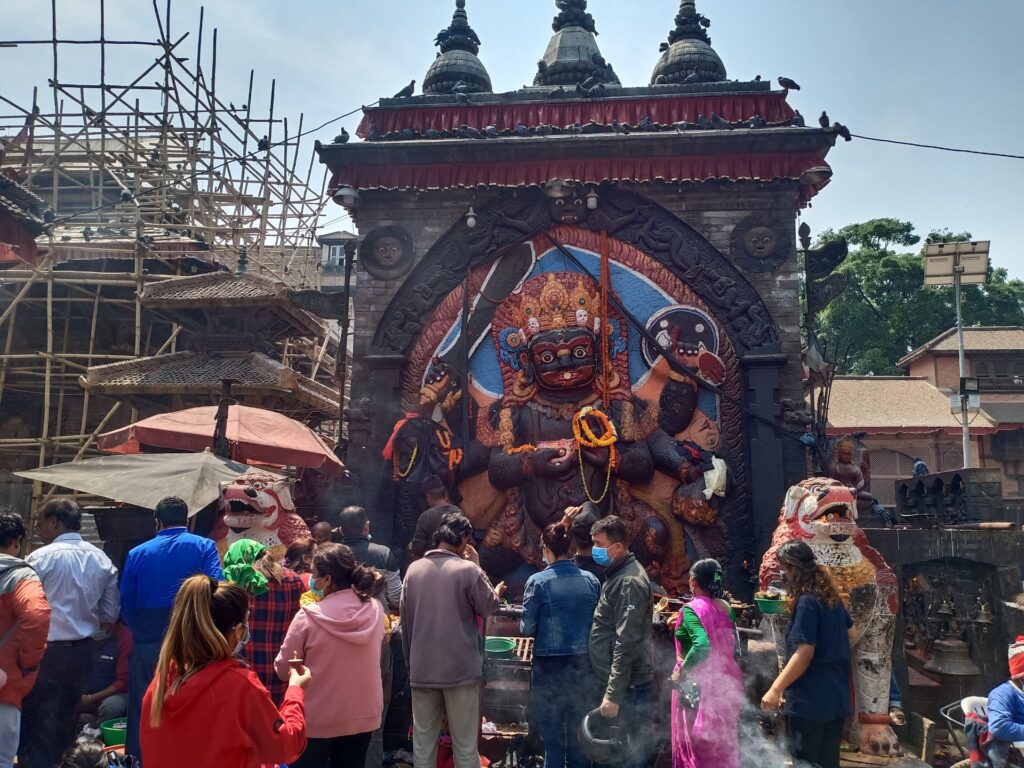
- 6 Nights 7 Days Nepal from Raxaul
- Kathmandu, Pokhra, Manakamna, Chitwan & Birganj
Divine Muktinath Yatra
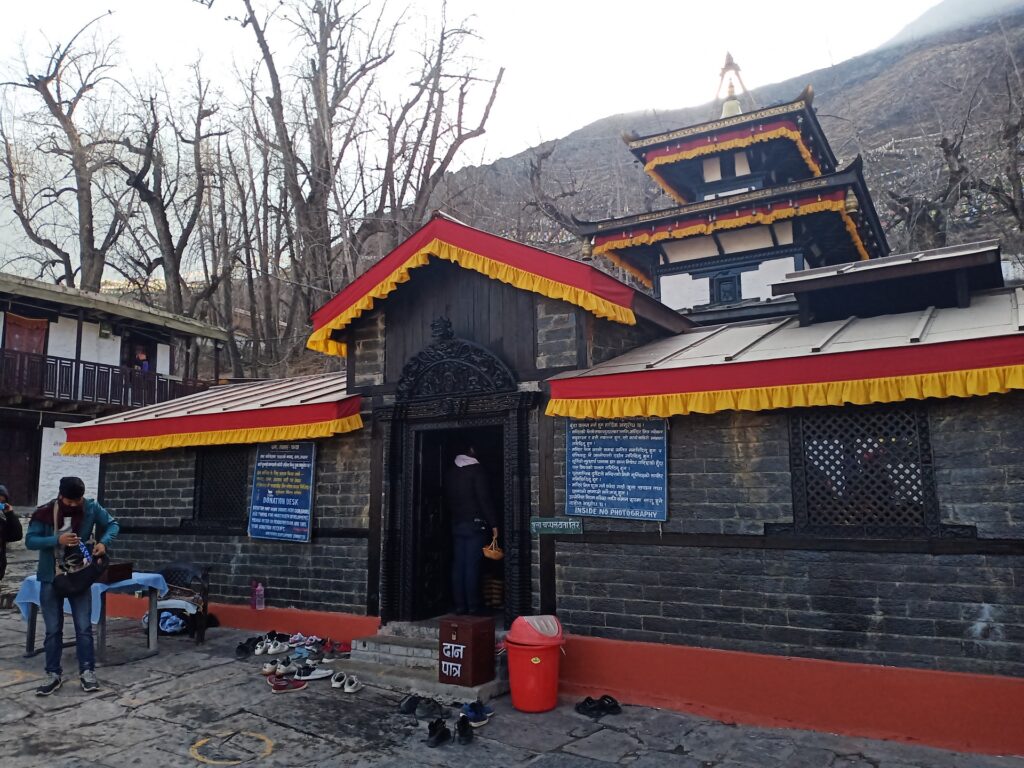
- 7 Nights 8 Days tour from Raxaul
- Kathmandu, Pokhra, Jumson & Muktinath
How to Visit Nepal from India
Mercury is the oldest Nepal tour operators in Kolkata. Nepal tour packages are operated in various ways from India. Trains run from Howrah Railway Station to Raxaul Railway Station and therefor you can easily opt Nepal tour packages from Kolkata by train.
Nepal tour is a package by car from Raxaul is available, Nepal package from Gorakhpur railway station is also available.
Mercury tour operators conduct Nepal tours from Kolkata, Nepal tours from Siliguri, Nepal tours from Raxaul, Nepal tours from Gorakhpur and Nepal Tour from Kakarvita for the people of Kolkata, West Bengal.
Raxaul is the closest station to the Nepal border, in India. From Kolkata, trains like Mithila Express (13021) andHwhRxl Express (13043) take a little over 16 hours to get to Raxaul. However, from other major cities, like Delhi, Mumbai, Chennai, and Bangalore, it is rather convenient and cheap to take a flight directly to Kathmandu. Mercury Tour Operator provides flight assistance to Nepal. For a Nepal tour plan from Kolkata by train, contact us at +91-8902495917. 8910339427
Nepal Tour Itineries and Plans
Nepal Tour Packages 7 Nights 8 Days from Raxaul
Nepal Tour from Raxaul station.
Chitwan forest
Kathmandu
Pashupatinath
Swambhunath
Boudhyanath stupa
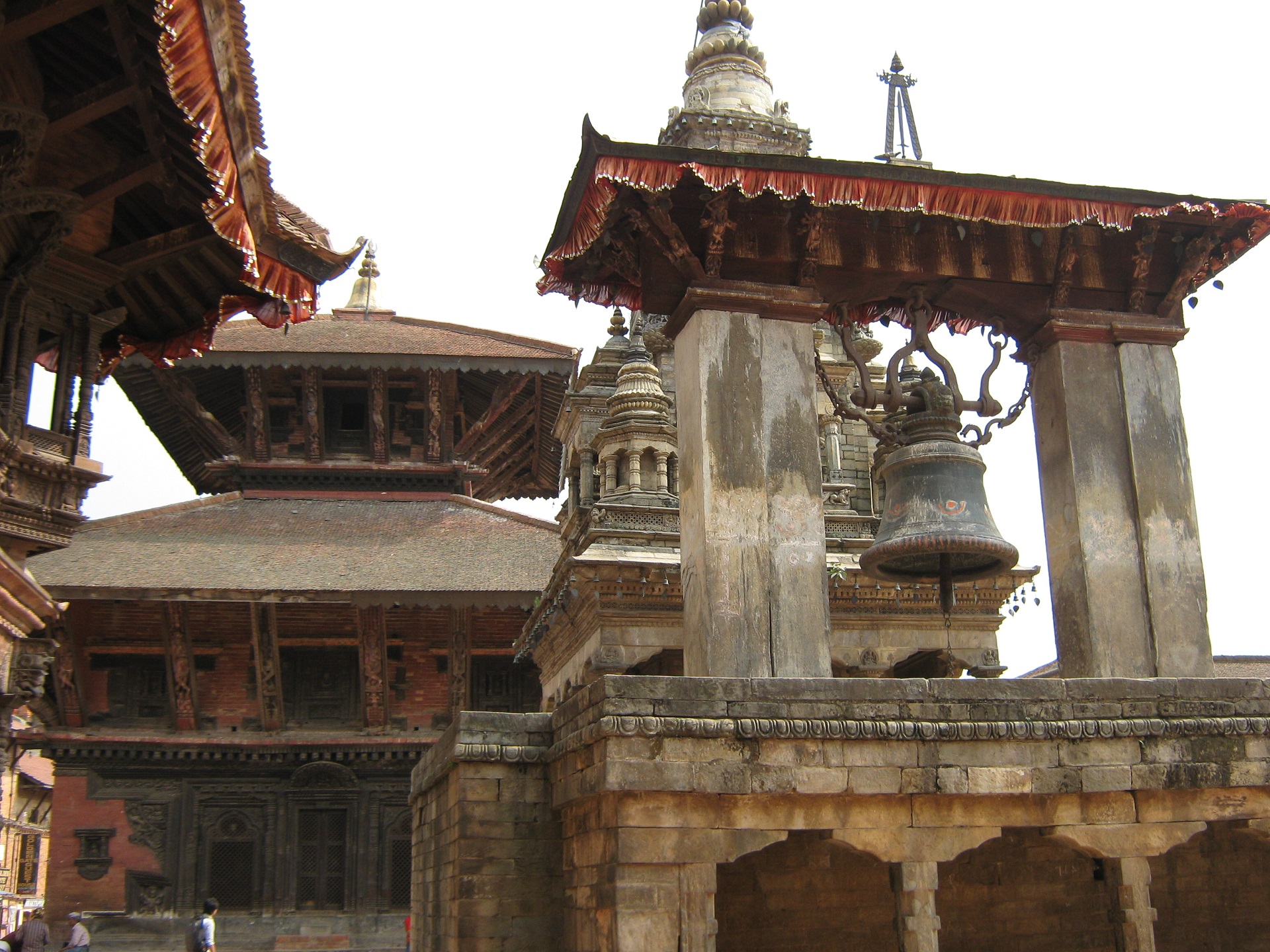
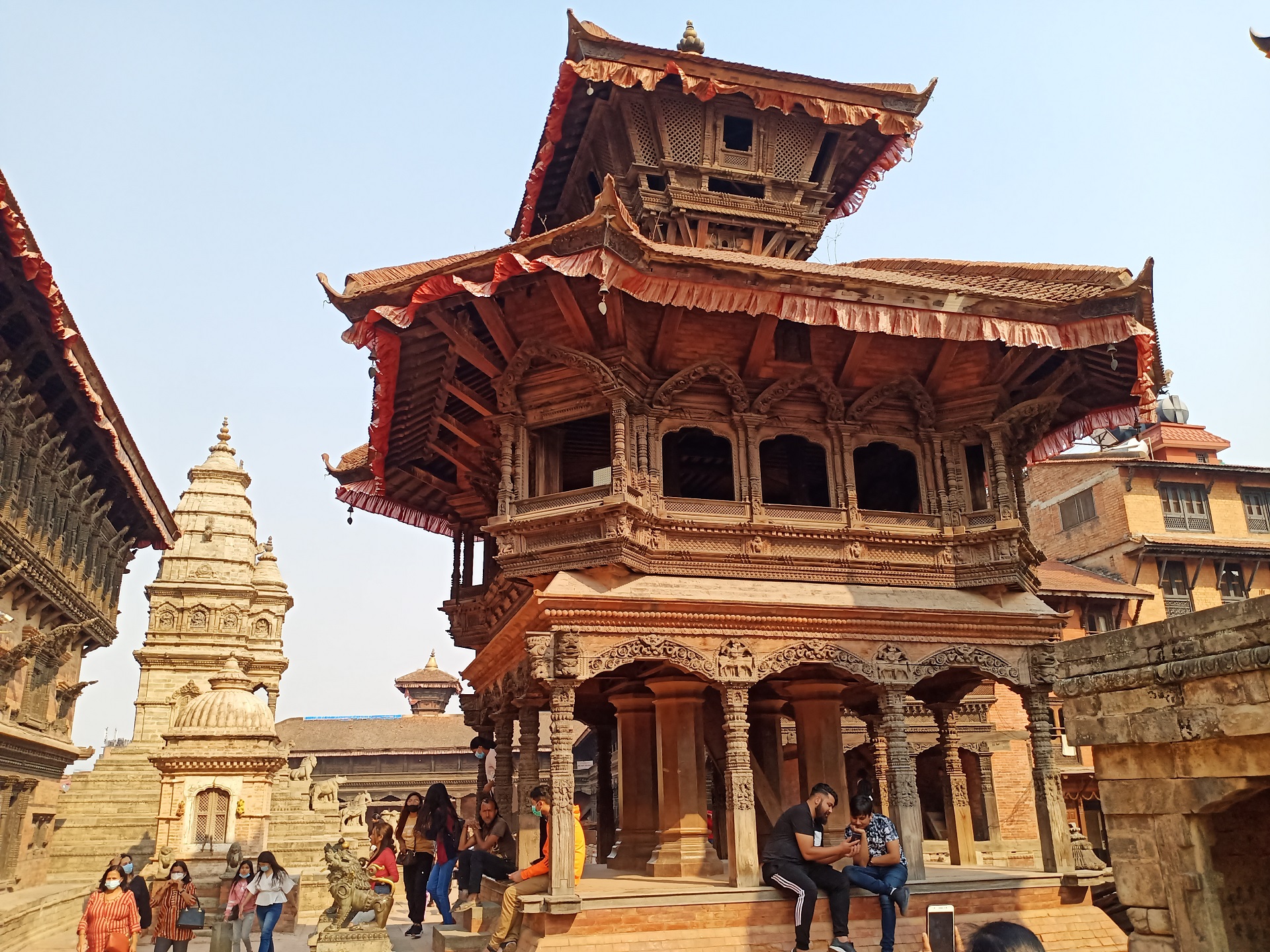
Bhaktapur Durbar squre
Manakmna Temple
Pokhra
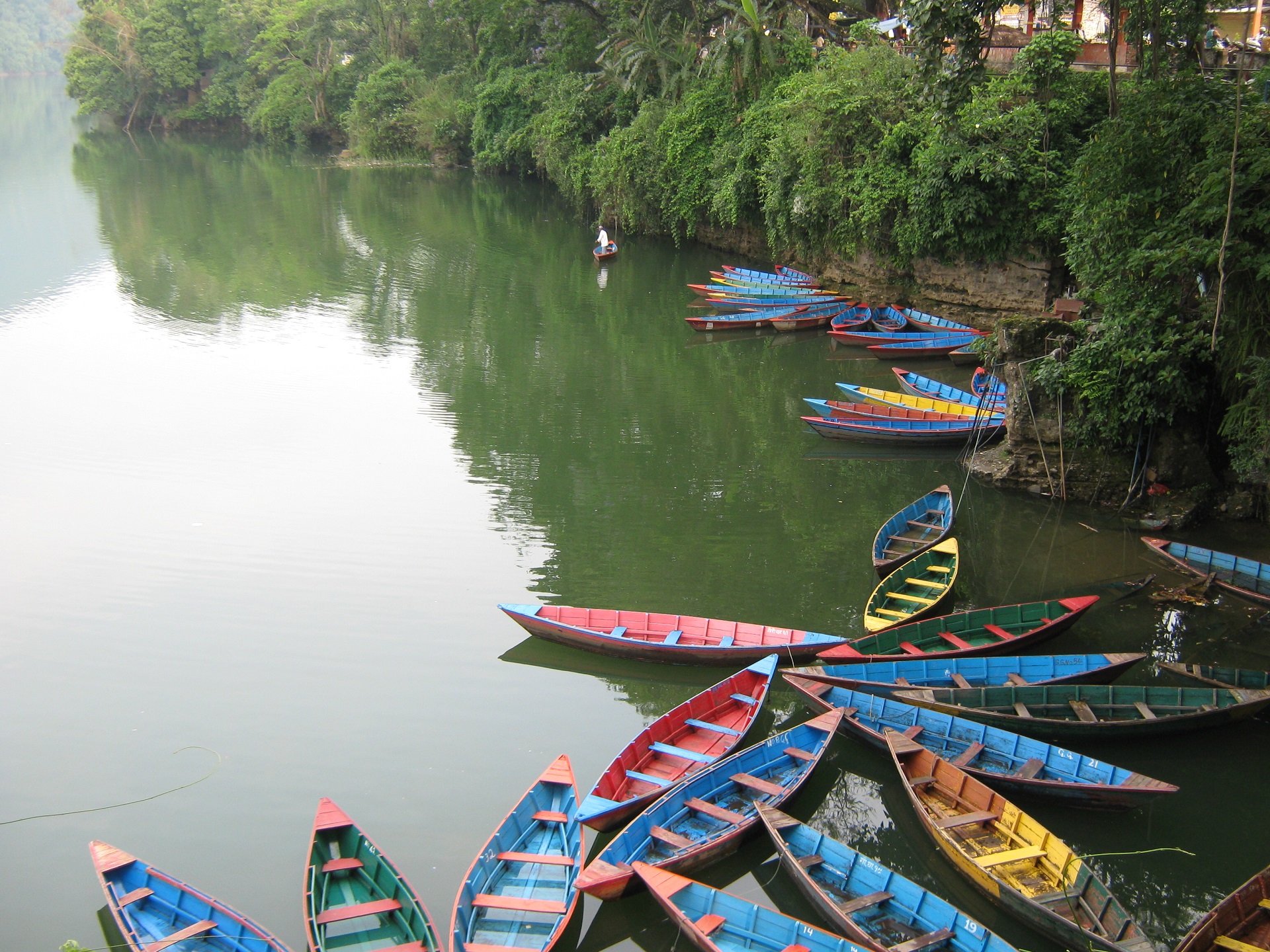
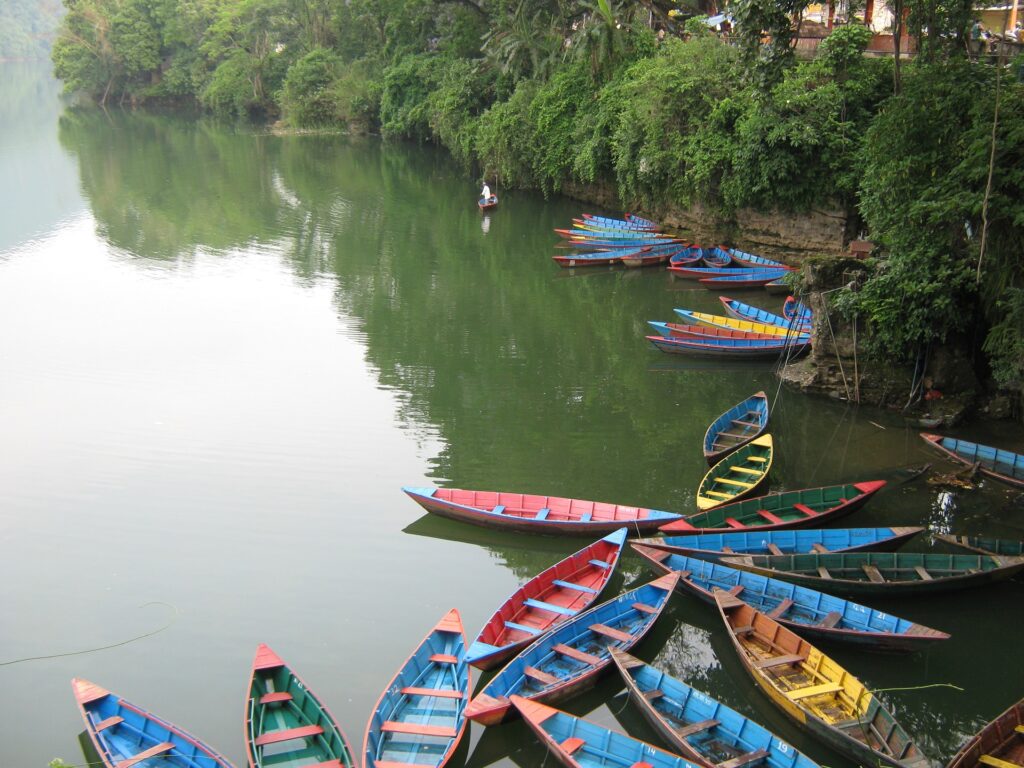
Fewa lake
Brindabasini temple
DAY 1: Raxaul station to Chitwan National Park transfer(3H 50 Min/138 km). Overnight stay at Chitwan Hotel/ resort.
During your Nepal Tour Package we will pick you from Raxaul station and transfer to Chitwan National park. Overnight stay at Chitwan Forest hotel/ resort.
DAY 2: Chitwan National Park Safari / Chitwan to Kathmandu Transfer(5 H 30 Min/180 km). Overnight at Kathmandu Hotel.
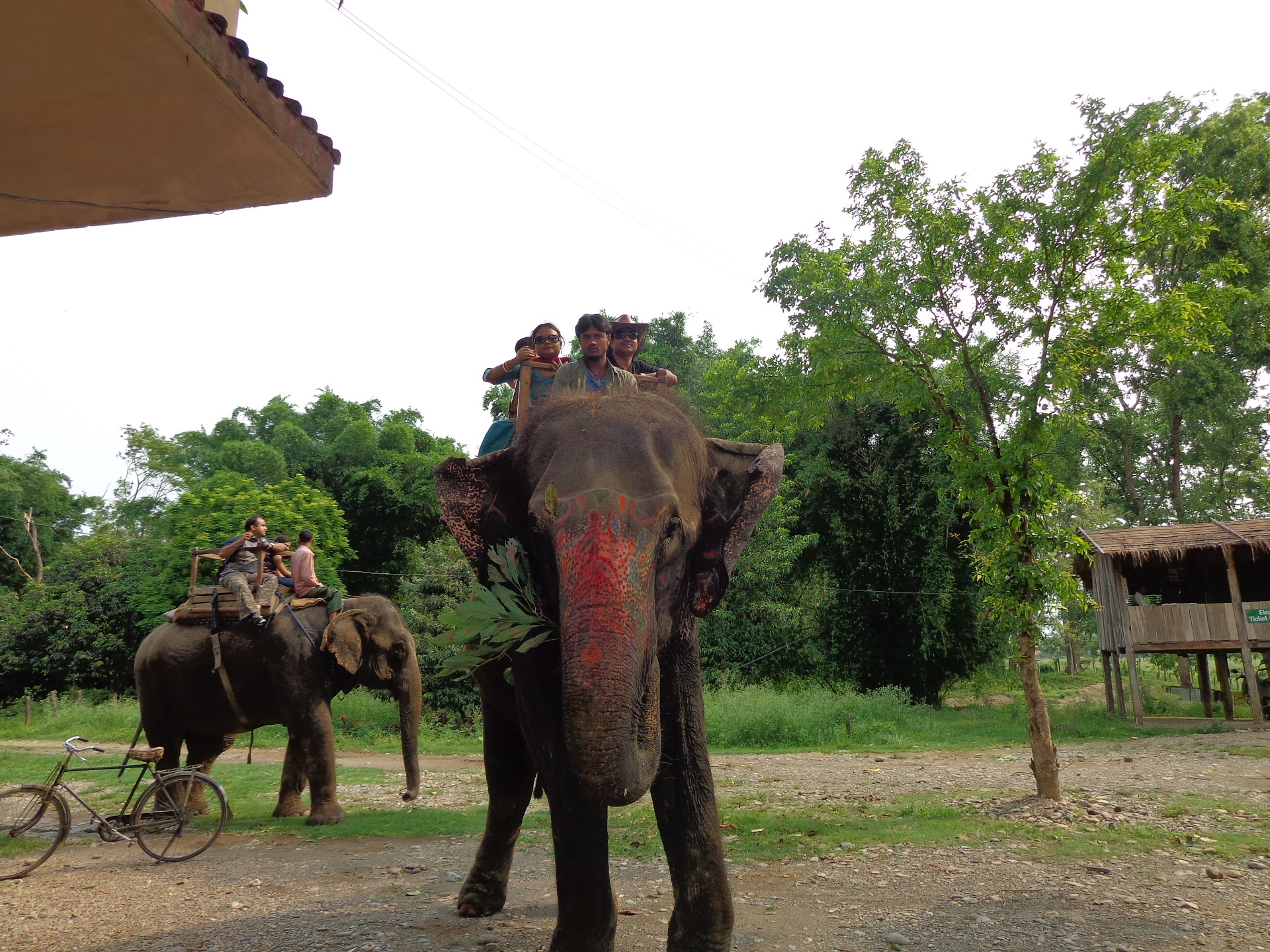
Morning you can opt for optional Chitwan jungleJeep safari or Elephant ride at Chitwan National Park and later transfer to Kathmandu. Overnight stay at Kathmandu Hotel.
DAY 3: Kathmandu Tour Package . Night stay at Kathmandu hotel.
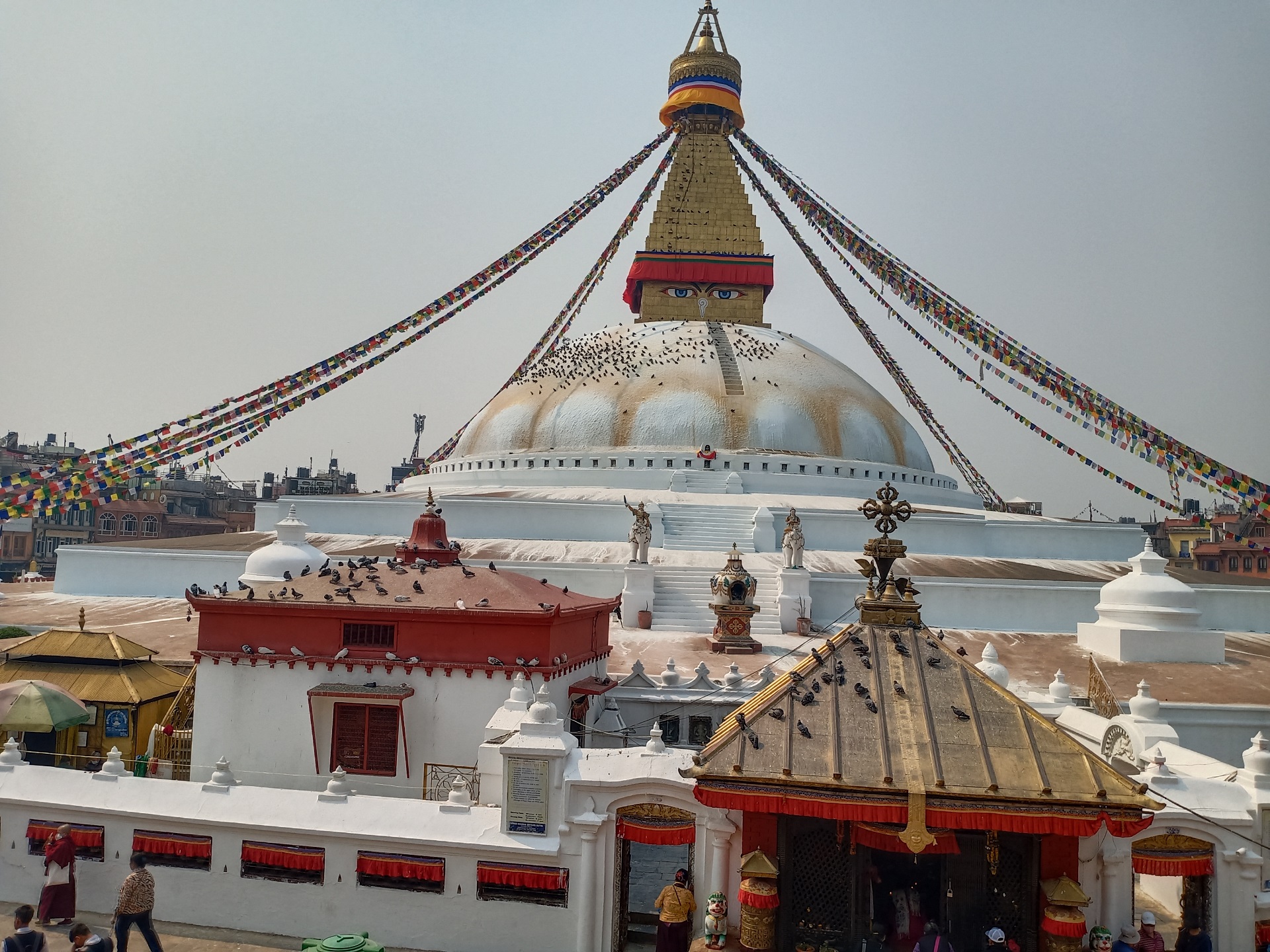
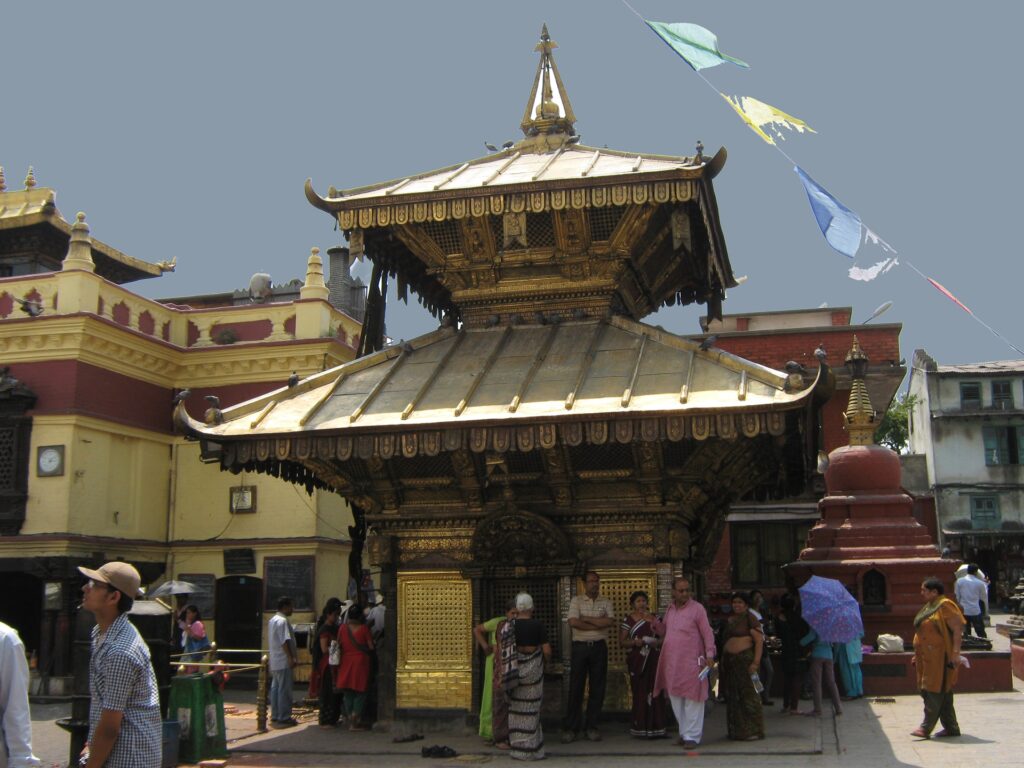
After breakfast enjoy Kathmandu local sightseeing with Pashupatinath temple , Swayambhunath temple, Boudhyanath stupa. Overnight stay at Kathmandu hotel.
DAY 4: Kathmandu to Nagarkot tour / Kathmandu to Bhaktapur sightseeing. Overnight stay at Kathmandu hotel.
Full day Kathmandu to Nagarkot visit with Bhaktapur(40 min/16 km) durbars square sightseeing and back to Kathmandu. Overnight stay at Kathmandu hotel.
DAY 5: Kathmandu to Manakamna temple visit/Kathmandu to Pokhra transfer(5 H 45 min/210 km). Overnight stay at Pokhra hotel.
Check out Kathmandu hotel and transfer to Pokhra via Manakamna temple visit. Later proceed to Pokhra and enjoy the evening by the lakeside visit. Overnight stay at Pokhra.
DAY 6: Nepal tourist places in Pokhra . Overnight stay at Pokhra hotel.
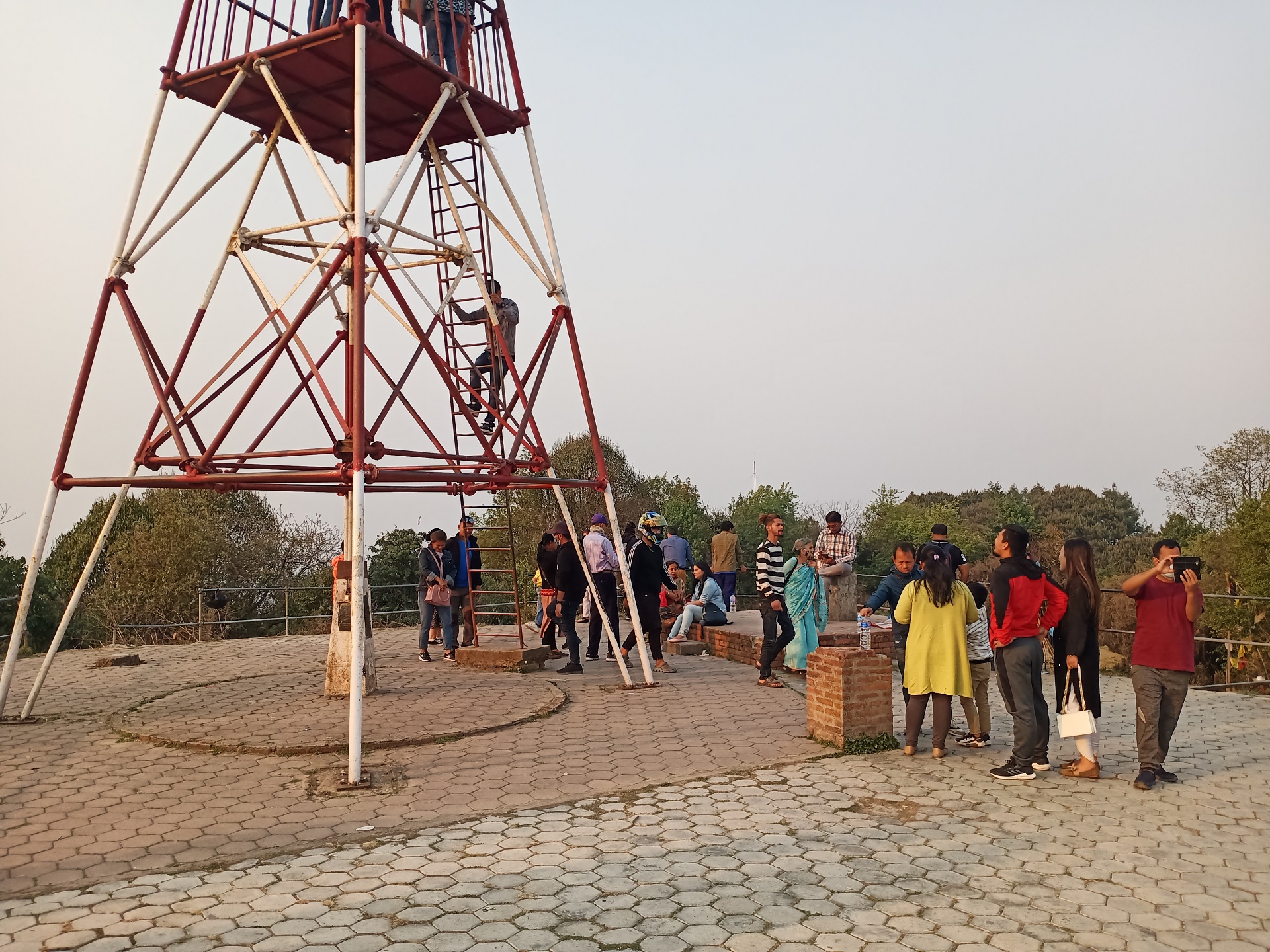
Early Morning start optional Pokhra to Sarankot tour (by own cost) . After breakfast visit local sightseeing with Brindabasini temple, Mahendra cave, Devid’s falls, Sweti river. After lunch visit Fewa Lake. Overnight at Pokhra.
DAY 7: Pokhra hotel to Raxaul(6 H 30 min/261km) transfer by road. Overnight stay at Raxaul hotel
Check out Pokhra and transfer to Raxaul and overnight stay.
DAY 8: Raxaul to Howrah by train (13022/ Mithila Express).
Train from raxaul at 10 am (Mithila express / 13022)
Tour cost Depends on the following subject
Hotel Category
Type of Car
Number of tourists
Season or off season
For any Nepal tour cost please call 8902495917, 8910339427 Mercury Tour Operator.
Inclusions
- Hotel accommodation
- Double / Triple sharing room
- Breakfast at Hotel
- Transfer & sightseeing
Exclusions
- Train / Air tickets / Bus tickets
- Personal Expensess
- Entry fees, Inner line permit
- Any Safari, ride, Boating, Ropeway,Mountain flight charges
- Anything out of inclusions is chargeable and payable on spot
- GST 5% applicable on total cost
Nepal Tour Package 6 Nights 7 Days from Raxaul station
Nepal Tour from Raxaul station.
Kathmandu
Pashupatinath
Swambhunath
Boudhanath stupa
Bhaktapur Durbar squre
Manakmna Temple
Pokhra
Fewa lake
Brindabasini temple
DAY 1: Raxaul Station to Kathmandu Transfer(7 Hrs/165 km). Overnight at Kathmandu Hotel.
After arrival at Raxaul station drive to Kathmandu (7 hrs). Overnight stay at Kathmandu Hotel.
DAY 2: Kathmandu Tour Package. Night stay at Kathmandu hotel.
After breakfast enjoys Kathmandu’s local sightseeing with Pashupatinath temple, Swayambhunath temple, and Boudhanath stupa. Overnight stay at Kathmandu hotel.
DAY 3: Kathmandu to Nagarkot tour / Kathmandu to Bhaktapur sightseeing. Overnight stay at Kathmandu hotel.
Full-day Kathmandu to Nagarkot visit with Bhaktapur(40 min/16 km) durbars square sightseeing and back to Kathmandu. Overnight stay at Kathmandu hotel.
DAY 4: Kathmandu to Manakamna temple visit/Kathmandu to Pokhra transfer(5 H 45 min/210 km). Overnight stay at Pokhra hotel.
Check out the Kathmandu hotel and transfer to Pokhra via Manakamna temple visit. Later proceed to Pokhra and enjoy the evening by the lakeside visit. Overnight stay at Pokhra.
DAY 5: Nepal tourist places in Pokhra . Overnight stay at Pokhra hotel.
Early Morning starts optional Pokhra to Sarankot tour (by own cost). After breakfast visit, local sightseeing with Brindabasini temple, Mahendra cave, Devid’s falls, Seti river. After lunch visit Fewa Lake. Overnight at Pokhra.
DAY 6: Pokhra hotel to Raxaul(6 H 30 min/261km) transfer by road. Overnight stay at Raxaul hotel
Check out Pokhra and transfer to Raxaul and overnight stay.
DAY 7: Raxaul to Howrah by train (13022/ Mithila Express).
Train from raxaul at 10 am (Mithila express / 13022)
Inclusions
- Hotel accommodation
- Double / Triple sharing room
- Breakfast at Hotel
- Transfer & sightseeing
Exclusions
- Train / Air tickets / Bus tickets
- Personal Expensess
- Entry fees, Inner line permit
- Any Safari, ride, Boating, Ropeway,Mountain flight charges
- Anything out of inclusions is chargeable and payable on spot
- GST 5% applicable on total cost
Tour cost Depends on the following subject
Hotel Category
Type of Car
Number of tourists
Season or off season
For any Nepal tour cost please call 8902495917, 8910339427 Mercury Tour Operator.
Muktinath Tour Package from Raxaul 7 Nights 8 Days
Muktinath Tour by Flight / By Car from Pokhra
1 Night stay at Jomson with Veg Breakfast & Dinner
Jomson to Muktinath Jeep
Kathmandu City & Temple tour
Monokamna temple tour
Pokhra tour
Day 01:
Pick up from Raxaul Railway Station and proceed by road to Pokhara (approx. distance/time as per route). Enjoy the scenic drive through the hills and river valleys. On arrival, check in to the hotel. Overnight stay in Pokhara.
Day 02:
Early morning excursion to Sarangkot to witness a breathtaking sunrise over the Himalayan range. After breakfast, proceed for local sightseeing in Pokhara, covering Fewa Lake, Bindabasini Temple, Devi’s Fall, Seti River Gorge, Mahendra Cave, and Gupteshwar Mahadev Cave. In the evening, enjoy boating on Fewa Lake (at own cost) and visit Tal Barahi Temple located in the middle of the lake. Overnight stay in Pokhara.
Day 03:
Early morning check-out from Pokhara and transfer to Jomsom by road (approx. distance/time). En route, cross Beni, Marpha Village, and the Kali Gandaki River, enjoying spectacular mountain views. Alternatively, you may opt for a direct flight from Pokhara to Jomsom (subject to weather and availability). The rest of the day is free for leisure and acclimatization. Overnight stay in Jomsom.
Day 04:
After breakfast, proceed for a spiritual journey to Muktinath by road. Visit the sacred Muktinath Temple, 108 Holy Dhara, and enjoy panoramic views of the Himalayas. After darshan, return to Jomsom. Later, transfer back to Pokhara either by flight or by road (as per option chosen). On arrival, check in to the hotel. Overnight stay in Pokhara.
Day 05:
After breakfast, depart for Kathmandu. En route, visit the famous Manakamana Temple by ropeway (ticket at own cost). After darshan, continue the journey to Kathmandu. Reach by evening and check in to the hotel. Overnight stay in Kathmandu.
Day 06:
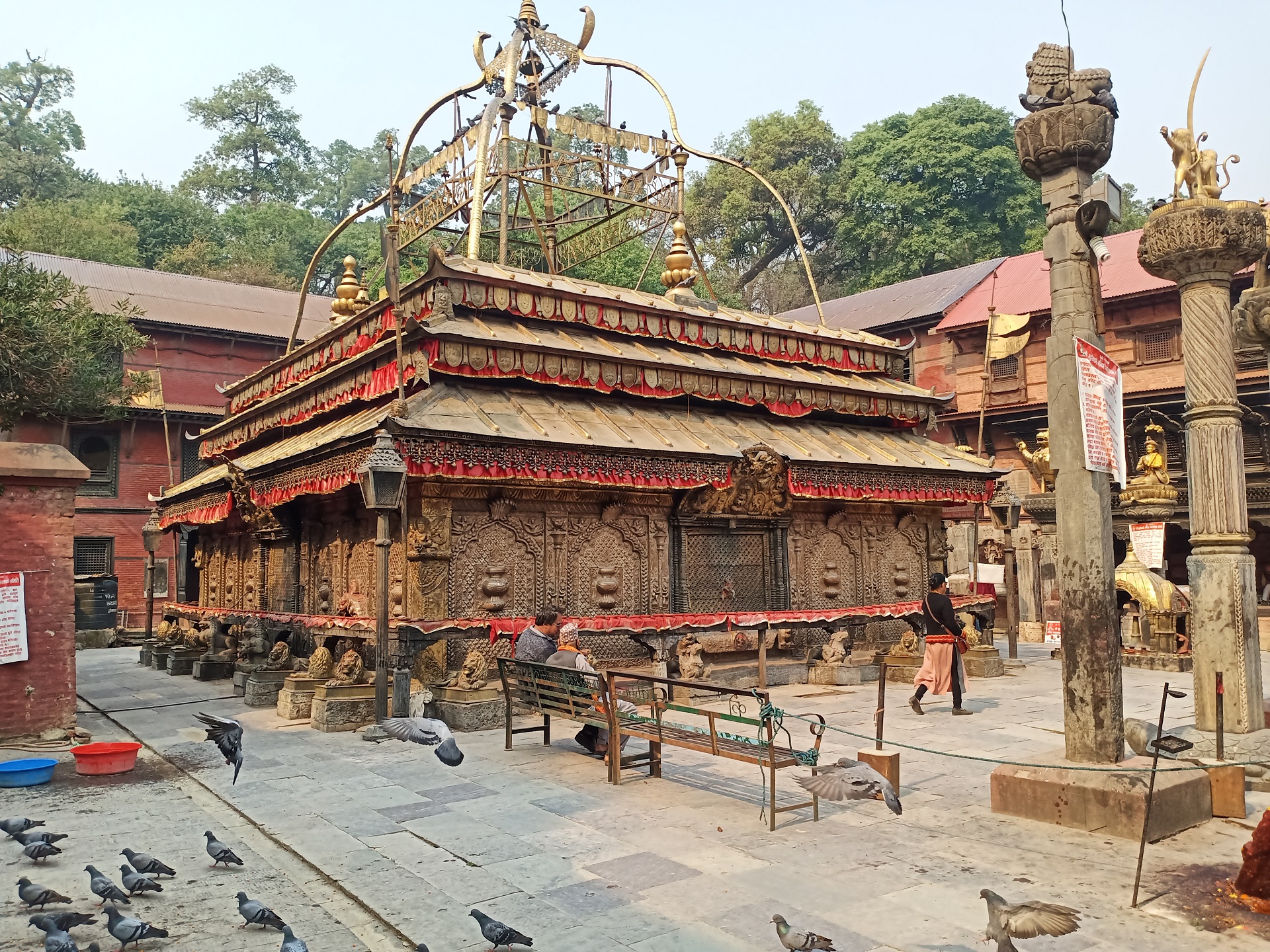
After breakfast, proceed for a full-day Kathmandu sightseeing tour, visiting Pashupatinath Temple, Guhyeshwari Shakti Peeth, Boudhanath Stupa, and Swayambhunath (Monkey Temple). Evening free for leisure, shopping, or exploring local markets. Overnight stay in Kathmandu.
Day 07:
Early morning after breakfast, check out from the hotel and transfer to Raxaul/Birgunj by road (approx. distance/time). Overnight stay at Raxaul/Birgunj.
Day 08:
Board the train from Raxaul for your return journey to Kolkata, marking the end of a memorable Nepal tour.
Inclusions
- Hotel accommodation
- Double / Triple sharing room
- Breakfast at Hotel
- Transfer & sightseeing
Exclusions
- Train / Air tickets / Bus tickets
- Personal Expensess
- Entry fees, Inner line permit
- Any Safari, ride, Boating, Ropeway,Mountain flight charges
- Anything out of inclusions is chargeable and payable on spot
- GST 5% applicable on total cost
For Tour Cost Please call 8902495917, 8910339427
A minimum of 6 heads is required for the Muktinath tour.
Nepal Tour Package 4 Nights 5 Days from Kathmandu Airport
Nepal Tour from Kathmandu airport
Kathmandu
Pashupatinath
Swambhunath
Boudhanath stupa
Bhaktapur Durbar squre
Manakmna Temple
Pokhra
Fewa lake
Brindabasini temple
Day 01: Kathmandu Airport to hotel transfer /Covering Kathmandu tourist places .
Pick-up from Kathmandu airport by our representative then Transfer to Hotel. Later we will start Kathmandu orientation followed by half day sightseeing of Pashupatinath Temple and Bouddha Stupa overnight at KathmanduHotel.
Day 02: Kathmandu to Pokhra transfer/ On the way visit Manakamna Temple.
After Breakfast check out Kathmandu hotel and drive to Pokhara . On the way visit at Manakamana Temple with Cable car (Ticket extra) . Later drive to Pokhara overnight stay at the Hotel.
Day 03: Pokhra local sightseeing. Overnight stay at Pokhra hotel.
After breakfast enjoy Pokhara half day sightseeing comprising of Davis fall, Gupteshwer cave, Tal Barahi temple. Optional boating at Fewa lake, Vindabasini Temple. overnight stay at Pokhra Hotel.
Day 04: Pokhra to Chitwan National Park transfer. Visit Tharu Village & Overnight at Chitwan hotel/resort.
After breakfast check-out Pokhra and drive to Chitwan Sauraha. In the evening optional cultural Tharu dance show(on spot extra payment). Overnight stay at Chitwan hotel / resort.
DAY 5: Chitwan National Park Safari / Chitwan to Kathmandu Transfer(5 H 30 Min/180 km). Overnight at Kathmandu Hotel.
Morning you can opt for optional Chitwan jungleJeep safari or Elephant ride at Chitwan National Park and later transfer to Kathmandu. Overnight stay at Kathmandu Hotel.
DAY 6: Kathmandu local and Bhaktapur sightseeing. Overnight stay at Kathmandu hotel.
After breakfast visit Swayambhunath temple(Monkey temple) and later visit Bhaktapur(40 min/16 km) durbars square sightseeing and back to Kathmandu. Overnight stay at Kathmandu hotel.
Day 07: Kathmandu hotel to Kathmandu airport transfer.
After Breakfast we will drop you to Kathmandu Airport for onward journey.
Inclusions
- Hotel accommodation
- Double / Triple sharing room
- Breakfast at Hotel
- Transfer & sightseeing
Exclusions
- Train / Air tickets / Bus tickets
- Personal Expensess
- Entry fees, Inner line permit
- Any Safari, ride, Boating, Ropeway,Mountain flight charges
- Anything out of inclusions is chargeable and payable on spot
- GST 5% applicable on total cost
Tour cost Depends on the following subject
Hotel Category
Type of Car
Number of tourists
Season or off season
For any Nepal tour cost please call 8902495917, 8910339427 Mercury Tour Operator.
Nepal Tour Plan from India
Planning a Nepal tour from India opens up incredible opportunities to explore the Himalayas, ancient temples, and vibrant culture just next door. This comprehensive guide is perfect for Indian travelers seeking adventure, spiritual experiences, or cultural immersion in Nepal’s stunning landscapes and rich heritage.
Nepal’s proximity to India makes it an ideal destination for both first-time international travelers and seasoned explorers. You can easily cross the border by road, take direct flights from major Indian cities, or combine multiple transportation options based on your budget and time.
We’ll walk you through the essential visa requirements and documents you need for hassle-free entry into Nepal. You’ll also discover the best travel routes from different Indian cities and learn about optimal timing for your trip based on weather and tourist seasons. Our detailed day-wise itineraries and destination recommendations will help you make the most of your Nepal adventure, while cultural etiquette tips ensure respectful interactions with locals.
Must-Visit Destinations and Top Attractions in Nepal
Kathmandu Valley’s UNESCO World Heritage Sites exploration
Kathmandu Valley houses seven incredible UNESCO World Heritage Sites that tell the story of Nepal’s rich cultural tapestry. Durbar Square in Kathmandu stands as the crown jewel, where ancient palaces and temples create a living museum of Newari architecture. The intricately carved wooden windows and pagoda-style structures transport visitors back to medieval times.
Swayambhunath, famously known as the Monkey Temple, perches atop a hill offering panoramic views of the entire valley. The ancient stupa’s all-seeing eyes of Buddha watch over the city while playful monkeys add character to this sacred site. Pashupatinath Temple remains Nepal’s most sacred Hindu site, where pilgrims gather along the Bagmati River for spiritual cleansing and cremation ceremonies.
Boudhanath Stupa creates a mesmerizing experience with Tibetan Buddhist culture thriving in its surroundings. Prayer wheels spin constantly as devotees walk clockwise around this massive mandala. The nearby monasteries offer glimpse into Buddhist monastery life and meditation practices.
Bhaktapur Durbar Square preserves medieval charm better than anywhere else in the valley. Pottery Square showcases traditional craftsmanship, while the 55-Window Palace demonstrates architectural mastery. Changu Narayan Temple, perched on a hilltop, holds the distinction of being Nepal’s oldest Hindu temple with stone inscriptions dating back to the 5th century.
Pokhara’s lakes, caves, and adventure activity opportunities
Pokhara serves as Nepal’s adventure capital, where natural beauty meets adrenaline-pumping activities. Phewa Lake mirrors the majestic Annapurna range, creating postcard-perfect reflections that captivate every visitor. Boating across the serene waters leads to Tal Barahi Temple, situated on a small island in the lake’s center.
The city offers world-class paragliding experiences where you soar above the lake with the Himalayas as your backdrop. Professional instructors guide tandem flights, making this adventure accessible even for beginners. The thermals around Sarangkot provide perfect conditions for extended flights with breathtaking mountain views.
Davis Falls creates a spectacular sight where the Pardi Khola stream vanishes into an underground tunnel. The waterfall’s unique formation earned its name from a Swiss tourist who tragically fell into its depths. Nearby Gupteshwor Cave extends deep underground, housing a sacred Shiva lingam and offering mysterious passages to explore.
Adventure enthusiasts can try white-water rafting on the Seti River, mountain biking through rural villages, or zip-lining across valleys. The International Mountain Museum educates visitors about Himalayan culture, mountaineering history, and the flora and fauna of high-altitude regions. Sarangkot provides stunning sunrise and sunset views over the Annapurna range, making early morning visits absolutely worthwhile.
Chitwan National Park wildlife safari experiences
one-horned rhinoceros, and over 500 bird species thrive in their natural habitat. Jeep safaris penetrate deep into the grasslands and forests, offering the best chances to spot the elusive royal Bengal tiger. Early morning and late afternoon safaris provide optimal wildlife viewing opportunities when animals are most active.
Elephant-back safaris offer a unique perspective, allowing closer approaches to wildlife as elephants are perceived as non-threatening by other animals. These gentle giants navigate through tall grass areas where jeeps cannot venture, increasing chances of rhinoceros sightings. The park houses approximately 600 one-horned rhinoceros, making it one of the most successful conservation stories.
Canoe trips along the Rapti River reveal different wildlife perspectives, including crocodiles basking on riverbanks, colorful kingfishers diving for fish, and various water birds in their natural environment. The peaceful boat journey often surprises visitors with unexpected wildlife encounters.
Tharu cultural programs showcase indigenous traditions through traditional dances, music, and storytelling. The Tharu people have coexisted with wildlife for generations, developing unique cultural practices adapted to forest living. Walking safaris with experienced naturalists provide educational experiences about jungle ecology, animal tracking, and bird identification. Night walks reveal nocturnal creatures and create spine-tingling adventures in complete darkness.
Everest Base Camp and Annapurna trekking highlights
The Everest Base Camp trek represents the ultimate Himalayan adventure, taking trekkers through Sherpa villages, ancient monasteries, and gradually ascending to 5,364 meters. The journey begins with a thrilling flight to Lukla airport, often called the world’s most dangerous airport due to its short runway and mountain location.
Namche Bazaar serves as the gateway to Everest region, where trekkers acclimatize while exploring the bustling Sherpa market town. Tengboche Monastery provides spiritual experiences with morning prayers accompanied by Himalayan sunrise views. The trek passes through rhododendron forests, suspension bridges over roaring rivers, and traditional tea houses offering warm hospitality.
Annapurna Circuit presents diverse landscapes from subtropical valleys to high-altitude deserts, crossing the challenging Thorong La Pass at 5,416 meters. The trek showcases incredible cultural diversity, passing through Gurung, Magar, and Thakali villages, each with distinct traditions and architecture.
Annapurna Base Camp trek, shorter than the circuit, leads directly to the base of Annapurna I, creating an amphitheater of towering peaks. The trail winds through terraced fields, rhododendron forests, and traditional villages before reaching the sanctuary.
Both treks require proper acclimatization, physical fitness, and experienced guides. Tea house accommodations provide comfortable lodging and traditional Dal Bhat meals. The best trekking seasons are autumn (October-November) and spring (March-May) when weather conditions remain stable and mountain views stay clear.
Lumbini Buddhist pilgrimage site significance
Lumbini holds profound significance as Buddha’s birthplace, making it one of Buddhism’s four most sacred pilgrimage sites. The sacred garden houses the exact spot where Queen Mayadevi gave birth to Prince Siddhartha Gautama in 563 BC, marked by an ancient stone pillar erected by Emperor Ashoka in 249 BC.
The Maya Devi Temple protects the sacred marker stone and ancient foundations of earlier structures. Archaeological excavations continue revealing layers of religious structures dating back over 2,000 years, providing tangible connections to Buddhism’s origins. The eternal flame burns continuously, symbolizing the light of Buddha’s teachings spreading across the world.
Monasteries from different Buddhist countries create an international spiritual community around the sacred site. Thai, Myanmar, Sri Lankan, Japanese, and Tibetan monasteries each showcase distinct architectural styles and Buddhist practices. The World Peace Pagoda, built by Japanese Buddhists, offers meditation spaces and panoramic views of the surrounding countryside.
The Lumbini Museum houses archaeological findings, ancient manuscripts, and Buddhist art from various periods. The research institute studies Buddhist philosophy and organizes international conferences on Buddhism and peace. Pilgrims from around the world visit throughout the year, but Buddha Jayanti (Buddha’s birthday celebration) draws massive crowds in May.
The peaceful atmosphere, meditation gardens, and spiritual energy make Lumbini perfect for reflection and spiritual growth. Local communities maintain traditional Buddhist practices, offering visitors authentic experiences of living Buddhist culture beyond the historical monuments.
Muktinath Temple Nepal: A Sacred Himalayan Pilgrimage of Faith and Salvation
Muktinath is one of the most sacred pilgrimage destinations in Nepal, revered by both Hindus and Buddhists for its deep spiritual significance and breathtaking natural setting. Located at an altitude of about 3,710 meters in the Mustang region, Muktinath lies at the foothills of the Thorong La mountain pass and offers stunning views of the snow-clad Himalayan ranges. For Hindu devotees, Muktinath is believed to be a place of salvation, where worship of Lord Vishnu brings liberation from the cycle of birth and rebirth. The temple is famous for the 108 holy water spouts (Mukti Dhara), where pilgrims take a sacred bath, and the eternal flame of Jwala Mai Temple, where fire naturally burns beside water.
For Buddhists, Muktinath is known as Chumig Gyatsa, meaning “Hundred Waters,” and is regarded as an important site of Dakinis. Beyond its religious importance, Muktinath captivates visitors with its peaceful atmosphere, clear mountain air, and dramatic landscapes. Surrounded by barren hills and majestic peaks, the journey to Muktinath itself is a soulful experience, making it a place of devotion, reflection, and natural beauty.
Day wise Special Nepal Tour Itineraries
Nepal Tour plan from Kathmandu
Starting your Nepal adventure from Kathmandu gives you the perfect base to explore the country’s rich cultural heritage and natural wonders. The capital city serves as an excellent hub for both short getaways and extended explorations.
Day 1: Kathmandu Valley Exploration
Begin with the iconic Swayambhunath Stupa (Monkey Temple) for sunrise views over the valley. Spend your afternoon wandering through Durbar Square, where ancient palaces and temples showcase Nepal’s architectural brilliance. End your day in the bustling streets of Thamel, perfect for shopping and trying local cuisine.
Day 2: Bhaktapur and Nagarkot
Take an early morning drive to Bhaktapur, the medieval city that feels frozen in time. Explore the 55-Window Palace and enjoy traditional Newari architecture. Continue to Nagarkot in the evening to catch spectacular sunset views of the Himalayas, including Mount Everest on clear days.
Day 3-4: Pokhara Adventure
Fly or drive to Pokhara, Nepal’s adventure capital. Enjoy boating on Phewa Lake with reflections of the Annapurna range dancing on the water. Visit Davis Falls and explore the mysterious Gupteshwor Cave. Adventure seekers can try paragliding for bird’s-eye views of the stunning landscape.
Day 5: Chitwan National Park
Head to Chitwan for wildlife experiences. Take elephant-back safaris to spot one-horned rhinos, Bengal tigers, and hundreds of bird species. Experience Tharu culture through traditional dance performances and village walks.
Raxaul offers a convenient land entry point for Indian travelers, making it an economical option for those preferring overland travel to Nepal.
Day 1: Border Crossing and Kathmandu Arrival
Cross the Raxaul-Birgunj border early morning to avoid crowds. The journey to Kathmandu takes approximately 4-5 hours by tourist bus or private vehicle. Arrive in Kathmandu by afternoon and check into your hotel. Spend the evening exploring the vibrant Thamel area and adjusting to the new environment.
Day 2: Kathmandu Sightseeing
Start with Pashupatinath Temple, one of the most sacred Hindu temples dedicated to Lord Shiva. Watch the evening aarti ceremony along the Bagmati River. Visit Boudhanath Stupa, one of the largest Buddhist stupas in the world, where you can observe Tibetan Buddhist rituals and spin prayer wheels.
Day 3: Day Trip to Dhulikhel
Take a scenic drive to Dhulikhel, a charming hilltop town offering panoramic Himalayan views. The old town features traditional Newari architecture and peaceful walking trails. Return to Kathmandu in the evening with stops at local markets for authentic handicrafts.
Day 4-5: Pokhara Extension
Travel to Pokhara for mountain adventures. Experience the serenity of Phewa Lake and visit the World Peace Pagoda. Take the cable car to Sarangkot for sunrise views over the Annapurna range. Adventure enthusiasts can opt for short treks to Australian Camp or Dhampus village.
Day 6: Return Journey
Head back to the border via the same route, allowing time for last-minute shopping in Kathmandu before departure. The overland journey back to Raxaul provides excellent opportunities to observe rural Nepali life and landscapes.
Best Travel Routes and Transportation Options from India
Direct flight connections from major Indian cities to Kathmandu
Flying to Kathmandu is the quickest and most convenient way to reach Nepal from India. Tribhuvan International Airport serves as Nepal’s main gateway, with regular flights from multiple Indian cities.
Delhi offers the most frequent connections, with airlines like IndiGo, SpiceJet, Air India, and Nepal Airlines operating daily flights. The journey takes approximately 1 hour 30 minutes, making it perfect for weekend getaways or extended trips.
Mumbai provides excellent connectivity through IndiGo and Air India, with flight times around 2 hours 15 minutes. Business travelers often prefer this route for its reliability and multiple daily options.
Kolkata sits closest to Nepal geographically, offering the shortest flight duration of just 1 hour 15 minutes. Buddha Air and IndiGo operate regular services, making this route popular among travelers from eastern India.
Bangalore connects to Kathmandu through IndiGo and Air India, with a flight time of approximately 2 hours 30 minutes. Tech professionals working in Bangalore’s IT sector frequently use this route.
Chennai offers direct flights via Air India and Nepal Airlines, taking around 2 hours 45 minutes. Southern Indian travelers find this connection particularly convenient.
Flight prices typically range from ₹8,000 to ₹25,000 depending on the season, booking advance, and airline choice. Peak season (October to December and March to May) sees higher fares, while monsoon months offer better deals.
Overland border crossings and road journey alternatives
Nepal shares an open border with India, allowing Indian nationals to cross without strict formalities. Several border crossings provide road access to different regions of Nepal.
Sunauli-Bhairahawa stands as the most popular crossing point. Located near Gorakhpur in Uttar Pradesh, this route provides direct access to Kathmandu via the Prithvi Highway. The 280-kilometer journey takes 6-8 hours depending on traffic and road conditions. Private taxis, shared jeeps, and tourist buses operate regularly on this route.
Raxaul-Birgunj offers another major crossing point from Bihar. This route connects to Kathmandu through the shorter but more congested Tribhuvan Highway, covering 135 kilometers in 4-6 hours. Heavy truck traffic can cause delays, especially during peak trading seasons.
Panitanki-Kakarbhitta serves travelers heading to eastern Nepal. Located near Siliguri in West Bengal, this crossing provides access to Dharan, Biratnagar, and eventually Kathmandu. The scenic route passes through the Terai plains and takes 8-10 hours to reach the capital.
Mahendranagar border crossing connects far-western Nepal with Uttarakhand. This route suits travelers exploring remote regions like Kailash Mansarovar or western Nepal’s national parks.
Road conditions vary significantly across these routes. Monsoon season (June to September) can cause landslides and delays, particularly on mountain roads. Carrying valid identification documents remains essential for border crossings.
Train and bus connectivity to Nepal border towns
Indian Railways provides extensive connectivity to Nepal border towns, offering budget-friendly alternatives to flying. Several train routes connect major Indian cities to border areas.
Gorakhpur serves as the primary railway hub for Nepal-bound travelers. The Gorakhpur-Kathmandu Express doesn’t actually reach Kathmandu but terminates at Gorakhpur, from where buses and taxis complete the journey to Sunauli border. Major trains include:
- Kushinagar Express from Delhi (12 hours)
- Sapt Kranti Express from Delhi (11 hours)
- Purvottar Sampark Kranti from Delhi (10 hours)
- Magadh Express from New Delhi (12 hours)
New Jalpaiguri (NJP) connects eastern India to the Kakarbhitta border. The station serves as a major junction for travelers heading to Darjeeling, Sikkim, and eastern Nepal. Key trains include:
- Darjeeling Mail from Kolkata (10 hours)
- Kanchankanya Express from Kolkata (10 hours)
- Shatabdi Express from New Delhi (14 hours)
Bus connectivity offers direct services to border towns. Government and private operators run regular services from Delhi, Kolkata, Lucknow, and Patna to Gorakhpur, Siliguri, and other border areas.
State transport corporations provide economical options with basic amenities, while private operators offer AC coaches, reclining seats, and better comfort levels. Night buses are popular for long-distance travel, allowing passengers to save on accommodation costs.
Booking advance tickets becomes crucial during festival seasons like Diwali, Holi, and Dashain when demand peaks significantly. Online booking platforms make reservations convenient for both trains and buses.
Optimal Timing and Duration for Your Nepal Adventure
Peak season advantages for clear mountain views and festivals
October through December offers Nepal’s most spectacular mountain views. The crystal-clear skies reveal the majestic Himalayan peaks in their full glory, making this the perfect time for trekking and mountain photography. During these months, you’ll experience comfortable daytime temperatures and minimal rainfall.
The peak season also brings Nepal’s most vibrant festivals. Dashain in October is the country’s biggest celebration, where families reunite and communities come alive with cultural performances. Tihar, the festival of lights, follows shortly after, transforming the landscape into a magical display of oil lamps and decorations. These festivals offer visitors authentic cultural experiences that showcase Nepal’s rich traditions.
Spring months from March to May provide another excellent window for travel. The rhododendrons bloom across the hills, painting the landscape in brilliant reds and pinks. Weather remains stable with warm days and cool nights, ideal for both mountain adventures and cultural exploration.
Monsoon and winter travel considerations and cost benefits
The monsoon season from June to September brings significant cost savings. Hotel rates drop by 30-50%, and trekking guides offer discounted services. While rain can disrupt some activities, the monsoon transforms Nepal into a lush green paradise. The upper Mustang and Manang regions remain relatively dry during this period, offering excellent alternatives for adventurous travelers.
Winter months from January to February present the most budget-friendly travel period. Accommodation costs hit rock bottom, and flights from India often feature promotional fares. The weather stays clear and sunny, though nights can be quite cold, especially at higher elevations. Lower-altitude destinations like Chitwan National Park and Pokhara remain comfortable and enjoyable.
Recommended trip duration for different travel interests
Cultural enthusiasts need 5-7 days to explore Kathmandu Valley’s UNESCO World Heritage sites, including Pashupatinath Temple, Boudhanath Stupa, and the ancient cities of Bhaktapur and Patan. This duration allows time to witness local craftsmanship, visit traditional markets, and participate in cultural workshops.
Trekking adventures require 8-21 days depending on the chosen route. The Everest Base Camp trek needs 12-14 days, while Annapurna Circuit takes 15-21 days. Shorter treks like Ghorepani Poon Hill can be completed in 3-5 days, perfect for first-time trekkers or those with limited time.
Adventure seekers combining multiple activities should plan for 10-14 days. This allows time for white-water rafting, jungle safaris in Chitwan, paragliding in Pokhara, and cultural exploration in Kathmandu.
Weather patterns across Nepal’s diverse regions
Nepal’s geography creates distinct climate zones. The southern Terai region experiences a tropical climate with hot summers and mild winters. Temperatures here range from 15-35°C year-round, making it ideal for wildlife viewing and cultural experiences.
The mid-hills, including Kathmandu and Pokhara, enjoy a temperate climate. Summer temperatures stay comfortable at 20-30°C, while winters can drop to 2-15°C. This region receives most of its rainfall during the monsoon months.
The high Himalayas experience alpine conditions with extreme temperature variations. Even summer temperatures rarely exceed 15°C above 3,000 meters, while winter brings freezing conditions and heavy snowfall. Weather changes rapidly in mountain areas, requiring proper preparation and flexible itineraries.
The rain shadow regions like Upper Mustang and Manang remain dry throughout the year, receiving minimal rainfall even during monsoon season. These areas offer unique desert-like landscapes within the Himalayan range.
Essential Documents and Visa Requirements for Nepal Entry
Indian Passport and Valid Photo Identification Requirements
Traveling to Nepal as an Indian citizen comes with some unique advantages that make the documentation process much simpler compared to other international destinations. Indian nationals don’t need a traditional passport for entry into Nepal – you can cross the border using several alternative documents.
Acceptable Identity Documents:
- Voter ID Card – One of the most commonly used documents by Indian travelers
- Driving License – Must be a valid government-issued license
- Indian Passport – Obviously valid, though not mandatory
The document you choose must be original and in good condition. Photocopies or damaged documents won’t be accepted at border crossings. Border officials are quite strict about document authenticity, so make sure your chosen ID is clear and readable.
Photo Requirements:
Your identification document must have a clear, recent photograph. Blurry or very old photos might cause delays at checkpoints. Keep a few additional passport-size photographs handy, as some hotels or travel permits might require them.
Age Considerations:
Children under 10 years can travel on their parents’ documents, but having separate identification makes the process smoother. For children above 10, having their own valid ID document is recommended.
Nepal Visa Application Process and Fee Structure
No Visa Required for Indians:
Here’s the best part – Indian citizens don’t need a visa to enter Nepal! The open border agreement between India and Nepal allows Indians to travel freely without any visa formalities. You can stay in Nepal indefinitely for tourism, business, or other purposes without visa restrictions.
Entry Process:
Simply present your valid identification document at any of the border crossings. Popular entry points include:
- Sunauli-Belahiya (most popular for tourists heading to Kathmandu)
- Raxaul-Birgunj (convenient for eastern India travelers)
- Panitanki-Kakarbhitta (for those coming from West Bengal)
Immigration Formalities:
While no visa is required, you’ll still need to go through immigration checkpoints. The process takes just a few minutes – show your ID, answer basic questions about your visit purpose, and you’re good to go.
Special Considerations:
- Business travelers might need additional documentation depending on their activities
- Students planning extended stays should carry educational documents
- Those planning to work in Nepal need proper work permits, though tourist entry remains visa-free
Return Journey:
Re-entering India is equally simple with the same documents. Keep your identification safe throughout your Nepal trip, as you’ll need it for the return journey.
Border Timings:
Most major border crossings operate 24/7, but smaller checkpoints might have specific hours. Check timing details for less popular crossing points before traveling.
Cultural Etiquette and Local Customs to Respect
Religious Site Behavior and Dress Code Requirements
When visiting Nepal’s sacred temples and monasteries, showing proper respect goes a long way toward connecting with local communities. Most religious sites require visitors to remove shoes before entering, so wearing slip-on footwear makes this process much easier. Keep your shoulders and legs covered – long pants and modest shirts work best for both men and women.
Many Hindu temples restrict entry to non-Hindus, particularly in inner sanctums. Look for signs or ask local guides before entering. Buddhist monasteries typically welcome visitors but expect quiet, respectful behavior. Avoid pointing your feet toward altars, statues, or monks, as this is considered deeply disrespectful.
Prayer wheels should only be turned clockwise, and walking around stupas (Buddhist monuments) follows the same clockwise direction. During prayer times or ceremonies, maintain silence and avoid interrupting worshippers. Some sites charge photography fees, while others prohibit cameras entirely inside sacred spaces.
Bringing small offerings like flowers, incense, or a few rupees shows respect and appreciation. Local vendors near temples sell appropriate items. Women should be aware that some temples have restrictions during certain times of the month, though this varies by location.
Tipping Practices and Bargaining Techniques in Markets
Tipping isn’t mandatory in Nepal, but it’s appreciated for good service. In restaurants, 10% of the bill works well for attentive service. For trekking guides and porters, daily tips of 200-300 rupees per guide and 100-200 rupees per porter are standard. Hotel staff appreciate 50-100 rupees for helpful service.
Taxi drivers don’t expect tips, but rounding up the fare by 20-50 rupees is common practice. For tour guides showing you around cities, 500-1000 rupees per day depending on group size and service quality is appropriate.
Bargaining is expected in local markets and shops, except in fixed-price stores and restaurants. Start by offering about 50-60% of the asking price, then negotiate upward. Shopkeepers often quote prices 2-3 times higher than their bottom line. Stay friendly and patient – aggressive bargaining can backfire.
Items like handicrafts, textiles, and souvenirs have the most wiggle room in pricing. Electronics, branded goods, and food typically have less negotiation space. Walking away often brings vendors down to more reasonable prices. Learning basic Nepali numbers helps during negotiations and shows cultural interest.
Photography Permissions and Cultural Sensitivity Guidelines
Always ask permission before photographing local people, especially in rural areas or traditional communities. Many Nepalis are happy to pose once you’ve established friendly contact, but some prefer privacy. Pointing a camera without asking can feel intrusive and disrespectful.
Religious ceremonies and rituals require extra sensitivity. Some moments are too sacred for photography, while others welcome documentation. Watch what locals do and ask your guide for guidance. Flash photography often disrupts ceremonies and should be avoided in temples and monasteries.
Street photography in busy areas like Kathmandu’s Durbar Square generally doesn’t require individual permission, but be mindful of people who clearly don’t want to be photographed. Children often enjoy having their pictures taken, but always check with parents first.
Avoid photographing military installations, airports, or government buildings, as this can cause security concerns. Some museums and heritage sites charge extra camera fees ranging from 100-500 rupees.
When photographing landscapes or architecture, respect private property and don’t climb on ancient structures for better angles. Drones require special permits and aren’t allowed near airports or sensitive areas. Share photos respectfully on social media, avoiding captions that might stereotype or misrepresent Nepali culture.
Consider bringing a small portable printer to share instant photos with people you’ve photographed – this creates wonderful connections and shows appreciation for their time.
Nepal Tour Packages from The major cities of India
Nepal Tour Packages from Kolkata
Kolkata serves as one of the most convenient gateways to Nepal, with multiple transport options connecting you directly to Kathmandu. Regular flights operate between Netaji Subhas Chandra Bose International Airport and Tribhuvan International Airport, making it possible to reach Kathmandu in just 90 minutes. Alternatively, you can take the train to New Jalpaiguri and then continue by road to Kathmandu via the Siliguri-Kakarvitta border crossing.
Most tour packages from Kolkata include:
- Round-trip flights or train + bus transportation
- Hotel accommodations ranging from budget to luxury options
- Guided tours of Kathmandu, Pokhara, and Chitwan
- Temple visits including Pashupatinath and Swayambhunath
- Adventure activities like paragliding and wildlife safaris
Popular package durations range from 5 to 10 days, with prices starting around ₹25,000 per person for basic packages. Premium packages with luxury hotels and private transfers can cost upward of ₹60,000.
Nepal Tour Packages from Raxaul
Raxaul offers the most economical route to Nepal, being directly connected to Birgunj on the Nepal side. This border town provides budget-friendly packages perfect for pilgrimage tours and short getaways. The journey to Kathmandu takes approximately 4-5 hours by road from Raxaul.
Key features of Raxaul packages:
- Overland travel ensuring scenic mountain views
- Budget-friendly accommodation options
- Focus on religious sites and cultural experiences
- Easy currency exchange facilities at the border
- Quick visa processing at the border checkpoint
These packages typically cost between ₹15,000 to ₹35,000 for 4-7 day trips, making them ideal for budget-conscious travelers.
Nepal Tour Packages from Siliguri
Siliguri acts as the perfect base for Nepal tours, especially for those wanting to combine Darjeeling with their Nepal visit. The city offers excellent connectivity to Nepal through the Panitanki-Kakarvitta border crossing, just 45 minutes away.
Siliguri packages often feature:
- Combined Darjeeling-Nepal itineraries
- Comfortable road journeys through tea gardens
- Multiple border crossing options
- Local guide services familiar with both regions
- Flexible pickup and drop arrangements
Package prices range from ₹20,000 to ₹45,000, with the option to extend your trip to include Gangtok or other Sikkim destinations.
Nepal Tour Packages from Chennai
Chennai travelers can choose between direct flights to Kathmandu or connecting flights through Delhi or Kolkata. Most packages from Chennai focus on comprehensive Nepal experiences, given the longer travel distance involved.
Chennai packages typically include:
- Direct flight connections or convenient stopovers
- Extended itineraries covering major Nepal highlights
- Cultural immersion experiences
- Professional photography tours
- Spiritual and wellness retreats
Packages range from ₹35,000 to ₹80,000, with luxury options featuring five-star accommodations and private helicopter rides.
Nepal Tour Packages from Kerala
Kerala-based tour operators design unique Nepal packages that blend adventure with spirituality, catering to the state’s diverse traveler preferences. Most packages include flights from Cochin or Trivandrum with connections through major Indian cities.
Kerala packages often emphasize:
- Ayurveda and wellness tourism
- Photography expeditions in the Himalayas
- Cultural exchange programs
- Eco-friendly travel options
- Backpacking and adventure tours
Prices typically start at ₹40,000 for basic packages and can exceed ₹90,000 for premium experiences.
Nepal Tour Packages from Hyderabad
Hyderabad offers excellent connectivity to Nepal through direct flights and train connections. Many packages cater to both business travelers and leisure tourists seeking quick getaways.
Popular features include:
- Weekend and extended weekend packages
- Corporate group travel options
- Adventure sports and trekking expeditions
- Shopping tours in Kathmandu and Pokhara
- Family-friendly itineraries with child-friendly activities
Package costs range from ₹30,000 to ₹70,000, depending on duration and accommodation standards.
Nepal Tour Packages from Bangalore
Bangalore’s tech-savvy population often seeks unique Nepal experiences, leading to innovative package designs that include digital detox retreats and adventure challenges.
Bangalore packages feature:
- Tech-enabled travel experiences
- Adventure sports and extreme activities
- Sustainable tourism options
- Solo traveler-friendly groups
- Customizable itineraries
Prices start around ₹32,000 for standard packages and can reach ₹85,000 for luxury experiences.
Nepal Tour Packages from Mumbai
Mumbai serves as a major hub for Nepal tourism, offering the widest variety of package options. Direct flights make Nepal easily accessible for weekend trips or extended vacations.
Mumbai packages include:
- Express 3-4 day packages for busy professionals
- Luxury travel options with premium accommodations
- Group packages for corporate outings
- Bollywood location tours
- Shopping and cultural experiences
Package prices vary from ₹28,000 to ₹95,000, with options for every budget and preference.
Nepal Tour Packages from Delhi
Delhi provides the most comprehensive Nepal tour options, with multiple daily flights and excellent overland connectivity. Being the capital city, Delhi packages often feature diplomatic and cultural exchanges.
Delhi packages typically offer:
- Same-day return flights for business travelers
- Extensive trekking and mountaineering options
- Cultural and historical tours
- Government-facilitated travel programs
- Educational and student exchange programs
Packages range from ₹25,000 to ₹1,00,000, with options for every type of traveler from budget backpackers to luxury seekers.
Merucry tour operator is the best travel partner for Nepal tour Packages from India
Why Mercury Tour Operator Stands Out
Mercury Tour Operator has earned its reputation as India’s premier travel partner for Nepal adventures through decades of experience and deep regional expertise. Their comprehensive understanding of both Indian and Nepalese cultures creates seamless travel experiences that go beyond typical tourist packages.
Unmatched Local Expertise and Connections
The team at Mercury maintains strong relationships with trusted local guides, hotel partners, and transportation providers across Nepal. These connections ensure you get authentic experiences while maintaining high safety and comfort standards. Their guides speak multiple Indian languages and understand the specific needs of Indian travelers, from dietary preferences to cultural sensitivities.
Comprehensive Package Options
Mercury offers flexible Nepal tour packages designed specifically for Indian travelers:
- Budget-friendly group tours starting from major Indian cities
- Luxury private expeditions with premium accommodations
- Adventure packages including trekking and mountain expeditions
- Spiritual journeys covering sacred temples and monasteries
- Family-friendly itineraries with child-appropriate activities
Hassle-Free Documentation Support
Their experienced team handles all visa documentation, permits, and border crossing requirements. They provide step-by-step guidance for passport applications, help with travel insurance, and ensure all paperwork meets current Nepal entry requirements. This eliminates common travel headaches and saves valuable time.
24/7 Support and Emergency Assistance
Mercury provides round-the-clock support during your Nepal journey. Their local representatives are available for emergencies, itinerary changes, or unexpected situations. This peace of mind is invaluable when traveling in mountainous regions where weather conditions can change rapidly.
Competitive Pricing and Transparent Policies
Their packages include all major expenses upfront with no hidden costs. Mercury’s bulk booking relationships allow them to offer competitive rates while maintaining service quality. They provide detailed cost breakdowns and flexible payment options to suit different budgets.
FAQ's
What documents do I need to travel to Nepal from India?
Indian citizens need a valid passport or voter ID card to enter Nepal. A visa isn’t required for stays up to 90 days. Keep your documents handy as you’ll need them at border checkpoints and when checking into hotels. Make sure your passport has at least 6 months validity remaining from your travel date.
How much does a Nepal tour from India typically cost?
Budget travelers can explore Nepal for ₹15,000-25,000 per person for a 5-7 day trip, including accommodation, meals, and local transport. Mid-range tours cost ₹30,000-50,000, while luxury packages can go up to ₹80,000 or more. Costs vary based on accommodation type, activities, and group size.
What’s the best time to visit Nepal?
October to December offers clear mountain views and pleasant weather, making it peak season. March to May brings warmer temperatures and blooming rhododendrons. Avoid monsoon season (June-September) unless you’re okay with rain and cloudy mountain views. Winter (January-February) can be cold but offers crystal-clear skies.
How many days should I plan for a Nepal tour?
A minimum 5-7 days covers Kathmandu and Pokhara basics. For a comprehensive experience including trekking, plan 10-14 days. Weekend warriors can squeeze in a quick 3-4 day Kathmandu-Pokhara circuit, though it’ll be rushed.
Is it safe to travel to Nepal?
Nepal is generally safe for tourists. Take standard precautions like avoiding isolated areas at night, keeping valuables secure, and staying informed about local conditions. Mountain activities require proper preparation and experienced guides.
Can I use Indian currency in Nepal?
Indian rupees are widely accepted, but you’ll get better rates exchanging for Nepalese rupees. ATMs are available in major cities. Bring smaller denomination notes as large bills can be difficult to change in rural areas.
Do I need travel insurance for Nepal?
Travel insurance is highly recommended, especially if you’re trekking or doing adventure activities. Many policies cover medical emergencies, evacuation, and trip cancellations. Check if your policy includes high-altitude activities if you’re planning mountain adventures.
Planning your Nepal adventure from India doesn’t have to be overwhelming. Getting your visa sorted, picking the right travel route, and timing your trip well sets you up for an amazing experience. Nepal’s stunning mountains, rich culture, and warm hospitality make it a perfect getaway that’s surprisingly close to home. Remember to respect local customs, pack for the weather, and give yourself enough time to explore both the bustling cities and peaceful mountain towns.
Mercury tour operator takes the hassle out of planning with their expertly crafted packages from major Indian cities. They know the ins and outs of Nepal travel and can help you make the most of your time there. Whether you’re drawn to Kathmandu’s ancient temples, Pokhara’s serene lakes, or the chance to spot rhinos in Chitwan, Nepal is waiting just across the border. Start planning your trip today – this incredible destination is closer than you think.
We are Mercury Tour Operator, the Best Travel agency in Kolkata.
We provide domestic and international tour packages across the globe. you can choose our special tour packages from Kolkata, Delhi, Mumbai, Bangalore, Chennai, and all major cities of India. We conduct the Darjeeling tour, Darjeeling Gangtok Tour, Sikkim Silk route tour, Assam and Shillong tour, Arunachal tour, Dooars tour, Sundarban tour, Purulia tour, West Bengal Tour, Andaman tour, Kolkata tour, Durga puja parikrama, Daringbadi tour, Satkosia tour, Shimla Tour, Kashmir Tour Package, Leh Ladakh tour package, Rajasthan tour package, Goa Tour Package, Madhyapradesh Tour package, Kerala tour package. For International Tour, we provide Thailand Tour Package, Vietnam Tour Package, Bali Tour Package, Bangladesh Tour Package, Bangladesh Shaktipeeth Tour, Singapore Tour, Malaysia Tour package, Srilanka Tour, Dubai Tour, Europe Tour package, Bhutan tour, Nepal Tour, Maldives Tour, Kenya Masai mara tour, Kenya and Tanzania Tour, Egypt tour packages from India.