Unveiling the Treasures: A Journey Through the Indian Museum in Kolkata
Indian Museum in Kolkata
Have you ever wondered what it’s like to walk through centuries of Indian history in a single day? Imagine stepping into a world where ancient artifacts whisper tales of bygone eras, and every corner reveals a new facet of India’s rich cultural tapestry. Welcome to the Indian Museum in Kolkata, a treasure trove of history that’s been captivating visitors for over two centuries!
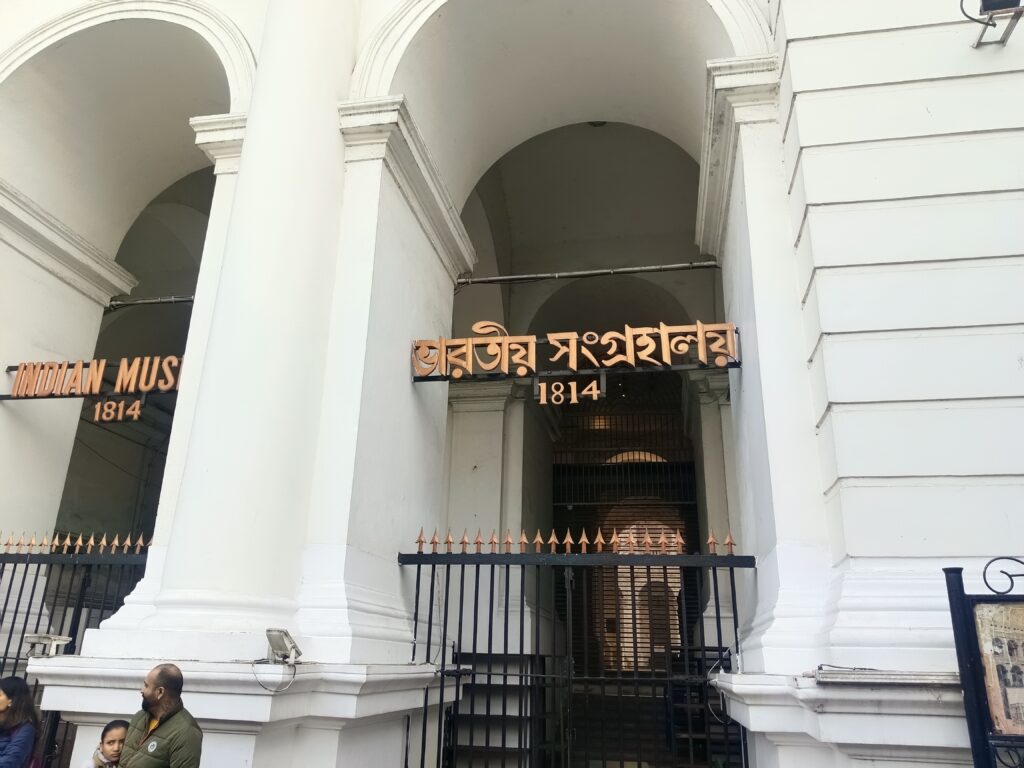
Founded in 1814, this architectural marvel isn’t just India’s oldest museum—it’s also the largest. But what truly sets it apart is its ability to transport you through time, from prehistoric fossils to contemporary art. Whether you’re a history buff, an art enthusiast, or simply curious about India’s diverse heritage, the Indian Museum offers an unparalleled journey through the subcontinent’s past and present.
Ready to embark on this fascinating adventure? Join us as we explore the rich history, stunning architecture, and diverse collections that make the Indian Museum a must-visit destination. We’ll guide you through its most captivating exhibits, share tips for an unforgettable visitor experience, and help you plan your trip to this cultural gem in the heart of Kolkata
History and Significance
Founding and early years
The Indian Museum in Kolkata, established in 1814, holds the distinction of being the oldest and largest multipurpose museum in the Asia-Pacific region. Founded by Dr. Nathaniel Wallich, a Danish botanist, the museum began as a small collection housed in the Asiatic Society. Its initial focus was on natural history specimens, but it quickly expanded to include archaeological artifacts, anthropological objects, and geological samples.
Evolution into India’s largest museum
Over the next two centuries, the Indian Museum grew exponentially, both in size and scope. Key milestones include:
- 1875: Relocation to its current premises on Chowringhee Road
- 1901: Establishment of the Archaeological Survey of India gallery
- 1960s: Addition of the Egyptian mummy exhibition
Today, the museum boasts over 100,000 artifacts spread across 35 galleries, making it a treasure trove of human history and natural wonders.
Cultural importance for Bengal and India
The Indian Museum holds immense cultural significance for both Bengal and India as a whole:
- Preservation of heritage: It safeguards priceless artifacts from various periods of Indian history
- Educational resource: Serves as a vital center for research and learning
- Cultural identity: Reinforces Bengal’s role in India’s cultural landscape
- Tourism magnet: Attracts visitors from around the world, boosting local economy
As we explore the museum’s architectural marvel in the next section, you’ll see how its physical structure complements its rich historical legacy.
Architectural Marvel
Neo-classical design features
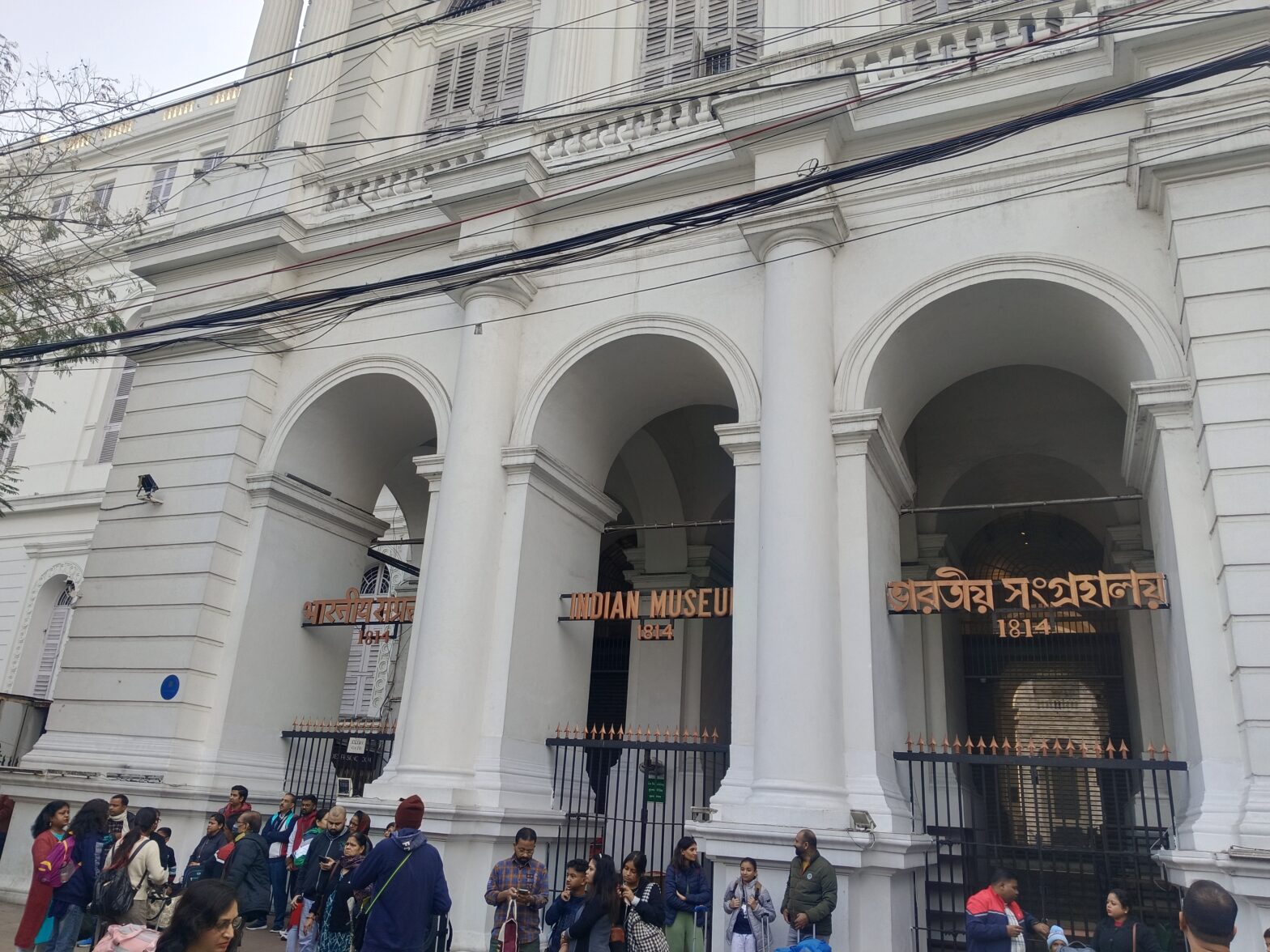
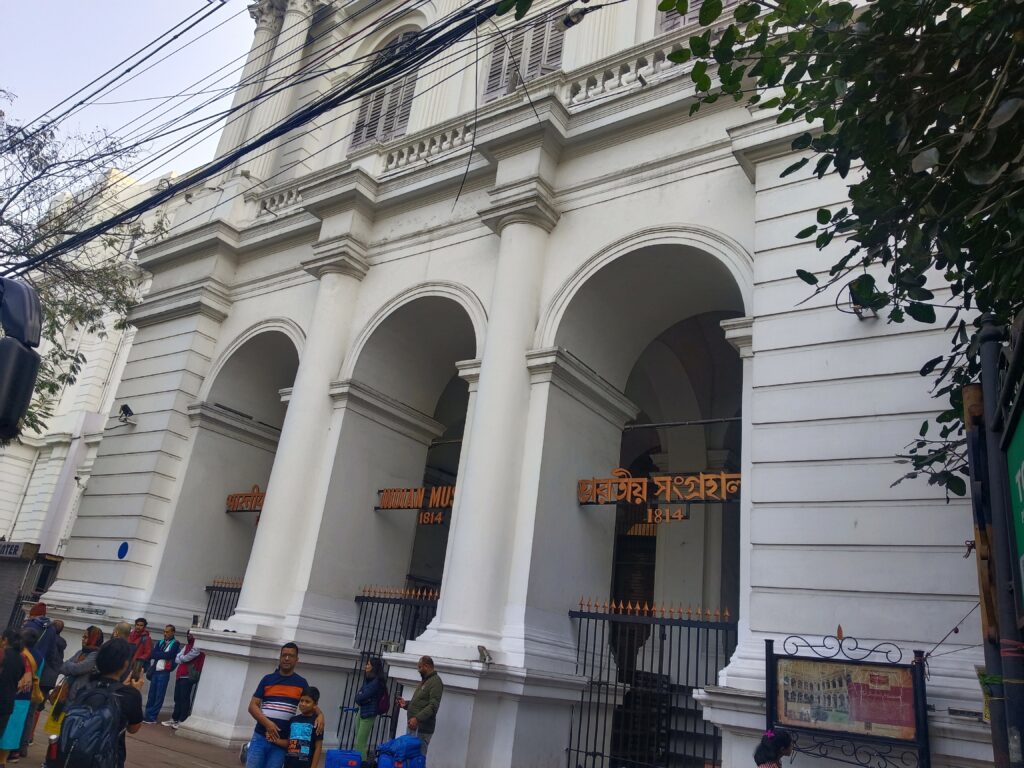
The Indian Museum in Kolkata stands as a magnificent example of neo-classical architecture. Its design features include:
- Symmetrical layout with a grand central portico
- Tall Corinthian columns supporting the facade
- Triangular pediments adorning the entrance
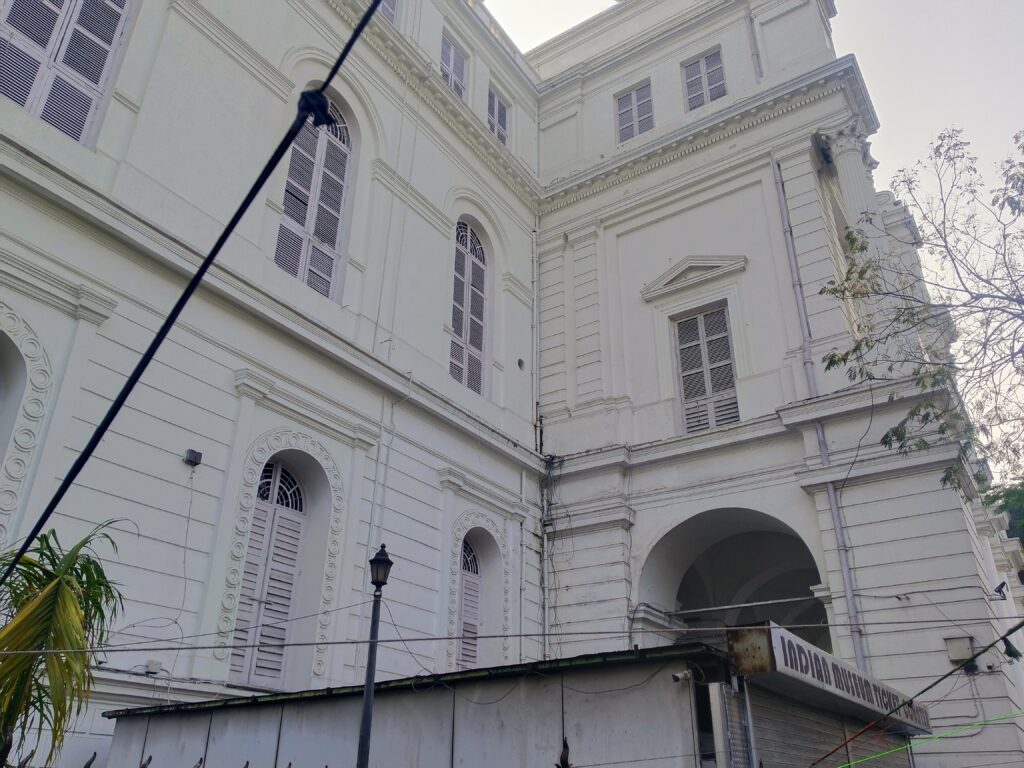
- Large, arched windows allowing natural light
These elements combine to create a striking visual impact, reminiscent of ancient Greek and Roman structures.
Impressive facade and interiors
The museum’s exterior is as captivating as its contents. Notable features include:
- Imposing stone steps leading to the main entrance
- Intricate carvings and sculptures on the building’s exterior
- Spacious, high-ceilinged galleries inside
- Ornate moldings and decorative elements throughout
The interiors are designed to complement the exhibits, providing a grand backdrop for the diverse collections housed within.
Recent renovations and improvements
In recent years, the Indian Museum has undergone significant renovations to enhance visitor experience and preserve its architectural integrity. These improvements include:
- Restoration of the building’s original color scheme
- Upgrades to lighting and climate control systems
- Installation of modern display cases and information panels
- Improved accessibility features for visitors with disabilities
These renovations have breathed new life into the historic structure, ensuring it remains a beloved landmark in Kolkata for generations to come.
Diverse Collections
Archaeology exhibits
The Indian Museum in Kolkata boasts an impressive collection of archaeological artifacts that span millennia. Visitors can explore:
- Prehistoric tools and pottery
- Ancient sculptures from various Indian dynasties
- Inscriptions and coins from different historical periods
- Relics from the Indus Valley Civilization
These exhibits offer a fascinating glimpse into India’s rich cultural heritage.
Art objects and paintings
Art enthusiasts will be captivated by the museum’s diverse array of artistic treasures, including:
- Mughal miniature paintings
- Classical Indian sculptures
- Decorative arts from various regions
- Contemporary Indian artworks
Anthropology displays
The anthropology section showcases the cultural diversity of India and neighboring regions. Highlights include:
- Traditional costumes and jewelry
- Tribal artifacts and tools
- Masks and musical instruments
- Dioramas depicting various cultural practices
Geology specimens
Geology buffs will appreciate the extensive collection of:
- Rare minerals and gemstones
- Fossils from different geological eras
- Meteorite samples
- Rock formations from across India
Zoology specimens
The zoology section houses an impressive array of:
- Taxidermied animals from various ecosystems
- Skeletal remains of extinct species
- Preserved specimens of rare and endangered animals
- Detailed dioramas of wildlife habitats
With such diverse collections, the Indian Museum offers a comprehensive overview of India’s natural and cultural heritage. As we explore these exhibits, we gain a deeper appreciation for the country’s rich history and biodiversity. Next, we’ll delve into some of the must-see exhibits that you shouldn’t miss during your visit to Kolkata City tour.
Must-See Exhibits
Egyptian mummy
One of the most captivating exhibits in the Indian Museum is the Egyptian mummy, a rare treasure that draws visitors from far and wide. This well-preserved ancient artifact offers a fascinating glimpse into the intricate funerary practices of ancient Egypt. The mummy, dating back to the Ptolemaic period (305-30 BCE), is complete with its ornate sarcophagus, providing an authentic representation of Egyptian burial customs.
Ashoka Pillar
Another must-see exhibit is the Ashoka Pillar, a testament to India’s rich historical heritage. This monolithic sandstone pillar, erected by Emperor Ashoka in the 3rd century BCE, bears inscriptions of his famous edicts. The pillar’s presence in the museum offers visitors a chance to:
- Admire the craftsmanship of ancient Indian artisans
- Decipher the Brahmi script inscriptions
- Learn about Ashoka’s Buddhist principles and governance
Prehistoric fossils
The museum’s collection of prehistoric fossils is a treasure trove for paleontology enthusiasts. This exhibit showcases:
- Dinosaur fossils, including a 150-million-year-old skeleton
- Plant fossils from various geological eras
- Fossilized remains of ancient marine life
These specimens provide invaluable insights into the evolution of life on the Indian subcontinent.
Rare coins and manuscripts
The numismatic and manuscript collections are equally impressive, featuring:
- Gold coins from the Gupta period
- Rare Mughal-era manuscripts
- Palm leaf inscriptions from South India
These exhibits offer a unique perspective on India’s cultural and economic history. As you explore these fascinating artifacts, you’ll gain a deeper appreciation for the vast tapestry of Indian heritage. Next, we’ll delve into the overall visitor experience at the Indian Museum.
Visitor Experience
Guided tours and audio guides
Enhance your visit to the Indian Museum with expert-led guided tours or informative audio guides. These options provide in-depth insights into the museum’s vast collection and historical significance. Guided tours are available in multiple languages, offering:
- Customized routes based on your interests
- Engaging narratives about key exhibits
- Answers to your questions from knowledgeable guides
Audio guides allow for a self-paced exploration, perfect for those who prefer a more independent experience.
Interactive displays and workshops
Immerse yourself in India’s rich cultural heritage through:
- Touch-screen exhibits showcasing artifact details
- Virtual reality experiences of historical events
- Hands-on workshops on traditional crafts and archaeology
These interactive elements make learning enjoyable for visitors of all ages, bringing history to life in engaging ways.
Photography policies
While capturing memories is important, the museum has specific photography guidelines to protect its priceless artifacts:
- Personal photography is allowed in most galleries
- Flash photography is strictly prohibited
- Video recording requires special permission
- Some exhibits may have no-photo zones for preservation reasons
Accessibility features
The Indian Museum strives to be inclusive, offering:
- Wheelchair ramps and elevators for easy navigation
- Braille descriptions for select exhibits
- Rest areas throughout the museum for comfort
- Assistance services for visitors with special needs
With these visitor-friendly features, the Indian Museum ensures a memorable and educational experience for all. As you plan your visit, consider how these amenities can enhance your exploration of Kolkata’s cultural treasures.
Planning Your Visit
Location and how to reach
The Indian Museum is centrally located in Kolkata, making it easily accessible. Here are the best ways to reach the museum:
- By Metro: The nearest metro station is Park Street, about 1 km away.
- By Bus: Several city buses stop near the museum. Look for routes passing through Chowringhee Road.
- By Taxi or Ride-sharing: Convenient and readily available throughout Kolkata.
- On foot: If you’re staying in the Park Street or Esplanade area, it’s a pleasant walk.
Opening hours and ticket information
- Opening hours: Tuesday to Sunday, 10:00 AM to 5:00 PM (Closed on Mondays and national holidays)
- Ticket prices:
- Indian citizens: ₹20 for adults, ₹10 for children
- Foreign visitors: ₹500 for adults, ₹250 for children
- Photography is allowed with an additional fee
Best times to visit
- Weekday mornings for fewer crowds
- Winter months (November to February) for comfortable weather
- Avoid peak summer (April to June) due to high temperatures
Nearby attractions
After exploring the Indian Museum, consider visiting these nearby attractions to make the most of your Kolkata city tour:
- Victoria Memorial
- St. Paul’s Cathedral
- Park Street for shopping and dining
- Maidan, the city’s largest urban park
These attractions can easily be combined with the Indian Museum for a comprehensive half-day or full-day Kolkata city tour. Consider booking a guided tour or hiring a car for a more structured experience of Kolkata’s top tourist places.
The Indian Museum in Kolkata stands as a testament to India’s rich cultural heritage and historical significance. From its awe-inspiring architecture to its diverse collections spanning art, archaeology, and natural history, this institution offers visitors a captivating journey through time. The must-see exhibits, including the Egyptian mummy and rare fossils, provide unique insights into various civilizations and the natural world.
As you plan your visit to this remarkable institution, remember that the Indian Museum is more than just a collection of artifacts; it’s a gateway to understanding India’s past and its place in global history. Whether you’re a history enthusiast, art lover, or curious traveler, the museum promises an enriching experience that will leave you with a deeper appreciation for India’s cultural tapestry. Don’t miss the opportunity to explore this treasure trove of knowledge and wonder in the heart of Kolkata.