
Search for tours & departures

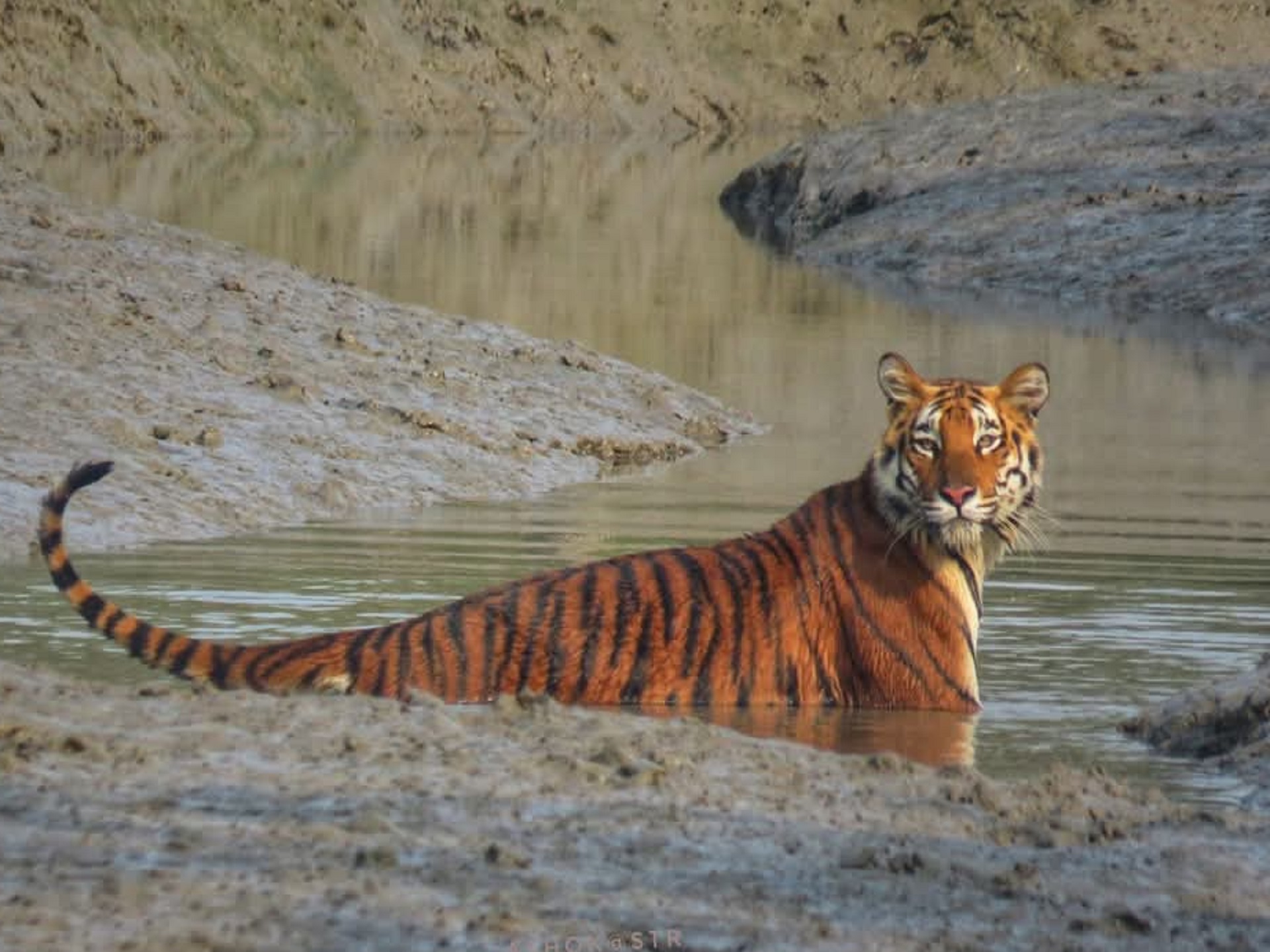
Explore the high tiger-density zones of Bandhavgarh National Park and the rising star Tadoba Andhari Tiger Reserve, known for frequent sightings and exciting jeep safari in India experiences. For something truly unique, venture into the mystical mangroves of Sundarbans National Park—a UNESCO World Heritage Site where tigers swim across rivers, offering a rare and thrilling jungle safari in India by boat. Meanwhile, Kaziranga National Park adds diversity with its famous one-horned rhinoceros and rich wildlife.
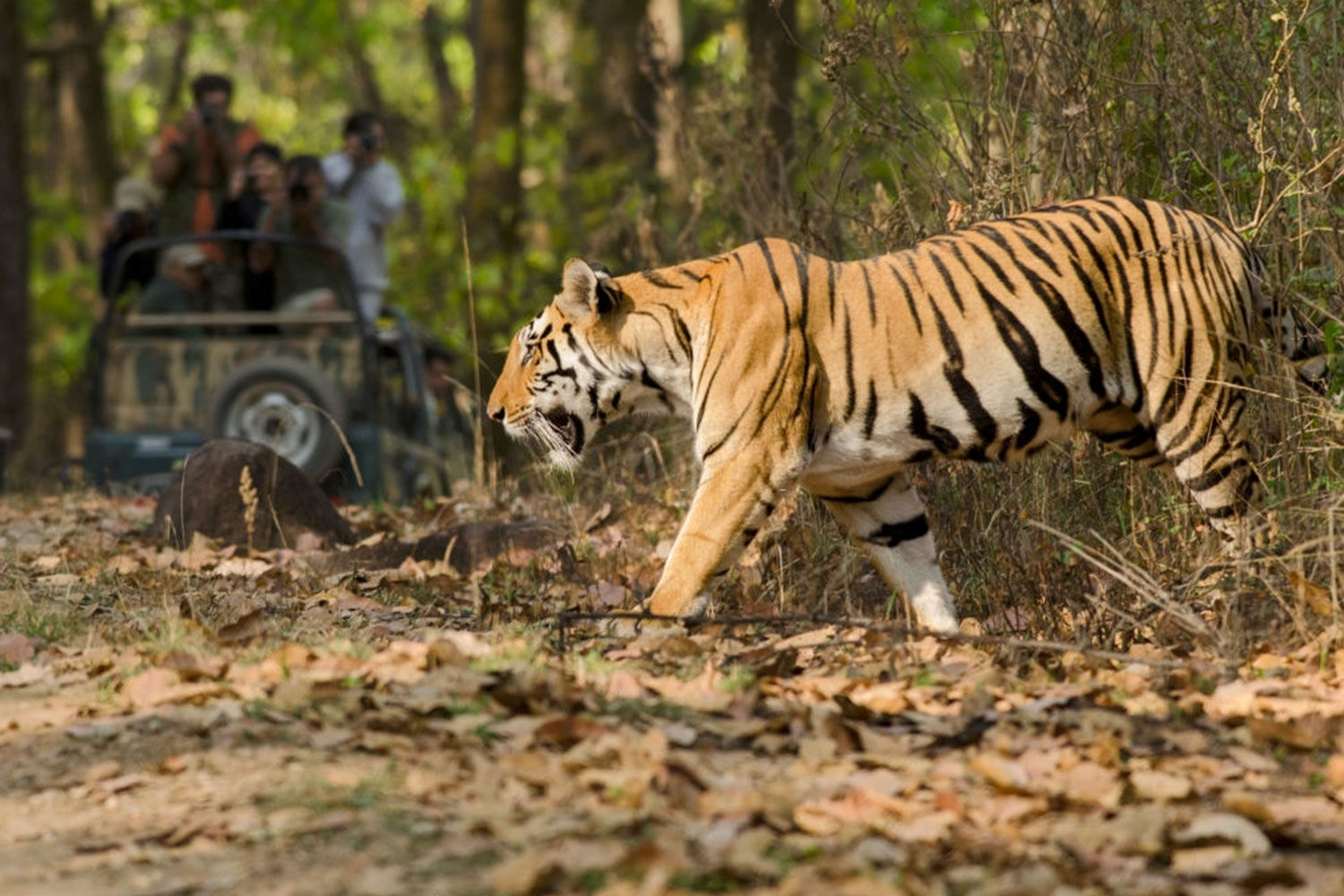
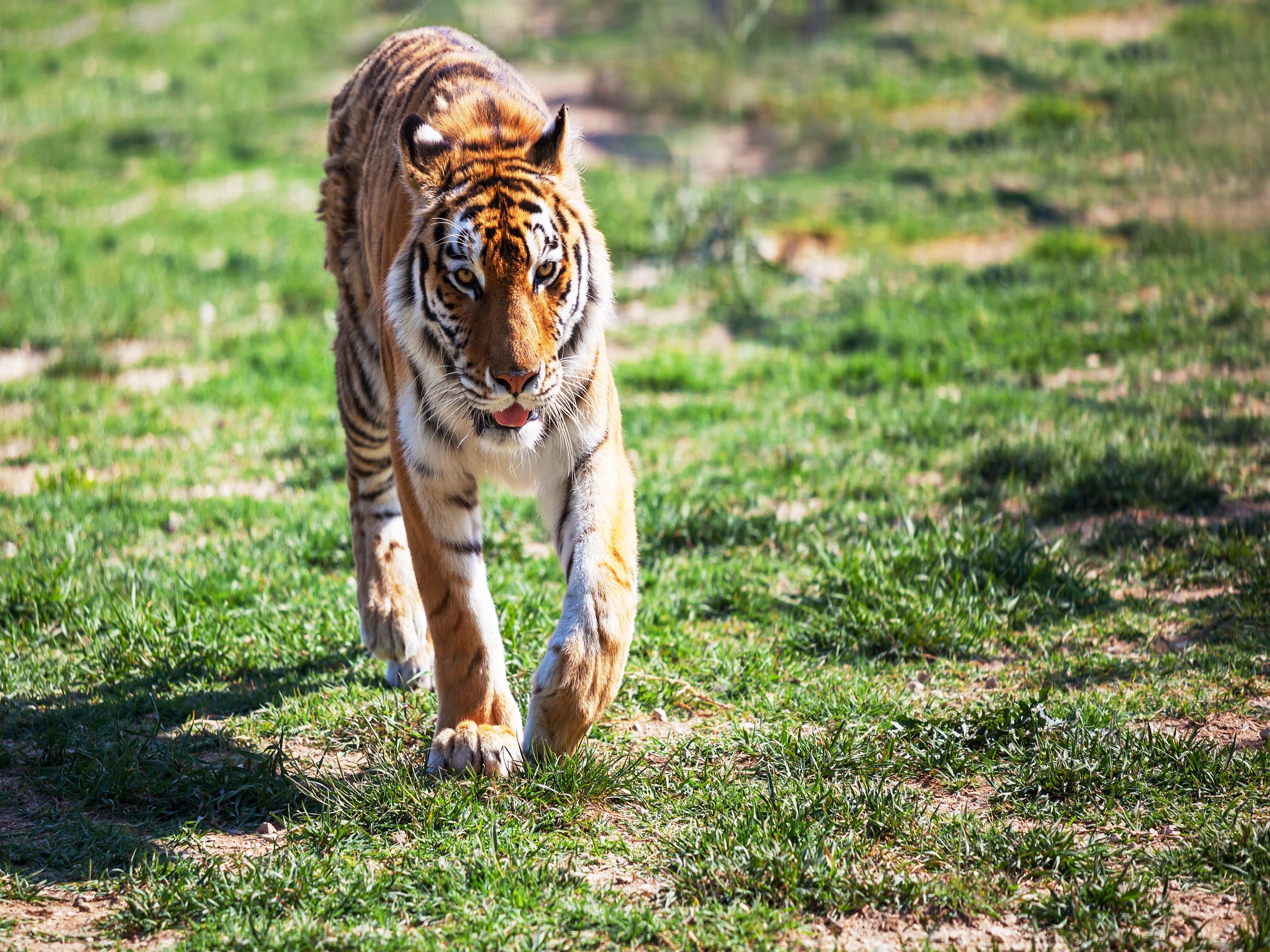
The highlight of any tiger safari tour in India is spotting a tiger in its natural habitat—stealthy, powerful, and mesmerizing. Alongside tigers, you’ll encounter leopards, elephants, deer, and vibrant birdlife, making every wildlife safari in India a complete experience.
The best time for a tiger safari in India is from October to June, when wildlife sightings are at their peak. Ideal for photographers, nature lovers, and adventure seekers, tiger safari packages in India promise an unforgettable escape into the wild.


No special tours are available right now. Please check again soon.
A tiger safari in India is not just about spotting wildlife—it’s about experiencing the wild in its purest form. Across India’s famous national parks, every moment feels like a scene from a nature documentary.
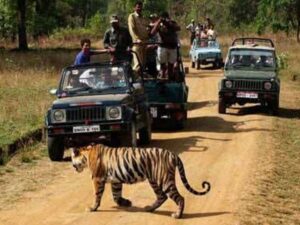
The biggest attraction is, of course, the majestic Royal Bengal Tiger, silently moving through the forest trails of places like Ranthambore National Park and Bandhavgarh National Park, where tiger sightings are quite frequent and thrilling.
In the central forests of Kanha National Park, travelers can enjoy vast grasslands, dense sal forests, and rich wildlife diversity that inspired famous jungle stories. Meanwhile, Jim Corbett National Park offers the perfect blend of river landscapes, thick jungle, and exciting jeep safaris, making it one of India’s most popular wildlife destinations.
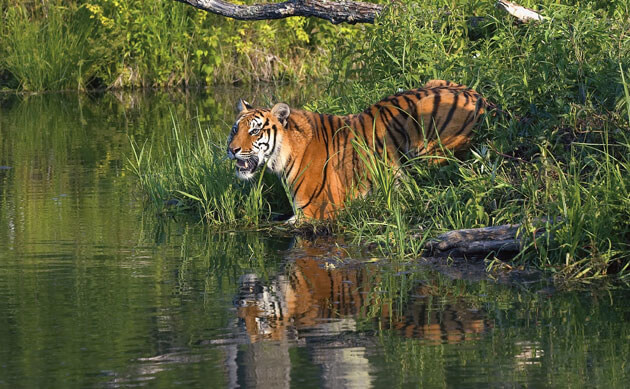
For adventure seekers, Tadoba Andhari Tiger Reserve is a rising hotspot known for high chances of tiger sightings and raw forest experiences. And in the east, the magical mangroves of Sundarbans National Park offer a completely unique safari experience, where tigers are known to swim between islands and tidal forests.
Beyond tigers, visitors also enjoy spotting leopards, elephants, deer, wild boars, and countless exotic birds. The combination of landscapes, sounds of the forest, and unpredictable wildlife movements makes every safari ride unforgettable.
A tiger safari in India is truly a journey into nature’s most powerful and untouched world—wild, real, and deeply unforgettable.
Top Attractions – Tiger Safari in India
A tiger safari in India is one of the most exciting wildlife safari experiences in India, offering a chance to explore dense forests and witness the majestic Royal Bengal Tiger in its natural habitat. India is home to world-famous national parks and tiger reserves, making it a top destination for jungle safari India packages, wildlife tourism India, and nature adventure tours.
October to June – peak wildlife safari season in India
March to June – best time for tiger spotting in India safari tours
Monsoon (July–September) – limited access due to park closure
Safari Types (Jungle Safari India Experience)
Jeep Safari India – most popular for tiger safari tours India
Canter Safari – group wildlife safari option in selected parks
Boat Safari – exclusive to Sundarbans tiger reserve safari
Weather Conditions (Safari Travel Guide India)
Winter (Oct–Feb) – pleasant climate, ideal for jungle safari India travel
Summer (Mar–Jun) – hot but best for tiger sightings near waterholes
Monsoon – lush greenery but limited safari access
Follow forest rules during tiger safari India tour
Maintain silence inside jungle zones
Avoid littering and plastic use in national parks
Do not disturb wildlife during safari rides
Carry binoculars, camera, and light clothing for jungle travel
Many tiger reserves in India are located near culturally rich regions, making the safari experience even more special. During festivals like Diwali, Holi, and regional celebrations such as Rajasthan Desert Festival or Madhya Pradesh wildlife week events, nearby towns come alive with cultural vibrance. Some parks also observe Wildlife Week (October 2–8), where awareness programs, nature walks, and eco-activities are organized for visitors.
Special Features of Tiger Safari India
Guided jeep safari with trained naturalists
Chance to spot multiple big cats and herbivores in one trip
Unique ecosystems like dry deciduous forests, grasslands, and mangroves
Photography-friendly zones for wildlife lovers
Eco-tourism experience supporting conservation efforts
The ideal time for a tiger safari in India is from October to June. Summer months offer the highest chances of tiger sightings near water sources, while winter provides pleasant weather for long jungle rides.
A wildlife safari India tour is not just travel—it is a close encounter with nature, culture, and conservation, making it one of the most memorable adventures in the country.
The best time for a tiger safari in India is from October to June. Summer months (March to June) offer the highest chances of spotting the Royal Bengal Tiger near water sources.
Top destinations include Ranthambore National Park, Jim Corbett National Park, Bandhavgarh National Park, Kanha National Park, Tadoba Andhari Tiger Reserve, and Sundarbans National Park.
Most parks offer jeep safari, while some also provide canter safari. The Sundarbans offers a unique boat safari experience through mangrove forests.
Tiger safaris can be booked online through official forest department websites or through authorized travel operators. Advance booking is highly recommended, especially in peak season.
No, tiger sightings are not guaranteed as they are wild animals. However, parks like Bandhavgarh, Tadoba, and Ranthambore have high probability of sightings.
Carry light cotton clothes, binoculars, camera, water bottle, sunscreen, and valid ID proof. Avoid bright colors and loud noise inside the forest.
Yes, safaris are safe when conducted with trained guides and forest department rules are followed. All vehicles are regulated and routes are predefined.