Search for tours & departures

In India, festivals like Diwali, Holi, Durga Puja, and Eid showcase unity in diversity, while global events such as Christmas, Carnival, and Chinese New Year highlight the richness of international traditions. These festive occasions are not just about celebration—they are a window into centuries-old customs, spiritual values, and regional lifestyles. Exploring festivals around the world allows travelers to experience authentic culture, connect with local communities, and create unforgettable memories. Whether it’s witnessing grand processions, enjoying traditional food, or participating in rituals, festival tourism offers a unique and enriching journey.
If you are planning a cultural tour, timing your visit around famous festivals can enhance your travel experience. Discover the magic of festivals and celebrations and embrace the true spirit of culture, joy, and traditions across the globe.


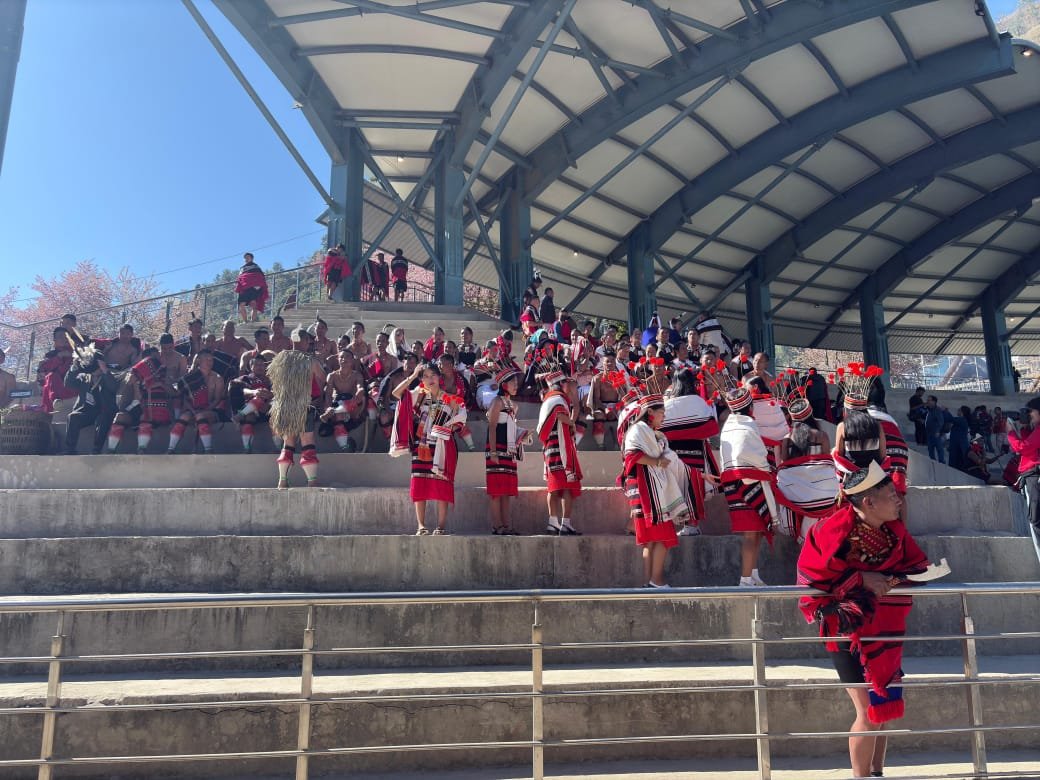
Experience the vibrant culture, traditions and natural beauty of Nagaland with our Hornbill Festival Package in North East. Organised at Kisama Heritage Village near Kohima, the Hornbill Festival Nagaland is one of the most colourful cultural celebrations in Northeast India. It offers visitors an opportunity to experience traditional Naga dances, music, costumes, local food, handicrafts and the rich heritage of different Naga tribes.Our Hornbill Festival Tour Package is specially designed for travellers who want to enjoy the festival while exploring the beautiful landscapes and cultural attractions of Nagaland. During the tour, you can visit Kisama Heritage Village, enjoy traditional cultural performances, explore Naga Morungs, taste authentic Naga cuisine and shop for local handicrafts and souvenirs.The itinerary can also cover popular Nagaland tourist places such as Kohima, Kohima War Cemetery and Khonoma Village. Travellers looking for a little adventure can extend their Nagaland tour package to include Dzukou Valley and other scenic destinations in the region.Mercury Tour Operator offers well-planned North East India tour packages, including customised Nagaland tour packages, Hornbill Festival group tours and private holidays. Our packages can be arranged with comfortable hotels, transportation, sightseeing and local assistance according to your requirements.Whether you are travelling with family, friends or a group, our Hornbill Festival package in North East is a wonderful way to experience the colours, culture and traditions of Nagaland. Discover Hornbill Festival Kohima, explore Northeast India and create unforgettable memories with Mercury Tour Operator.
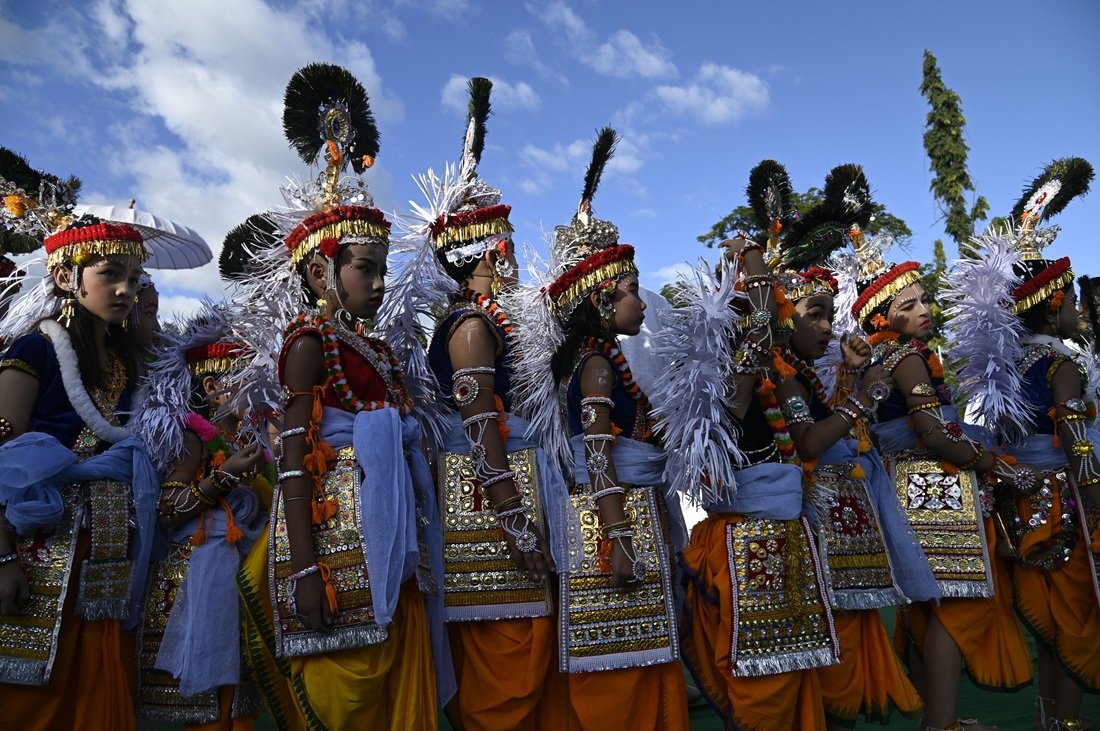
Experience the vibrant culture, traditions and natural beauty of Nagaland with our Hornbill Festival Tour – 5 Nights / 6 Days. This specially planned Nagaland tour package takes you to the heart of the famous Hornbill Festival, where different Naga tribes come together to showcase their traditional dances, music, food, handicrafts and colourful cultural heritage.The journey is designed to give you more than just a festival experience. During the Hornbill Festival Nagaland tour, you can explore the charming surroundings of Kohima, visit important local attractions and experience the warm hospitality of the Naga people. The festival itself is the highlight, offering a wonderful opportunity to see the rich traditions of Nagaland in one place.Our Hornbill Festival Tour Package includes comfortable accommodation, transportation, meals and sightseeing as mentioned in the itinerary. The tour is planned at a relaxed pace so that you can enjoy the festival atmosphere as well as the scenic beauty of Nagaland without feeling rushed.Whether you are travelling with family, friends or as a group, this Nagaland Hornbill Festival Tour is a memorable way to discover Northeast India. From colourful tribal performances to local cuisine and beautiful hill landscapes, every day brings something different.Join Mercury Tour Operator for a comfortable and well-organised Hornbill Festival Nagaland Tour and take home unforgettable memories of one of India’s most colourful cultural festivals.
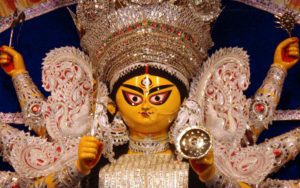
Overview: The biggest festival of West Bengal, celebrating Goddess Durga with unmatched artistic expression.
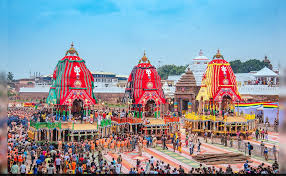
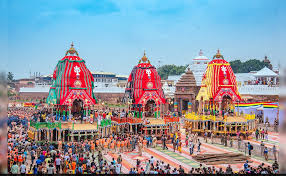
Rath Yatra (Puri, Odisha)
Overview: A sacred Hindu festival dedicated to Lord Jagannath.
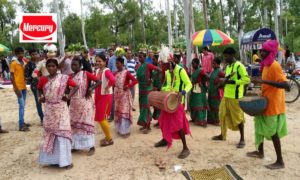
Hornbill Festival (Nagaland, India)
Overview: Known as the “Festival of Festivals” of Northeast India.
Holi in Varanasi, Mathura & Vrindavan
Overview: One of the most vibrant Holi celebrations in India.
Poush Mela (Santiniketan, West Bengal)
Overview: A cultural fair celebrating rural traditions and heritage.
Himalayan Tea Tourism in Darjeeling
Overview: A unique experience combining nature, culture, and tea heritage.
Bihu (Assam, India)
Overview: The most important festival of Assam celebrating harvest and new year.
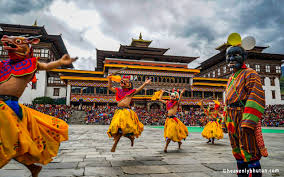
Tshechu (Bhutan)
Overview: Bhutan’s most significant religious festivals held in monasteries.
October (Autumn – Eastern India)
Durga Puja – Kolkata
Best Time: September–October
Travel Experience: This is when Kolkata is at its liveliest. The weather is pleasant after monsoon, perfect for pandal hopping.
How to Reach: Well connected by air (Netaji Subhas Chandra Bose Airport), rail, and road.
Travel Tip: Stay near central or south Kolkata to easily explore major pandals at night.
June–July (Monsoon – Eastern Coast)
Rath Yatra – Puri
Best Time: June–July
Travel Experience: Expect huge crowds and spiritual energy during monsoon. Rain adds intensity but also requires preparation.
How to Reach: Nearest airport is Bhubaneswar; Puri is well connected by train.
Travel Tip: Book hotels early and be prepared for crowd management.
December (Winter – Northeast India)
Hornbill Festival – Nagaland
Best Time: 1st–10th December
Travel Experience: Cool weather, clear skies, and vibrant tribal culture make it perfect for tourism.
How to Reach: Fly to Dimapur, then drive to Kisama Heritage Village.
Travel Tip: Inner Line Permit (ILP) is required for Indian travelers.
March (Spring – North India)
Holi in Varanasi, Mathura & Vrindavan
Best Time: February–March
Travel Experience: Pleasant weather with colorful chaos and spiritual vibes along the ghats.
How to Reach: Varanasi airport and railway station are well connected. For Vrindavan Agra , Mathura and Delhi station and Delhi airport
Travel Tip: Wear old clothes and protect valuables during celebrations.
December (Winter – Bengal Rural Culture)
Poush Mela – Santiniketan
Best Time: December
Travel Experience: Mild winter weather and a peaceful cultural atmosphere.
How to Reach: 3–4 hours drive/train from Kolkata.
Travel Tip: Ideal for those looking for a calm, cultural retreat.
March–May & October–December (Hills – North Bengal)
Himalayan Tea Tourism – Darjeeling
Best Time: Spring and Autumn
Travel Experience: Cool climate, clear mountain views, and lush green tea gardens.
How to Reach: Nearest airport is Bagdogra, then a scenic drive.
Travel Tip: Avoid heavy monsoon (June–September) due to landslides.
April & January (Spring & Winter – Assam)
Bihu – Assam
Best Time: April (Rongali Bihu – most vibrant)
Travel Experience: Warm weather, festive mood, and energetic cultural shows.
How to Reach: Guwahati is the main gateway by air/rail.
Travel Tip: Experience village celebrations for authenticity.
March–May & September–October (Himalayan Kingdom)
Tshechu – Bhutan
Best Time: Spring and Autumn (Paro & Thimphu Tshechu)
Travel Experience: Pleasant weather, clear skies, and deep spiritual ambiance.
How to Reach: Fly to Paro or travel via Phuentsholing (from India).
Travel Tip: Book permits and hotels in advance; festivals attract many visitors.
Insight:
Planning your trip month-wise and region-wise helps you experience the best of festival tourism in India and Bhutan, from colorful spring celebrations to spiritual autumn events and vibrant winter festivals.
Durga Puja – Kolkata
Speciality: A perfect blend of art, devotion, and nightlife—Kolkata turns into a massive open-air gallery with stunning themed pandals and vibrant street celebrations.
Rath Yatra – Puri
Speciality: One of the world’s grandest religious processions, where massive chariots and millions of devotees create an intense spiritual atmosphere.
Hornbill Festival – Nagaland
Speciality: A vibrant showcase of Northeast India’s tribal heritage, combining traditional culture with music, food, and modern festivities.
Holi in Varanasi, Mathura & Vrindavan
Speciality: A unique mix of spirituality and celebration, where colorful chaos meets the sacred charm of the Ganges ghats.
Poush Mela – Santiniketan
Speciality: A peaceful cultural fair highlighting rural Bengal’s music, crafts, and traditions in a serene environment.
Orange Festival – North Bengal
Speciality: A unique agro-cultural festival celebrating fresh orange harvest, village life, and scenic Himalayan beauty
Himalayan Tea Tourism – Darjeeling
Speciality: A refreshing escape into nature with tea garden stays, scenic Himalayan views, and authentic tea experiences.
Bihu – Assam
Speciality: A lively harvest celebration filled with energetic dance, music, and warm Assamese hospitality.
Tshechu – Bhutan
Speciality: A deeply spiritual festival featuring masked dances and rituals set against stunning monastery backdrops.
Insight
Speciality: These experiences together offer a perfect mix of culture, spirituality, nature, and celebration, making them ideal for immersive festival tourism.
India celebrates a wide variety of festivals, including Diwali, Holi, Durga Puja, Eid al-Fitr, Christmas, and Navratri. Each festival reflects India’s cultural and religious diversity.
Diwali is considered the most popular festival, celebrated with lights, diyas, sweets, and fireworks across the country.
The peak festival season is from October to March, when major events like Durga Puja, Diwali, and Holi take place, along with pleasant weather for travel.
No, festivals in India include religious, cultural, seasonal, and regional celebrations. Events like harvest festivals (Pongal, Baisakhi) and national festivals (Independence Day) are widely celebrated.
Tourists love festivals like Holi (for fun and colors), Durga Puja (for grand celebrations), and Pushkar Camel Fair (for cultural experience).
Celebrations include rituals, prayers, music, dance, traditional food, decorations, and community gatherings. Each region has its own unique customs and traditions.
Yes, many festivals like Durga Pujo,Diwali and Eid al-Fitr follow lunar calendars, so their dates vary each year.
Yes, the same festival can have different styles. For example, Navratri is celebrated with Garba in Gujarat, while Durga Puja is grandly observed in West Bengal.
Festivals bring people together, strengthen traditions, and showcase India’s rich heritage, spirituality, and unity in diversity