Category: Museum

  • Why Jorasanko Thakur Bari Should Be on Your Kolkata Itinerary

    Why Jorasanko Thakur Bari Should Be on Your Kolkata Itinerary

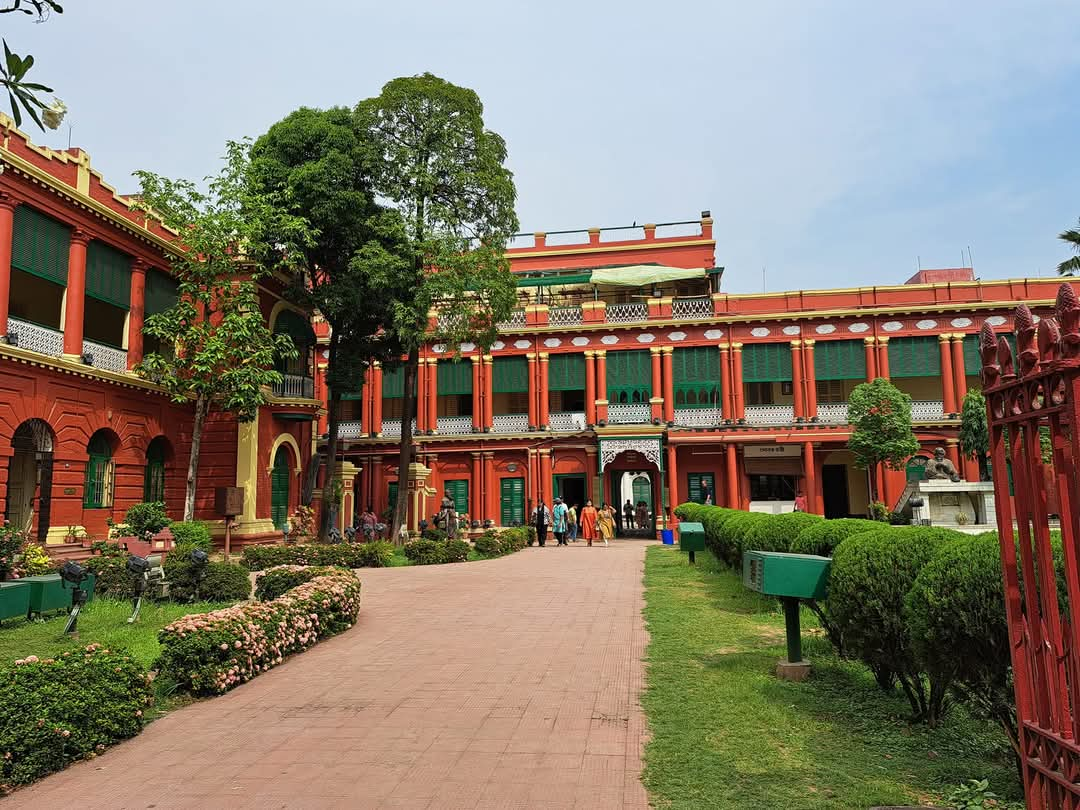
    Jorasanko Thakur Bari Kolkata

    Rabindranath Tagore House in Kolkata

    Step into the hallowed grounds of Jorasanko Thakur Bari, where the echoes of literary genius still resonate through time. This magnificent mansion in Kolkata isn’t just a testament to architectural splendor; it’s the birthplace of Rabindranath Tagore, India’s most celebrated poet and the first non-European Nobel laureate in literature. But what secrets lie within its walls, and why does it continue to captivate visitors from around the world?

    As you walk through the corridors of this historic home-turned-museum, you’ll find yourself transported to the golden age of Bengali Renaissance. The air is thick with inspiration, and every nook tells a story of artistic brilliance and cultural revolution. Yet, for many, the true magic of Jorasanko Thakur Bari remains hidden – a treasure trove of experiences waiting to be uncovered.

    Join us as we embark on a journey through time, exploring the historical significance, architectural marvels, museum exhibits, cultural events, and essential visitor information that make Jorasanko Thakur Bari a must-visit destination in Kolkata. Prepare to be enlightened, inspired, and utterly enchanted by this cradle of Bengali culture.
    The Architectural Marvels of Jorasanko Thakur Bari
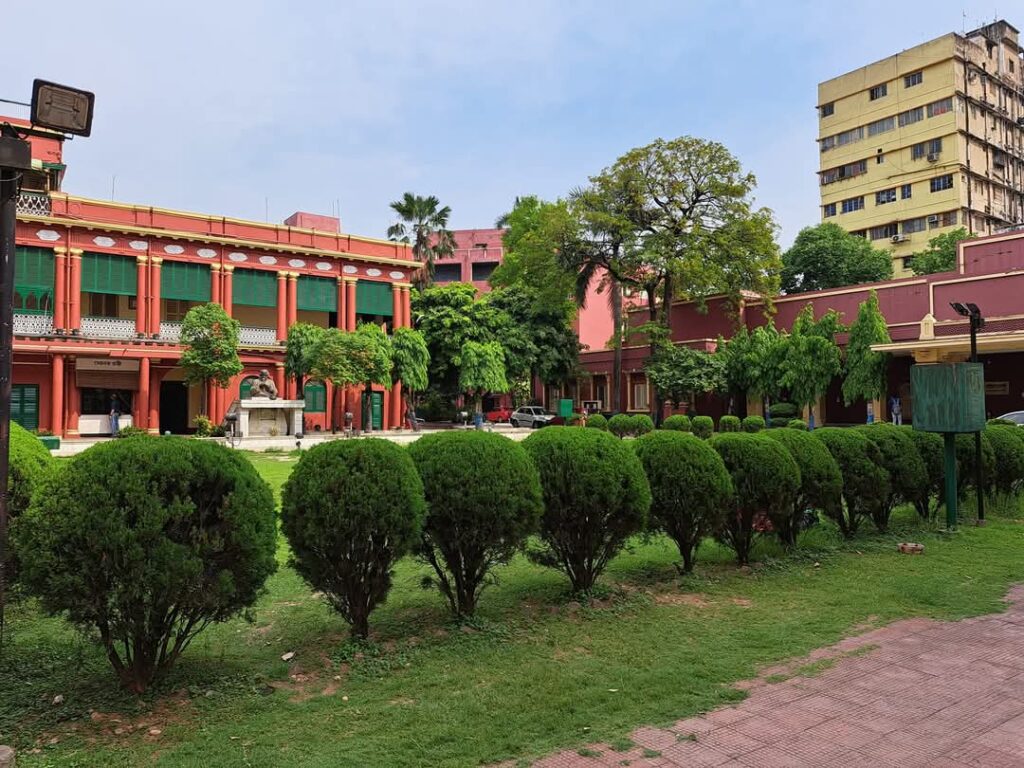
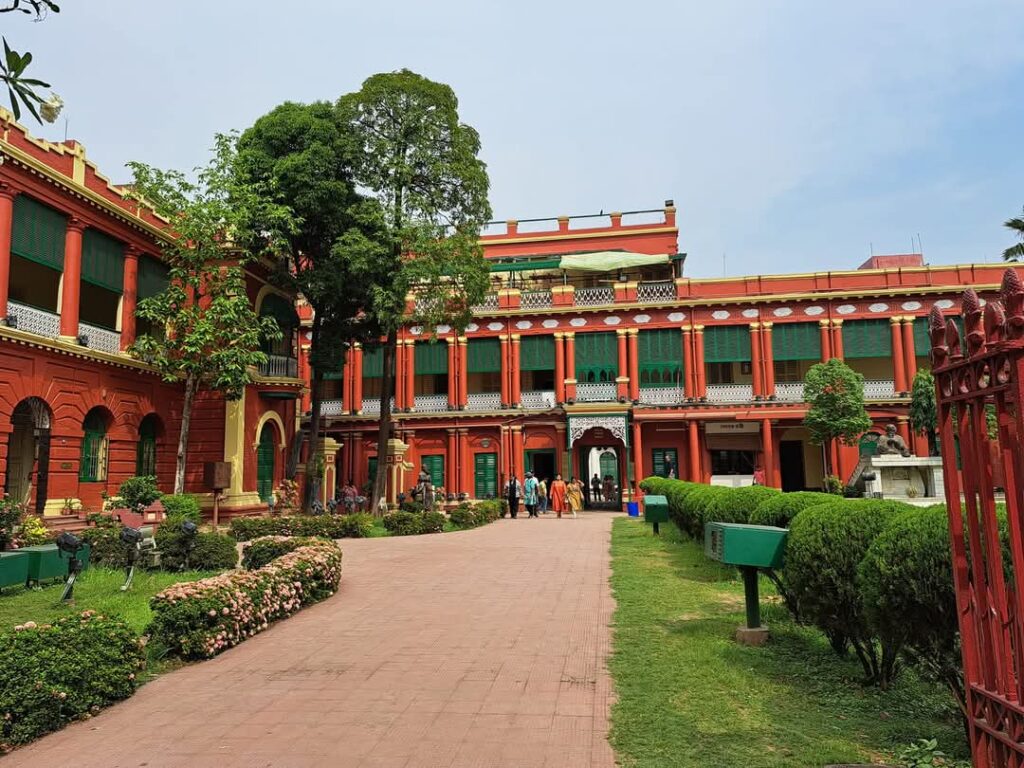
    jorasanko tagore house in kolkata
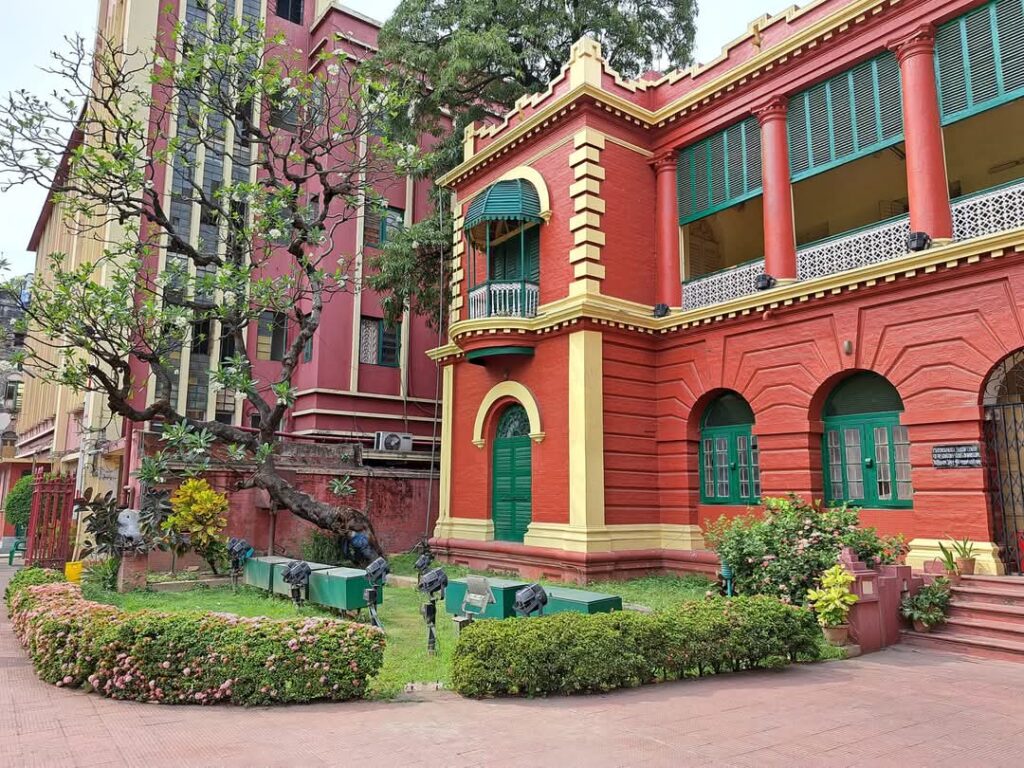
    jorasanko thakur bari garden
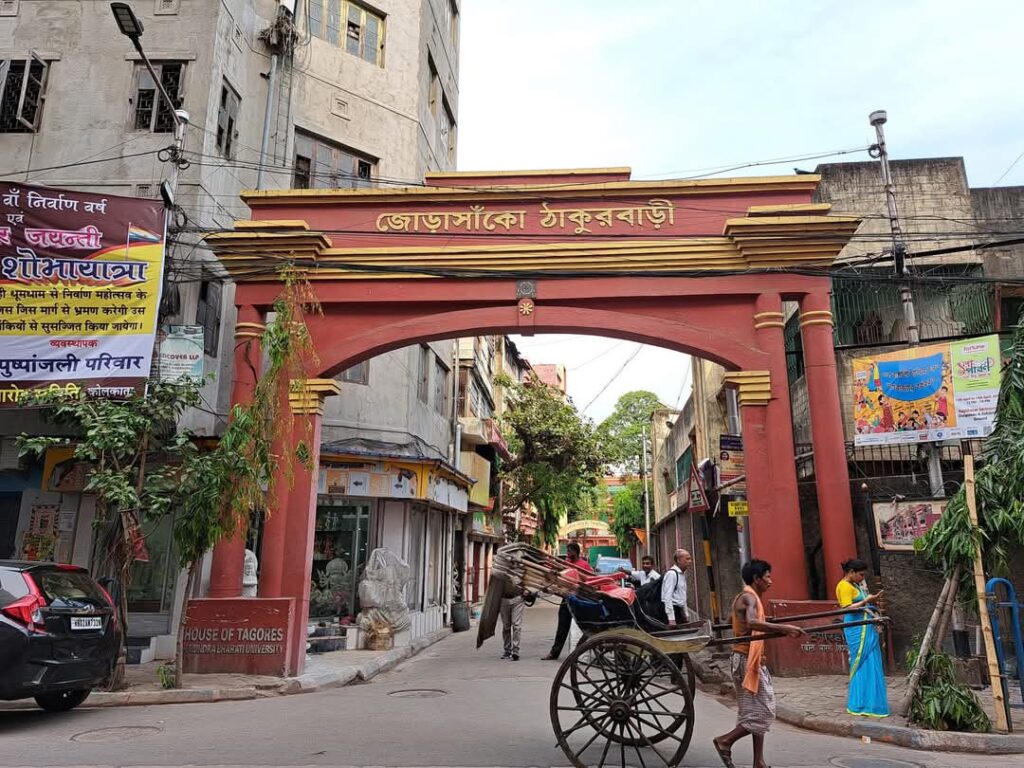
    jorasanko gate kolkata

    Historical Significance of Jorasanko Thakur Bari

    Birthplace of Rabindranath Tagore

    Jorasanko Thakur Bari holds immense historical significance as the birthplace of Rabindranath Tagore, one of India’s most celebrated poets and the first non-European to win the Nobel Prize in Literature. Born on May 7, 1861, Tagore spent much of his early life within these walls, drawing inspiration from the rich cultural atmosphere that surrounded him.

    Ancestral home of the Tagore family

    This majestic mansion has been the ancestral home of the illustrious Tagore family for generations. The Tagores were prominent figures in Bengal’s intellectual and cultural circles, and their influence extended far beyond literature. The family’s legacy is deeply intertwined with the history of Jorasanko Thakur Bari, making it a treasure trove of cultural heritage.

    Role in Bengal Renaissance

    Jorasanko Thakur Bari played a pivotal role in the Bengal Renaissance, a cultural, social, and intellectual movement that swept through the region in the 19th and early 20th centuries. The mansion served as a gathering place for intellectuals, artists, and reformers who shaped the course of Bengali culture and society. It was within these walls that new ideas flourished, challenging traditional norms and paving the way for social and cultural progress.

    Now that we’ve explored the historical significance of Jorasanko Thakur Bari, let’s delve into its architectural marvels and design elements.
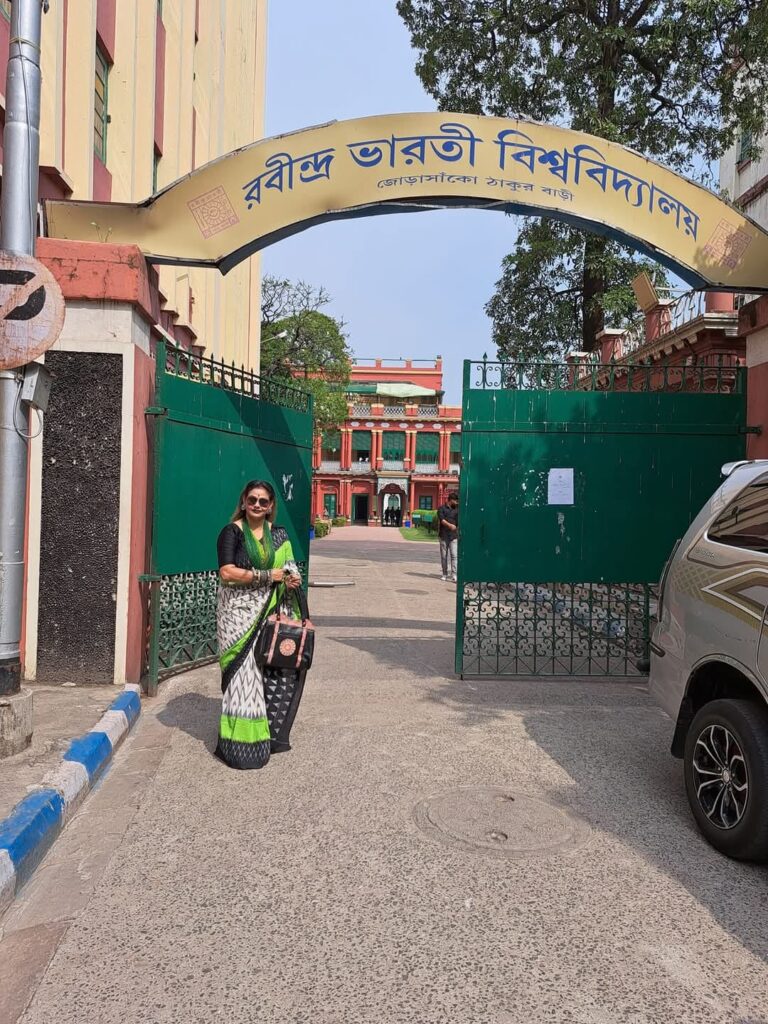
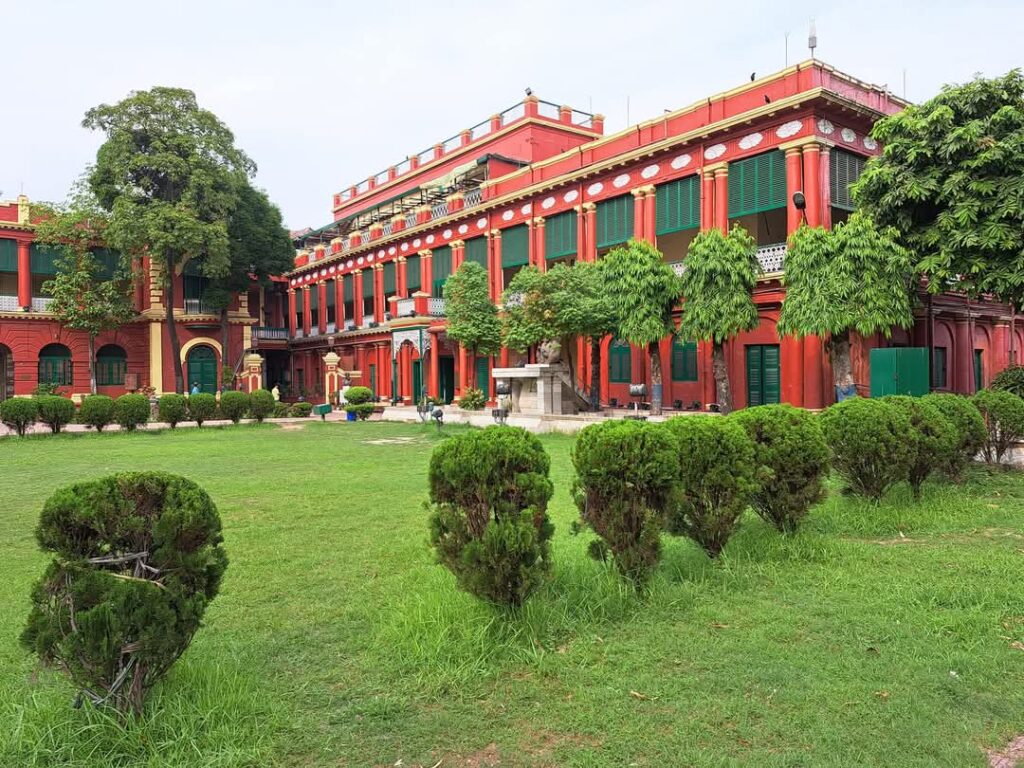
    front gate of jorasanko kolkata
    Jorasanko-tagore-house-kolkata

    Architecture and Design

    Now that we’ve explored the historical significance of Jorasanko Thakur Bari, let’s delve into its captivating architecture and design.

    Blend of traditional Bengali and European styles

    Jorasanko Thakur Bari showcases a unique fusion of traditional Bengali and European architectural styles. The mansion’s exterior features intricate terracotta work and ornate balconies, characteristic of Bengali architecture, while its interiors incorporate European elements such as grand staircases and spacious halls.

    Notable features of the mansion

    The mansion boasts several remarkable features that reflect its cultural importance. The courtyard, a central element in Bengali households, serves as a focal point for family gatherings and cultural events. The ornate windows and doors, adorned with intricate carvings, showcase the exceptional craftsmanship of the era. The mansion’s multiple floors house various rooms, each telling a story of the Tagore family’s illustrious past.

    Recent restoration efforts

    In recent years, significant restoration efforts have been undertaken to preserve the architectural glory of Jorasanko Thakur Bari. These initiatives have focused on strengthening the structure, restoring damaged artwork, and maintaining the authentic ambiance of the mansion. The restoration work has not only enhanced the visitor experience but also ensured that this architectural gem continues to stand as a testament to Kolkata’s rich cultural heritage.

    As we move forward, we’ll explore the immersive museum experience that awaits visitors at Jorasanko Thakur Bari.

    Museum Experience

    Rabindranath Tagore’s personal artifacts

    Stepping into the museum at Jorasanko Thakur Bari, visitors are immediately transported into the world of Rabindranath Tagore. The poet’s personal artifacts, meticulously preserved, offer an intimate glimpse into his life. From his writing desk to his spectacles, each item tells a story of the man behind the literary genius.

    Family heirlooms and artworks

    The museum showcases a remarkable collection of Tagore family heirlooms and artworks. Paintings by Rabindranath and other talented family members adorn the walls, reflecting the artistic heritage of the Tagore lineage. These treasures provide a visual feast for art enthusiasts and history buffs alike.

    Interactive exhibits on Tagore’s life and work

    To engage visitors of all ages, the museum features interactive exhibits that bring Tagore’s life and work to life. Touch screens allow guests to explore his poetry, while multimedia presentations offer insights into his philosophical thoughts and global influence.

    Guided tours and audio guides

    For those seeking a deeper understanding, guided tours led by knowledgeable experts are available. These tours provide context and anecdotes that enrich the museum experience. Alternatively, audio guides offer flexibility for visitors to explore at their own pace, ensuring no detail of Tagore’s legacy is missed.

    As you immerse yourself in the museum experience, you’ll gain a profound appreciation for Tagore’s contributions to literature and culture. Next, we’ll explore the vibrant cultural events and programs that keep Jorasanko Thakur Bari alive with creative energy.

    Cultural Events and Programs

    Jorasanko Thakur Bari, the ancestral home of Rabindranath Tagore, continues to be a vibrant cultural hub in Kolkata. The mansion not only preserves the legacy of the Tagore family but also hosts a variety of cultural events and programs throughout the year.

    Annual Tagore Festivals

    One of the highlights of Jorasanko Thakur Bari’s cultural calendar is the annual Tagore festivals. These events, typically held on Tagore’s birth anniversary (May 7) and death anniversary (August 7), attract literature enthusiasts and artists from across the country. Visitors can immerse themselves in soulful renditions of Rabindra Sangeet, witness captivating dance performances based on Tagore’s works, and enjoy theatrical adaptations of his plays.

    Art Exhibitions and Workshops

    The mansion regularly hosts art exhibitions showcasing both traditional and contemporary Bengali art. These exhibitions often feature works inspired by Tagore’s paintings and the rich cultural heritage of Bengal. Additionally, workshops on various art forms, including painting, sculpture, and handicrafts, are organized to engage visitors and promote artistic expression.

    Literary Discussions and Poetry Readings

    Jorasanko Thakur Bari serves as a haven for literary enthusiasts. Regular literary discussions and poetry readings are held in the very rooms where Tagore once lived and wrote. These events provide a platform for scholars, writers, and poetry lovers to explore Tagore’s works and discuss contemporary Bengali literature. The atmospheric setting of the mansion adds a unique charm to these intellectual gatherings, creating an unforgettable experience for participants.

    Visitor Information

    Location and how to reach

    Jorasanko Thakur Bari is located in the heart of North Kolkata at 267, Rabindra Sarani. The nearest metro station is Girish Park, just a 10-minute walk away. Visitors can also take a taxi or use ride-hailing services to reach the location easily. For those preferring public transport, several bus routes pass nearby, making it accessible from various parts of the city.

    Opening hours and entry fees

    The museum is open from Tuesday to Sunday, 10:30 AM to 5:00 PM. It remains closed on Mondays and national holidays. The entry fee is nominal, with separate rates for Indian and foreign visitors. Children below 12 years can enter free of charge. Camera fees are applicable for those wishing to take photographs inside the premises. Indian Rs.20, Foreign Citizen Rs.1000

    Best times to visit

    The ideal time to visit Jorasanko Thakur Bari is during the winter months, from November to February, when the weather is pleasant. Early mornings or late afternoons are recommended to avoid crowds and enjoy a more peaceful experience. Weekdays generally see fewer visitors compared to weekends.

    Photography rules

    Photography is allowed inside Jorasanko Thakur Bari, but visitors need to pay a separate camera fee. Flash photography is prohibited to preserve the artifacts and paintings. Videography is restricted in certain areas of the museum. It’s advisable to check with the staff about specific photography rules in different sections of the house.

    Jorasanko Thakur Bari stands as a testament to Bengal’s rich cultural heritage and the enduring legacy of the Tagore family. This iconic landmark offers visitors a unique glimpse into the life and times of Rabindranath Tagore, showcasing his literary genius and artistic vision through its well-preserved architecture, extensive museum collection, and vibrant cultural programs.

    As you plan your visit to this historic site, remember that Jorasanko Thakur Bari is more than just a museum; it’s a living tribute to the creative spirit that continues to inspire generations. Immerse yourself in the atmosphere that nurtured one of India’s greatest minds, and let the experience ignite your own passion for art, literature, and cultural exploration.
  • Discover the Inspiring Legacy of Missionaries of Charity Kolkata

    Discover the Inspiring Legacy of Missionaries of Charity Kolkata

    Missionaries of Charity Kolkata: A Journey Through Mother Teresa’s Compassionate World

    Introduction

    Kolkata, a city known for its rich cultural heritage, is also home to one of the most revered institutions in the world – the Missionaries of Charity. Founded by Mother Teresa, this organization has become synonymous with compassion and selfless service. In this blog post, we’ll take you on a journey through the Missionaries of Charity Kolkata, exploring its significance, history, and the impact it continues to have on the city and the world.

    Mother Teresa museum
    Missionaries of charities kolkata
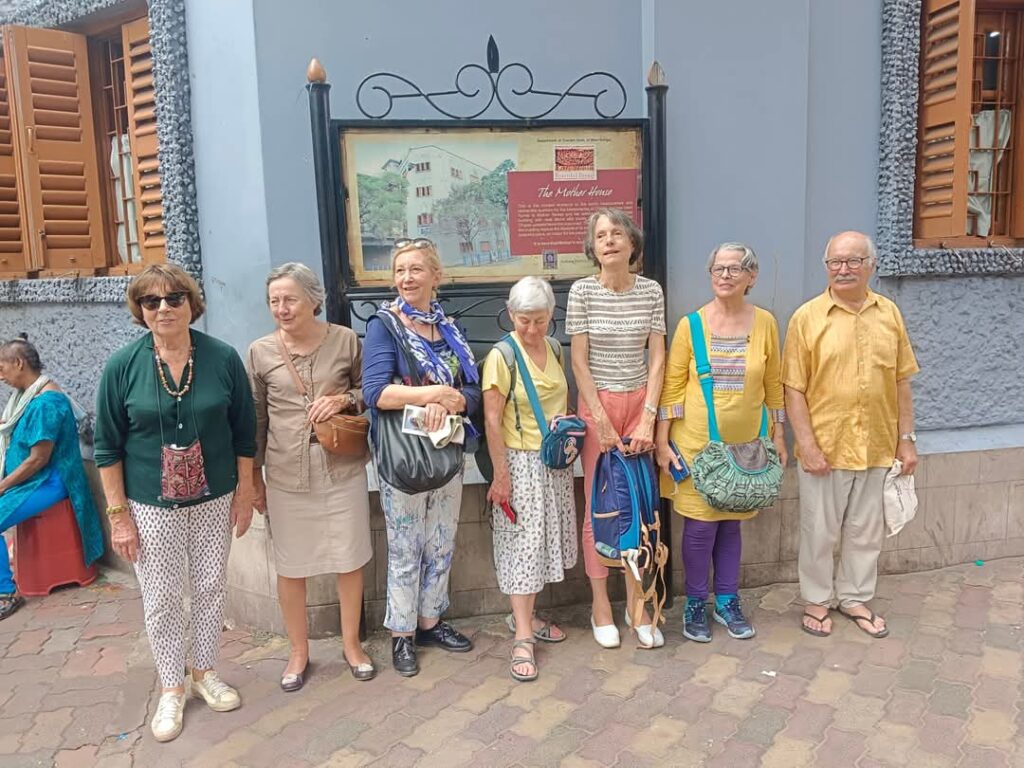
    Foreigner are Visiting-Missionaries of Charity Kolkata

    The Mother House: Heart of the Missionaries of Charity

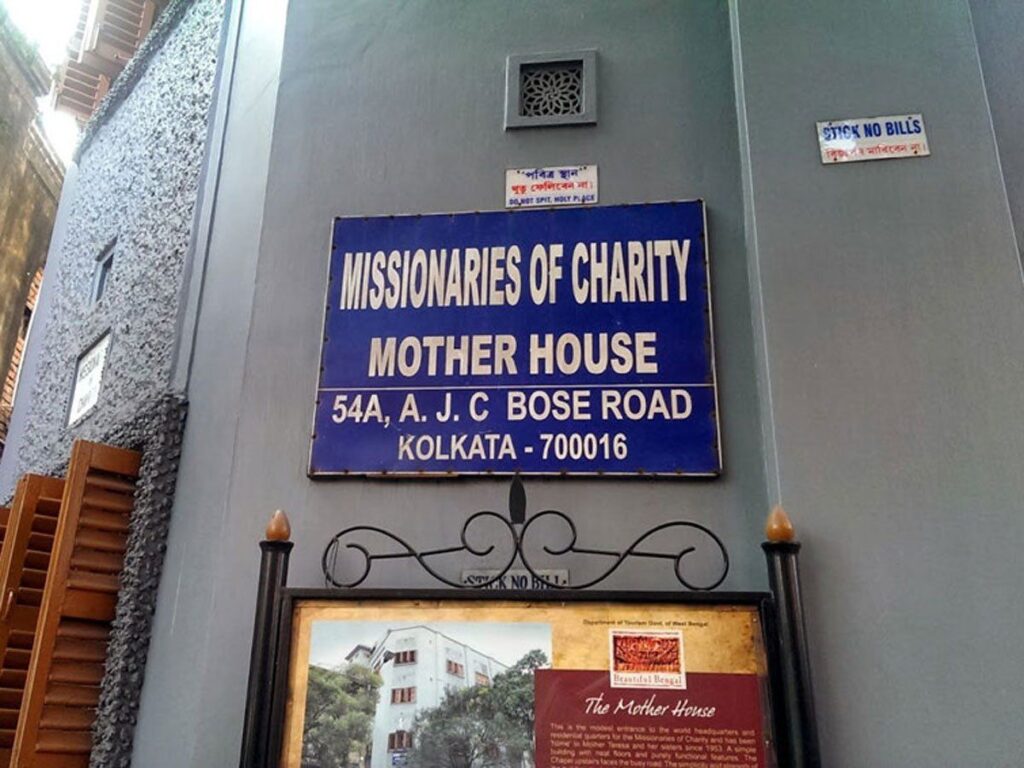
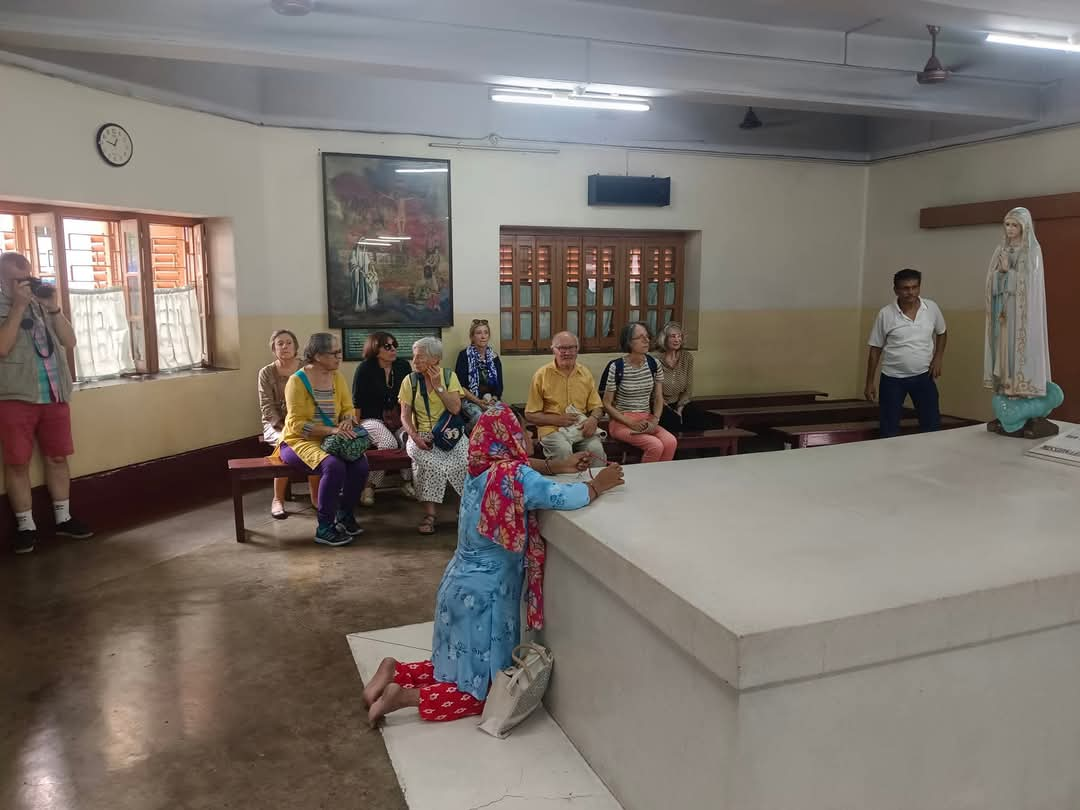
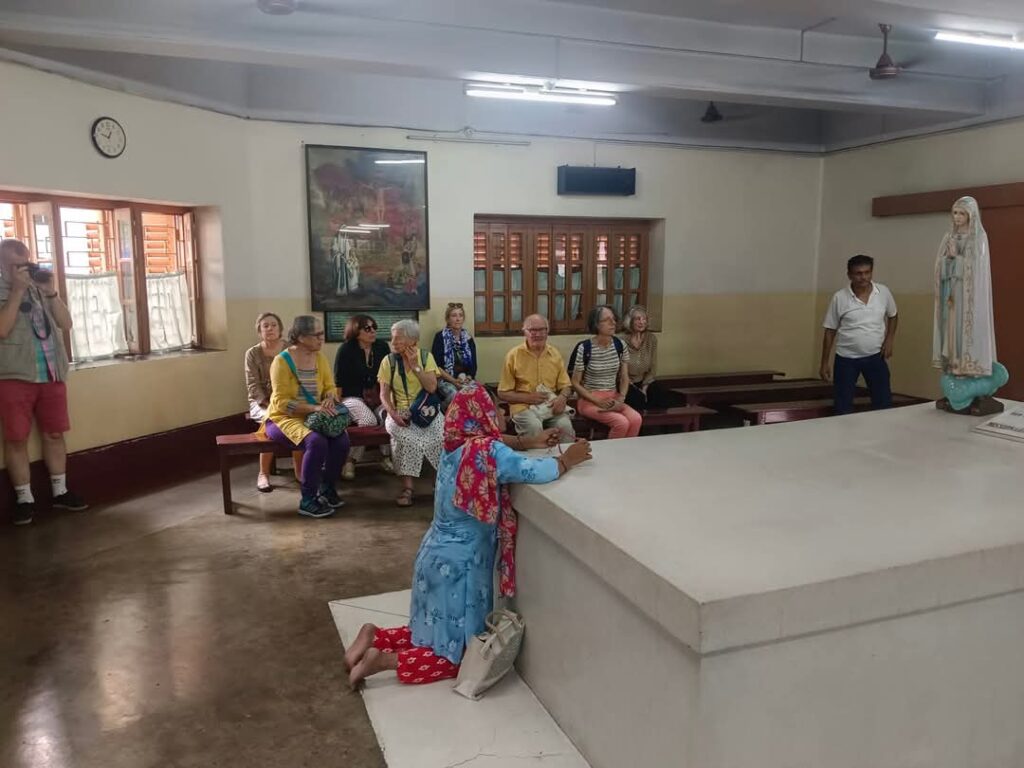
    The Mother House in Kolkata serves as the headquarters of the Missionaries of Charity and is a testament to Mother Teresa’s life and work. Located on AJC Bose Road, this humble three-story building is where Mother Teresa lived, worked, and was laid to rest.

    Key Features of the Mother House:

    • Mother Teresa’s tomb

    • Simple living quarters

    • Chapel for prayer and meditation

    • Exhibition of Mother Teresa’s personal belongings

    The Mother House is not just a place of historical significance but also a living, breathing center of hope and charity. Visitors can witness the sisters of the Missionaries of Charity going about their daily duties, providing a glimpse into the ongoing work inspired by Mother Teresa.

    Exploring the Mother Teresa Museum

    Adjacent to the Mother House is the Mother Teresa Museum, a must-visit destination for those interested in learning more about the life and work of this remarkable woman. The museum offers a comprehensive look at Mother Teresa’s journey from a young girl in Albania to a global symbol of compassion.

    Highlights of the Mother Teresa Museum:

    • Chronological display of Mother Teresa’s life

    • Artifacts and personal items

    • Audio-visual presentations

    • Quotes and teachings of Mother Teresa

    The museum provides a deeply moving experience, allowing visitors to connect with Mother Teresa’s vision and the principles that guide the Missionaries of Charity.

    Visiting Hours and Location

    To make the most of your visit to the Missionaries of Charity Kolkata, it’s important to know the visiting hours and location.

    Mother House Timing:

    • Open daily from 6:00 AM to 12:00 PM and 3:00 PM to 6:00 PM

    • Closed on Thursdays for cleaning

    Mother House Location:

    54A, AJC Bose Road, Kolkata 700016, West Bengal, India

    It’s advisable to arrive early, especially if you wish to attend the morning Mass or avoid crowds. The best time to visit is usually in the morning when the atmosphere is serene and peaceful.

    The Missionaries of Charity’s Impact on Kolkata

    The Missionaries of Charity has had a profound impact on Kolkata, transforming the city into a beacon of hope and compassion. Their work extends far beyond the walls of the Mother House, reaching into the poorest and most marginalized communities of the city.

    Key Areas of Impact:

    1. Healthcare: Providing medical care to those who cannot afford it

    2. Education: Running schools and training programs for underprivileged children

    3. Shelter: Offering homes for orphans, the elderly, and the homeless

    4. Rehabilitation: Supporting individuals with leprosy and HIV/AIDS

    The organization’s presence has not only improved the lives of countless individuals but has also inspired a culture of giving and volunteerism in Kolkata.

    Incorporating the Mother House into Your Kolkata City Tour

    A visit to the Missionaries of Charity Kolkata can be easily incorporated into a broader Kolkata city tour. Here’s a suggested itinerary:

    1. Start your day early at the Mother House

    2. Visit the nearby Indian Museum

    3. Explore the vibrant New Market area for lunch and shopping

    4. Take a stroll through the historic Park Street

    5. End your day with a peaceful boat ride on the Hooghly River

    This route allows you to experience both the spiritual and cultural aspects of Kolkata, providing a well-rounded perspective of the city.

    Other Places to See in Kolkata

    While the Missionaries of Charity is a highlight, Kolkata offers many other attractions worth exploring:

    1. Victoria Memorial: A stunning marble building dedicated to Queen Victoria

    2. Howrah Bridge: An iconic symbol of Kolkata spanning the Hooghly River

    3. Dakshineswar Kali Temple: A famous Hindu temple on the eastern bank of the Hooghly River

    4. College Street: A paradise for book lovers with numerous bookstores and colleges

    5. Marble Palace: A 19th-century mansion showcasing neoclassical architecture

    6. Sundarbans: A nearby UNESCO World Heritage Site known for its mangrove forests and Bengal tigers

    Each of these locations offers a unique glimpse into Kolkata’s rich history and diverse culture.

    Conclusion

    The Missionaries of Charity Kolkata stands as a powerful reminder of the impact one person can have on the world. A visit to this institution not only provides insight into Mother Teresa’s life and work but also offers an opportunity for personal reflection and inspiration. Whether you’re a spiritual seeker, a history enthusiast, or simply curious about one of Kolkata’s most significant landmarks, the Missionaries of Charity is an essential stop on any trip to this vibrant city.

    As you plan your visit, remember that the spirit of service and compassion that Mother Teresa embodied continues to thrive in Kolkata. By engaging with the Missionaries of Charity and the city’s many other attractions, you’ll gain a deeper understanding of Kolkata’s unique place in the world and the enduring legacy of one of its most beloved figures.

  • Unveiling the Treasures: A Journey Through the Indian Museum in Kolkata

    Unveiling the Treasures: A Journey Through the Indian Museum in Kolkata

    Unveiling the Treasures: A Journey Through the Indian Museum in Kolkata

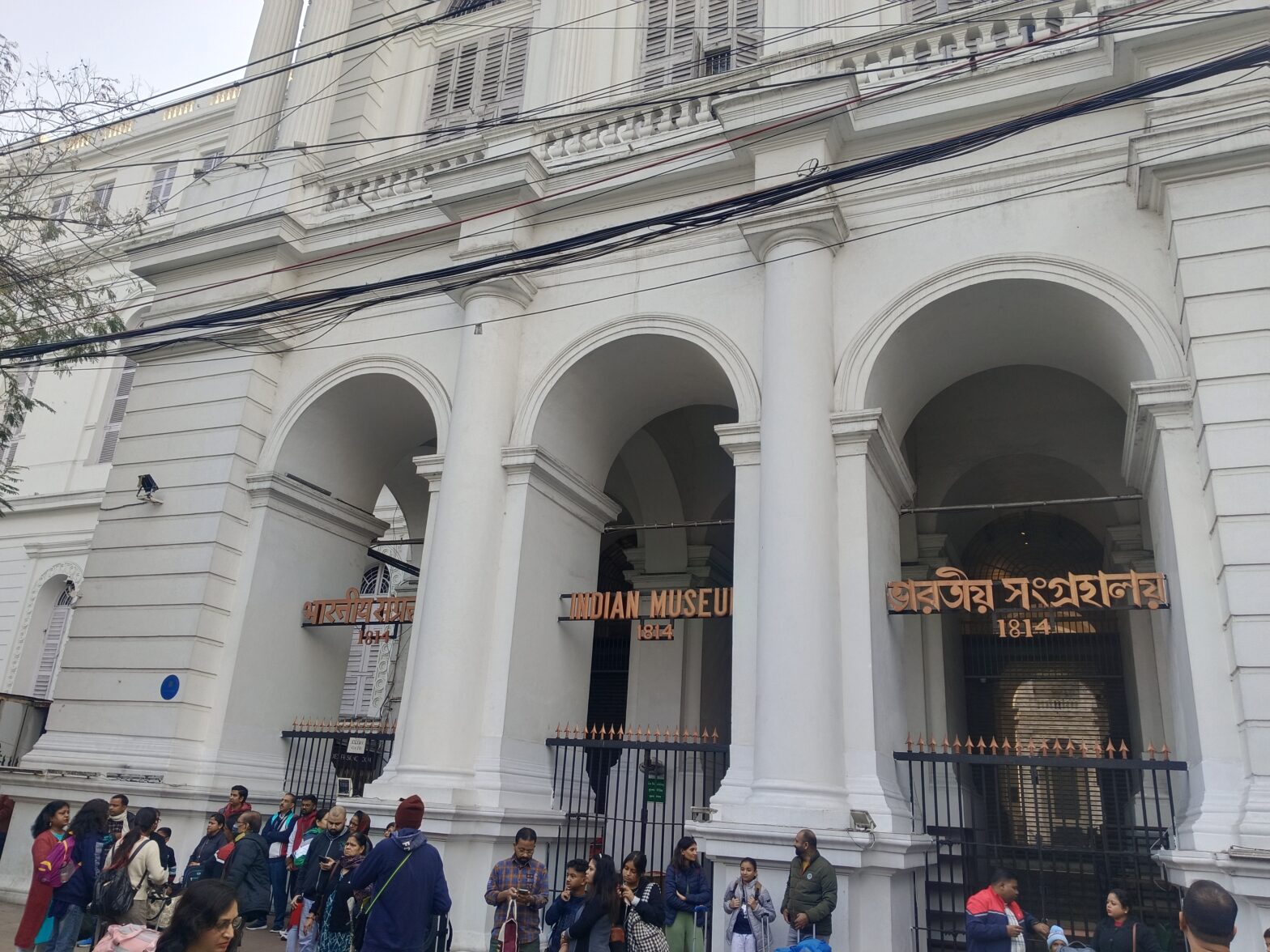
    Indian Museum in Kolkata

    Have you ever wondered what it’s like to walk through centuries of Indian history in a single day? Imagine stepping into a world where ancient artifacts whisper tales of bygone eras, and every corner reveals a new facet of India’s rich cultural tapestry. Welcome to the Indian Museum in Kolkata, a treasure trove of history that’s been captivating visitors for over two centuries!

    Founded in 1814, this architectural marvel isn’t just India’s oldest museum—it’s also the largest. But what truly sets it apart is its ability to transport you through time, from prehistoric fossils to contemporary art. Whether you’re a history buff, an art enthusiast, or simply curious about India’s diverse heritage, the Indian Museum offers an unparalleled journey through the subcontinent’s past and present.

    Ready to embark on this fascinating adventure? Join us as we explore the rich history, stunning architecture, and diverse collections that make the Indian Museum a must-visit destination. We’ll guide you through its most captivating exhibits, share tips for an unforgettable visitor experience, and help you plan your trip to this cultural gem in the heart of Kolkata

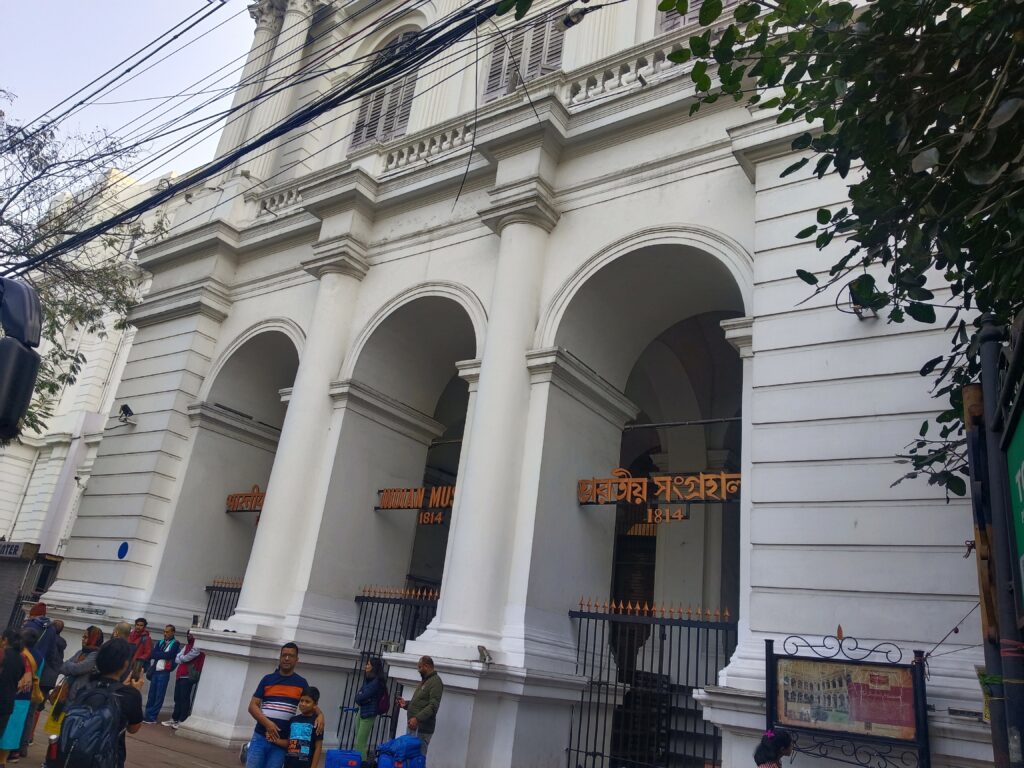
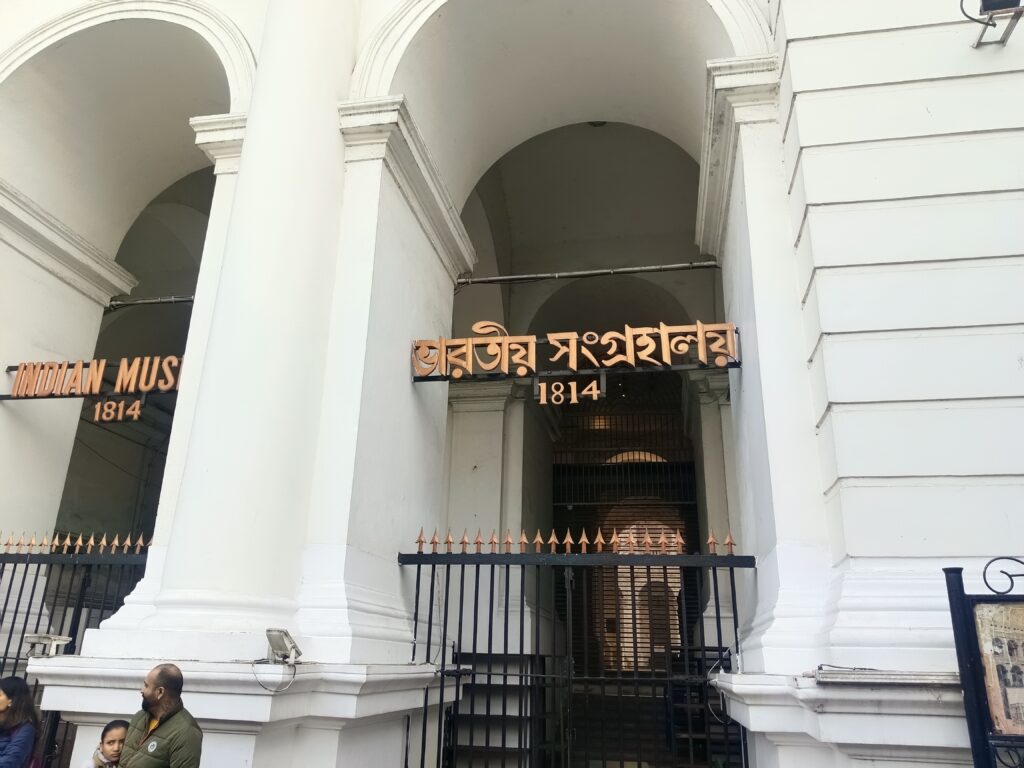
    Indian Museum in Kolkata
    Indian Museum Kolkata sightseeing
    Kolkata Indian Museum

    History and Significance

    Founding and early years

    The Indian Museum in Kolkata, established in 1814, holds the distinction of being the oldest and largest multipurpose museum in the Asia-Pacific region. Founded by Dr. Nathaniel Wallich, a Danish botanist, the museum began as a small collection housed in the Asiatic Society. Its initial focus was on natural history specimens, but it quickly expanded to include archaeological artifacts, anthropological objects, and geological samples.

    Evolution into India’s largest museum

    Over the next two centuries, the Indian Museum grew exponentially, both in size and scope. Key milestones include:

    • 1875: Relocation to its current premises on Chowringhee Road
    • 1901: Establishment of the Archaeological Survey of India gallery
    • 1960s: Addition of the Egyptian mummy exhibition

    Today, the museum boasts over 100,000 artifacts spread across 35 galleries, making it a treasure trove of human history and natural wonders.

    Cultural importance for Bengal and India

    The Indian Museum holds immense cultural significance for both Bengal and India as a whole:

    1. Preservation of heritage: It safeguards priceless artifacts from various periods of Indian history
    2. Educational resource: Serves as a vital center for research and learning
    3. Cultural identity: Reinforces Bengal’s role in India’s cultural landscape
    4. Tourism magnet: Attracts visitors from around the world, boosting local economy

    As we explore the museum’s architectural marvel in the next section, you’ll see how its physical structure complements its rich historical legacy.

    Architectural Marvel

    Neo-classical design features

    The Indian Museum in Kolkata stands as a magnificent example of neo-classical architecture. Its design features include:

    • Symmetrical layout with a grand central portico
    • Tall Corinthian columns supporting the facade
    • Triangular pediments adorning the entrance
    • Large, arched windows allowing natural light

    These elements combine to create a striking visual impact, reminiscent of ancient Greek and Roman structures.

    Impressive facade and interiors

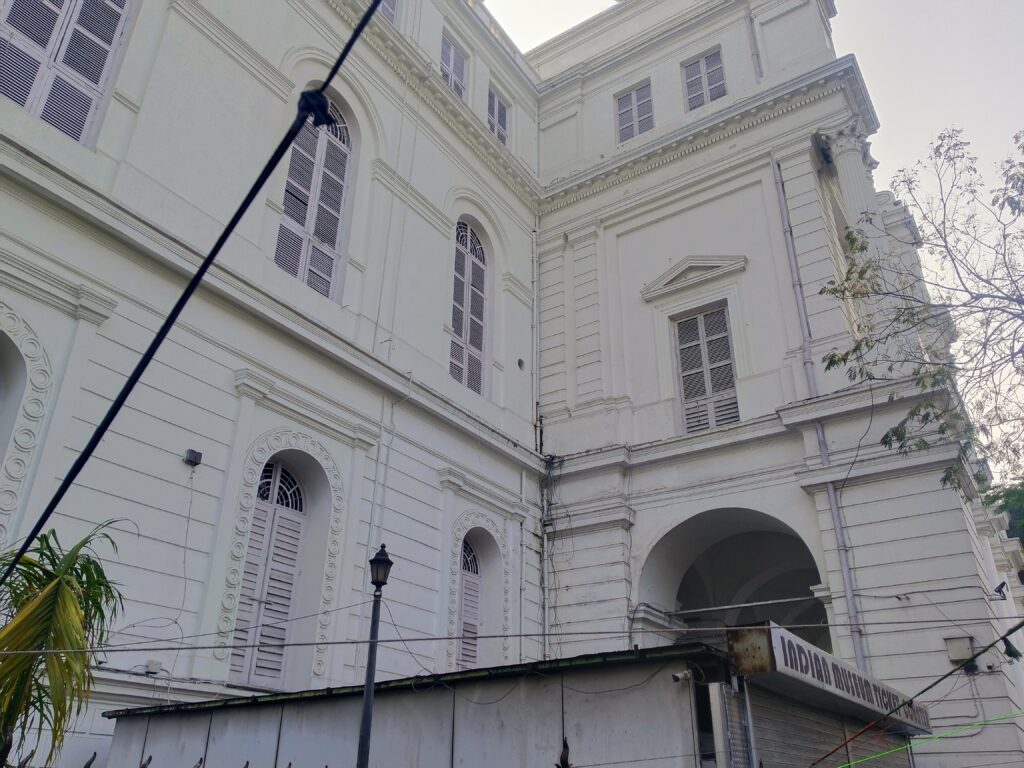
    The museum’s exterior is as captivating as its contents. Notable features include:

    • Imposing stone steps leading to the main entrance
    • Intricate carvings and sculptures on the building’s exterior
    • Spacious, high-ceilinged galleries inside
    • Ornate moldings and decorative elements throughout

    The interiors are designed to complement the exhibits, providing a grand backdrop for the diverse collections housed within.

    Recent renovations and improvements

    In recent years, the Indian Museum has undergone significant renovations to enhance visitor experience and preserve its architectural integrity. These improvements include:

    • Restoration of the building’s original color scheme
    • Upgrades to lighting and climate control systems
    • Installation of modern display cases and information panels
    • Improved accessibility features for visitors with disabilities

    These renovations have breathed new life into the historic structure, ensuring it remains a beloved landmark in Kolkata for generations to come.

    Diverse Collections

    Archaeology exhibits

    The Indian Museum in Kolkata boasts an impressive collection of archaeological artifacts that span millennia. Visitors can explore:

    • Prehistoric tools and pottery
    • Ancient sculptures from various Indian dynasties
    • Inscriptions and coins from different historical periods
    • Relics from the Indus Valley Civilization

    These exhibits offer a fascinating glimpse into India’s rich cultural heritage.

    Art objects and paintings

    Art enthusiasts will be captivated by the museum’s diverse array of artistic treasures, including:

    • Mughal miniature paintings
    • Classical Indian sculptures
    • Decorative arts from various regions
    • Contemporary Indian artworks

    Anthropology displays

    The anthropology section showcases the cultural diversity of India and neighboring regions. Highlights include:

    • Traditional costumes and jewelry
    • Tribal artifacts and tools
    • Masks and musical instruments
    • Dioramas depicting various cultural practices

    Geology specimens

    Geology buffs will appreciate the extensive collection of:

    • Rare minerals and gemstones
    • Fossils from different geological eras
    • Meteorite samples
    • Rock formations from across India

    Zoology specimens

    The zoology section houses an impressive array of:

    • Taxidermied animals from various ecosystems
    • Skeletal remains of extinct species
    • Preserved specimens of rare and endangered animals
    • Detailed dioramas of wildlife habitats

    With such diverse collections, the Indian Museum offers a comprehensive overview of India’s natural and cultural heritage. As we explore these exhibits, we gain a deeper appreciation for the country’s rich history and biodiversity. Next, we’ll delve into some of the must-see exhibits that you shouldn’t miss during your visit to Kolkata City tour.

    Must-See Exhibits

    1. Egyptian mummy

    One of the most captivating exhibits in the Indian Museum is the Egyptian mummy, a rare treasure that draws visitors from far and wide. This well-preserved ancient artifact offers a fascinating glimpse into the intricate funerary practices of ancient Egypt. The mummy, dating back to the Ptolemaic period (305-30 BCE), is complete with its ornate sarcophagus, providing an authentic representation of Egyptian burial customs.

    1. Ashoka Pillar

    Another must-see exhibit is the Ashoka Pillar, a testament to India’s rich historical heritage. This monolithic sandstone pillar, erected by Emperor Ashoka in the 3rd century BCE, bears inscriptions of his famous edicts. The pillar’s presence in the museum offers visitors a chance to:

    • Admire the craftsmanship of ancient Indian artisans
    • Decipher the Brahmi script inscriptions
    • Learn about Ashoka’s Buddhist principles and governance
    1. Prehistoric fossils

    The museum’s collection of prehistoric fossils is a treasure trove for paleontology enthusiasts. This exhibit showcases:

    • Dinosaur fossils, including a 150-million-year-old skeleton
    • Plant fossils from various geological eras
    • Fossilized remains of ancient marine life

    These specimens provide invaluable insights into the evolution of life on the Indian subcontinent.

    1. Rare coins and manuscripts

    The numismatic and manuscript collections are equally impressive, featuring:

    • Gold coins from the Gupta period
    • Rare Mughal-era manuscripts
    • Palm leaf inscriptions from South India

    These exhibits offer a unique perspective on India’s cultural and economic history. As you explore these fascinating artifacts, you’ll gain a deeper appreciation for the vast tapestry of Indian heritage. Next, we’ll delve into the overall visitor experience at the Indian Museum.

    Visitor Experience

    Guided tours and audio guides

    Enhance your visit to the Indian Museum with expert-led guided tours or informative audio guides. These options provide in-depth insights into the museum’s vast collection and historical significance. Guided tours are available in multiple languages, offering:

    • Customized routes based on your interests
    • Engaging narratives about key exhibits
    • Answers to your questions from knowledgeable guides

    Audio guides allow for a self-paced exploration, perfect for those who prefer a more independent experience.

    Interactive displays and workshops

    Immerse yourself in India’s rich cultural heritage through:

    • Touch-screen exhibits showcasing artifact details
    • Virtual reality experiences of historical events
    • Hands-on workshops on traditional crafts and archaeology

    These interactive elements make learning enjoyable for visitors of all ages, bringing history to life in engaging ways.

    Photography policies

    While capturing memories is important, the museum has specific photography guidelines to protect its priceless artifacts:

    • Personal photography is allowed in most galleries
    • Flash photography is strictly prohibited
    • Video recording requires special permission
    • Some exhibits may have no-photo zones for preservation reasons

    Accessibility features

    The Indian Museum strives to be inclusive, offering:

    • Wheelchair ramps and elevators for easy navigation
    • Braille descriptions for select exhibits
    • Rest areas throughout the museum for comfort
    • Assistance services for visitors with special needs

    With these visitor-friendly features, the Indian Museum ensures a memorable and educational experience for all. As you plan your visit, consider how these amenities can enhance your exploration of Kolkata’s cultural treasures.

    Planning Your Visit

    1. Location and how to reach

    The Indian Museum is centrally located in Kolkata, making it easily accessible. Here are the best ways to reach the museum:

    • By Metro: The nearest metro station is Park Street, about 1 km away.
    • By Bus: Several city buses stop near the museum. Look for routes passing through Chowringhee Road.
    • By Taxi or Ride-sharing: Convenient and readily available throughout Kolkata.
    • On foot: If you’re staying in the Park Street or Esplanade area, it’s a pleasant walk.
    1. Opening hours and ticket information

    • Opening hours: Tuesday to Sunday, 10:00 AM to 5:00 PM (Closed on Mondays and national holidays)
    • Ticket prices:
      • Indian citizens: ₹20 for adults, ₹10 for children
      • Foreign visitors: ₹500 for adults, ₹250 for children
    • Photography is allowed with an additional fee
    1. Best times to visit

    • Weekday mornings for fewer crowds
    • Winter months (November to February) for comfortable weather
    • Avoid peak summer (April to June) due to high temperatures
    1. Nearby attractions

    After exploring the Indian Museum, consider visiting these nearby attractions to make the most of your Kolkata city tour:

    1. Victoria Memorial
    2. St. Paul’s Cathedral
    3. Park Street for shopping and dining
    4. Maidan, the city’s largest urban park

    These attractions can easily be combined with the Indian Museum for a comprehensive half-day or full-day Kolkata city tour. Consider booking a guided tour or hiring a car for a more structured experience of Kolkata’s top tourist places.

    The Indian Museum in Kolkata stands as a testament to India’s rich cultural heritage and historical significance. From its awe-inspiring architecture to its diverse collections spanning art, archaeology, and natural history, this institution offers visitors a captivating journey through time. The must-see exhibits, including the Egyptian mummy and rare fossils, provide unique insights into various civilizations and the natural world.

    As you plan your visit to this remarkable institution, remember that the Indian Museum is more than just a collection of artifacts; it’s a gateway to understanding India’s past and its place in global history. Whether you’re a history enthusiast, art lover, or curious traveler, the museum promises an enriching experience that will leave you with a deeper appreciation for India’s cultural tapestry. Don’t miss the opportunity to explore this treasure trove of knowledge and wonder in the heart of Kolkata.


Get Free Quotes

Call / WhatsApp @ + 91 – 8902495917, 8910339427